


Corinna Hawkes, City, University of London
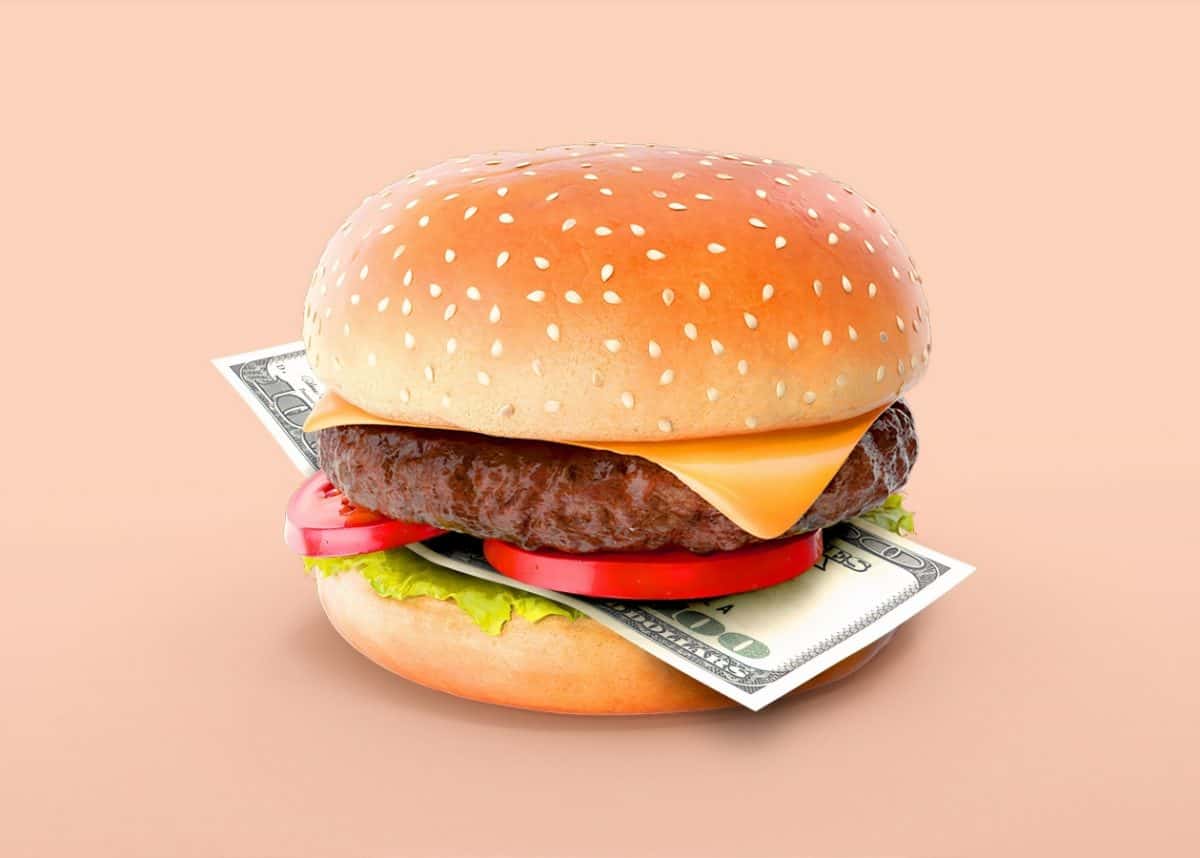
COVID-19 has shown how damaging ill-health can be for the economy. But it has also shown how measures that benefit health (lockdowns) can be seen as bad economic prosperity. A similar paradox is at the heart of promoting better diets.
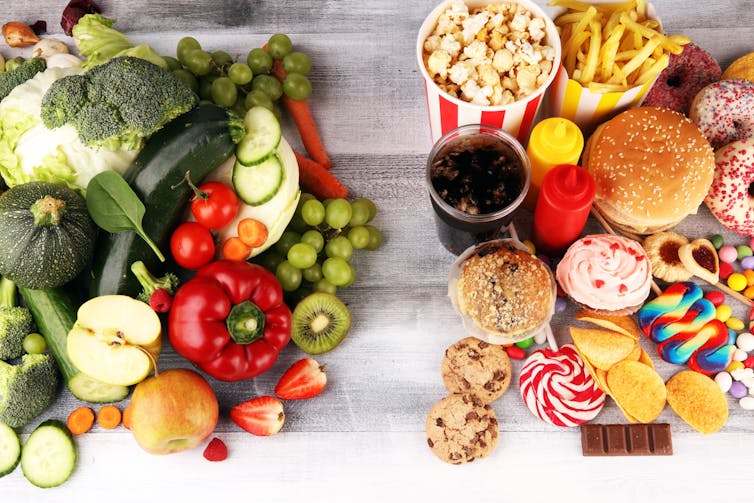
Poor diet is the world’s leading cause of ill-health. Malnutrition – from undernutrition to obesity – affects at least one-third of the global population. It’s an issue of inequality, too: diet-related challenges disproportionately affect poorer people, making the economic challenge even greater.
Poor nutrition also costs businesses dearly. A recent report by research institute Chatham House estimates that businesses around the world lose as much as US$38 billion (£29 billion) a year from undernutrition and obesity among their workforce. Nevertheless, when governments attempt to take unhealthy foods out of the spotlight and place more nutritious foods centre stage, they typically rub up against economic arguments that any regulation will hurt business.
COVID-19 has shown it’s time to change. Obesity, diabetes and other chronic conditions associated with unhealthy diets increase the risk of complications from the virus (a point not lost on UK prime minister Boris Johnson, who had his own battle with the virus).
There are also predictions that the pandemic will lead to a crisis of undernutrition. As discussions about how to renew the global economy – and rethink the economic system – are heating up, food must be part of our thinking.
This five-point plan could do the work of resetting the food economy over the short term, allowing it to both flourish and nourish over the long term.


1. Financing for healthy food
Healthier food costs more. Investment is needed all the way along the food-value chain to make a healthy diet more affordable for the 3 billion people around the world who cannot afford one.
Public spending on agriculture – like subsidies for fertilisers, payments direct to farmers and plant breeding programmes, as well as policies to attract private sector investment – tends to favour crops like maize, palm oil, rice and soybeans.
These crops dominate the unhealthy food industry and leave children in low-income countries undernourished. This investment could be reallocated to diversifying and building supply chains for more nutritious foods like fruits, vegetables, beans and whole grains.
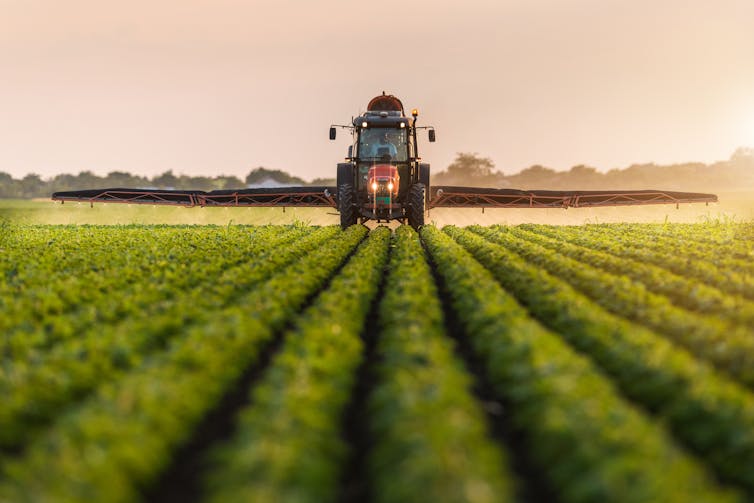
Investment is needed in local food supply chains too, connecting smaller and more sustainable producers of nutritious foods to consumers who need them most. E-commerce initiatives are growing in the wake of COVID-19 in many lower income countries and could be built on.
Food hubs that bring food from producers to commercial customers or direct to consumers are also growing. This would support local food economies in countries rich and poor.
Innovative financing is a vital part of the picture. For example, the Global Alliance for Improved Nutrition, an organisation working to improve the consumption of nutritious foods, has a programme that encourages investment in nutritious food businesses in low- and middle-income countries. These are small- and medium-sized businesses that play an important role in creating jobs and boosting regional economies.
In London, the Good Food Fund is a new £1.8 million business accelerator and venture fund designed to back SMEs and start-ups to produce healthier snacks for kids.
2. Make junk food less attractive
It’s relatively easy to make money by selling cheap snacks to kids and adults alike. Companies compete with each other to tempt consumers everywhere, from Dakar to Dublin. A small amount of regulation would incentivise healthy, rather than unhealthy, competition.
The fact that during lockdown some large corporations have been vying for greater market share for their cookies, pizzas and burgers shows that as long as businesses have the incentive to promote unhealthy products, they will continue to do so.
In Chile, for example, the government introduced tough, comprehensive regulations forcing food manufacturers to clearly label and market their products with how healthy (or unhealthy) they are. This enabled innovators to compete with the junk food industry and appeal to the health conscious. Similarly, taxes on sugary drinks in many countries has incentivised the industry to produce healthier products.
3. Profit with purpose
Another way to get food businesses to sell healthier products is through corporate governance mechanisms. Instead of focusing on shareholder profits, food companies could establish diet-related health as a core purpose.
Here, there is ample scope to join the growing ranks of “B corporations”. These are businesses that emphasise “social and environmental performance” alongside shareholder value. This could easily include health as a metric for food businesses.
4. Redefining success
A new package of healthy metrics is needed to define what success looks like for food businesses large and small. The Access to Nutrition Index, for instance, scores global food companies on how well they are addressing obesity and diet-related disease. In the UK, the Food Foundation has proposed metrics for investors to assess how well businesses are managing the risks and opportunities in the transition towards healthier food.
5. Public sector leading the way
Scores of cities around the world already have public procurement standards that ensure the millions of meals they serve daily in schools, nurseries, hospitals and prisons are healthy, while also providing stable markets to support vulnerable parts of the economy.
In “homegrown school feeding” and “farm-to-school” programmes, for example, public budgets are used to purchase healthy food from smaller, family, farmers while ensuring kids are well fed. Evidence from Nepal and the United States shows that if designed well, these programmes work.
Implementing this five-point plan will have its challenges. But every element has been tried and tested already. It’s all doable. The task now is to implement them as a package to ensure the different elements are in place to repurpose the food economy – and indeed reform the global economy – for better, healthier eating.
The coronavirus has highlighted that the public is eager to see courageous leadership. Now is the time to step up and ensure we have an economy that is both nourishing and flourishing.
Corinna Hawkes, Professor of Food Policy, City, University of London
This article is republished from The Conversation under a Creative Commons license. Read the original article.







