

• Advertise
  • About us
  • Terms and Conditions
  • Contact us
Thursday, February 5, 2026
Australian Times News
  • News
    • Weather
    • Sport
    • Technology
    • Business & Finance
      • Currency Zone
    • Lotto Results
      • The Lott
  • Lifestyle
    • Entertainment
    • Horoscopes
    • Health & Wellness
    • Recipes
  • Travel
  • Expat Life
  • Move to Australia
No Result
View All Result
  • News
    • Weather
    • Sport
    • Technology
    • Business & Finance
      • Currency Zone
    • Lotto Results
      • The Lott
  • Lifestyle
    • Entertainment
    • Horoscopes
    • Health & Wellness
    • Recipes
  • Travel
  • Expat Life
  • Move to Australia
No Result
View All Result
Australian Times News
No Result
View All Result
Home News

Carbon pricing works: the largest-ever study puts it beyond doubt

The results show that countries with carbon prices on average have annual carbon dioxide emissions growth rates that are about two percentage points lower than countries without a carbon price.

The Conversation by The Conversation
14-07-2020 09:17
in News
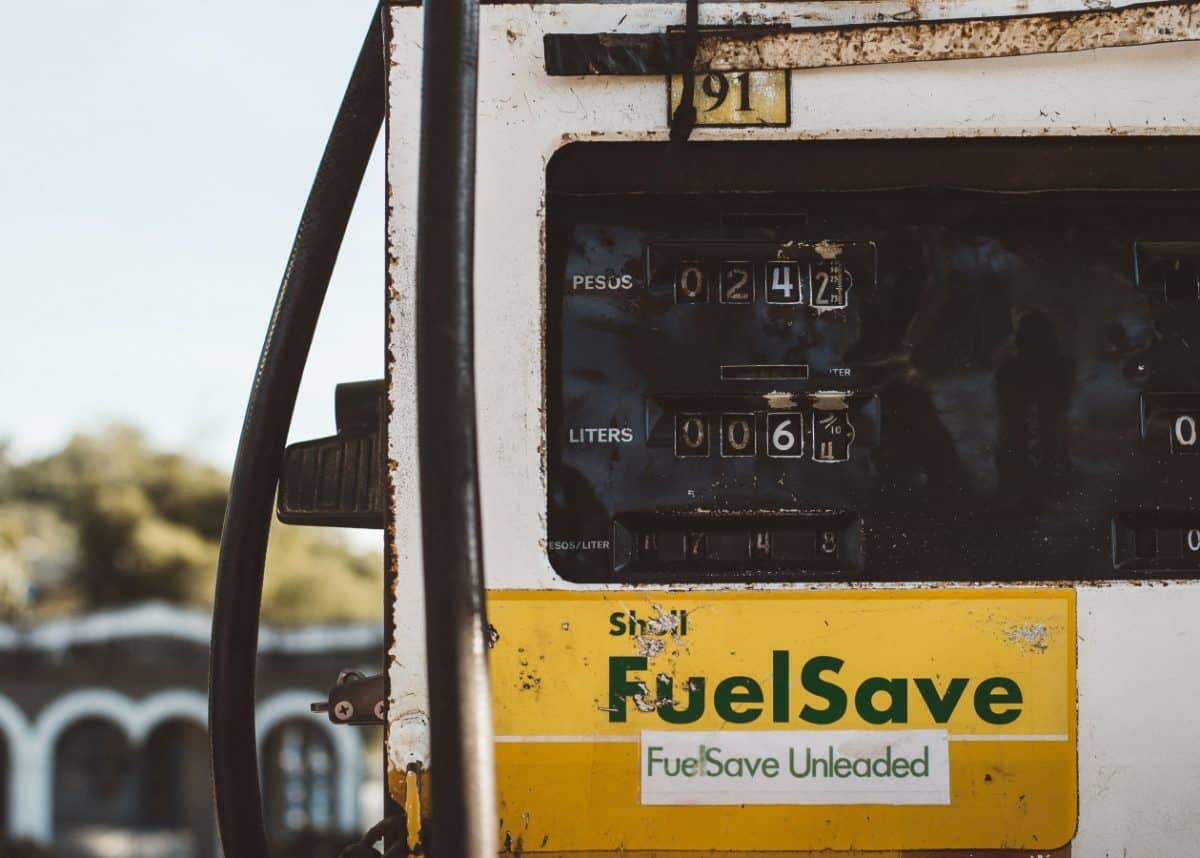
Carbon pricing works

Carbon pricing works Photo by Gab Pili on Unsplash

Paul Burke, Crawford School of Public Policy, Australian National University; Frank Jotzo, Australian National University, and Rohan Best, Macquarie University

Putting a price on carbon should reduce emissions, because it makes dirty production processes more expensive than clean ones, right?

Shutterstock/ANU

That’s the economic theory. Stated baldly, it’s obvious, but there is perhaps a tiny chance that what happens in practice might be something else.

In a newly-published paper, we set out the results of the largest-ever study of what happens to emissions from fuel combustion when they attract a charge.

We analysed data for 142 countries over more than two decades, 43 of which had a carbon price of some form by the end of the study period.

The results show that countries with carbon prices on average have annual carbon dioxide emissions growth rates that are about two percentage points lower than countries without a carbon price, after taking many other factors into account.

By way of context, the average annual emissions growth rate for the 142 countries was about 2% per year.


AlsoRead...

Brandon Willington: The Marketing Entrepreneur turning heads across Australia

Brandon Willington: The Marketing Entrepreneur Turning Heads Across Australia

8 January 2026
How Turnkey Building Group Is Restoring Trust In An Industry Known For Customer Disappointment

How Turnkey Building Group Is Restoring Trust In An Industry Known For Customer Disappointment

17 December 2025

This size of effect adds up to very large differences over time. It is often enough to make the difference between a country having a rising or a declining emissions trajectory.

Emissions tend to fall in countries with carbon prices

A quick look at the data gives a first clue.

The figure below shows countries that had a carbon price in 2007 as a black triangle, and countries that did not as a green circle.

On average, carbon dioxide emissions fell by 2% per year over 2007–2017 in countries with a carbon price in 2007 and increased by 3% per year in the others.


Carbon dioxide emissions growth in countries with and without a carbon price in 2007

Emissions are from fuel combustion and include road-sector emissions. Best, Burke, Jotzo 2020

The difference between an increase of 3% per year and a decrease of 2% per year is five percentage points. Our study finds that about two percentage points of that are due to the carbon price, with the remainder due to other factors.

The challenge was pinning down the extent to which the change was due to the implementation of a carbon price and the extent to which it was due to a raft of other things happening at the same time, including improving technologies, population and economic growth, economic shocks, measures to support renewables and differences in fuel tax rates.

We controlled for a long list of other factors, including the use of other policy instruments.
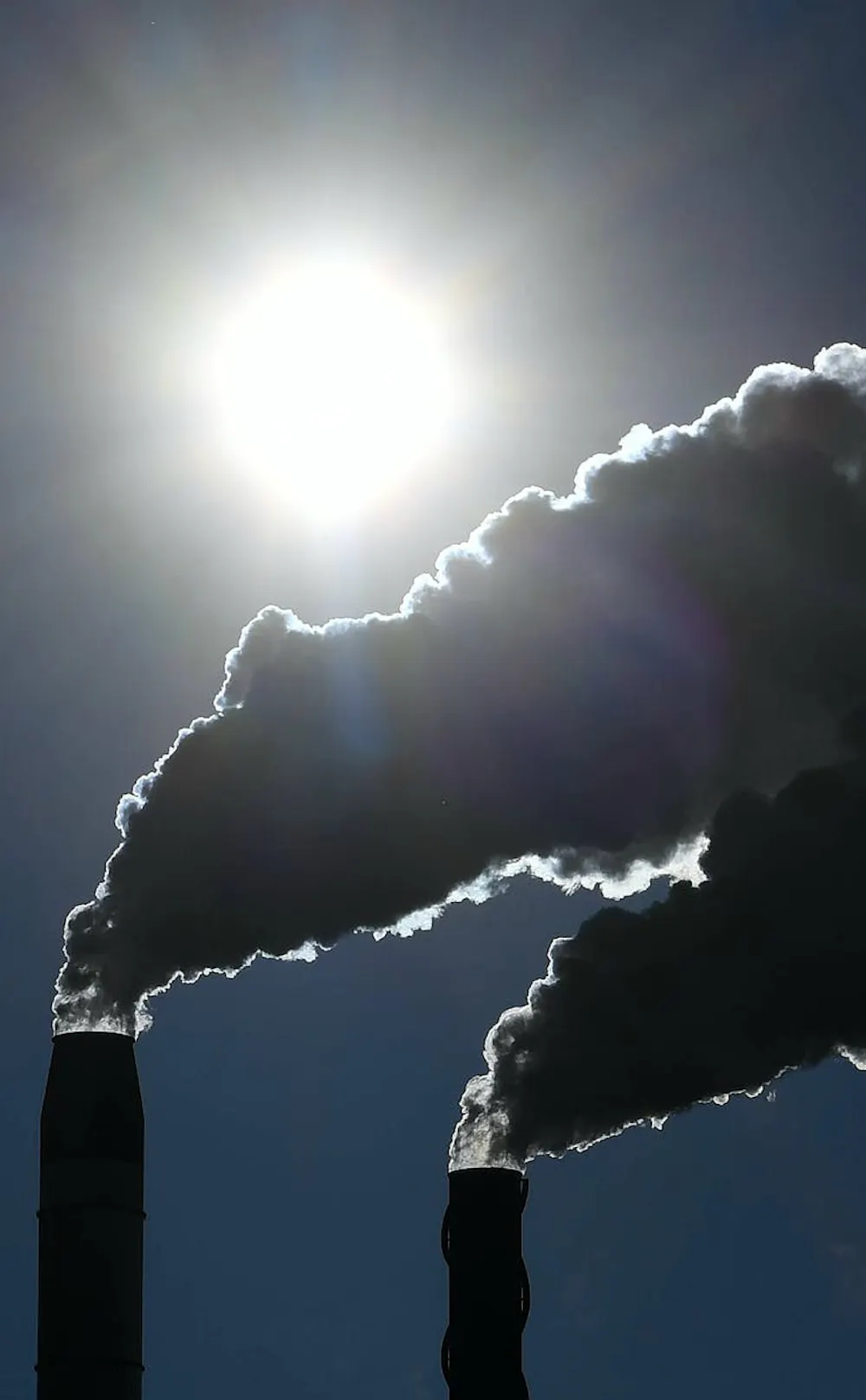
The higher the price, the larger the emissions reductions.

It would be reasonable to expect a higher carbon price to have bigger effects, and this is indeed what we found.

On average an extra euro per tonne of carbon dioxide price is associated with a lowering in the annual emissions growth rate in the sectors it covers of about 0.3 percentage points.

Lessons for Australia

The message to governments is that carbon pricing almost certainly works, and typically to great effect.

While a well-designed approach to reducing emissions would include other complementary policies such as regulations in some sectors and support for low-carbon research and development, carbon pricing should ideally be the centrepiece of the effort.

Unfortunately, the politics of carbon pricing have been highly poisoned in Australia, despite it being popular in a number of countries with conservative governments including Britain and Germany. Even Australia’s Labor opposition seems to have given up.

Nevertheless, it should be remembered that Australia’s two-year experiment with carbon pricing delivered emissions reductions as the economy grew. It was working as designed.

Groups such as the Business Council of Australia that welcomed the abolition of the carbon price back in 2014 are now calling for an effective climate policy with a price signal at its heart.

Carbon pricing elsewhere

The results of our study are highly relevant to many governments, especially those in industrialising and developing countries, that are weighing up their options.

The world’s top economics organisations including the International Monetary Fund, the World Bank and the Organisation for Economic Co-operation and Development continue to call for expanded use of carbon pricing.

If countries are keen on a low-carbon development model, the evidence suggests that putting an appropriate price on carbon is a very effective way of achieving it.


An open-access version of this research is available here.

Paul Burke, Associate Professor, Crawford School of Public Policy, Australian National University; Frank Jotzo, Director, Centre for Climate and Energy Policy, Australian National University, and Rohan Best, Lecturer in Economics, Macquarie University

This article is republished from The Conversation under a Creative Commons license. Read the original article.


Tags: SB001
DMCA.com Protection Status

SUBSCRIBE to our NEWSLETTER

[mc4wp_form id=”2384248″]

Don't Miss

Lyca Mobile Australia’s Customer-First Overhaul Pays Off with Finder Award Win

by Fazila Olla-Logday
2 February 2026
Lyca Mobile Australia's Customer-First Overhaul Pays Off with Finder Award Win
Technology

Lyca Mobile Australia’s customer-first overhaul has earned a Finder Award, recognising its improved value, service, and stronger focus on Australian...

Read moreDetails

From Driveway to Dream Court: The Rise of High-Performance Hoops at Home in 2026

by Fazila Olla-Logday
20 January 2026
The Rise of High-Performance Hoops at Home in 2026
Sport

High-performance home basketball hoops are gaining momentum in 2026, as more homeowners invest in durable, professional-grade systems that combine advanced...

Read moreDetails

Brandon Willington: The Marketing Entrepreneur Turning Heads Across Australia

by Pauline Torongo
8 January 2026
Brandon Willington: The Marketing Entrepreneur turning heads across Australia
Business & Finance

Brandon Willington, founder of “Where U?” is changing the narrative for Australian businesses tired of inconsistent leads and empty promises.

Read moreDetails

How Turnkey Building Group Is Restoring Trust In An Industry Known For Customer Disappointment

by Fazila Olla-Logday
17 December 2025
How Turnkey Building Group Is Restoring Trust In An Industry Known For Customer Disappointment
Business & Finance

Turnkey Building Group is changing the narrative in an industry often associated with missed deadlines and broken promises. By prioritizing...

Read moreDetails

Risk Awareness for International Travellers – What Australians Should Know Before Entering Multi-State Regions

by Fazila Olla-Logday
10 December 2025
Schengen
Travel

This guide helps Australian travellers understand cross-border requirements, assess political and environmental risks, manage health and safety considerations, and prepare...

Read moreDetails

The evolution of Aesthetic Surgery through the lens of Dr Kourosh Tavakoli

by Pauline Torongo
4 December 2025
The evolution of Aesthetic Surgery through the lens of Dr. Kourosh Tavakoli
Health & Wellness

As global interest in Australian cosmetic surgery continues to grow, the combination of regulation, research and emerging digital tools is...

Read moreDetails

Ryan: Building real freedom through e-commerce

by Pauline Torongo
27 November 2025
Ryan: Building real freedom through e-commerce
Business & Finance

Ryan’s greatest achievement isn’t any single business or revenue milestone — it’s the ecosystem he’s built through the Change community.

Read moreDetails
Load More

Copyright © Blue Sky Publications Ltd. All Rights Reserved.
australiantimes.co.uk is a division of Blue Sky Publications Ltd. Reproduction without permission prohibited. DMCA.com Protection Status

  • About us
  • Write for Us
  • Advertise
  • Contact us
  • T&Cs, Privacy and GDPR
No Result
View All Result
  • News
    • Weather
    • Sport
    • Technology
    • Business & Finance
      • Currency Zone
    • Lotto Results
      • The Lott
  • Lifestyle
    • Entertainment
    • Horoscopes
    • Health & Wellness
    • Recipes
  • Travel
  • Expat Life
  • Move to Australia

Copyright © Blue Sky Publications Ltd. All Rights Reserved.
australiantimes.co.uk is a division of Blue Sky Publications Ltd. Reproduction without permission prohibited. DMCA.com Protection Status

No Result
View All Result
  • News
    • Weather
    • Sport
    • Technology
    • Business & Finance
      • Currency Zone
    • Lotto Results
      • The Lott
  • Lifestyle
    • Entertainment
    • Horoscopes
    • Health & Wellness
    • Recipes
  • Travel
  • Expat Life
  • Move to Australia

Copyright © Blue Sky Publications Ltd. All Rights Reserved.
australiantimes.co.uk is a division of Blue Sky Publications Ltd. Reproduction without permission prohibited. DMCA.com Protection Status





