


• Advertise
  • About us
  • Terms and Conditions
  • Contact us
Saturday, December 6, 2025
Australian Times News
  • News
    • Weather
    • Sport
    • Technology
    • Business & Finance
      • Currency Zone
    • Lotto Results
      • The Lott
  • Lifestyle
    • Entertainment
    • Horoscopes
    • Health & Wellness
    • Recipes
  • Travel
  • Expat Life
  • Move to Australia
No Result
View All Result
  • News
    • Weather
    • Sport
    • Technology
    • Business & Finance
      • Currency Zone
    • Lotto Results
      • The Lott
  • Lifestyle
    • Entertainment
    • Horoscopes
    • Health & Wellness
    • Recipes
  • Travel
  • Expat Life
  • Move to Australia
No Result
View All Result
Australian Times News
No Result
View All Result
Home Lifestyle

The world endured 2 extra heatwave days per decade since 1950 – but the worst is yet to come

The economic impact on Australia’s workforce from heatwaves is US$6.2 billion a year (almost AU$9 billion).

The Conversation by The Conversation
03-07-2020 22:05
in Lifestyle
The world endured 2 extra heatwave days per decade

The world endured 2 extra heatwave days per decade Photo by Xavier Coiffic on Unsplash

Sarah Perkins-Kirkpatrick, UNSW

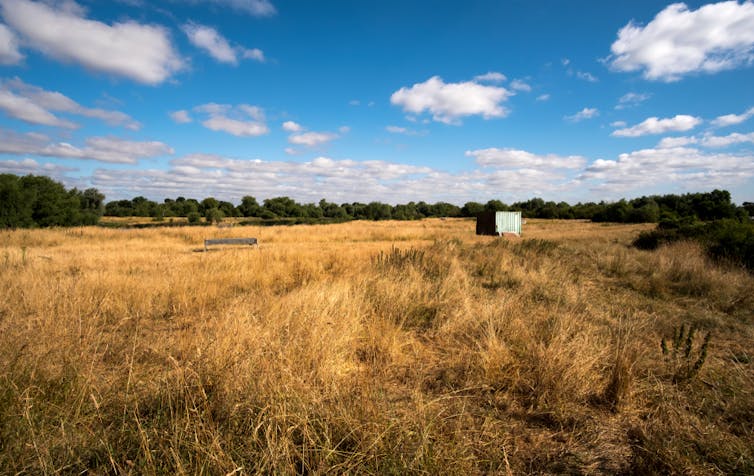
The term “heatwave” is no stranger to Australians. Defined as when conditions are excessively hot for at least three days in a row, these extreme temperature events have always punctuated our climate.
Shutterstock

With many of us in the thick of winter dreaming of warmer days, it’s important to remember how damaging heatwaves can be.

In 2009, the heatwave that preceded Black Saturday killed 374 people. The economic impact on Australia’s workforce from heatwaves is US$6.2 billion a year (almost AU$9 billion). And just last summer, extreme temperature records tumbled, contributing to Australia’s unprecedented bushfire season.

What are heatwaves?

Our new study – the first worldwide assessment of heatwaves at the regional scale – found heatwaves have become longer and more frequent since 1950. And worryingly, we found this trend has accelerated.

We also examined a new metric: “cumulative heat”. This measures how much extra heat a heatwave can contribute, and the new perspective is eye-opening.

What is ‘extra heat’?

In southeast Australia’s worst heatwave season in 2009, we endured an extra heat of 80℃. Let’s explore what that means.


AlsoRead...

The evolution of Aesthetic Surgery through the lens of Dr. Kourosh Tavakoli

The evolution of Aesthetic Surgery through the lens of Dr Kourosh Tavakoli

4 December 2025
Design Australia Group: Redefining Drafting as the engine of housing growth

Design Australia Group: Redefining Drafting as the engine of housing growth

26 November 2025

For a day to qualify as being part of a heatwave, a recorded temperature should exceed an officially declared “heatwave threshold”.

And cumulative heat is generally when the temperature above that threshold across all heatwave days are added up.

Let’s say, for example, a particular location had a heatwave threshold of around 30℃. The “extra heat” on a day where temperatures reach 35℃ would be 5℃. If the heatwave lasted for three days, and all days reached 35℃, then the cumulative heat for that event would be 15℃.

Another decade, another heatwave day

We found almost every global region has experienced a significant increase in heatwave frequency since 1950. For example, southern Australia has experienced, on average, one extra heatwave day per decade since 1950.

However, other regions have experienced much more rapid increases. The Mediterranean has seen approximately 2.5 more heatwave days per decade, while the Amazon rainforest has seen an extra 5.5 more heatwave days per decade since 1950.

The global average sits at approximately two extra heatwave days per decade.

The last 20 years saw the worst heatwave seasons

Since the 1950s, almost all regions experienced significant increases in the extra heat generated by heatwaves.

Over northern and southern Australia, the excess heat from heatwaves has increased by 2-3℃ per decade. This is similar to other regions, such as western North America, the Amazon and the global average.

Alaska, Brazil and West Asia, however, have cumulative heat trends of a massive 4-5℃ per decade. And, for the vast majority of the world, the worst seasons occurred in the last 20 years.

In the heatwave before Black Saturday, 374 people died. Shutterstock

We also examined whether heatwaves were changing at a constant rate, or were speeding up or slowing down. With the exception of average intensity, we found heatwave trends have not only increased, but have accelerated since the 1950s.

Don’t be fooled by the maths

Interestingly, average heatwave intensity showed little – if any – changes since 1950. But before we all breathe a sigh of relief, this is not because climate change has stopped, or because heatwaves aren’t getting any warmer. It’s the result of a mathematical quirk.

Since we’re seeing more heatwaves – which we found are also generally getting longer – there are more days to underpin the average intensity. While all heatwave days must exceed a relative extreme threshold, some days will exceed this threshold to a lesser extent than others. This brings the overall average down.

When we look at changes in cumulative heat, however, there’s just no denying it. Extra heat – not the average – experienced in almost all regions, is what can have adverse impacts on our health, infrastructure and ecosystems.
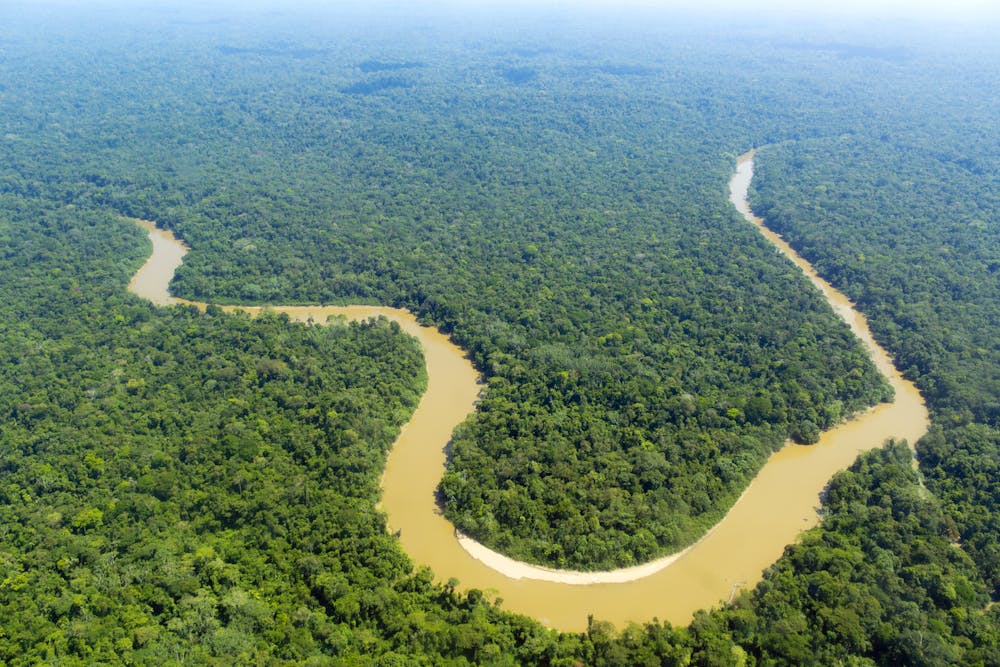
The Amazon has endured 5.5 more heatwave days per decade since 1950. Shutterstock

Like nothing we’ve experienced before

While the devastating impacts of heatwaves are clear, it has been difficult to consistently measure changes in heatwaves across the globe. Previous studies have assessed regional heatwave trends, but data constraints and the spectrum of different heatwave metrics available have made it hard to compare regional changes in heatwaves.

Our study has closed this gap, and clearly shows heatwaves are on the rise. We are seeing more of them and they are generating more heat at an increasing pace.

While Australia may be no stranger to heatwaves in the past, those we see in the future under these accelerating trends will certainly be foreign.

For example, a 2014 study found that depending on where you are in Australia, anywhere between 15 and 50 extra heatwave days will occur by 2100 compared to the second half of the 20th century.

We can still abate those trends if we work collectively, effectively and urgently to reduce our greenhouse gas emissions.

Sarah Perkins-Kirkpatrick, ARC Future Fellow, UNSW

This article is republished from The Conversation under a Creative Commons license. Read the original article.


Tags: SB001
DMCA.com Protection Status

SUBSCRIBE to our NEWSLETTER

[mc4wp_form id=”2384248″]

Don't Miss

The evolution of Aesthetic Surgery through the lens of Dr Kourosh Tavakoli

by Pauline Torongo
4 December 2025
The evolution of Aesthetic Surgery through the lens of Dr. Kourosh Tavakoli
Health & Wellness

As global interest in Australian cosmetic surgery continues to grow, the combination of regulation, research and emerging digital tools is...

Read moreDetails

Ryan: Building real freedom through e-commerce

by Pauline Torongo
27 November 2025
Ryan: Building real freedom through e-commerce
Business & Finance

Ryan’s greatest achievement isn’t any single business or revenue milestone — it’s the ecosystem he’s built through the Change community.

Read moreDetails

Design Australia Group: Redefining Drafting as the engine of housing growth

by Pauline Torongo
26 November 2025
Design Australia Group: Redefining Drafting as the engine of housing growth
Business & Finance

Australia is under pressure to build homes faster, but design bottlenecks slow progress. Design Australia Group is fixing this by...

Read moreDetails

Louis Guy Detata builds Global Trading Empires through autonomous systems and disciplined leadership

by Pauline Torongo
25 November 2025
Louis Guy Detata builds Global Trading Empires through autonomous systems and disciplined leadership
Business & Finance

The path from investment banking to leading a global trading platform has taught Louis Detata that sustainable success requires more...

Read moreDetails

Burning Eucalyptus Wood: Tips, Advantages, Disadvantages & Alternatives

by Fazila Olla-Logday
20 November 2025
Image Supplied
Enviroment

Learn about burning eucalyptus wood for stoves and fireplaces. Discover benefits, drawbacks, harvesting tips, and better alternative firewood options for...

Read moreDetails

Everything Parents Need to Know About Baby Soft Play and Why It’s a Game Changer

by Fazila Olla-Logday
11 November 2025
Everything Parents Need to Know About Baby Soft Play
Health & Wellness

Baby soft play is a fun, safe, and educational way for little ones to explore and grow. Discover the benefits...

Read moreDetails

WOMAD Sets Up a New Camp in Wiltshire – Australian festival fans take note!

by Kris Griffiths
11 November 2025
Kumbia Boruka brought their reggae and dancehall flavour to the Taste the World Stage at WOMAD 2024 - Credit - Mike Massaro
Entertainment

With its 2026 edition moving to Neston Park in England, WOMAD offers Aussie music lovers a chance to reconnect with global...

Read moreDetails
Load More

Copyright © Blue Sky Publications Ltd. All Rights Reserved.
australiantimes.co.uk is a division of Blue Sky Publications Ltd. Reproduction without permission prohibited. DMCA.com Protection Status

  • About us
  • Write for Us
  • Advertise
  • Contact us
  • T&Cs, Privacy and GDPR
No Result
View All Result
  • News
    • Weather
    • Sport
    • Technology
    • Business & Finance
      • Currency Zone
    • Lotto Results
      • The Lott
  • Lifestyle
    • Entertainment
    • Horoscopes
    • Health & Wellness
    • Recipes
  • Travel
  • Expat Life
  • Move to Australia

Copyright © Blue Sky Publications Ltd. All Rights Reserved.
australiantimes.co.uk is a division of Blue Sky Publications Ltd. Reproduction without permission prohibited. DMCA.com Protection Status

No Result
View All Result
  • News
    • Weather
    • Sport
    • Technology
    • Business & Finance
      • Currency Zone
    • Lotto Results
      • The Lott
  • Lifestyle
    • Entertainment
    • Horoscopes
    • Health & Wellness
    • Recipes
  • Travel
  • Expat Life
  • Move to Australia

Copyright © Blue Sky Publications Ltd. All Rights Reserved.
australiantimes.co.uk is a division of Blue Sky Publications Ltd. Reproduction without permission prohibited. DMCA.com Protection Status





