

• Advertise
  • About us
  • Terms and Conditions
  • Contact us
Saturday, December 6, 2025
Australian Times News
  • News
    • Weather
    • Sport
    • Technology
    • Business & Finance
      • Currency Zone
    • Lotto Results
      • The Lott
  • Lifestyle
    • Entertainment
    • Horoscopes
    • Health & Wellness
    • Recipes
  • Travel
  • Expat Life
  • Move to Australia
No Result
View All Result
  • News
    • Weather
    • Sport
    • Technology
    • Business & Finance
      • Currency Zone
    • Lotto Results
      • The Lott
  • Lifestyle
    • Entertainment
    • Horoscopes
    • Health & Wellness
    • Recipes
  • Travel
  • Expat Life
  • Move to Australia
No Result
View All Result
Australian Times News
No Result
View All Result
Home News

Number of Australia’s vulnerable children is set to double as COVID-19 takes its toll

Three quarters of a million Australian children are likely to be experiencing employment stress in the family

The Conversation by The Conversation
07-06-2020 09:17
in News
Australia’s vulnerable children

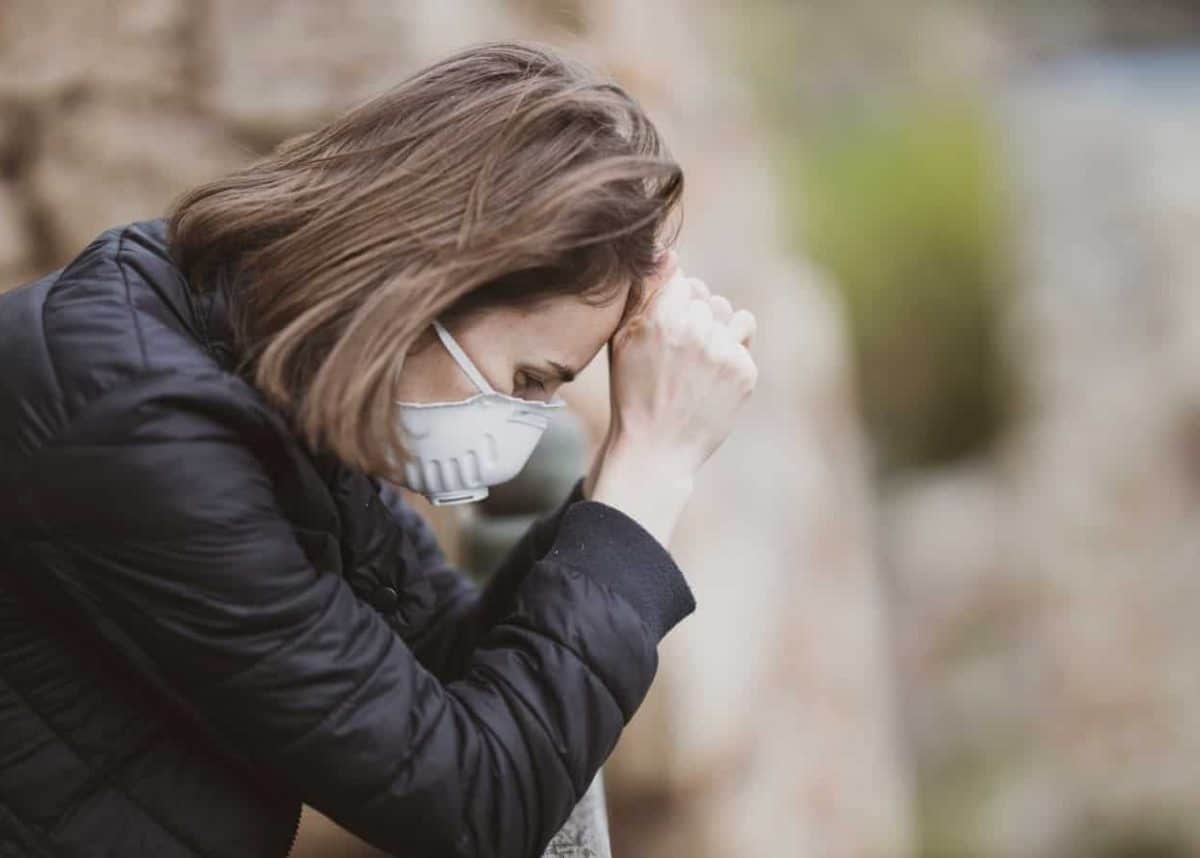
Australia’s vulnerable children Photo by engin akyurt on Unsplash

Kate Noble, Victoria University; Peter Hurley, Victoria University, and Sergio Macklin, Victoria University

Three quarters of a million Australian children are likely to be experiencing employment stress in the family as a result of COVID-19. This is on top of around 615,000 children whose families were already dealing with employment stress, whose situation may have worsened.

Latest figures from the Australian Bureau of Statistics show 2.7 million people left their job or had their hours reduced between March and April. This means the jobs crisis is affecting 1.4 million Australian children, according to new modelling from the Mitchell Institute.
Shutterstock

The stress and anxiety facing parents who have lost their jobs, coupled with social isolation and educational disruption, are likely to put many children at a significantly higher risk of poorer education and health outcomes.

Financial stress affects healthy development

A family’s socio-economic status is the biggest factor influencing children’s educational opportunities in Australia. Research by the Mitchell Institute has found children from struggling families are 10-20% more likely to be missing key educational milestones compared with their peers.


Children in families experiencing job loss are more like to start school developmentally vulnerable, to repeat a grade, to leave school early and may be less likely to attend university.

As stress in the home increases, children and young people’s health and well-being often suffers too. Extreme employment stress, for example in jobless households, can compromise the quality of parenting and home environments. Providing basic necessities can be challenging, and lead to poorer child nutrition.


AlsoRead...

Ryan: Building real freedom through e-commerce

Ryan: Building real freedom through e-commerce

27 November 2025
Design Australia Group: Redefining Drafting as the engine of housing growth

Design Australia Group: Redefining Drafting as the engine of housing growth

26 November 2025

Health and well-being issues caused by the crisis may undermine young people’s learning and efforts to reengage with school. Young people who don’t receive a good education are more likely to have poor longterm health outcomes.

Preschools and schools can help children recover

With schools and preschools now resuming something close to normal operations, it’s time to shift our collective focus from how we deliver education remotely, to how we support a huge newly vulnerable population of students.

Many students will benefit by simply resuming learning and socialising at their preschool or school. Others will find life returns to normal as their parents return to work or find a new job, and their families regain financial security.

But previous recessions tell us recovery may be slow. For some parents, unemployment and underemployment will be prolonged, leaving many children, including some who were never previously considered vulnerable, at risk.

Teachers have shown agility, resilience and skill in the face of COVID-19. But preschools and schools aren’t equipped to deal with the huge upsurge in student vulnerability, on top of the upheaval of COVID-19.

Here’s what needs to happen

The Australian government has made childcare free for parents as part of a temporary relief package, but that policy is under review.

Governments must ensure children and families aren’t locked out of early education because they can’t afford it. Ensuring access is critical for children’s learning and development, as well as economic recovery through parental workforce participation.

Along with an emphasis on academic learning and re-engaging students with school routines, school children would benefit from an increased focus on health and well-being in schools. Supporting students to reconnect socially and build their own resilience will improve academic learning and should be central to schools’ efforts.

Links between schools and external social and health services also need to be strengthened to support children of all ages. Many of the issues that need to be addressed to reduce student vulnerability occur at home and in the community, requiring targeted and expert care from a range of non-school service providers.

Dedicated well-being staff could be employed in schools to facilitate these connections, and drive schools’ focus on health and well-being.

Senior secondary students face a high risk of disengagement from education as a result of disruption and parental unemployment. Prior to COVID-19, the cost of leaving school early was calculated at around $A900 million per year, per cohort. Helping students remain in education is critical to improving health and employment outcomes later in life.

Current funding arrangements will not enable preschools and schools to adequately respond to this unprecedented situation. Investing in prevention and outreach now is vastly more effective than dealing with the fallout later.

Kate Noble, Education Policy Fellow, Mitchell Institute, Victoria University; Peter Hurley, Policy Fellow, Mitchell Institute, Victoria University, and Sergio Macklin, Deputy Lead of Education Policy, Mitchell Institute, Victoria University

This article is republished from The Conversation under a Creative Commons license. Read the original article.


Tags: SB001
DMCA.com Protection Status

SUBSCRIBE to our NEWSLETTER

[mc4wp_form id=”2384248″]

Don't Miss

The evolution of Aesthetic Surgery through the lens of Dr Kourosh Tavakoli

by Pauline Torongo
4 December 2025
The evolution of Aesthetic Surgery through the lens of Dr. Kourosh Tavakoli
Health & Wellness

As global interest in Australian cosmetic surgery continues to grow, the combination of regulation, research and emerging digital tools is...

Read moreDetails

Ryan: Building real freedom through e-commerce

by Pauline Torongo
27 November 2025
Ryan: Building real freedom through e-commerce
Business & Finance

Ryan’s greatest achievement isn’t any single business or revenue milestone — it’s the ecosystem he’s built through the Change community.

Read moreDetails

Design Australia Group: Redefining Drafting as the engine of housing growth

by Pauline Torongo
26 November 2025
Design Australia Group: Redefining Drafting as the engine of housing growth
Business & Finance

Australia is under pressure to build homes faster, but design bottlenecks slow progress. Design Australia Group is fixing this by...

Read moreDetails

Louis Guy Detata builds Global Trading Empires through autonomous systems and disciplined leadership

by Pauline Torongo
25 November 2025
Louis Guy Detata builds Global Trading Empires through autonomous systems and disciplined leadership
Business & Finance

The path from investment banking to leading a global trading platform has taught Louis Detata that sustainable success requires more...

Read moreDetails

Burning Eucalyptus Wood: Tips, Advantages, Disadvantages & Alternatives

by Fazila Olla-Logday
20 November 2025
Image Supplied
Enviroment

Learn about burning eucalyptus wood for stoves and fireplaces. Discover benefits, drawbacks, harvesting tips, and better alternative firewood options for...

Read moreDetails

Everything Parents Need to Know About Baby Soft Play and Why It’s a Game Changer

by Fazila Olla-Logday
11 November 2025
Everything Parents Need to Know About Baby Soft Play
Health & Wellness

Baby soft play is a fun, safe, and educational way for little ones to explore and grow. Discover the benefits...

Read moreDetails

WOMAD Sets Up a New Camp in Wiltshire – Australian festival fans take note!

by Kris Griffiths
11 November 2025
Kumbia Boruka brought their reggae and dancehall flavour to the Taste the World Stage at WOMAD 2024 - Credit - Mike Massaro
Entertainment

With its 2026 edition moving to Neston Park in England, WOMAD offers Aussie music lovers a chance to reconnect with global...

Read moreDetails
Load More

Copyright © Blue Sky Publications Ltd. All Rights Reserved.
australiantimes.co.uk is a division of Blue Sky Publications Ltd. Reproduction without permission prohibited. DMCA.com Protection Status

  • About us
  • Write for Us
  • Advertise
  • Contact us
  • T&Cs, Privacy and GDPR
No Result
View All Result
  • News
    • Weather
    • Sport
    • Technology
    • Business & Finance
      • Currency Zone
    • Lotto Results
      • The Lott
  • Lifestyle
    • Entertainment
    • Horoscopes
    • Health & Wellness
    • Recipes
  • Travel
  • Expat Life
  • Move to Australia

Copyright © Blue Sky Publications Ltd. All Rights Reserved.
australiantimes.co.uk is a division of Blue Sky Publications Ltd. Reproduction without permission prohibited. DMCA.com Protection Status

No Result
View All Result
  • News
    • Weather
    • Sport
    • Technology
    • Business & Finance
      • Currency Zone
    • Lotto Results
      • The Lott
  • Lifestyle
    • Entertainment
    • Horoscopes
    • Health & Wellness
    • Recipes
  • Travel
  • Expat Life
  • Move to Australia

Copyright © Blue Sky Publications Ltd. All Rights Reserved.
australiantimes.co.uk is a division of Blue Sky Publications Ltd. Reproduction without permission prohibited. DMCA.com Protection Status





