

• Advertise
  • About us
  • Terms and Conditions
  • Contact us
Saturday, December 6, 2025
Australian Times News
  • News
    • Weather
    • Sport
    • Technology
    • Business & Finance
      • Currency Zone
    • Lotto Results
      • The Lott
  • Lifestyle
    • Entertainment
    • Horoscopes
    • Health & Wellness
    • Recipes
  • Travel
  • Expat Life
  • Move to Australia
No Result
View All Result
  • News
    • Weather
    • Sport
    • Technology
    • Business & Finance
      • Currency Zone
    • Lotto Results
      • The Lott
  • Lifestyle
    • Entertainment
    • Horoscopes
    • Health & Wellness
    • Recipes
  • Travel
  • Expat Life
  • Move to Australia
No Result
View All Result
Australian Times News
No Result
View All Result
Home News

Money for social housing, not home buyers grants, is the key to construction stimulus

Australia's construction industry is facing tough times

The Conversation by The Conversation
01-06-2020 18:13
in News
Money for social housing

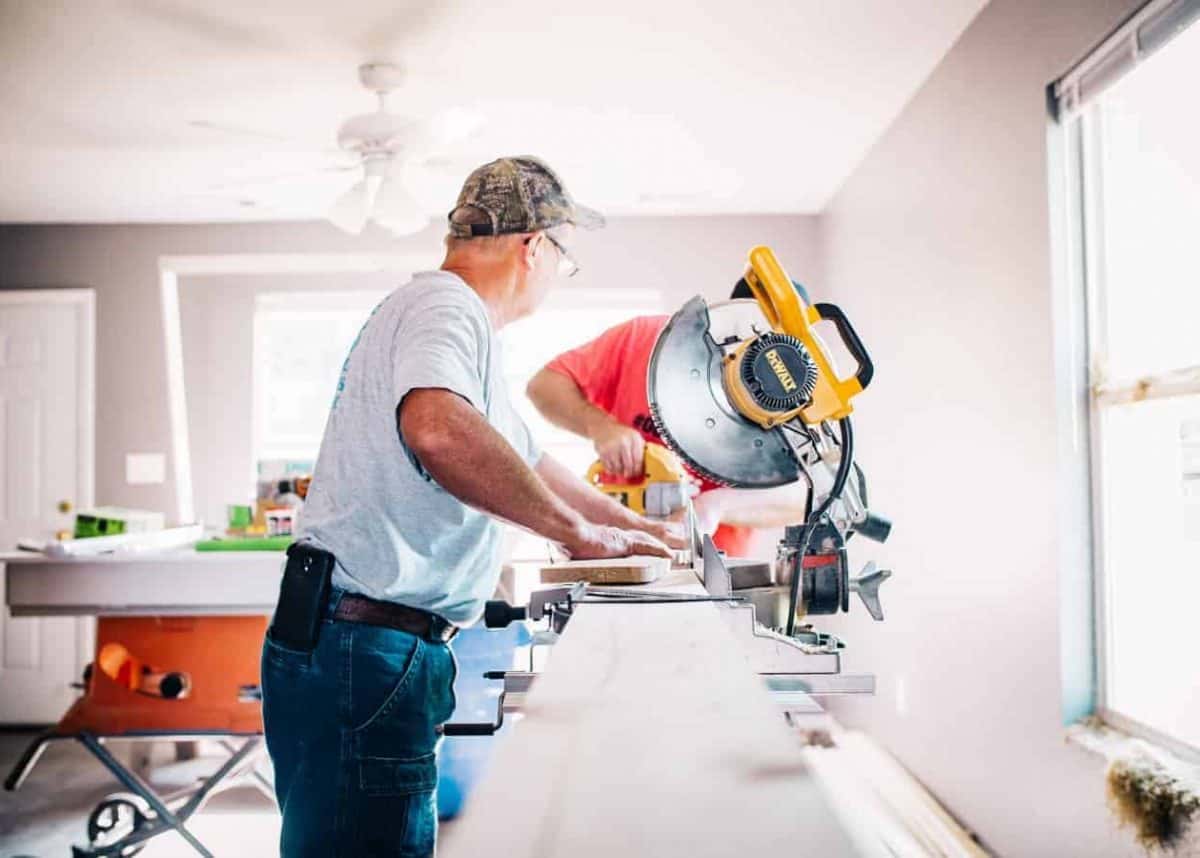
Money for social housing Photo by Annie Gray on Unsplash

Brendan Coates, Grattan Institute

There’s no doubt Australia’s construction industry is facing tough times. COVID-19 has caused migration to slow to a trickle. Some 2.6 million Australians have either lost their jobs or had their hours cut in the past two months. Many economists expect property prices to fall.

It all adds up to fewer homes being built in the coming months. That means fewer jobs in the construction industry, which employs nearly one in 10 Australians. The sector has already lost nearly 7% of its workforce since March.

The Morrison Government is set to anounce a stimulus package for the construction sector as soon as this week. But what should it include?

More home-buyer grants on the way

The federal government has signalled it will offer cash grants of at least A$20,000 to buyers of newly built homes. Unlike past schemes that have targeted first home buyers, it seems these new grants will be available to everyone including upsizers and investors. Grants may also be extended to renovations.

Large handouts would prompt some more residential construction by encouraging some people to bring forward their home purchases. It’s why in 2008 the Rudd government tripled the first home buyer grant to A$21,000 for new homes in response to the Global Financial Crisis.

But under such schemes, governments also end up giving grants to people who would have bought a home anyway. Even the more pessimistic industry forecasts expect 110,000 homes to be built in Australia next year. Giving A$20,000 to all of these home buyers would cost A$2.2 billion without adding a single construction job. Grants of A$40,000 would double the bill.


AlsoRead...

Ryan: Building real freedom through e-commerce

Ryan: Building real freedom through e-commerce

27 November 2025
Design Australia Group: Redefining Drafting as the engine of housing growth

Design Australia Group: Redefining Drafting as the engine of housing growth

26 November 2025

That’s a lot of spending for little economic gain.

Nor do grants to home buyers actually make housing more affordable. They are typically passed through into higher house prices, which benefits sellers more than buyers. In this case, that is likely to include developers eager to clear their existing stock of both newly and nearly built homes.

Cash grants for renovations would likely hit the economy quicker since they don’t necessarily require building approvals. But they bring their own problems. Grants will likely see in-demand tradies raise their prices, especially if the government is effectively paying for most of the work done. It will be also be harder for officials administering the scheme to determine if the work has been done before paying out the money.

Nor is it clear the renovation sector needs further stimulus: reports suggest COVID-19 is driving a renovation boom across many parts of Australia. Research by credit bureau Illion and economic consultancy AlphaBeta shows spending on home improvements is already 33% higher than pre-COVID levels.

There’s a better option

There’s a better way to support residential construction without providing such big windfalls to developers: fund the building of more social housing.

Social housing – where rents are typically capped at no more than 30% of household income – provides a safety net to vulnerable Australians.

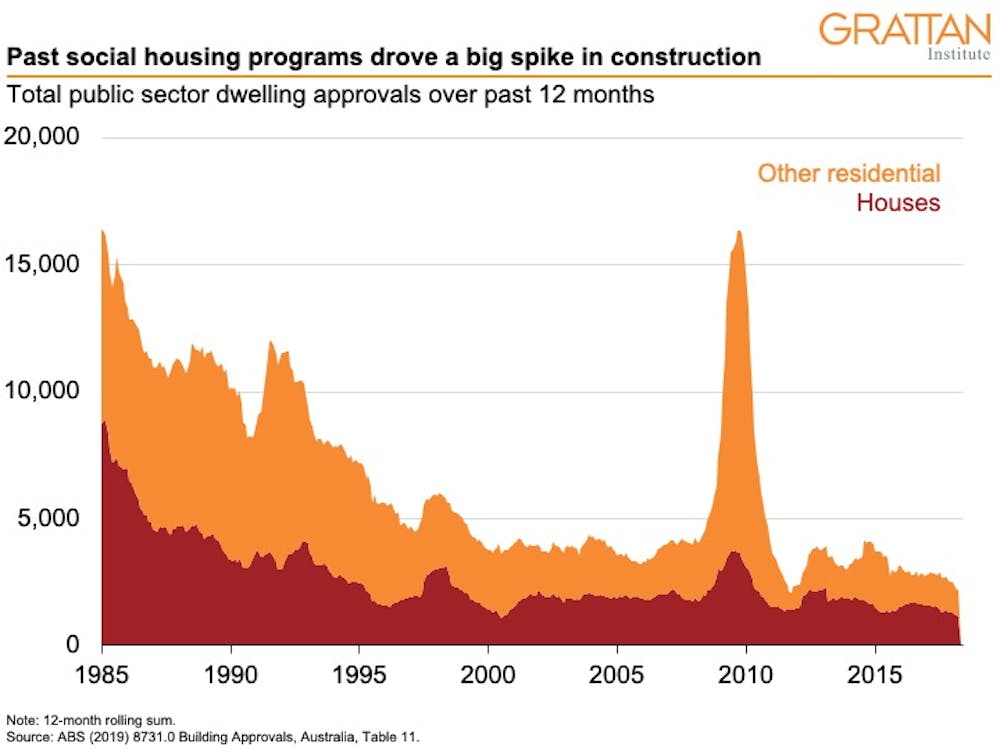
In particular, the Morrison government should repeat another GFC-era policy, the Social Housing Initiative, under which 19,500 social housing units were built and another 80,000 refurbished over two years, at a cost of A$5.2 billion.

Under the initiative the federal government funded the states to build social housing units directly or contract community housing providers to act as housing developers

Public residential construction approvals spiked within months of the announcement.


Building 30,000 new social housing units today would cost between A$10 billion an A$15 billion. Because state governments and community housing providers won’t have to worry about finance, marketing and sales, they’ll be able to get to work building homes much quicker than the private sector.

The boost to the economy would be pretty immediate.

Just as important, building social housing would also help tackle the growing scourge of homelessness. At the most recent Census (2016), more than 116,000 people were homeless, up from 90,000 a decade earlier. COVID-19 has shown us that if we let people live in unhealthy conditions it can help spread disease – affecting everybody’s health.

The drivers of homelessness are complex. Nonetheless the best Australian evidence and international experience shows social housing substantially reduces tenants’ risk of homelessness. But Australia’s stagnating social housing stock means there is little “flow” of social housing available for people whose lives take a big turn for the worse.

Funding social housing won’t boost house prices or provide windfalls for developers. It will do more to keep construction workers on the job, while also helping some of our most vulnerable Australians.

Brendan Coates, Program Director, Household Finances, Grattan Institute

This article is republished from The Conversation under a Creative Commons license. Read the original article.


Tags: SB001
DMCA.com Protection Status

SUBSCRIBE to our NEWSLETTER

[mc4wp_form id=”2384248″]

Don't Miss

The evolution of Aesthetic Surgery through the lens of Dr Kourosh Tavakoli

by Pauline Torongo
4 December 2025
The evolution of Aesthetic Surgery through the lens of Dr. Kourosh Tavakoli
Health & Wellness

As global interest in Australian cosmetic surgery continues to grow, the combination of regulation, research and emerging digital tools is...

Read moreDetails

Ryan: Building real freedom through e-commerce

by Pauline Torongo
27 November 2025
Ryan: Building real freedom through e-commerce
Business & Finance

Ryan’s greatest achievement isn’t any single business or revenue milestone — it’s the ecosystem he’s built through the Change community.

Read moreDetails

Design Australia Group: Redefining Drafting as the engine of housing growth

by Pauline Torongo
26 November 2025
Design Australia Group: Redefining Drafting as the engine of housing growth
Business & Finance

Australia is under pressure to build homes faster, but design bottlenecks slow progress. Design Australia Group is fixing this by...

Read moreDetails

Louis Guy Detata builds Global Trading Empires through autonomous systems and disciplined leadership

by Pauline Torongo
25 November 2025
Louis Guy Detata builds Global Trading Empires through autonomous systems and disciplined leadership
Business & Finance

The path from investment banking to leading a global trading platform has taught Louis Detata that sustainable success requires more...

Read moreDetails

Burning Eucalyptus Wood: Tips, Advantages, Disadvantages & Alternatives

by Fazila Olla-Logday
20 November 2025
Image Supplied
Enviroment

Learn about burning eucalyptus wood for stoves and fireplaces. Discover benefits, drawbacks, harvesting tips, and better alternative firewood options for...

Read moreDetails

Everything Parents Need to Know About Baby Soft Play and Why It’s a Game Changer

by Fazila Olla-Logday
11 November 2025
Everything Parents Need to Know About Baby Soft Play
Health & Wellness

Baby soft play is a fun, safe, and educational way for little ones to explore and grow. Discover the benefits...

Read moreDetails

WOMAD Sets Up a New Camp in Wiltshire – Australian festival fans take note!

by Kris Griffiths
11 November 2025
Kumbia Boruka brought their reggae and dancehall flavour to the Taste the World Stage at WOMAD 2024 - Credit - Mike Massaro
Entertainment

With its 2026 edition moving to Neston Park in England, WOMAD offers Aussie music lovers a chance to reconnect with global...

Read moreDetails
Load More

Copyright © Blue Sky Publications Ltd. All Rights Reserved.
australiantimes.co.uk is a division of Blue Sky Publications Ltd. Reproduction without permission prohibited. DMCA.com Protection Status

  • About us
  • Write for Us
  • Advertise
  • Contact us
  • T&Cs, Privacy and GDPR
No Result
View All Result
  • News
    • Weather
    • Sport
    • Technology
    • Business & Finance
      • Currency Zone
    • Lotto Results
      • The Lott
  • Lifestyle
    • Entertainment
    • Horoscopes
    • Health & Wellness
    • Recipes
  • Travel
  • Expat Life
  • Move to Australia

Copyright © Blue Sky Publications Ltd. All Rights Reserved.
australiantimes.co.uk is a division of Blue Sky Publications Ltd. Reproduction without permission prohibited. DMCA.com Protection Status

No Result
View All Result
  • News
    • Weather
    • Sport
    • Technology
    • Business & Finance
      • Currency Zone
    • Lotto Results
      • The Lott
  • Lifestyle
    • Entertainment
    • Horoscopes
    • Health & Wellness
    • Recipes
  • Travel
  • Expat Life
  • Move to Australia

Copyright © Blue Sky Publications Ltd. All Rights Reserved.
australiantimes.co.uk is a division of Blue Sky Publications Ltd. Reproduction without permission prohibited. DMCA.com Protection Status





