

• Advertise
  • About us
  • Terms and Conditions
  • Contact us
Saturday, December 6, 2025
Australian Times News
  • News
    • Weather
    • Sport
    • Technology
    • Business & Finance
      • Currency Zone
    • Lotto Results
      • The Lott
  • Lifestyle
    • Entertainment
    • Horoscopes
    • Health & Wellness
    • Recipes
  • Travel
  • Expat Life
  • Move to Australia
No Result
View All Result
  • News
    • Weather
    • Sport
    • Technology
    • Business & Finance
      • Currency Zone
    • Lotto Results
      • The Lott
  • Lifestyle
    • Entertainment
    • Horoscopes
    • Health & Wellness
    • Recipes
  • Travel
  • Expat Life
  • Move to Australia
No Result
View All Result
Australian Times News
No Result
View All Result
Home News

New Zealand government ignores expert advice in its plan to improve water quality in rivers and lakes

New Zealand’s government has been praised for listening to health experts in its pandemic response, but when it comes to dealing with pollution of the country’s waterways, scientific advice seems less important

The Conversation by The Conversation
29-05-2020 02:05
in News
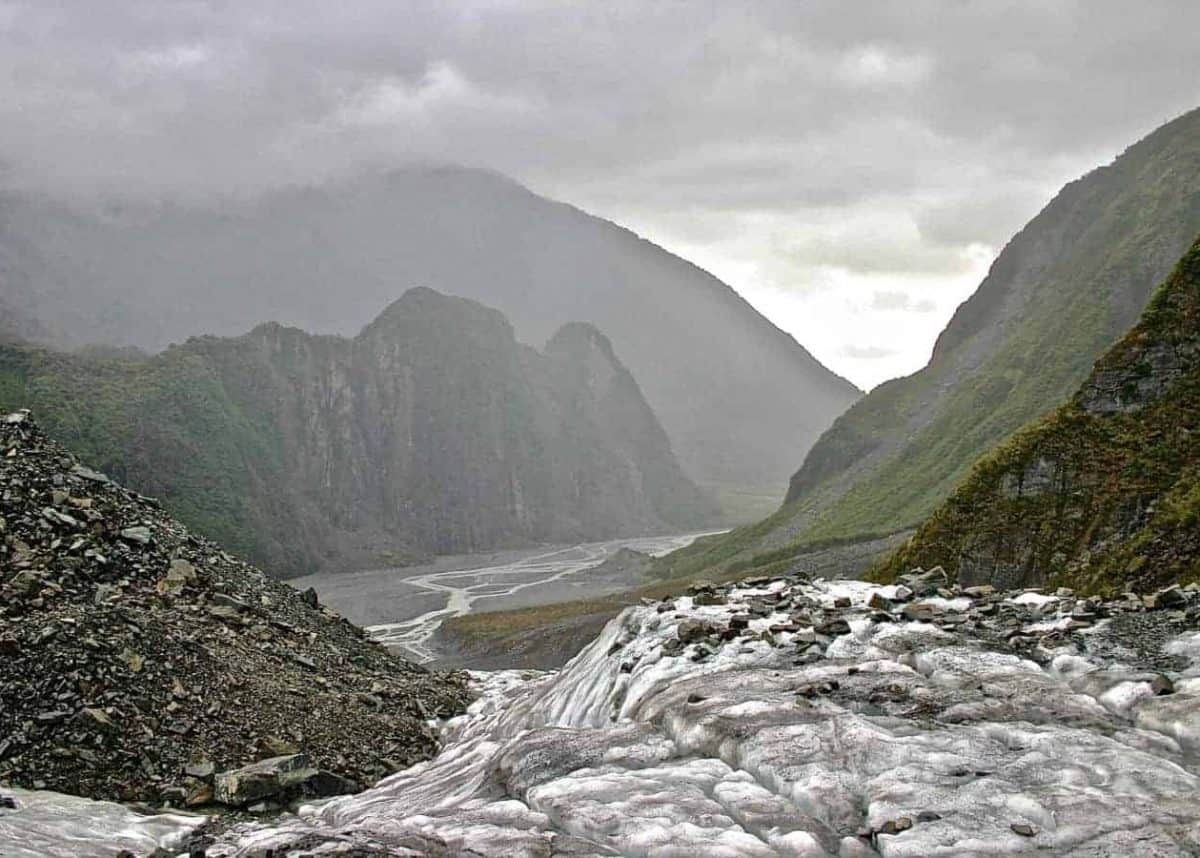
New Zealand water quality in rivers and lakes

New Zealand water quality in rivers and lakes Photo by James Lee on Unsplash

Michael (Mike) Joy, Te Herenga Waka — Victoria University of Wellington

Today, the government released a long-awaited NZ$700 million package to address freshwater pollution. The new rules include higher standards around cleanliness of swimming spots, set controls for some farming practices and how much synthetic fertiliser is used, and require mandatory and enforceable farm environment plans.

But the package is flawed. It does not include any measurable limits on key nutrients (such as nitrogen and phosphorus) and the rules’ implementation is left to regional authorities. Over the 30 years they have been managing the environment, the health of lakes and rivers has continued to decline.

For full disclosure, I was part of the 18-person science technical advisory group that made the recommendations. Despite more than a year of consultation and evidence-based science, the government has deferred or ignored our advice on introducing measurable limits on nitrogen and phosphorus.
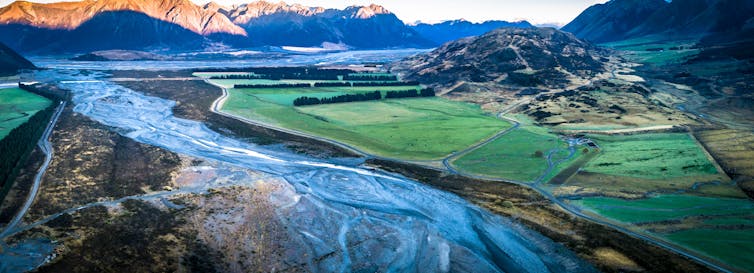
Tracey McNamara/Shutterstock

Waterways in decline

The declining state of rivers, lakes and wetlands was the most important environmental issue for 80% of New Zealanders in a recent survey. It was also an election issue in 2017, so there was a clear mandate for significant change.

But despite years of work from government appointed expert panels, including the technical advisory group I was part of, the Māori freshwater forum Kahui Wai Māori and the Freshwater Leaders groups, crucial advice was ignored.


AlsoRead...

Ryan: Building real freedom through e-commerce

Ryan: Building real freedom through e-commerce

27 November 2025
Design Australia Group: Redefining Drafting as the engine of housing growth

Design Australia Group: Redefining Drafting as the engine of housing growth

26 November 2025

The technical advisory group, supported by research, was unequivocal that specific nitrogen and phosphorus limits are necessary to protect the quality of people’s drinking water and the ecological health of waterways.

The proposed nutrient limits were key to achieving real change, and far from being extreme, would have brought New Zealand into line with the rest of the world. For example, in China, the limit for nitrogen in rivers is 1 milligram per litre – the same limit as our technical advisory group recommended. In New Zealand, 85% of waterways in pasture catchments (which make up half of the country’s waterways, if measured by length) now exceed nitrate limit guidelines.

Instead, Minister for the Environment David Parker decided to postpone this discussion by another year – meaning New Zealand will continue to lag other nations in having clear, enforceable nutrient limits.

This delay will inevitably result in a continued decline of water quality, with a corresponding decline in a suite of ecological, cultural, social and economic values a healthy environment could support.

The government’s package includes a cap on the use of nitrogen fertiliser. Alexey Stiop/Shutterstock

Capping use of nitrogen fertiliser

The other main policy the expert panels pushed for was a cap on the use of nitrogen fertiliser. This was indeed part of the announcement, which is a positive and important step forward. But the cap is set at 190kg per hectare per year, which is too high. This is like telling someone they should reduce smoking from three to two and a half packets a day to be healthier.

I believe claims from the dairy industry that the tightening of environmental standards for freshwater would threaten New Zealand’s economic recovery are exaggerated. They also ignore the fact clean water and a healthy environment provide the foundation for our current and future economic well-being.

And they fly in the face of modelling by the Ministry for the Environment, which shows implementation of freshwater reforms would save NZ$3.8 billion.

Excess nitrogen is not just an issue for ecosystem health. Nitrate (which forms when nitrogen combines with oxygen) in drinking water has been linked to colon cancer, which is disproportionately high in many parts of New Zealand.

The New Zealand College of Public Health Medicine and the Hawkes Bay district health board both made submissions calling for a nitrate limit in rivers and aquifers to protect people’s health – at the same level the technical advisory group recommended to protect ecosystems.

Our dependence on synthetic nitrogen fertiliser is unsustainable, and it is adding to New Zealand’s greenhouse gas footprint through nitrous oxide emissions. There is growing evidence farmers can make more profit by reducing their use of artificial fertilisers.

Continued use will only further degrade soils across productive landscapes and reduce the farming sector’s resilience in a changing climate.

The irony is that for a century, New Zealand produced milk without synthetic nitrogen fertiliser. Instead, farmers grew clover which converts nitrogen from the air. If we want to strive for better water quality for future generations, we need to front up to the unsustainable use of artificial fertiliser and seek more regenerative farming practices.

Michael (Mike) Joy, Senior Researcher; Institute for Governance and Policy Studies, Te Herenga Waka — Victoria University of Wellington

This article is republished from The Conversation under a Creative Commons license. Read the original article.


Tags: SB001
DMCA.com Protection Status

SUBSCRIBE to our NEWSLETTER

[mc4wp_form id=”2384248″]

Don't Miss

The evolution of Aesthetic Surgery through the lens of Dr Kourosh Tavakoli

by Pauline Torongo
4 December 2025
The evolution of Aesthetic Surgery through the lens of Dr. Kourosh Tavakoli
Health & Wellness

As global interest in Australian cosmetic surgery continues to grow, the combination of regulation, research and emerging digital tools is...

Read moreDetails

Ryan: Building real freedom through e-commerce

by Pauline Torongo
27 November 2025
Ryan: Building real freedom through e-commerce
Business & Finance

Ryan’s greatest achievement isn’t any single business or revenue milestone — it’s the ecosystem he’s built through the Change community.

Read moreDetails

Design Australia Group: Redefining Drafting as the engine of housing growth

by Pauline Torongo
26 November 2025
Design Australia Group: Redefining Drafting as the engine of housing growth
Business & Finance

Australia is under pressure to build homes faster, but design bottlenecks slow progress. Design Australia Group is fixing this by...

Read moreDetails

Louis Guy Detata builds Global Trading Empires through autonomous systems and disciplined leadership

by Pauline Torongo
25 November 2025
Louis Guy Detata builds Global Trading Empires through autonomous systems and disciplined leadership
Business & Finance

The path from investment banking to leading a global trading platform has taught Louis Detata that sustainable success requires more...

Read moreDetails

Burning Eucalyptus Wood: Tips, Advantages, Disadvantages & Alternatives

by Fazila Olla-Logday
20 November 2025
Image Supplied
Enviroment

Learn about burning eucalyptus wood for stoves and fireplaces. Discover benefits, drawbacks, harvesting tips, and better alternative firewood options for...

Read moreDetails

Everything Parents Need to Know About Baby Soft Play and Why It’s a Game Changer

by Fazila Olla-Logday
11 November 2025
Everything Parents Need to Know About Baby Soft Play
Health & Wellness

Baby soft play is a fun, safe, and educational way for little ones to explore and grow. Discover the benefits...

Read moreDetails

WOMAD Sets Up a New Camp in Wiltshire – Australian festival fans take note!

by Kris Griffiths
11 November 2025
Kumbia Boruka brought their reggae and dancehall flavour to the Taste the World Stage at WOMAD 2024 - Credit - Mike Massaro
Entertainment

With its 2026 edition moving to Neston Park in England, WOMAD offers Aussie music lovers a chance to reconnect with global...

Read moreDetails
Load More

Copyright © Blue Sky Publications Ltd. All Rights Reserved.
australiantimes.co.uk is a division of Blue Sky Publications Ltd. Reproduction without permission prohibited. DMCA.com Protection Status

  • About us
  • Write for Us
  • Advertise
  • Contact us
  • T&Cs, Privacy and GDPR
No Result
View All Result
  • News
    • Weather
    • Sport
    • Technology
    • Business & Finance
      • Currency Zone
    • Lotto Results
      • The Lott
  • Lifestyle
    • Entertainment
    • Horoscopes
    • Health & Wellness
    • Recipes
  • Travel
  • Expat Life
  • Move to Australia

Copyright © Blue Sky Publications Ltd. All Rights Reserved.
australiantimes.co.uk is a division of Blue Sky Publications Ltd. Reproduction without permission prohibited. DMCA.com Protection Status

No Result
View All Result
  • News
    • Weather
    • Sport
    • Technology
    • Business & Finance
      • Currency Zone
    • Lotto Results
      • The Lott
  • Lifestyle
    • Entertainment
    • Horoscopes
    • Health & Wellness
    • Recipes
  • Travel
  • Expat Life
  • Move to Australia

Copyright © Blue Sky Publications Ltd. All Rights Reserved.
australiantimes.co.uk is a division of Blue Sky Publications Ltd. Reproduction without permission prohibited. DMCA.com Protection Status





