The private aviation industry is often perceived as a rich person’s marketplace, a space driven solely by the whims of the ultra-wealthy. But when we look past who’s flying in the fastest private jet, we see that the demand for all types of private jet models is directly connected to global politics and economics. As we move into the final months of the year, several geopolitical trends are providing a boost in the demand for new market sectors, while also working to overhaul the existing ones.
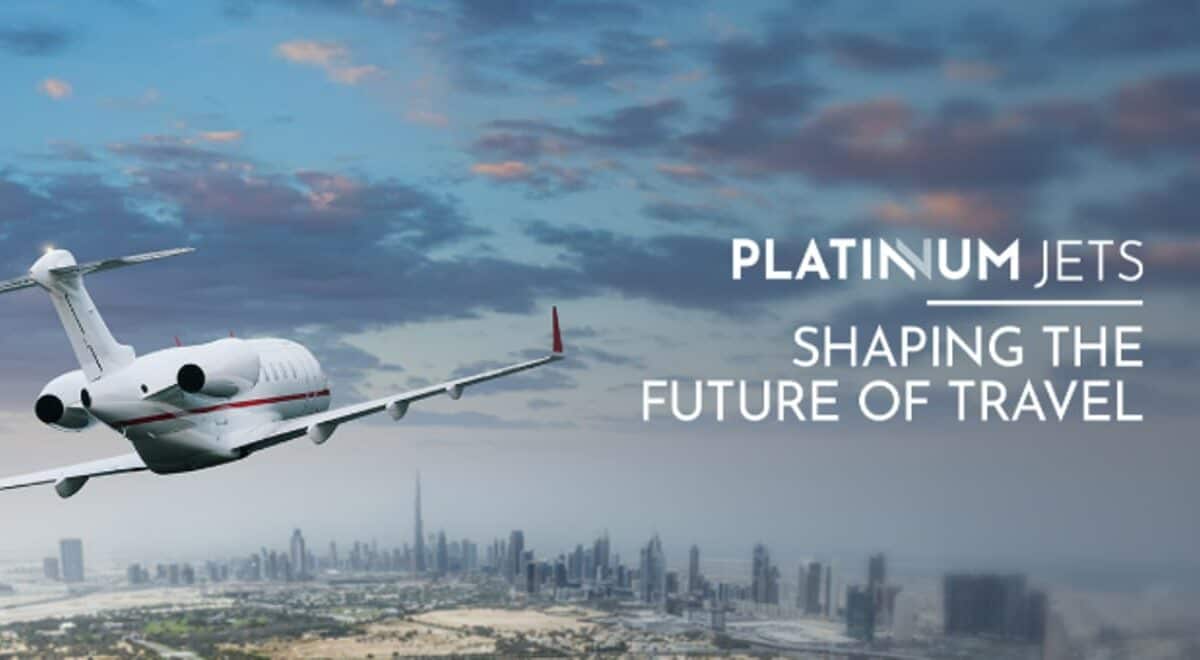
The Middle East has been and will continue to be a hotbed for private aviation services. A land of great wealth, its part-time and full-time residents are driving increases in fleet production and are the driving force behind airport infrastructure investments. If growth in this area hasn’t seemed impressive enough, just wait. Political stability and wealth concentration within this corner of the globe will make long haul private jets and helicopters an increasingly common sight there.
Europe, meanwhile, paints a somewhat different portrait of the private travel industry. What is holding this area back from seeing the same progress seen in the Middle East? Aircraft producers are having to work hard to adhere to the latest environmental regulations. The area has also experienced the passing of luxury travel taxation laws that render this form of travel more expensive. We do know that business travel and luxury travel are two very different things. In the coming year, expect to see European politicians working to clear some of the hurdles associated with private charter flights.
Impressive growth is being seen throughout Asia as new centres of wealth continue to pop up all over the Southeast Asia region. Entrepreneurs and investors within the region are not only using VIP airliners as a status symbol, but also as a practical means of efficiently travelling from place to place. This ability becomes particularly attractive because many regions, particularly within India, contain fragmented and infrastructure-poor markets that make no place for commercial airline endeavours.
Why wait this long to mention the United States? Simply because it is the largest market in the world for private jet travel and has long been so. This does not mean that there is nothing new to report, however. Both private corporate and leisure travel are on the rise, with growing demand only expected to continue to increase in this corner of the world. Inflation and volatile interest rates are expected to limit economic growth in this region, but all arrows point to an expected increase in business and personal use over the foreseeable future.
Currency movements and commodity prices also continue to impact demand. A stronger local currency typically works as a competitive advantage for private charter services in the international market as a whole. An increase in jet fuel prices is driving efficiency efforts on the part of operators, pushing them to pass along these costs to customers in ways that don’t scare off existing and potential customers.
Geopolitical crises are, unfortunately, a strong source of new demand within the private aviation industry. The need for evacuation or other mobility uses typically arises during periods of political tensions and strife. The conflict in Ukraine, the ongoing Israel-Hamas war, and other hotbeds throughout the region have helped to highlight the many ways in which private aviation can be quite beneficial in both good times and bad.


As the winds of change continue to dominate the areas of economics and politics, one thing remains certain. Private jet charters are on the rise, and companies are now scrambling to keep up with the demand. Precisely how the industry works to meet the mobility needs of others will be a huge factor in the industry’s long-term growth potential.