Across neighbourhoods and backyards, something is taking shape: people aren’t just tossing a beat-up rim into a driveway anymore. They’re investing in a hoop that plays, feels, and looks like the real thing. For decades, backyard basketball meant a patched net and wobbling rim. Today’s players, from kids mastering their first layup to adults refining their touch are demanding more from their home setups. What was once a simple pastime has become a serious part of basketball culture, and the hoops themselves are rising to meet that demand.
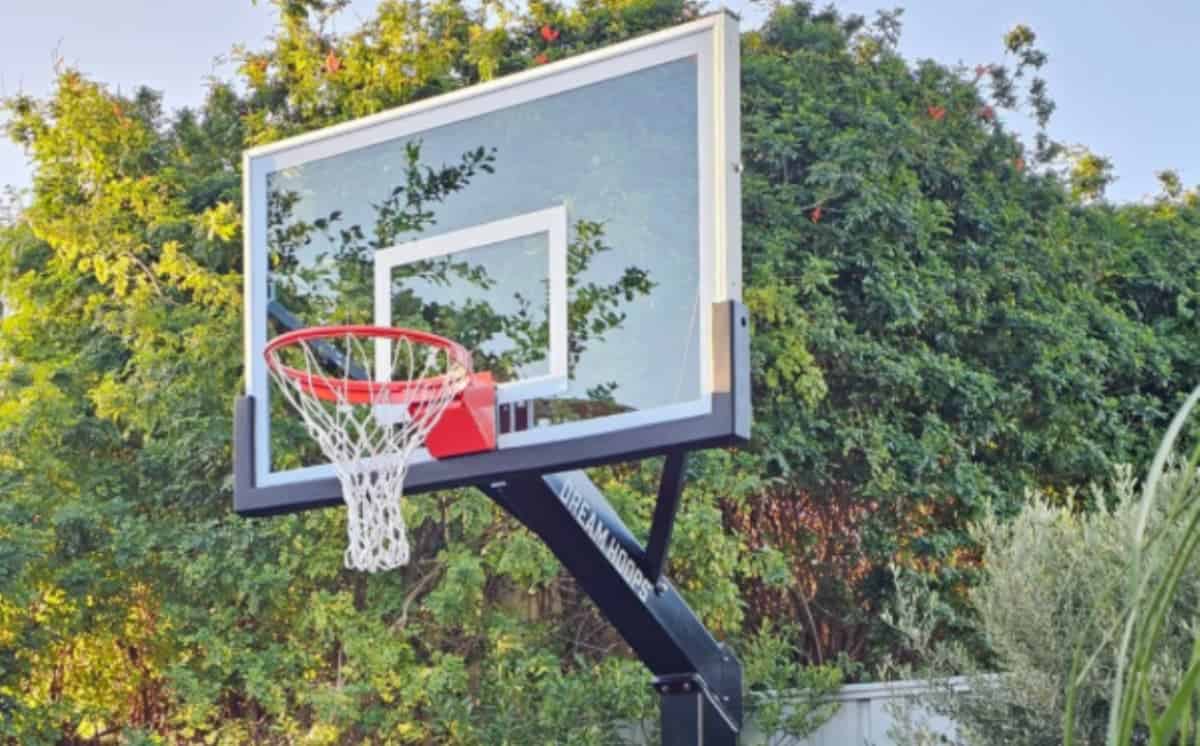
DreamHoops is right in the middle of that evolution. The Australian brand’s Recruit range, especially the Recruit 54 and Recruit 60 model,s has become a beacon for families and athletes who want something that looks and performs closer to a court they’d find in a gym or community centre. These aren’t just backyard accessories; they’re gateways to better play. With tempered glass backboards and fully adjustable systems that handle regulation height, DreamHoops delivers a kind of authenticity that makes a real difference in how players shoot, dribble, and dunk.
There’s an unmistakable energy when a player first steps up to a quality hoop — a shift from casual play to focused effort. The Recruit range brings that energy home, and that’s why communities of players are taking note.
Built for Play, Not Just Display
The Recruit 54 and Recruit 60 represent a level of design and build quality that pushes beyond traditional backyard goals. Both systems feature tempered glass backboards, the same material trusted in professional arenas, that deliver responsive, predictable rebounds. On a cheap hoop, the ball can deaden against plastic or flimsy materials; on these systems, the bounce feels alive, familiar to anyone who’s played on a gym floor.
The Recruit 54 uses a 54-inch glass backboard, tailored for spaces where agile play and compact court setups matter most, while the Recruit 60 expands that real-game feel with a 60-inch size that’s closer to regulation play. That expanded surface gives shooters a bigger target and a truer spin on bank shots.
Height adjustability is another game-changer. Both hoops let users smoothly raise the rim from lower levels, perfect for younger players, all the way up to 10 feet, the official regulation height. This means a young player starting out doesn’t have to graduate to a different hoop as they grow; the system grows with them, building confidence and skill over years of play.
Luke Tadich, founder of DreamCourts and the driving force behind DreamHoops, has been clear about why this matters. “If someone invests in a court, they should have the best hoops and accessories to match. It’s about the total experience,” he said. That philosophy carries through to the Recruit models, where every inch of design is tuned to performance.


From Backyard to Backyard League
Walk into a driveway where a Recruit 54 stands, and you can almost hear the game unfolding. The hoop’s tempered glass backboard reacts like a court-side system, the flex in the rim forgiving for tough dunks yet firm enough for crisp shots. What this does is subtle but powerful: it changes how players engage with the game. Instead of just throwing the ball up and hoping it goes in, players start working on mechanics, arc, and consistency. That’s where practice stops feeling like recreation and starts feeling like improvement.
With the Recruit 60, that effect expands. The larger 60-inch backboard mirrors what kids will see in most school and community courts, which makes the transition between home and organised play smoother. It is about muscle memory, sight lines, and repetition that align with real-world play.
There’s another side to this phenomenon: when quality hoops become part of the neighbourhood, they become gathering points. Families bring out chairs. Kids bring their friends. Even adults who haven’t touched a ball in years find themselves drawn to the backboard. A high-quality hoop elevates the community. That social pull is part of the momentum behind the growth of backyard basketball culture, and it’s why more people add premium systems like the Recruit range to their homes.
Beyond the Rim: A Legacy of Play
DreamHoops didn’t appear overnight. It grew out of a deeper business rooted in building sport surfaces through DreamCourts, the Australian company founded by Luke Tadich. Extending that philosophy into basketball systems felt natural, and it’s one reason the Recruit range resonates with so many.
The brand’s commitment to rugged, all-weather performance also matters. Australia’s climate can be unforgiving on outdoor gear, but DreamHoops uses powder-coated steel frames and rust-resistant hardware to defend against that wear, so the hoops stay truer to their performance over time.
What’s happening now is more than better backyard hoops. It’s a shift in how players value their practice space, how families choose to play together, and how players prepare for organised competition. Quality hoops like the Recruit 54 and Recruit 60 give players a place where improvement feels real, and opportunity feels tangible. That’s why switching to hoops built with performance and playability in mind is a declaration: you want to play better and feel better.