

• Advertise
  • About us
  • Terms and Conditions
  • Contact us
Sunday, December 7, 2025
Australian Times News
  • News
    • Weather
    • Sport
    • Technology
    • Business & Finance
      • Currency Zone
    • Lotto Results
      • The Lott
  • Lifestyle
    • Entertainment
    • Horoscopes
    • Health & Wellness
    • Recipes
  • Travel
  • Expat Life
  • Move to Australia
No Result
View All Result
  • News
    • Weather
    • Sport
    • Technology
    • Business & Finance
      • Currency Zone
    • Lotto Results
      • The Lott
  • Lifestyle
    • Entertainment
    • Horoscopes
    • Health & Wellness
    • Recipes
  • Travel
  • Expat Life
  • Move to Australia
No Result
View All Result
Australian Times News
No Result
View All Result
Home News

Your genetics influence how resilient you are to cold temperatures – new research

Around one in five people lack a muscle protein called alpha-actinin-3 due to a single genetic change in the ACTN3 gene. The absence of alpha-actinin-3 became more common as some modern humans migrated out of Africa and into the colder climates of Europe and Asia. The reasons for this increase have remained unknown until now.

The Conversation by The Conversation
01-03-2021 06:23
in News
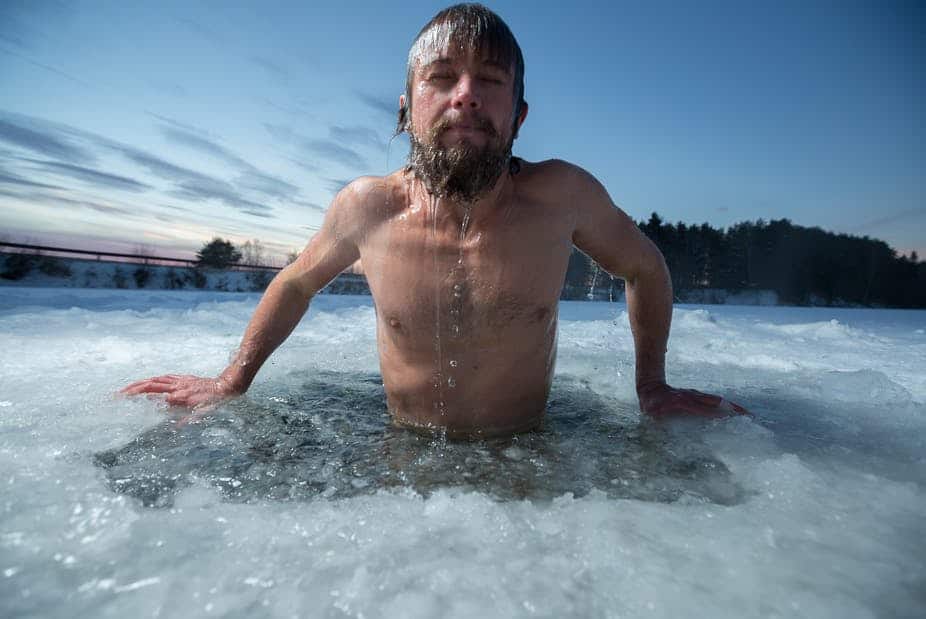
People with this gene variant shivered less and had a higher core body temperature when exposed to cold water. Dudarev Mikhail/ Shutterstock

People with this gene variant shivered less and had a higher core body temperature when exposed to cold water. Dudarev Mikhail/ Shutterstock

Victoria Wyckelsma, Karolinska Institutet and Peter John Houweling, Murdoch Children’s Research Institute

Some people just aren’t bothered by the cold, no matter how low the temperature dips. And the reason for this may be in a person’s genes. Our new research shows that a common genetic variant in the skeletal muscle gene, ACTN3, makes people more resilient to cold temperatures.

Around one in five people lack a muscle protein called alpha-actinin-3 due to a single genetic change in the ACTN3 gene. The absence of alpha-actinin-3 became more common as some modern humans migrated out of Africa and into the colder climates of Europe and Asia. The reasons for this increase have remained unknown until now.

Our recent study, conducted alongside researchers from Lithuania, Sweden and Australia, suggests that if you’re alpha-actinin-3 deficient, then your body can maintain a higher core temperature and you shiver less when exposed to cold, compared with those who have alpha-actinin-3.

We looked at 42 men aged 18 to 40 years from Kaunas in southern Lithuania and exposed them to cold water (14℃) for a maximum of 120 minutes, or until their core body temperature reached 35.5℃. We broke their exposure up into 20-minute periods in the cold with ten-minute breaks at room temperature. We then separated participants into two groups based on their ACTN3 genotype (whether or not they had the alpha-actinin-3 protein).

While only 30% of participants with the alpha-actinin-3 protein reached the full 120 minutes of cold exposure, 69% of those that were alpha-actinin-3 deficient completed the full cold-water exposure time. We also assessed the amount of shivering during cold exposure periods, which told us that those without alpha-actinin-3 shiver less than those who have alpha-actinin-3.

Our study suggests that genetic changes caused by the loss of alpha-actinin-3 in our skeletal muscle affect how well we can tolerate cold temperatures, with those that are alpha-actinin-3 deficient better able to maintain their body temperature and conserve their energy by shivering less during cold exposure. However, future research will need to investigate whether similar results would be seen in women.


AlsoRead...

Ryan: Building real freedom through e-commerce

Ryan: Building real freedom through e-commerce

27 November 2025
Design Australia Group: Redefining Drafting as the engine of housing growth

Design Australia Group: Redefining Drafting as the engine of housing growth

26 November 2025

ACTN3’s role

Skeletal muscles are made up of two types of muscle fibres: fast and slow. Alpha-actinin-3 is predominantly found in fast muscle fibres. These fibres are responsible for the rapid and forceful contractions used during sprinting, but typically fatigue quickly and are prone to injury. Slow muscle fibres on the other hand generate less force but are resistant to fatigue. These are primarily the muscle you’d use during endurance events, like marathon running.

Our previous work has shown that ACTN3 variants play an important role in our muscle’s ability to generate strength. We showed that the loss of alpha-actinin-3 is detrimental to sprint performance in athletes and the general population, but may benefit muscle endurance.

This is because the loss of alpha-actinin-3 causes the muscle to behave more like a slower muscle fibre. This means that alpha-actinin-3 deficient muscles are weaker but recover more quickly from fatigue. But while this is detrimental to sprint performance, it may be beneficial during more endurance events. This improvement in endurance muscle capacity could also influence our response to cold.

While alpha-actinin-3 deficiency does not cause muscle disease, it does influence how our muscle functions. Our study shows that ACTN3 is more than just the “gene for speed”, but that its loss improves our muscle’s ability to generate heat and reduces the need to shiver when exposed to cold. This improvement in muscle function would conserve energy and ultimately increase survival in cold temperatures, which we think is a key reason why we see an increase in alpha-actinin-3 deficient people today, as this would have helped modern humans better tolerate cooler climates as they migrated out of Africa.

The goal of our research is to improve our understanding of how our genetics influence how our muscle works. This will allow us to develop better treatments for those who suffer from muscle diseases, like Duchenne muscular dystrophy, as well as more common conditions, such as obesity and type 2 diabetes. A better understanding of how variants in alpha-actinin-3 influences these conditions will give us better ways to treat and prevent these conditions in the future.

Victoria Wyckelsma, Postdoctoral Research Fellow, Muscle Physiology, Karolinska Institutet and Peter John Houweling, Senior Research Officer, Neuromuscular Research, Murdoch Children’s Research Institute

This article is republished from The Conversation under a Creative Commons license. Read the original article.


Tags: SB001
DMCA.com Protection Status

SUBSCRIBE to our NEWSLETTER

[mc4wp_form id=”2384248″]

Don't Miss

The evolution of Aesthetic Surgery through the lens of Dr Kourosh Tavakoli

by Pauline Torongo
4 December 2025
The evolution of Aesthetic Surgery through the lens of Dr. Kourosh Tavakoli
Health & Wellness

As global interest in Australian cosmetic surgery continues to grow, the combination of regulation, research and emerging digital tools is...

Read moreDetails

Ryan: Building real freedom through e-commerce

by Pauline Torongo
27 November 2025
Ryan: Building real freedom through e-commerce
Business & Finance

Ryan’s greatest achievement isn’t any single business or revenue milestone — it’s the ecosystem he’s built through the Change community.

Read moreDetails

Design Australia Group: Redefining Drafting as the engine of housing growth

by Pauline Torongo
26 November 2025
Design Australia Group: Redefining Drafting as the engine of housing growth
Business & Finance

Australia is under pressure to build homes faster, but design bottlenecks slow progress. Design Australia Group is fixing this by...

Read moreDetails

Louis Guy Detata builds Global Trading Empires through autonomous systems and disciplined leadership

by Pauline Torongo
25 November 2025
Louis Guy Detata builds Global Trading Empires through autonomous systems and disciplined leadership
Business & Finance

The path from investment banking to leading a global trading platform has taught Louis Detata that sustainable success requires more...

Read moreDetails

Burning Eucalyptus Wood: Tips, Advantages, Disadvantages & Alternatives

by Fazila Olla-Logday
20 November 2025
Image Supplied
Enviroment

Learn about burning eucalyptus wood for stoves and fireplaces. Discover benefits, drawbacks, harvesting tips, and better alternative firewood options for...

Read moreDetails

Everything Parents Need to Know About Baby Soft Play and Why It’s a Game Changer

by Fazila Olla-Logday
11 November 2025
Everything Parents Need to Know About Baby Soft Play
Health & Wellness

Baby soft play is a fun, safe, and educational way for little ones to explore and grow. Discover the benefits...

Read moreDetails

WOMAD Sets Up a New Camp in Wiltshire – Australian festival fans take note!

by Kris Griffiths
11 November 2025
Kumbia Boruka brought their reggae and dancehall flavour to the Taste the World Stage at WOMAD 2024 - Credit - Mike Massaro
Entertainment

With its 2026 edition moving to Neston Park in England, WOMAD offers Aussie music lovers a chance to reconnect with global...

Read moreDetails
Load More

Copyright © Blue Sky Publications Ltd. All Rights Reserved.
australiantimes.co.uk is a division of Blue Sky Publications Ltd. Reproduction without permission prohibited. DMCA.com Protection Status

  • About us
  • Write for Us
  • Advertise
  • Contact us
  • T&Cs, Privacy and GDPR
No Result
View All Result
  • News
    • Weather
    • Sport
    • Technology
    • Business & Finance
      • Currency Zone
    • Lotto Results
      • The Lott
  • Lifestyle
    • Entertainment
    • Horoscopes
    • Health & Wellness
    • Recipes
  • Travel
  • Expat Life
  • Move to Australia

Copyright © Blue Sky Publications Ltd. All Rights Reserved.
australiantimes.co.uk is a division of Blue Sky Publications Ltd. Reproduction without permission prohibited. DMCA.com Protection Status

No Result
View All Result
  • News
    • Weather
    • Sport
    • Technology
    • Business & Finance
      • Currency Zone
    • Lotto Results
      • The Lott
  • Lifestyle
    • Entertainment
    • Horoscopes
    • Health & Wellness
    • Recipes
  • Travel
  • Expat Life
  • Move to Australia

Copyright © Blue Sky Publications Ltd. All Rights Reserved.
australiantimes.co.uk is a division of Blue Sky Publications Ltd. Reproduction without permission prohibited. DMCA.com Protection Status





