• Advertise
  • About us
  • Terms and Conditions
  • Contact us
Sunday, December 7, 2025
Australian Times News
  • News
    • Weather
    • Sport
    • Technology
    • Business & Finance
      • Currency Zone
    • Lotto Results
      • The Lott
  • Lifestyle
    • Entertainment
    • Horoscopes
    • Health & Wellness
    • Recipes
  • Travel
  • Expat Life
  • Move to Australia
No Result
View All Result
  • News
    • Weather
    • Sport
    • Technology
    • Business & Finance
      • Currency Zone
    • Lotto Results
      • The Lott
  • Lifestyle
    • Entertainment
    • Horoscopes
    • Health & Wellness
    • Recipes
  • Travel
  • Expat Life
  • Move to Australia
No Result
View All Result
Australian Times News
No Result
View All Result
Home News

Wetlands have saved Australia $27 billion in storm damage over the past five decades

Wetlands such as mangroves, swamps, lakes and lagoons bear the brunt of much storm damage to coast, helping protect us and our infrastructure. But over the past 300 years, 85% of the world’s wetland area has been destroyed. It’s clear we must urgently preserve the precious little wetland area we have left.

The Conversation by The Conversation
22-01-2021 18:09
in News
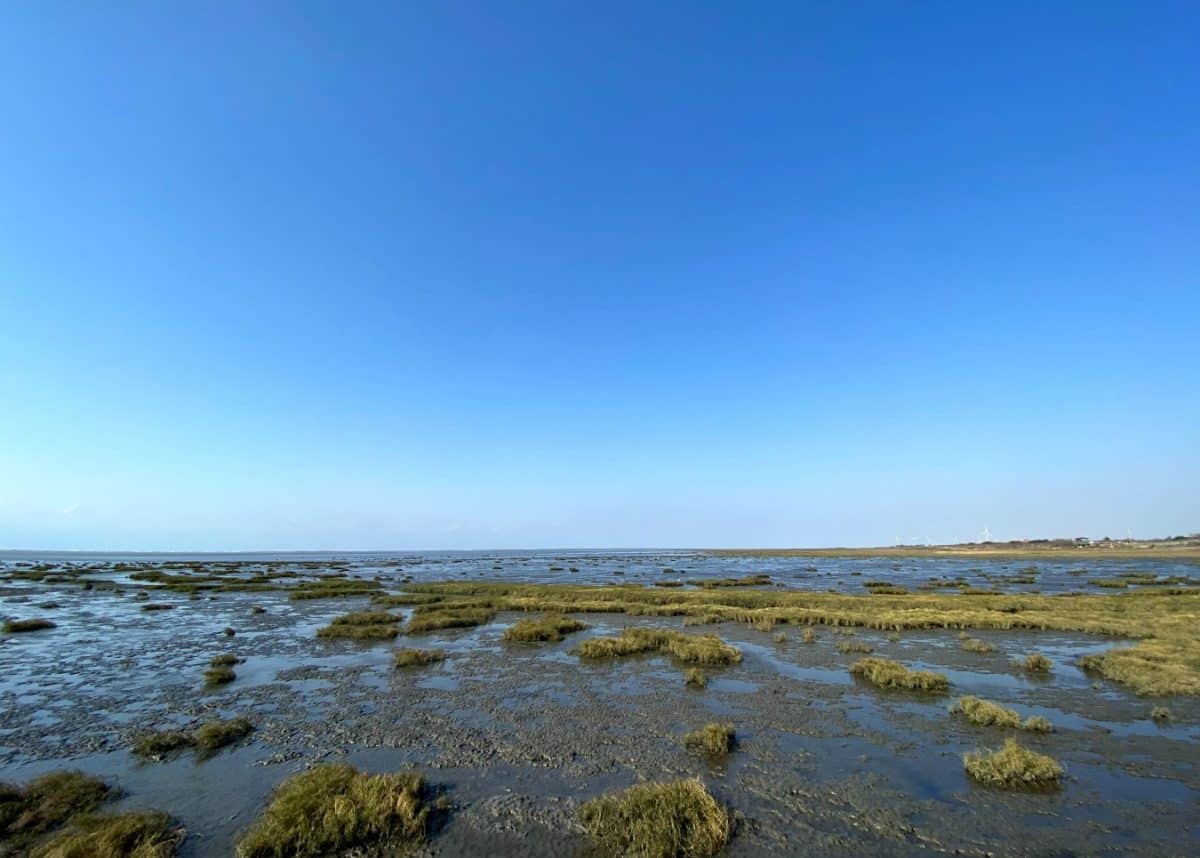
Keeping wetlands safe

Keeping wetlands safe Photo by Fornik Tsai on Unsplash

Obadiah Mulder, University of Southern California and Ida Kubiszewski, Crawford School of Public Policy, Australian National University

Australia is in the midst of tropical cyclone season. As we write, a cyclone is forming off Western Australia’s Pilbara coast, and earlier in the week Queenslanders were bracing for a cyclone in the state’s far north (which thankfully, didn’t hit).
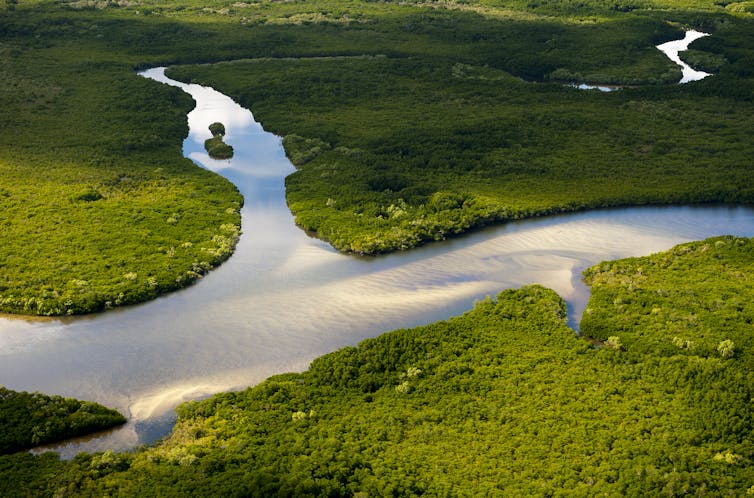
Shutterstock

Australia has always experienced cyclones. But here and around the world, climate change means the cyclone threat is growing – and so too is the potential damage bill. Disadvantaged populations are often most at risk.

Our recent research shows 54 cyclones struck Australia in the 50 years between 1967 and 2016, causing about A$3 billion in damage. We found the damages would have totalled approximately A$30 billion, if not for coastal wetlands.

Wetlands such as mangroves, swamps, lakes and lagoons bear the brunt of much storm damage to coast, helping protect us and our infrastructure. But over the past 300 years, 85% of the world’s wetland area has been destroyed. It’s clear we must urgently preserve the precious little wetland area we have left.
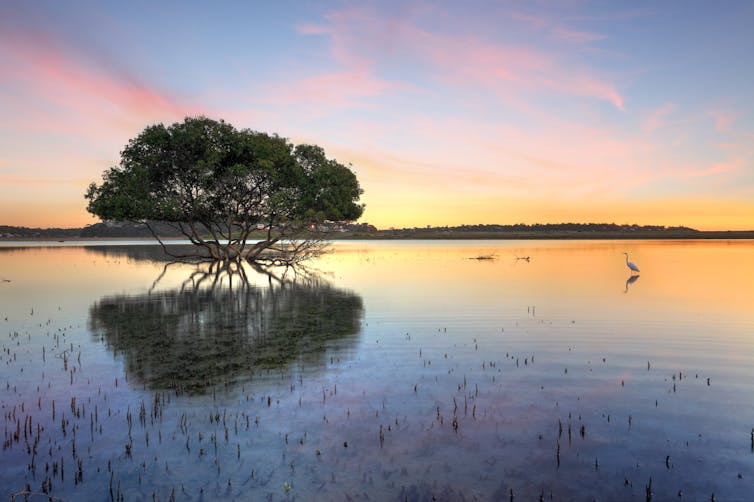
A wetland close to coastal development.
Wetland areas provide important protection from cyclones. Shutterstock

A critical buffer

National disasters cost Australia as much as A$18 billion each year on average. About one-quarter of this is due to cyclone damage.

Wetlands can mitigate cyclone and hurricane damage, by absorbing storm surges and slowing winds. For example in August 2020, Hurricane Laura hit the United States’ midwest. Massive damage was predicted, including a 6.5-metre storm surge extending 65 kilometres inland.


AlsoRead...

Ryan: Building real freedom through e-commerce

Ryan: Building real freedom through e-commerce

27 November 2025
Design Australia Group: Redefining Drafting as the engine of housing growth

Design Australia Group: Redefining Drafting as the engine of housing growth

26 November 2025

However the surge was one metre at most – largely because the storm drove straight into a massive wetland that absorbed most of the predicted flood.

In Australia, wetlands are lost through intentional infilling or drainage for mosquito control, or to create land for infrastructure and agriculture. They’re also lost due to pollution and upstream changes to water flows.
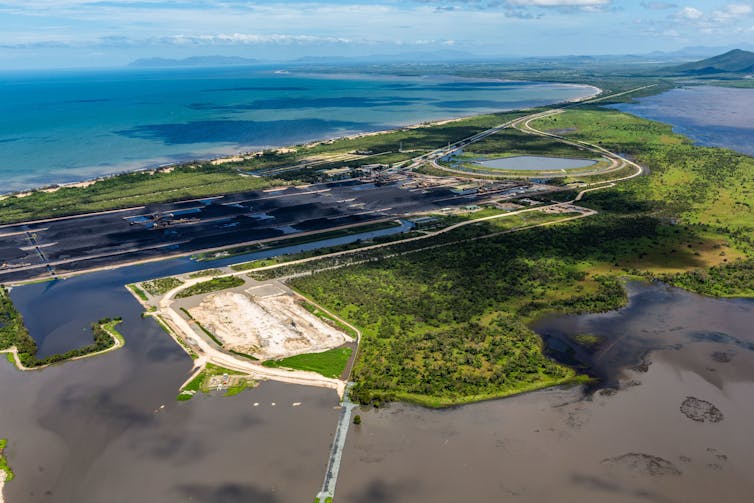
Caley Valley Wetlands,  next to Adani's Abbot Point coal terminal.
Australia’s wetlands are at risk. Pictured is the Caley Valley Wetlands, next to Adani’s Abbot Point coal terminal. Adani was fined for releasing polluted water into the wetland. Gary Farr/ACF

Putting a price on cyclone protection

Our research set out to determine the financial value of the storm protection provided by Australia’s wetlands.

We examined the 54 cyclones that struck Australia in the five decades to 2016. We gathered data including:

  • physical damage wrought in each storm swath (or storm path)
  • gross domestic product (GDP) in the storm’s path
  • maximum windspeed during each storm, which helps predict damage
  • total area of wetlands in each swath.

Using a powerful type of statistics called Bayesian analysis, we estimated the extent to which GDP, windspeed and wetland area affected total damage. This allowed us to estimate damage caused in the absence of wetlands.

We found for every hectare of wetland, about A$4,200 per year in cyclone damage was avoided. This means the A$3 billion in cyclone damage over the past 50 years would have totalled approximately A$30 billion, if not for coastal wetlands.


Importantly, the percentage of damage averted falls rapidly as wetland area decreases. And the protection afforded by a single hectare of wetland increases drastically if there are fewer other wetlands in the path of the storm. This makes protecting remaining wetland even more critical.

If the average cyclone path in Australia were to contain around 30,000 hectares of wetlands, it would avert about 90% of potential storm damage. If the wetland area dropped to 3,000 hectares, only about 30% of damage would be averted.

Climate change is making cyclones worse. By 2050, Australia’s annual damage bill could be as high as A$39 billion, assuming current levels of wetlands are maintained.

Seawalls and other artificial structures can be built along the coast to protect from storms. However, research in China has found wetlands are more cost-effective and efficient than man-made structures at preventing cyclone damage.

Unlike man-made structures, wetlands maintain themselves. Their only “cost” is the opportunity cost of not being able to use the land for something else.
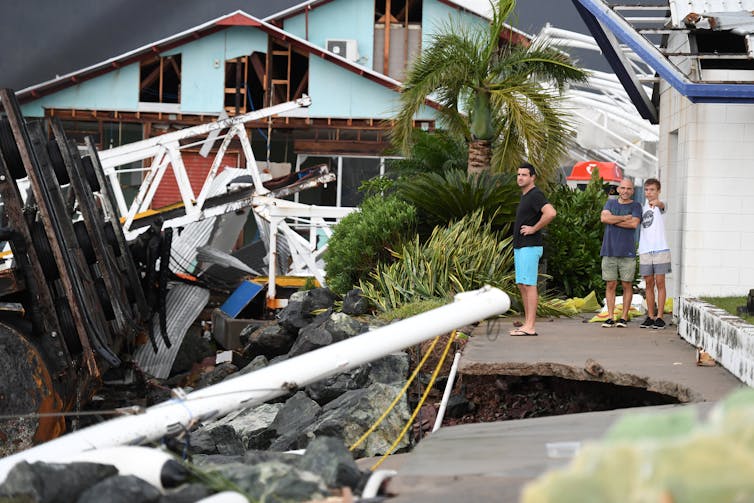
People inspect cyclone damage
Wetlands can help prevent cyclone damage, such as this wrought in Queensland during Cyclone Debbie in 2017. Dan Peled/AAP

Keeping wetlands safe

According to recent analysis by the authors, which is currently under peer review, global wetlands provide US$447 billion (A$657 billion) worth of protection from storms each year.

Of course, wetlands provide benefits beyond storm protection. They store carbon, regulate our climate and control flooding. They also absorb waste including pollutants and carbon, provide animal habitat and places for human recreation.

Wetlands are an incredibly important resource. It’s critical we protect them from development and keep them healthy, so they can continue to provide vital services.


This story is part of a series The Conversation is running on the nexus between disaster, disadvantage and resilience. You can read the rest of the stories here.

Obadiah Mulder, PhD Candidate in Computational Biology, University of Southern California and Ida Kubiszewski, Associate Professor, Crawford School of Public Policy, Australian National University

This article is republished from The Conversation under a Creative Commons license. Read the original article.


Tags: SB001
DMCA.com Protection Status

SUBSCRIBE to our NEWSLETTER

[mc4wp_form id=”2384248″]

Don't Miss

The evolution of Aesthetic Surgery through the lens of Dr Kourosh Tavakoli

by Pauline Torongo
4 December 2025
The evolution of Aesthetic Surgery through the lens of Dr. Kourosh Tavakoli
Health & Wellness

As global interest in Australian cosmetic surgery continues to grow, the combination of regulation, research and emerging digital tools is...

Read moreDetails

Ryan: Building real freedom through e-commerce

by Pauline Torongo
27 November 2025
Ryan: Building real freedom through e-commerce
Business & Finance

Ryan’s greatest achievement isn’t any single business or revenue milestone — it’s the ecosystem he’s built through the Change community.

Read moreDetails

Design Australia Group: Redefining Drafting as the engine of housing growth

by Pauline Torongo
26 November 2025
Design Australia Group: Redefining Drafting as the engine of housing growth
Business & Finance

Australia is under pressure to build homes faster, but design bottlenecks slow progress. Design Australia Group is fixing this by...

Read moreDetails

Louis Guy Detata builds Global Trading Empires through autonomous systems and disciplined leadership

by Pauline Torongo
25 November 2025
Louis Guy Detata builds Global Trading Empires through autonomous systems and disciplined leadership
Business & Finance

The path from investment banking to leading a global trading platform has taught Louis Detata that sustainable success requires more...

Read moreDetails

Burning Eucalyptus Wood: Tips, Advantages, Disadvantages & Alternatives

by Fazila Olla-Logday
20 November 2025
Image Supplied
Enviroment

Learn about burning eucalyptus wood for stoves and fireplaces. Discover benefits, drawbacks, harvesting tips, and better alternative firewood options for...

Read moreDetails

Everything Parents Need to Know About Baby Soft Play and Why It’s a Game Changer

by Fazila Olla-Logday
11 November 2025
Everything Parents Need to Know About Baby Soft Play
Health & Wellness

Baby soft play is a fun, safe, and educational way for little ones to explore and grow. Discover the benefits...

Read moreDetails

WOMAD Sets Up a New Camp in Wiltshire – Australian festival fans take note!

by Kris Griffiths
11 November 2025
Kumbia Boruka brought their reggae and dancehall flavour to the Taste the World Stage at WOMAD 2024 - Credit - Mike Massaro
Entertainment

With its 2026 edition moving to Neston Park in England, WOMAD offers Aussie music lovers a chance to reconnect with global...

Read moreDetails
Load More

Copyright © Blue Sky Publications Ltd. All Rights Reserved.
australiantimes.co.uk is a division of Blue Sky Publications Ltd. Reproduction without permission prohibited. DMCA.com Protection Status

  • About us
  • Write for Us
  • Advertise
  • Contact us
  • T&Cs, Privacy and GDPR
No Result
View All Result
  • News
    • Weather
    • Sport
    • Technology
    • Business & Finance
      • Currency Zone
    • Lotto Results
      • The Lott
  • Lifestyle
    • Entertainment
    • Horoscopes
    • Health & Wellness
    • Recipes
  • Travel
  • Expat Life
  • Move to Australia

Copyright © Blue Sky Publications Ltd. All Rights Reserved.
australiantimes.co.uk is a division of Blue Sky Publications Ltd. Reproduction without permission prohibited. DMCA.com Protection Status

No Result
View All Result
  • News
    • Weather
    • Sport
    • Technology
    • Business & Finance
      • Currency Zone
    • Lotto Results
      • The Lott
  • Lifestyle
    • Entertainment
    • Horoscopes
    • Health & Wellness
    • Recipes
  • Travel
  • Expat Life
  • Move to Australia

Copyright © Blue Sky Publications Ltd. All Rights Reserved.
australiantimes.co.uk is a division of Blue Sky Publications Ltd. Reproduction without permission prohibited. DMCA.com Protection Status