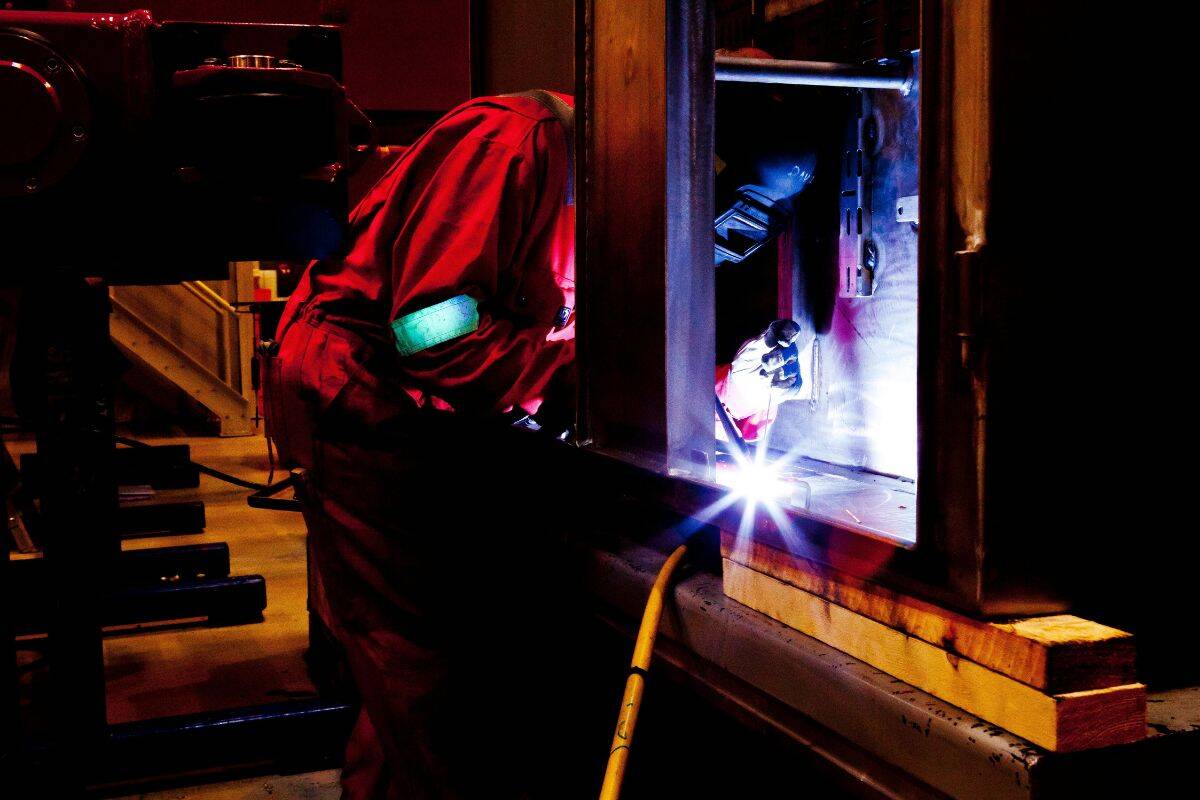
In New Zealand, welding safety has moved beyond just wearing gloves and a visor. Technology advances give welders new tools to protect their health and meet modern workplace standards. From headgear that filters the air you breathe to systems that clean the air around your workbench, the focus is on making welding safer, cleaner, and more comfortable.
Hazards like fumes containing manganese, hexavalent chromium, and other toxic particles have long been a concern. Without proper protection, these contaminants can affect lung health and overall well-being. The industry increasingly embraces solutions like a welding helmet with respirator, portable and fixed fume extraction units, and the best welding respirator NZ options for local conditions and safety standards.
“Clean air is as important as clear vision in welding. A proper combination of PPE and ventilation keeps welders safe today and healthy tomorrow,” notes the WorkSafe NZ Safety Team.
Welding Helmet With Respirator: The All-in-One Safety Solution
Welding helmets with integrated powered air-purifying respirators (PAPRs) have become a go-to option for large workshops and independent tradespeople. These units filter harmful particles before reaching the lungs while shielding the eyes and face from sparks and UV radiation.
The American Welding Society reports that welders are 40% more likely to develop lung issues without adequate respiratory protection (AWS, 2023). By integrating filtration directly into the helmet, these systems reduce the need for separate masks and maintain a clear field of vision throughout the job.
Best Welding Respirator NZ: Features to Look for
The best welding respirator in New Zealand depends on your work environment, frequency of use, and comfort preferences. Respirators range from half-mask designs to full-face units and PAPRs. Full-face and PAPR models offer the highest level of protection by covering the eyes, face, and respiratory system.
New Zealand’s AS/NZS 1716 standard ensures that respirators meet strict performance and filtration criteria. Many local businesses have found that upgrading to units with high-efficiency particulate air (HEPA) filters significantly improves air quality for their teams. For example, a Tauranga welding firm saw a noticeable drop in respiratory complaints after switching.

Fume Extractor for Welding NZ: Protecting the Whole Workspace
While respirators protect the individual, a fume extractor for welding NZ addresses air quality for everyone in the shop. Local exhaust ventilation (LEV) systems prevent fumes from spreading through the workspace by capturing them at the source.
WorkSafe NZ notes that LEV systems can cut airborne contaminants by up to 95% (WorkSafe NZ, 2023). Portable units are ideal for smaller workshops or job sites, allowing you to position the extractor exactly where needed. In larger facilities, fixed extraction arms or ducted systems can maintain clean air across multiple workstations.
Integrating PPE and Ventilation for Full Protection
The safest welding setups use both personal protective equipment and shared ventilation systems. This dual approach covers the welder and everyone nearby, creating a cleaner and more productive workspace.
One Dunedin metal fabrication plant invested in helmet respirators and centralised fume extraction. Within months, supervisors reported improved visibility in the shop and fewer sick days related to respiratory issues.
Key Takeaways for NZ Welders
Respiratory protection is critical for preventing long-term health issues. Be sure to:
- Choose a gear that meets AS/NZS 1716 standards for reliable filtration.
- Integrate PPE with ventilation to protect the welder and the workspace.
- Match equipment to your work environment, meaning portable solutions for small shops and larger systems for high-volume facilities.
When welders of all experience levels combine personal protective gear with effective ventilation systems, they create safer, healthier, and more efficient work environments. This approach meets safety regulations and encourages long-term well-being and productivity in the welding trade.
FAQ Section
Q1: Can I use a welding helmet with a respirator indoors and outdoors?
Yes, but ensure the airflow system suits the environment, especially enclosed spaces.
Q2: What type of fume extractor is best for small workshops?
Portable LEV units are ideal for smaller spaces, as they can be moved to different workstations.
Q3: How often should welding PPE be tested or serviced?
Respiratory and ventilation systems should be inspected monthly, with filters replaced according to the manufacturer’s guidance.
This article was written by: Matthew Kayser