


Margaret Young, The University of Melbourne and Catherine E. Gascoigne, University of Sydney
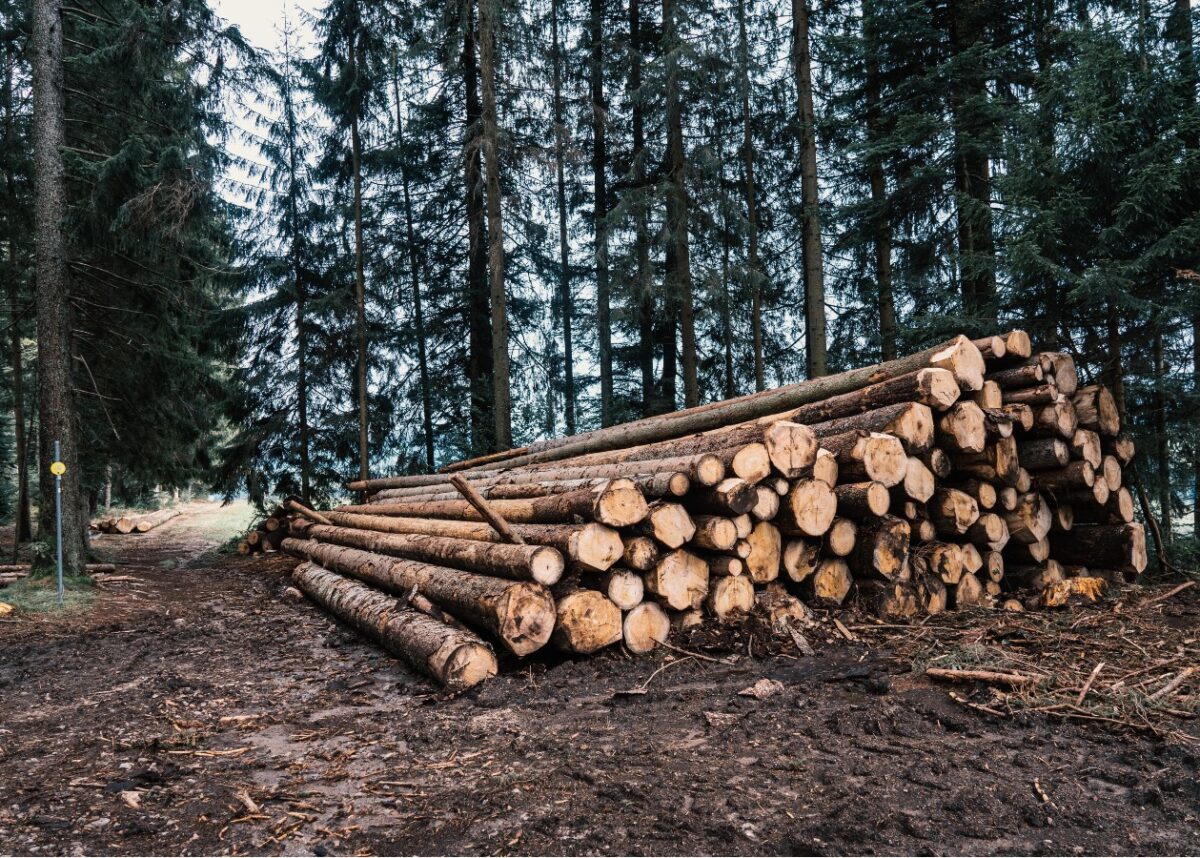
One success from this year’s United Nations climate conference in Glasgow was an agreement to halt forest loss by 2030. The Morrison government signed the agreement, and this commitment is now being put to the test as it reviews Australia’s rules on illegal logging imports.
Australia’s Illegal Logging Prohibition Act and associated regulations are up for periodic review. The rules were designed to ensure timber produced overseas and imported to Australia was not logged illegally. Some changes under discussion would water down the rules by reducing the regulatory burden on businesses.
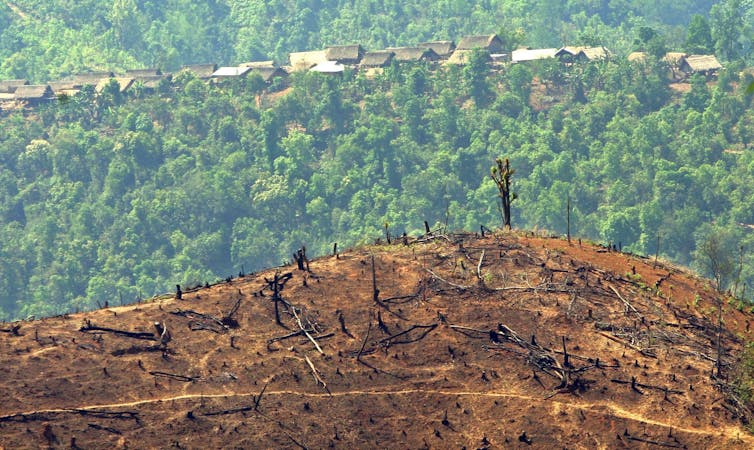
According to Interpol, the illegal timber industry is worth almost US$152 billion a year. In some countries, it also accounts for up to 90% of tropical deforestation, which is a major driver of climate change. Illegal logging and associated tax fraud has other devastating environmental, social and economic harms.
Australia would be acting inconsistently with the Glasgow agreement if it weakened illegal logging laws. Any loosening of the rules could also threaten the confidence of Australian consumers that the timber they’re buying is legally harvested.
Due diligence matters
Under the deal inked at COP26, 141 countries agreed to a range of measures to end deforestation this decade, including to:
facilitate trade and development policies, internationally and domestically, that promote sustainable development, and sustainable commodity production and consumption, that work to countries’ mutual benefit, and that do not drive deforestation and land degradation.
As it currently stands, Australian law regulating timber imports supports this goal. It prohibits a person from importing or processing timber harvested in a way that contravenes the laws of the jurisdiction from which it was harvested.


People in Australia importing and processing timber are required to conduct due diligence to ensure imported timber was legally logged. Failure to do so can result in criminal or civil penalties.
Due diligence requires a business to gather information about the timber product being imported and assess and mitigate the risk it was logged illegally.
Similar laws exist in other jurisdictions, including the United States, the European Union, South Korea, Malaysia and Vietnam.
The restrictions are consistent with established principles of international trade law, which recognise as necessary some trade restrictions to conserve exhaustible natural resources or protect human, animal or plant life.
A push for ‘efficiency’
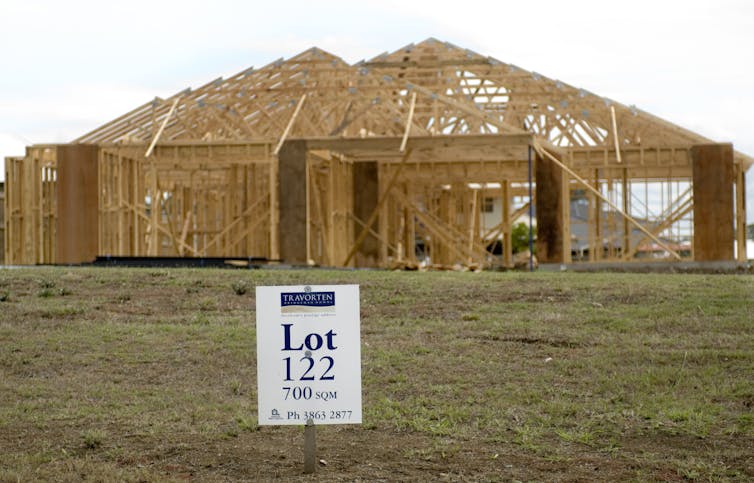
The Department of Agriculture, Water and the Environment is currently conducting a scheduled ten-year review of the Illegal Logging Prohibition Regulation 2012.
The department’s consultation paper asks, among other things, how the regulation’s efficiency could be enhanced. The proposed changes could include, among other things:
- removing the requirement to establish a due diligence system, for those who import and process foreign timber infrequently. The department says establishing the system may be “unnecessarily burdensome”, however these importers would still be required to undertake a risk assessment.
- reducing requirements and allowing exemptions for low-volume and low-value importers and processors.
- reducing due diligence requirements for repeated imports. So, for example, if timber products were from the same supplier, made from the same timber species and harvested from the same area, only one due diligence assessment would be required in a year. However, importers may be required to check no pertinent elements of the supply chain have changed ahead of each repeat import.
- removing the requirement for companies to undertake due diligence on timber imports if they instead use third-party frameworks, such as that established by the Forest Stewardship Council, to assess risks associated with a regulated timber product. This would be known as a “deemed to comply” arrangement.
The department has proposed measures to compensate for the loosening of some rules, including stronger requirements for frequent importers and processors of foreign timber, and third-party auditing of due diligence systems.
It also says risks would need careful management, including ensuring claims relating to timber species and harvest origins were underpinned by authentic documentation.
We must stay vigilant
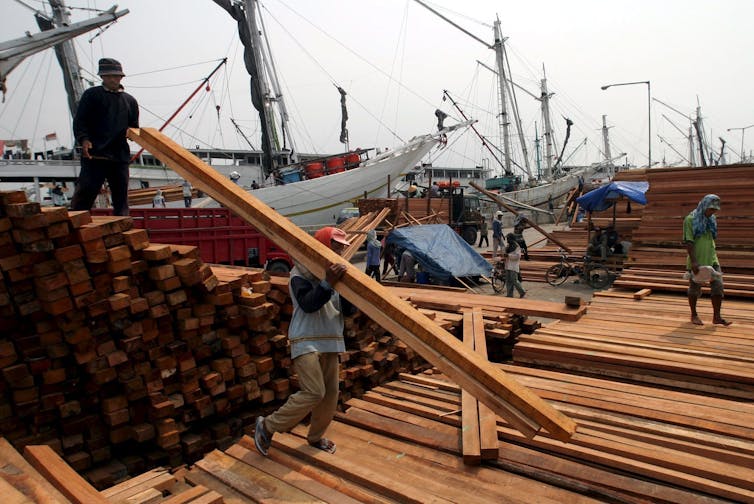
As the department prepares its final recommendations to the federal government, it must factor in the need for increased vigilance of global logging practices. This need was clearly recognised by nations signatory to the COP26 deforestation deal.
What’s more, overseas experience has shown some mooted changes have the potential to be problematic.
Indeed, in foreign timber markets, “deemed to comply” arrangements have been exposed as vulnerable to fraud. The European Union, for example, has pointed to misuse of certification and questions around transparency.
Australia has a way to go if it wants to satisfy the COP26 agreement to halt and reverse forest loss and land degradation – not least by tightening domestic policy on deforestation within our borders.
It could also embrace efforts to address the other major driver of deforestation – agricultural expansion – through the joint statement on forests, agriculture and commodity trade which other countries progressed at Glasgow.
But it must also ensure foreign timber entering Australia is not the product of illegal logging. While due diligence requirements may present a regulatory burden for some operators, this must be weighed against the pressing global imperative to halt forest loss.
Margaret Young, Professor, The University of Melbourne and Catherine E. Gascoigne, Research Affiliate, University of Sydney
This article is republished from The Conversation under a Creative Commons license. Read the original article.







