

• Advertise
  • About us
  • Terms and Conditions
  • Contact us
Sunday, December 7, 2025
Australian Times News
  • News
    • Weather
    • Sport
    • Technology
    • Business & Finance
      • Currency Zone
    • Lotto Results
      • The Lott
  • Lifestyle
    • Entertainment
    • Horoscopes
    • Health & Wellness
    • Recipes
  • Travel
  • Expat Life
  • Move to Australia
No Result
View All Result
  • News
    • Weather
    • Sport
    • Technology
    • Business & Finance
      • Currency Zone
    • Lotto Results
      • The Lott
  • Lifestyle
    • Entertainment
    • Horoscopes
    • Health & Wellness
    • Recipes
  • Travel
  • Expat Life
  • Move to Australia
No Result
View All Result
Australian Times News
No Result
View All Result
Home News

We now treat half the world’s wastewater – and we can make inroads into the other half

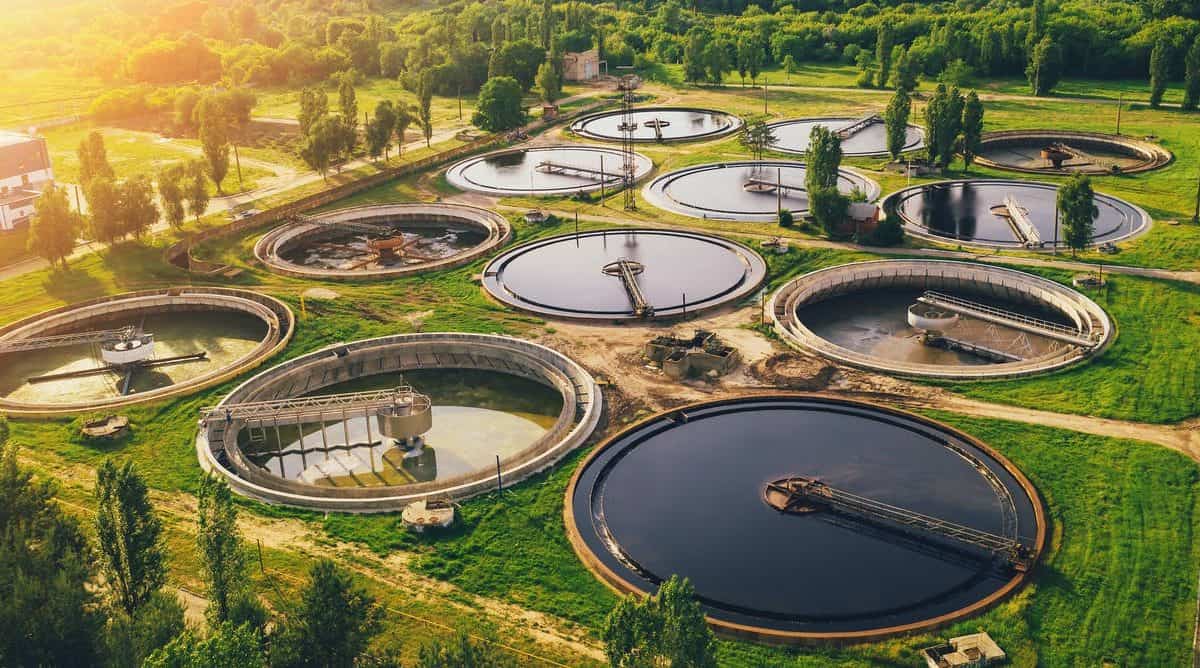
Humans flush away vast amounts of water every day. When managed correctly, this wastewater is collected and undergoes treatment to remove pollutants that can otherwise threaten human and environmental health.

The Conversation by The Conversation
24-02-2021 18:12
in News
DedMityay / shutterstock

DedMityay / shutterstock

Edward Jones, Utrecht University

Humans flush away vast amounts of water every day. When managed correctly, this wastewater is collected and undergoes treatment to remove pollutants that can otherwise threaten human and environmental health. In my latest research I estimated that more than 50% of the world’s domestic and manufacturing wastewater now follows this pathway, rather than the previous estimates of just 20%.

While this sounds like good news, it comes with a caveat. Treatment rates vary drastically across the world, and are especially low in many developing countries. An estimated 4.2 billion people lack access to safe sanitation and there are around 829,000 deaths from diarrhoea attributed to unsafe water and sanitation every year, so there is clearly still a long way to go. This challenge will be further compounded by rapid population growth and industrialisation. These factors threaten to increase the production of wastewater much faster than infrastructure can be developed.

Inevitably, a lack of financial resources is a key barrier to improved wastewater management. Centralised collection and treatment, which has proved very effective at reducing untreated flows in urban environments, can be prohibitively expensive. Yet wastewater has a largely unrealised economic potential, and doing something useful with it could pay for improved management and treatment, promoting both social and environmental benefits.

Combating water scarcity

The most obvious use is reuse it as clean water to augment freshwater supplies, which are becoming more scarce in many regions. Wastewater remains a largely untapped resource, with just 11% currently reused. Individual projects are showing us the potential, with the Sulaibiya Wastewater Treatment and Reclamation Plant in Kuwait capable of fulfilling a staggering 26% of the country’s total water demand.
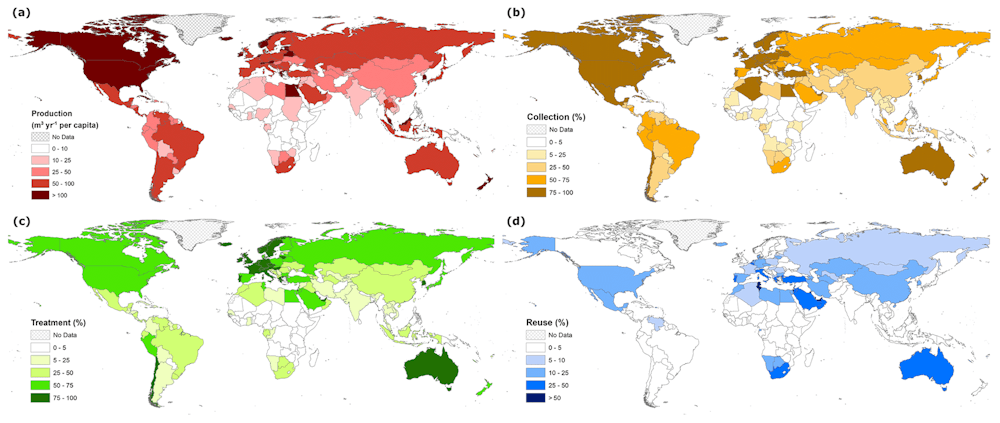
Four maps of the world.
Wastewater production (cubic metres per capita), collection, treatment and reuse (all as %). Wastewater reuse is particularly high in Gulf and North African countries. Jones et al / Earth System Science Data, Author provided

Reusing water has the benefit that the supply is largely climate-independent, and more predictable than conventional water sources. Treated wastewater may also represent the cheapest source of freshwater where renewable supplies are highly limited. For example, reuse of treated wastewater for cooling a powerplant in Nagpur, India has reduced operational costs and increased resilience to droughts, while massively reducing the pressure on freshwater sources.

Conventional water sources (such as rivers and lakes) also benefit from treatment as it reduces wastewater contamination. This is essential for reducing quality-driven water scarcity, which is the main reason people are left without drinking water in some regions. Improving ambient water quality is essential for minimising disease and preventable loss of life.


AlsoRead...

Ryan: Building real freedom through e-commerce

Ryan: Building real freedom through e-commerce

27 November 2025
Design Australia Group: Redefining Drafting as the engine of housing growth

Design Australia Group: Redefining Drafting as the engine of housing growth

26 November 2025

From ‘waste’ to resource

Wastewater is typically enriched with nutrients from both human and food waste, and these resources can be recovered as a result of treatment. Nutrients such as phosphorus and nitrogen can be converted into fertiliser, generating revenue while also reducing environmental risks such as eutrophication (when excess nutrients enter water bodies and cause algae growth). For example, the Stickney Water Reclamation Plant near Chicago in the US, one of the world’s largest treatment plants, can recover 85% of the phosphorus found in residential wastewater and creates 10,000 tonnes of fertiliser each year for local agriculture.
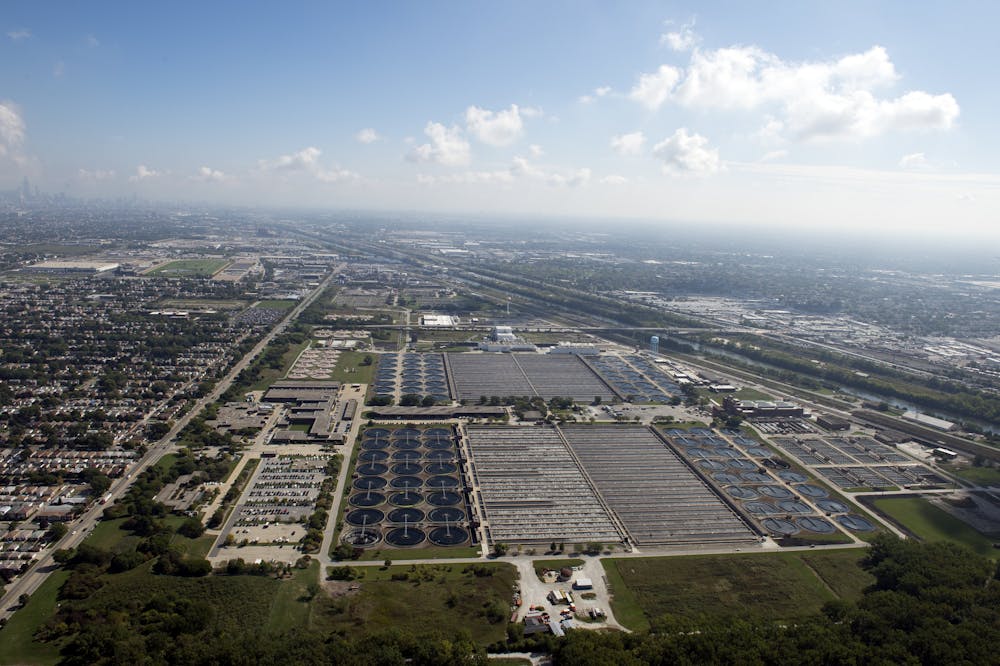
A wastewater treatment plant viewed from above.
Stickney, with downtown Chicago visible in the distance top left. Metropolitan Water Reclamation District of Greater Chicago, CC BY-NC-SA

Wastewater can also be a source of energy meaning treatment can become self-sufficient in energy, both increasing the reliability of operations and decreasing the economic costs. Producing energy from wastewater can also have many interconnected environmental benefits, such as reducing the emissions and water pollution associated with sludge disposal. Energy recovery has proven viable at smaller scales, such as at the fecal sludge treatment plant in Naivasha, Kenya, which serves 10,000 people and produces 350 tonnes of biomass fuel per month.

New innovations will continue to drive improved treatment, but financial mechanisms to support and promote implementation must be accelerated. Wastewater reuse must be accompanied by proper monitoring and regulation in order to ensure that these applications are safe. Issues of public acceptance must also be overcome – many people still don’t like the idea of drinking reused sewage water. But, with one of the UN’s sustainable development goals calling for the halving of untreated wastewater flows and a substantial increase in reuse by 2030, now is the time to realise that opportunities do exist and we really can do more with the water that disappears down the drain.

Edward Jones, PhD Candidate, Department of Physical Geography, Utrecht University

This article is republished from The Conversation under a Creative Commons license. Read the original article.


Tags: SB001
DMCA.com Protection Status

SUBSCRIBE to our NEWSLETTER

[mc4wp_form id=”2384248″]

Don't Miss

The evolution of Aesthetic Surgery through the lens of Dr Kourosh Tavakoli

by Pauline Torongo
4 December 2025
The evolution of Aesthetic Surgery through the lens of Dr. Kourosh Tavakoli
Health & Wellness

As global interest in Australian cosmetic surgery continues to grow, the combination of regulation, research and emerging digital tools is...

Read moreDetails

Ryan: Building real freedom through e-commerce

by Pauline Torongo
27 November 2025
Ryan: Building real freedom through e-commerce
Business & Finance

Ryan’s greatest achievement isn’t any single business or revenue milestone — it’s the ecosystem he’s built through the Change community.

Read moreDetails

Design Australia Group: Redefining Drafting as the engine of housing growth

by Pauline Torongo
26 November 2025
Design Australia Group: Redefining Drafting as the engine of housing growth
Business & Finance

Australia is under pressure to build homes faster, but design bottlenecks slow progress. Design Australia Group is fixing this by...

Read moreDetails

Louis Guy Detata builds Global Trading Empires through autonomous systems and disciplined leadership

by Pauline Torongo
25 November 2025
Louis Guy Detata builds Global Trading Empires through autonomous systems and disciplined leadership
Business & Finance

The path from investment banking to leading a global trading platform has taught Louis Detata that sustainable success requires more...

Read moreDetails

Burning Eucalyptus Wood: Tips, Advantages, Disadvantages & Alternatives

by Fazila Olla-Logday
20 November 2025
Image Supplied
Enviroment

Learn about burning eucalyptus wood for stoves and fireplaces. Discover benefits, drawbacks, harvesting tips, and better alternative firewood options for...

Read moreDetails

Everything Parents Need to Know About Baby Soft Play and Why It’s a Game Changer

by Fazila Olla-Logday
11 November 2025
Everything Parents Need to Know About Baby Soft Play
Health & Wellness

Baby soft play is a fun, safe, and educational way for little ones to explore and grow. Discover the benefits...

Read moreDetails

WOMAD Sets Up a New Camp in Wiltshire – Australian festival fans take note!

by Kris Griffiths
11 November 2025
Kumbia Boruka brought their reggae and dancehall flavour to the Taste the World Stage at WOMAD 2024 - Credit - Mike Massaro
Entertainment

With its 2026 edition moving to Neston Park in England, WOMAD offers Aussie music lovers a chance to reconnect with global...

Read moreDetails
Load More

Copyright © Blue Sky Publications Ltd. All Rights Reserved.
australiantimes.co.uk is a division of Blue Sky Publications Ltd. Reproduction without permission prohibited. DMCA.com Protection Status

  • About us
  • Write for Us
  • Advertise
  • Contact us
  • T&Cs, Privacy and GDPR
No Result
View All Result
  • News
    • Weather
    • Sport
    • Technology
    • Business & Finance
      • Currency Zone
    • Lotto Results
      • The Lott
  • Lifestyle
    • Entertainment
    • Horoscopes
    • Health & Wellness
    • Recipes
  • Travel
  • Expat Life
  • Move to Australia

Copyright © Blue Sky Publications Ltd. All Rights Reserved.
australiantimes.co.uk is a division of Blue Sky Publications Ltd. Reproduction without permission prohibited. DMCA.com Protection Status

No Result
View All Result
  • News
    • Weather
    • Sport
    • Technology
    • Business & Finance
      • Currency Zone
    • Lotto Results
      • The Lott
  • Lifestyle
    • Entertainment
    • Horoscopes
    • Health & Wellness
    • Recipes
  • Travel
  • Expat Life
  • Move to Australia

Copyright © Blue Sky Publications Ltd. All Rights Reserved.
australiantimes.co.uk is a division of Blue Sky Publications Ltd. Reproduction without permission prohibited. DMCA.com Protection Status





