


Christian Downie, Australian National University
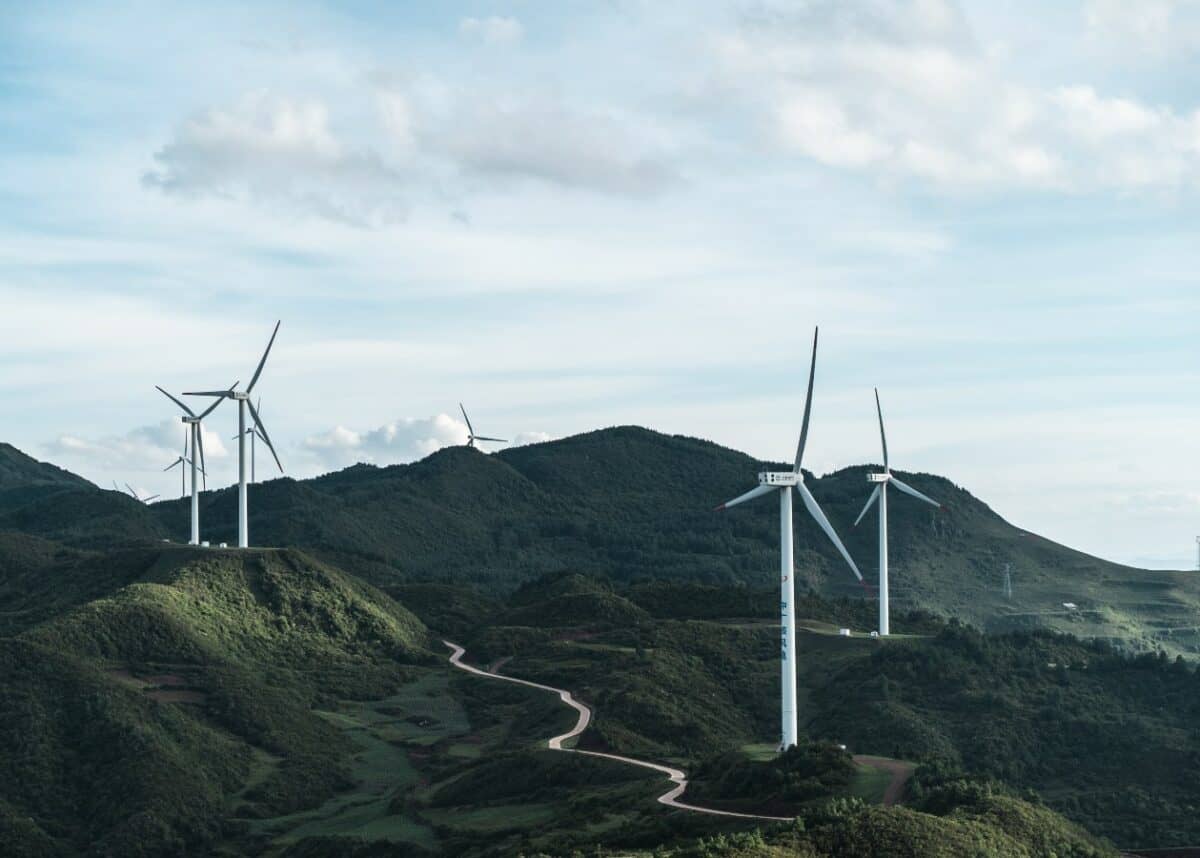
The International Energy Agency confirmed last week what many already knew: the world is undergoing a huge transformation in global energy markets. Fossil fuels are dying and renewables are on the rise.
Much of the focus has been on what this means for Australia, given the IEA declared there can be no new fossil fuel projects if global temperature rise is to be kept below 2℃.
But what the discussion has missed is how the shift to renewable energy is also set to transform Australia’s geopolitical environment. For a country that likes to think of itself as an energy superpower, it’s time we started paying attention.
Australia should embrace the opportunity to become a renewable energy power. If we don’t act now, with the global energy transition gathering pace, Australia could be exposed to a hostile international energy environment with profound economic, security and diplomatic consequences.
The new geopolitics of energy
The IEA’s declaration that new fossil fuel projects have to end now sits at odds with the federal government’s plans for a gas-led economic recovery, and its recent announcement of A$600 million to fund a major new gas-fired power plant.
But the IEA isn’t the only authoritative body making this claim. Most global energy transition scenarios project a peak in fossil fuel demand this decade and exponential growth in renewables, before a long decline in fossil fuel demand in the decades thereafter.


Recent commitments by Australia’s major trading partners to net-zero emissions, including China, Japan and South Korea, will only accelerate this process.
The IEA set out a roadmap to bring the planet to net-zero emissions by 2050. Indeed, under this net-zero scenario, oil demand peaked in 2019 and will fall by almost 75% between now and 2050. Demand for coal has peaked, too, and will fall even faster by 90%. The prospects for gas are only slightly better, with a decline of 55% out to 2050.
It’s no wonder Australian financial regulators keep warning about stranded assets.
The geopolitical consequences of this transition will be profound. To varying degrees, the changes taking place in energy markets will reorder patterns of cooperation and conflict between states.
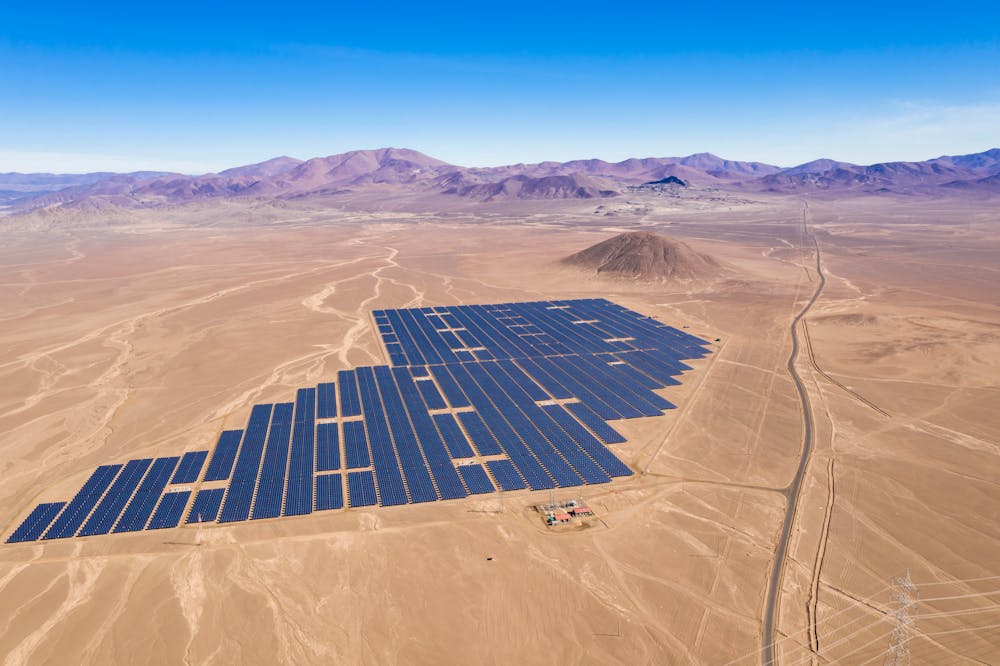
At one end of the spectrum, some states will emerge as renewable powers — think Chile with its large solar resources in the Atacama Desert, or China with its superiority in renewable technologies.
At the other end of the spectrum, some states will experience political instability from the decline of fossil fuel revenues — think countries such as Saudi Arabia and Kuwait, where oil and gas revenues comprise more than 40% of their GDP.
Transitioning to clean energy will have huge upsides for Australia. But let’s start with the downsides, because the IEA has just put them up in lights.
Our international leverage will soon disappear
Successive federal governments have declared Australia to be an energy superpower.
One reason is our exports of coal and gas. Take LNG (liquefied gas) for example. In 2019 Australia overtook Qatar to become the largest exporter of LNG in the world, with total exports valued at A$48 billion, representing a 22% share of global exports.
The IEA says this must end if the world is to have any hope of avoiding the worst effects of climate change. If the gas industry hasn’t got the message yet, the IEA had some chilling news.
As the graph below shows, Australia’s gas exports will have to peak by 2025 and then fall off a cliff in the decades after, under a net-zero-by-2050 emissions scenario. The picture for coal is even worse.
The economic repercussions are obvious. As a political leader might say, it’s “jobs and growth” that’ll be hit hardest.
But this also has geopolitical implications. Australia has long relied on the economic strength we derive from being a dominant exporter of coal and gas to shape our bilateral relationships with countries, such as Japan and South Korea.
This leverage will soon disappear and it will force Australia to rethink how it engages with many nations and international organisations.
For example, potential disruptions to oil shipping lanes will likely become less of a concern. Nations may also compete to control the supply of rare minerals that are vital for a range of technologies needed for a clean energy transition, such as batteries and wind turbines.
What should Australia do?
First, Australia should harness its renewable resources. Australia’s solar radiation per year is around 10,000 times larger than our total energy consumption. If these resources are exploited, Australia can become energy self-sufficient and, at the same time, reduce its vulnerability to energy supply disruptions, such as from international conflicts.
Second, Australia should pursue export dominance. The rise of renewables will open up significant opportunities for Australia to become one of the primary exporters of clean electricity, hydrogen and critical minerals.
For example, growing demand for electricity in Asia combined with improvements in high-voltage direct current cables could see Australia export electricity to countries in our region, such as Indonesia and Singapore.
Third, Australia should leverage its energy advantage. States with significant renewable resources that become energy self-sufficient and attain export dominance are likely to be “geopolitical winners”.
In other words, the economic power derived from Australia’s renewable energy advantage will open up opportunities to influence other countries and shape intergovernmental arrangements, such as those governing the future of international trade in hydrogen.
Being energy self-sufficient will also insulate Australia from the risk that other countries will seek to coerce it by disrupting energy supplies.
This opportunity won’t last forever. Countries that move first will gain an advantage in new industries, technologies and export markets. Those that wait may never catch up.
Christian Downie, Associate professor, Australian National University
This article is republished from The Conversation under a Creative Commons license. Read the original article.







