

• Advertise
  • About us
  • Terms and Conditions
  • Contact us
Saturday, December 6, 2025
Australian Times News
  • News
    • Weather
    • Sport
    • Technology
    • Business & Finance
      • Currency Zone
    • Lotto Results
      • The Lott
  • Lifestyle
    • Entertainment
    • Horoscopes
    • Health & Wellness
    • Recipes
  • Travel
  • Expat Life
  • Move to Australia
No Result
View All Result
  • News
    • Weather
    • Sport
    • Technology
    • Business & Finance
      • Currency Zone
    • Lotto Results
      • The Lott
  • Lifestyle
    • Entertainment
    • Horoscopes
    • Health & Wellness
    • Recipes
  • Travel
  • Expat Life
  • Move to Australia
No Result
View All Result
Australian Times News
No Result
View All Result
Home News

Vital Signs: Shorter meetings but longer days – how COVID-19 has changed the way we work

One of the many things COVID-19 has had a dramatic impact on is the way many of us work.

The Conversation by The Conversation
10-08-2020 06:19
in News
COVID-19 has changed the way we work

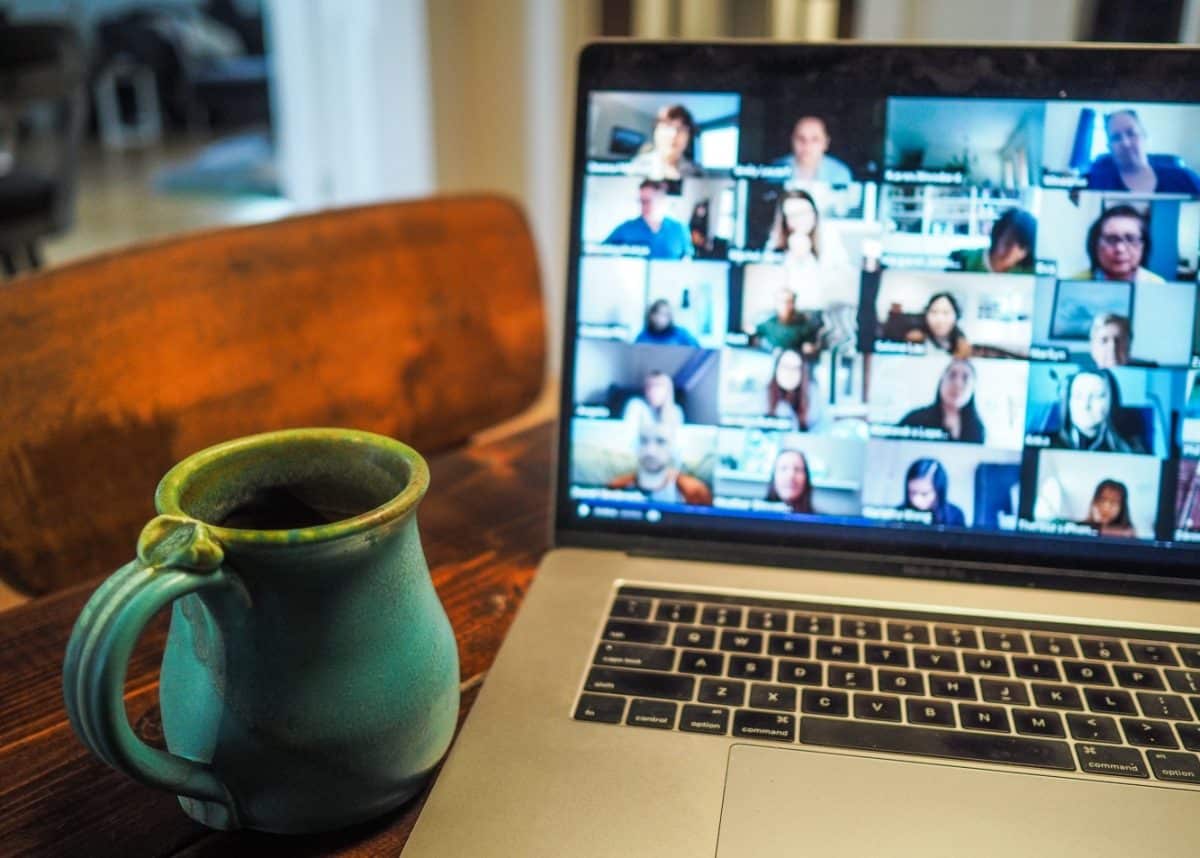
COVID-19 has changed the way we work Photo by Chris Montgomery on Unsplash

Richard Holden, UNSW

One of the many things COVID-19 has had a dramatic impact on is the way many of us work.

Those fortunate enough to be able to work from home have been able to adapt to this new reality – and it certainly has been “new”.

Shutterstock

Perhaps the biggest question for both employers and employees is whether working from home has led to a decrease in productivity.

The fact major companies such as Facebook and Twitter have said they will allow many employees to work from home permanently suggests work in some sectors can be done more efficiently outside a formal workplace.

At a minimum, time saved from commuting and greater flexibility to multitask other elements of one’s life are positives from working from home. Lack of social interaction and the inevitable distractions in most home environments are negatives.

The degree and extent of increased productivity from working at home remains to be seen. It will depend on the way in which working in a team has evolved in a remote environment using online tools like Slack and Zoom.


AlsoRead...

Ryan: Building real freedom through e-commerce

Ryan: Building real freedom through e-commerce

27 November 2025
Design Australia Group: Redefining Drafting as the engine of housing growth

Design Australia Group: Redefining Drafting as the engine of housing growth

26 November 2025

The big question is how the nature of collaboration has changed under COVID.

Studying 3 million people

Thanks to a fascinating analysis by researchers from the Harvard Business School and New York University, we are beginning to get the first systematic evidence on how the nature of work has changed for those working from home during COVID-19.

The authors gathered aggregated meeting and email meta-data for 3,143,270 people working for 21,478 companies in 16 cities in Europe, the United States and Israel where government-mandated lockdowns were imposed in March.

As the authors put it:

These lockdowns established a clear break point after which we could infer that people were working from home. The earliest lockdown in our data occurred on March 8, 2020, in Milan, Italy, and the latest lockdown occurred on March 25, 2020, in Washington, DC.

To explore changes in worker behaviour, their analysis compares meeting and email data during the lockdown periods (typically a month long) with data for the eight weeks prior and the eight weeks after lockdowns ended.

The data they used came from “an information technology services provider that licenses digital communications solutions to organisations around the world”.

This meta-data indicates the actual behaviour of employees in real organisations. So it’s more robust than, say, a survey asking people what they did. Survey respondents might not remember accurately, or might not tell the truth, and those that respond may not be a representative sample.

In short, the meta-data enables the authors to draw detailed and interesting conclusions that survey data would allow.

It’s the detail of a paper like this that is, in a sense, the whole point. But the bottom line is this. Lockdowns have reduced the amount of time most workers spend in meetings, but increased their working hours.

Time in meetings

Their results show the number of meetings attended by workers increased, on average, by 12.9% during lockdown – with the average number of attendees per meeting increasing by 13.5%.


Impact of COVID-19 lockdowns on meetings
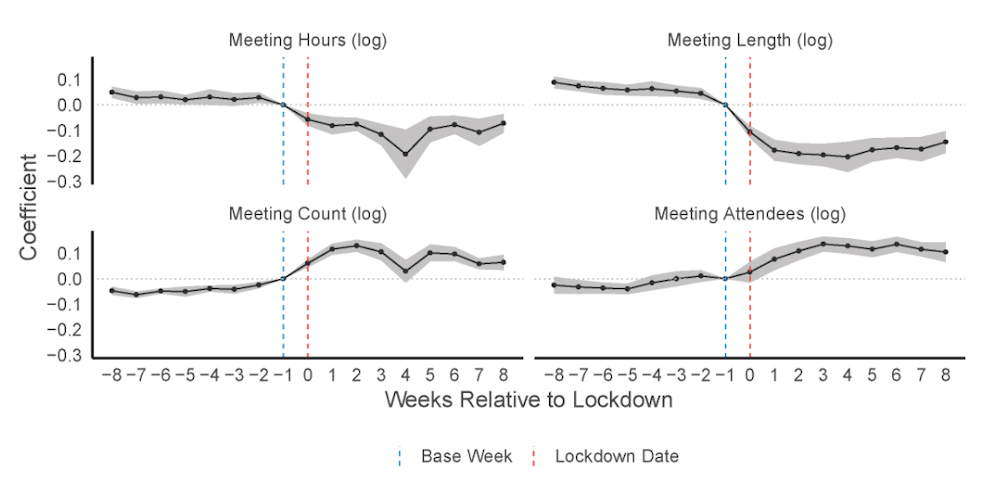
Impact of COVID-19 lockdowns on meetings.
NBER Working Paper No. 27612, July 2020, CC BY-NC-ND

But the average length of meetings fell by 20.1%, with the net effect being that people spent 11.5% less time in meetings.

In European cities such as Brussels, Oslo and Zurich, meeting length declined sharply and continued to fall in the month after the beginning of the lockdown. In the US cities of Chicago, New York and Washington DC, length of meetings declined less.


Read more: Teleworkability in Australia: 41% of full-time and 35% of part-time jobs can be done from home


Email and working hours

There was, also, a significant and seemingly durable increase in working hours, based on the number of hours between the first and last email sent or meeting attended by an individual in a day.

On average, the length of the average workday increased by 48.5 minutes.


Impact of COVID-19 lockdowns on email
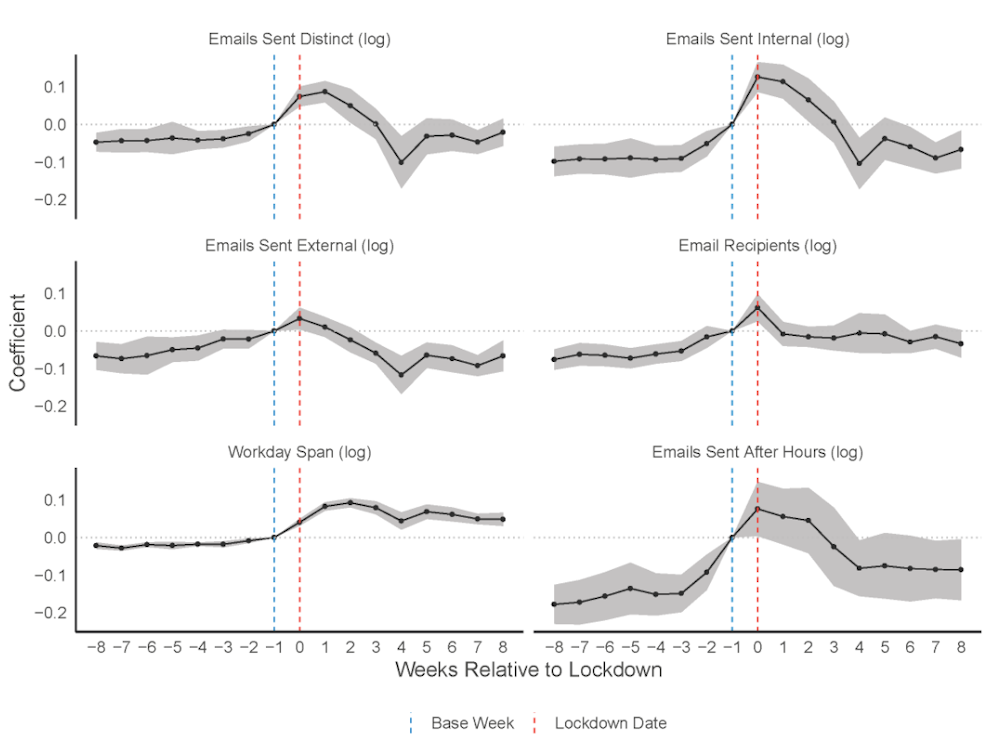
Impact of COVID-19 lockdowns on email.
NBER Working Paper No. 27612, July 2020, CC BY-NC-ND

Longer workdays were common across the 16 cities during lockdowns. When restrictions were lifted, average hours returned closer to pre-lockdown levels in all but three cities – San Jose, Rome and New York City.

The evolving nature of work

It is perhaps too early to draw strong conclusions about these changing patterns of communication. But there are some intriguing possibilities.

Larger meetings may be needed to get “everyone on the same page” and create what economists call “common knowledge”. This may be both easier to do in phone or video conferences, and also more important in the absence of face-to-face communication.

Consistent with this, electronic communications extending beyond normal work hours seems like an inevitable consequence, albeit a negative one for work-life balance, particularly for people with caring responsibilities.

The nature of work was evolving before COVID-19, and it will continue to do so as many parts of the world continue with various forms of physical distancing.

Documenting the nature of that evolution, as well as the implications for productivity, workplace culture, and time outside of work will continue to be informed by remarkable data of the kind the authors analysed.

Richard Holden, Professor of Economics, UNSW

This article is republished from The Conversation under a Creative Commons license. Read the original article.


Tags: SB001
DMCA.com Protection Status

SUBSCRIBE to our NEWSLETTER

[mc4wp_form id=”2384248″]

Don't Miss

The evolution of Aesthetic Surgery through the lens of Dr Kourosh Tavakoli

by Pauline Torongo
4 December 2025
The evolution of Aesthetic Surgery through the lens of Dr. Kourosh Tavakoli
Health & Wellness

As global interest in Australian cosmetic surgery continues to grow, the combination of regulation, research and emerging digital tools is...

Read moreDetails

Ryan: Building real freedom through e-commerce

by Pauline Torongo
27 November 2025
Ryan: Building real freedom through e-commerce
Business & Finance

Ryan’s greatest achievement isn’t any single business or revenue milestone — it’s the ecosystem he’s built through the Change community.

Read moreDetails

Design Australia Group: Redefining Drafting as the engine of housing growth

by Pauline Torongo
26 November 2025
Design Australia Group: Redefining Drafting as the engine of housing growth
Business & Finance

Australia is under pressure to build homes faster, but design bottlenecks slow progress. Design Australia Group is fixing this by...

Read moreDetails

Louis Guy Detata builds Global Trading Empires through autonomous systems and disciplined leadership

by Pauline Torongo
25 November 2025
Louis Guy Detata builds Global Trading Empires through autonomous systems and disciplined leadership
Business & Finance

The path from investment banking to leading a global trading platform has taught Louis Detata that sustainable success requires more...

Read moreDetails

Burning Eucalyptus Wood: Tips, Advantages, Disadvantages & Alternatives

by Fazila Olla-Logday
20 November 2025
Image Supplied
Enviroment

Learn about burning eucalyptus wood for stoves and fireplaces. Discover benefits, drawbacks, harvesting tips, and better alternative firewood options for...

Read moreDetails

Everything Parents Need to Know About Baby Soft Play and Why It’s a Game Changer

by Fazila Olla-Logday
11 November 2025
Everything Parents Need to Know About Baby Soft Play
Health & Wellness

Baby soft play is a fun, safe, and educational way for little ones to explore and grow. Discover the benefits...

Read moreDetails

WOMAD Sets Up a New Camp in Wiltshire – Australian festival fans take note!

by Kris Griffiths
11 November 2025
Kumbia Boruka brought their reggae and dancehall flavour to the Taste the World Stage at WOMAD 2024 - Credit - Mike Massaro
Entertainment

With its 2026 edition moving to Neston Park in England, WOMAD offers Aussie music lovers a chance to reconnect with global...

Read moreDetails
Load More

Copyright © Blue Sky Publications Ltd. All Rights Reserved.
australiantimes.co.uk is a division of Blue Sky Publications Ltd. Reproduction without permission prohibited. DMCA.com Protection Status

  • About us
  • Write for Us
  • Advertise
  • Contact us
  • T&Cs, Privacy and GDPR
No Result
View All Result
  • News
    • Weather
    • Sport
    • Technology
    • Business & Finance
      • Currency Zone
    • Lotto Results
      • The Lott
  • Lifestyle
    • Entertainment
    • Horoscopes
    • Health & Wellness
    • Recipes
  • Travel
  • Expat Life
  • Move to Australia

Copyright © Blue Sky Publications Ltd. All Rights Reserved.
australiantimes.co.uk is a division of Blue Sky Publications Ltd. Reproduction without permission prohibited. DMCA.com Protection Status

No Result
View All Result
  • News
    • Weather
    • Sport
    • Technology
    • Business & Finance
      • Currency Zone
    • Lotto Results
      • The Lott
  • Lifestyle
    • Entertainment
    • Horoscopes
    • Health & Wellness
    • Recipes
  • Travel
  • Expat Life
  • Move to Australia

Copyright © Blue Sky Publications Ltd. All Rights Reserved.
australiantimes.co.uk is a division of Blue Sky Publications Ltd. Reproduction without permission prohibited. DMCA.com Protection Status





