
• Advertise
  • About us
  • Terms and Conditions
  • Contact us
Saturday, December 6, 2025
Australian Times News
  • News
    • Weather
    • Sport
    • Technology
    • Business & Finance
      • Currency Zone
    • Lotto Results
      • The Lott
  • Lifestyle
    • Entertainment
    • Horoscopes
    • Health & Wellness
    • Recipes
  • Travel
  • Expat Life
  • Move to Australia
No Result
View All Result
  • News
    • Weather
    • Sport
    • Technology
    • Business & Finance
      • Currency Zone
    • Lotto Results
      • The Lott
  • Lifestyle
    • Entertainment
    • Horoscopes
    • Health & Wellness
    • Recipes
  • Travel
  • Expat Life
  • Move to Australia
No Result
View All Result
Australian Times News
No Result
View All Result
Home News

‘The good, the bad and the ugly’: here’s the lowdown on Australia’s low-emissions roadmap

The first low emissions technology statement, released on Tuesday by federal energy minister Angus Taylor, flags public investment in five areas: hydrogen, energy storage, low-carbon steel and aluminium, carbon capture and storage, and soil carbon storage.

The Conversation by The Conversation
24-09-2020 09:17
in News
Australia’s low-emissions roadmap

Australia’s low-emissions roadmap Photo by Jamie Templeton on Unsplash

Llewelyn Hughes, Crawford School of Public Policy, Australian National University and Jorrit Gosens, Australian National University

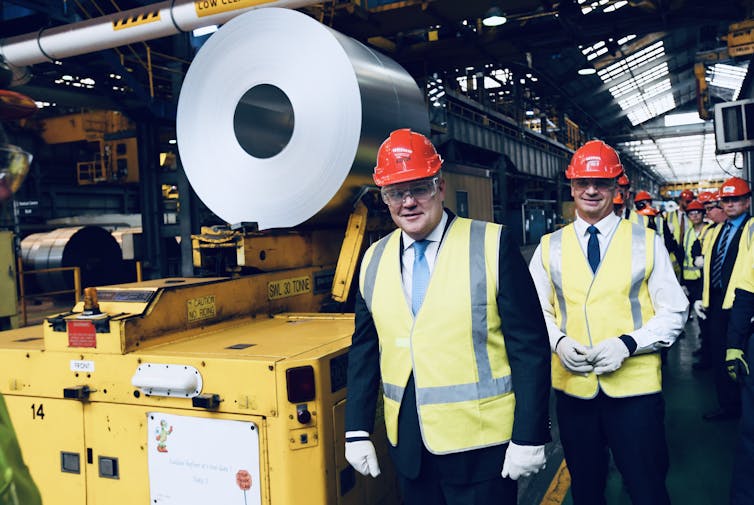
“Picking winners” has been anathema to Australian policy-making for decades. The federal government’s technology investment roadmap bucks the trend, targeting public investments in specific low-emissions technologies.
Dean Lewins/AAP

The first low emissions technology statement, released on Tuesday by federal energy minister Angus Taylor, flags public investment in five areas: hydrogen, energy storage, low-carbon steel and aluminium, carbon capture and storage, and soil carbon storage.

It’s encouraging to see the government recognise its role in industry policy. Government support matters in the early stage of development for industries.

But it’s also important the government makes the right calls on technology investment. If not, we will lock in increases to carbon emissions, and lose potential economic benefits. So here’s a closer look at the good, the bad and the ugly of the low-emissions technology roadmap.
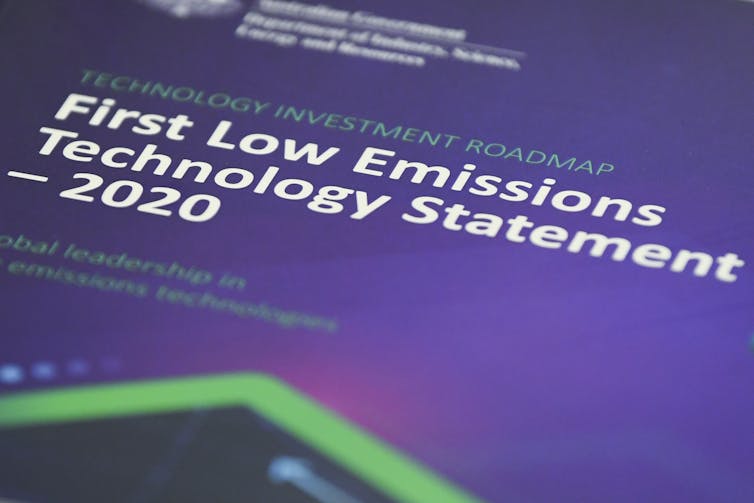
The cover of the first low-emissions technology statement
The government’s first low emissions technology statement contains policies targeting specific industries. Lukas Coch/AAP

First, the good

The roadmap includes a series of specific targets for each priority technology. For example, the government wants hydrogen produced at A$2 per kilogram – a price research suggests is achievable in the coming years, even when renewable energy is used to produce it.

Each of these targets includes specific dollar figures – something experts recommended during the consultation process. Such targets can help the private sector gauge the government’s ambition, guiding their own investment choices. So we are pleased the federal government recognises its role here.


AlsoRead...

Ryan: Building real freedom through e-commerce

Ryan: Building real freedom through e-commerce

27 November 2025
Design Australia Group: Redefining Drafting as the engine of housing growth

Design Australia Group: Redefining Drafting as the engine of housing growth

26 November 2025

We also welcome the roadmap’s recognition that Australia is not a technological island. Australia is a laggard in public investment in low-carbon technologies; governments in China, Japan and Germany are investing heavily, as is the European Union. Australia must carefully choose the areas where we have a competitive advantage, and where we’re better off relying on importing from others.

Commendably, the government also says it will transparently monitor the impact of its investments and seek to identify which are underperforming, so it can calibrate its approach over time. It is crucial these evaluations can be assessed independently.
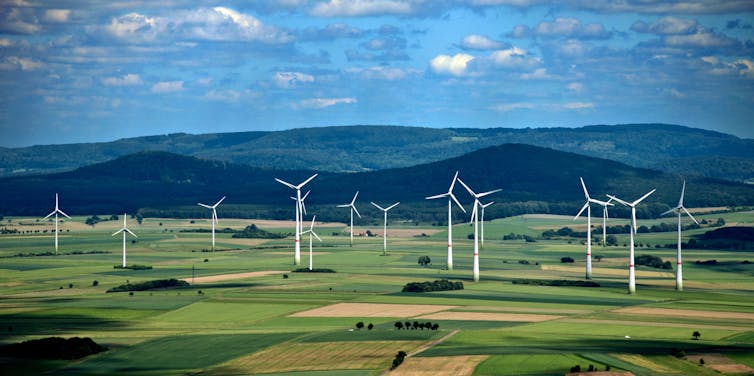
A wind farm in Germany
Germany is a leader in public investment in low-carbon technologies. Shutterstock

Next, the bad

While it is good to have numeric targets, their credibility is weakened by the absence of a time frame in which they should be met.

More generally, the roadmap provides no detail on how the government decided which technologies to target. There also is no information enabling an independent assessment of the expected reduction in carbon emissions and increased economic activity.

Without these crucial details, it is impossible to determine the wisdom of the government’s choices.

The roadmap is also firmly opposed to supporting technologies all the way to mainstream adoption. Yet a clear path to future market demand is exactly what’s needed to entice private enterprise to invest in a new technology. Germany encouraged widespread uptake of solar technology both by supporting technology developers and through generous government subsidies.

Demand creation is also needed to lift technological breakthroughs over the “valley of death” – the gap between invention and commercialisation, into which so many innovations fall.

Most controversially, the plan claims gas is a way to produce “clean” hydrogen, in combination with carbon capture and storage (CCS) technologies. But this method is unproven at scale, and is not all that clean – substantial CO₂ will inevitably be released in the process.

The selection may have resulted from the guidance provided by the ministerial reference panel, which advised the government on its plan and featured a representative from the gas industry. Solar or wind – or any manufacturing industries that ought to benefit from green hydrogen deployment – were not equally represented.
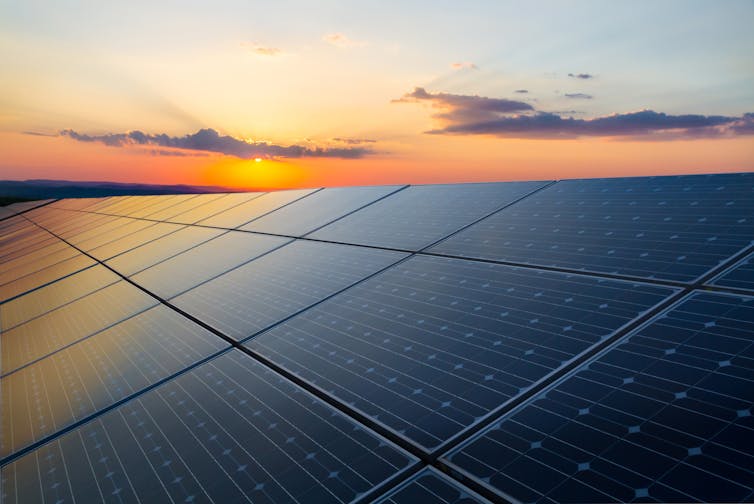
Solar panels
Germany accelerated growth in solar photovoltaics sector through generous subsidies. Shutterstock

And finally, the ugly

The roadmap states the Morrison government intends to take a hands-off approach to mature technologies such as coal, gas, solar and wind power. But this statement is misleading, because the playing field was never level to begin with.

The International Monetary Fund estimates Australia provides tens of billions of dollars in subsidies annually to support fossil fuels. The government’s economic recovery plan from the COVID-19 downturn involves subsidies for the gas industry. And the absence of a carbon price in Australia – which would force CO₂ producers to pay for their pollution – is effectively another fossil fuel subsidy.

The roadmap considers manufacturing using renewables-produced hydrogen to be competitive by 2040. This suggests gas-with-CCS will at best have a temporary emissions-reduction role in industry. So ultimately, this investment path offers false hope, and may be used by fossil fuel incumbents to further delay a genuine energy transition.
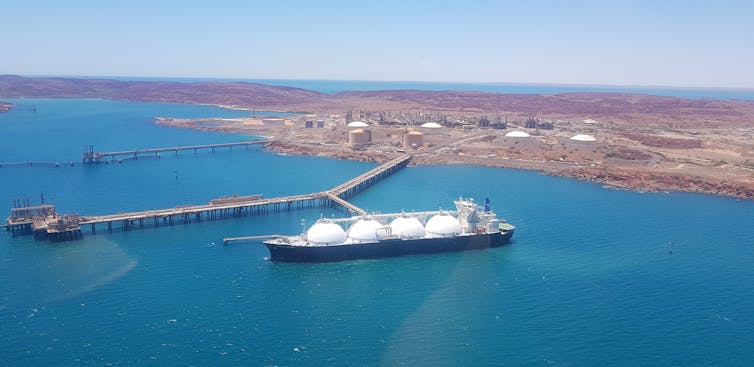
Gas ship being filled in the Pilbara.
A gas ship being filled in the Pilbara. Producing hydrogen from gas, in combination with carbon capture and storage, is not clean. Shutterstock

Winning at picking

Throwing fistfuls of dollars at early-stage technology can be risky. And public investment in innovation is best spent on technologies help make Australia’s low-carbon export industries competitive in the long term.

Through the roadmap, and associated low-emissions technology statement, the government has developed a useful way to embrace low-carbon “mission-innovation” through targeted support for specific technologies.

To make the roadmap work, ongoing, open and transparent evaluation of whether technologies are achieving this mission must be at its heart.

Most importantly, long-term technology roadmaps should not deflect attention from the most important mission of all: urgently accelerating emissions reduction to meet the goals of the Paris Agreement, and minimise the risk of catastrophic climate change.

Llewelyn Hughes, Associate Professor of Public Policy, Crawford School of Public Policy, Australian National University and Jorrit Gosens, Research Fellow, Australian National University

This article is republished from The Conversation under a Creative Commons license. Read the original article.


Tags: SB001
DMCA.com Protection Status

SUBSCRIBE to our NEWSLETTER

[mc4wp_form id=”2384248″]

Don't Miss

The evolution of Aesthetic Surgery through the lens of Dr Kourosh Tavakoli

by Pauline Torongo
4 December 2025
The evolution of Aesthetic Surgery through the lens of Dr. Kourosh Tavakoli
Health & Wellness

As global interest in Australian cosmetic surgery continues to grow, the combination of regulation, research and emerging digital tools is...

Read moreDetails

Ryan: Building real freedom through e-commerce

by Pauline Torongo
27 November 2025
Ryan: Building real freedom through e-commerce
Business & Finance

Ryan’s greatest achievement isn’t any single business or revenue milestone — it’s the ecosystem he’s built through the Change community.

Read moreDetails

Design Australia Group: Redefining Drafting as the engine of housing growth

by Pauline Torongo
26 November 2025
Design Australia Group: Redefining Drafting as the engine of housing growth
Business & Finance

Australia is under pressure to build homes faster, but design bottlenecks slow progress. Design Australia Group is fixing this by...

Read moreDetails

Louis Guy Detata builds Global Trading Empires through autonomous systems and disciplined leadership

by Pauline Torongo
25 November 2025
Louis Guy Detata builds Global Trading Empires through autonomous systems and disciplined leadership
Business & Finance

The path from investment banking to leading a global trading platform has taught Louis Detata that sustainable success requires more...

Read moreDetails

Burning Eucalyptus Wood: Tips, Advantages, Disadvantages & Alternatives

by Fazila Olla-Logday
20 November 2025
Image Supplied
Enviroment

Learn about burning eucalyptus wood for stoves and fireplaces. Discover benefits, drawbacks, harvesting tips, and better alternative firewood options for...

Read moreDetails

Everything Parents Need to Know About Baby Soft Play and Why It’s a Game Changer

by Fazila Olla-Logday
11 November 2025
Everything Parents Need to Know About Baby Soft Play
Health & Wellness

Baby soft play is a fun, safe, and educational way for little ones to explore and grow. Discover the benefits...

Read moreDetails

WOMAD Sets Up a New Camp in Wiltshire – Australian festival fans take note!

by Kris Griffiths
11 November 2025
Kumbia Boruka brought their reggae and dancehall flavour to the Taste the World Stage at WOMAD 2024 - Credit - Mike Massaro
Entertainment

With its 2026 edition moving to Neston Park in England, WOMAD offers Aussie music lovers a chance to reconnect with global...

Read moreDetails
Load More

Copyright © Blue Sky Publications Ltd. All Rights Reserved.
australiantimes.co.uk is a division of Blue Sky Publications Ltd. Reproduction without permission prohibited. DMCA.com Protection Status

  • About us
  • Write for Us
  • Advertise
  • Contact us
  • T&Cs, Privacy and GDPR
No Result
View All Result
  • News
    • Weather
    • Sport
    • Technology
    • Business & Finance
      • Currency Zone
    • Lotto Results
      • The Lott
  • Lifestyle
    • Entertainment
    • Horoscopes
    • Health & Wellness
    • Recipes
  • Travel
  • Expat Life
  • Move to Australia

Copyright © Blue Sky Publications Ltd. All Rights Reserved.
australiantimes.co.uk is a division of Blue Sky Publications Ltd. Reproduction without permission prohibited. DMCA.com Protection Status

No Result
View All Result
  • News
    • Weather
    • Sport
    • Technology
    • Business & Finance
      • Currency Zone
    • Lotto Results
      • The Lott
  • Lifestyle
    • Entertainment
    • Horoscopes
    • Health & Wellness
    • Recipes
  • Travel
  • Expat Life
  • Move to Australia

Copyright © Blue Sky Publications Ltd. All Rights Reserved.
australiantimes.co.uk is a division of Blue Sky Publications Ltd. Reproduction without permission prohibited. DMCA.com Protection Status