• Advertise
  • About us
  • Terms and Conditions
  • Contact us
Sunday, December 14, 2025
Australian Times News
  • News
    • Weather
    • Sport
    • Technology
    • Business & Finance
      • Currency Zone
    • Lotto Results
      • The Lott
  • Lifestyle
    • Entertainment
    • Horoscopes
    • Health & Wellness
    • Recipes
  • Travel
  • Expat Life
  • Move to Australia
No Result
View All Result
  • News
    • Weather
    • Sport
    • Technology
    • Business & Finance
      • Currency Zone
    • Lotto Results
      • The Lott
  • Lifestyle
    • Entertainment
    • Horoscopes
    • Health & Wellness
    • Recipes
  • Travel
  • Expat Life
  • Move to Australia
No Result
View All Result
Australian Times News
No Result
View All Result
Home News

Sustainable cities after COVID-19: are Barcelona-style green zones the answer?

The lockdowns and restrictions introduced to control the spread of COVID-19 have resulted in huge changes to urban life. Previously bustling city centres remain empty, shunned in favour of suburban or rural areas where social distancing is easier and connections to the outdoors are abundant.

The Conversation by The Conversation
16-12-2020 22:09
in News
Sustainable cities after COVID-19

Sustainable cities after COVID-19 Photo by Gokhun Guneyhan on Unsplash

Anupam Nanda, University of Manchester

The lockdowns and restrictions introduced to control the spread of COVID-19 have resulted in huge changes to urban life. Previously bustling city centres remain empty, shunned in favour of suburban or rural areas where social distancing is easier and connections to the outdoors are abundant.

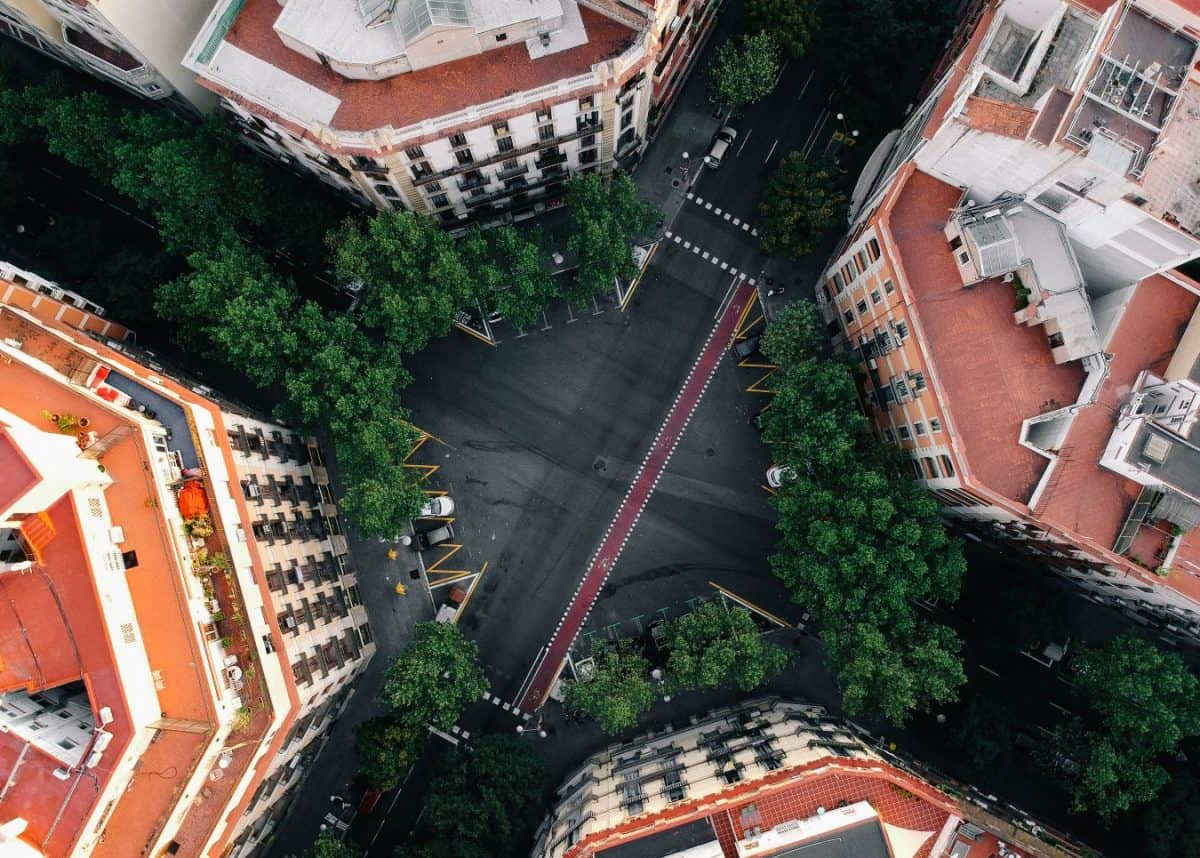
Part of Barcelona’s Eixample district. marchello74/Shutterstock

The roll out of vaccines provides hope for a partial restoration of normality in cities. However, the impact of COVID-19 could last much longer.

In particular, the pandemic has shown how damaging congestion, pollution and lack of green space can be – including how these factors have contributed to the severity of suffering for city dwellers. We have an opportunity to change city living for the better.

Barcelona offers an example of how city areas can be transformed to reduce pollution and increase access to green space.

The city pioneered the concept of superblocks, first introduced in 2016, as part of green urban planning. Superblocks are neighbourhoods of nine blocks. Traffic is restricted to major roads around the superblocks, leaving the streets inside for pedestrians and cyclists.

Recently, further plans have been announced to expand green zones in the city’s central district, Eixample. This is a major expansion of low-traffic zones, giving priority to pedestrians and cyclists to reduce pollution and provide green spaces.


AlsoRead...

Ryan: Building real freedom through e-commerce

Ryan: Building real freedom through e-commerce

27 November 2025
Design Australia Group: Redefining Drafting as the engine of housing growth

Design Australia Group: Redefining Drafting as the engine of housing growth

26 November 2025

The new plan will cover 21 streets and have space for 21 new pedestrian plazas at intersections. At least 80% of each street is to be shaded by trees in summer and 20% unpaved. A public competition in May 2021 will decide the final design.

The purpose of the plan is to ensure that no resident will be more than 200 metres from a green space.

There are many benefits to creating urban green spaces like these. They include an improvement in air quality and noise levels on the car-free streets, and a reduction in levels of nitrogen dioxide (NO₂) from road traffic. Exposure to high level of NO₂ can lead to a range of respiratory problems.

Green spaces have been shown to improve mental health, as well as lead to a reduction in risk of obesity and diabetes – conditions which significantly increase vulnerability to COVID-19.

COVID-19 has made the case for green urban planning even more compelling. However, these plans can come at a cost.

Barriers to green cities

A particular negative impact of green zones could be a high demand for housing, leading to subsequent rises in property prices. This can lead to gentrification and displacement of local residents and businesses. Care must be taken to make sure that homes remain affordable and urban green zones do not become rich enclaves.

The COVID-19 lockdowns highlighted the difference in living conditions faced by city dwellers. Green initiatives must work for all socio-economic groups, and must not exacerbate existing inequalities.

In addition, while city centres are the usual focus areas for greening initiatives, suburbs and other peripheral areas also need attention. The goal is to reduce carbon dependence in total – not shift it from one area to another, or one sector to another.

The plan should also include steps to make private and public transport completely green. This could include replacing carbon-producing transport system with zero-emission vehicles and providing ample infrastructure such as dedicated lanes and charging stations for electric vehicles.

Cities differ hugely in how they look, shape and operate. One size will not fit all. If other cities choose to follow Barcelona’s model, local issues must be carefully considered. Superblocks work really well in a neat grid system such as in central Barcelona. But many cities do not have a well-designed grid system.
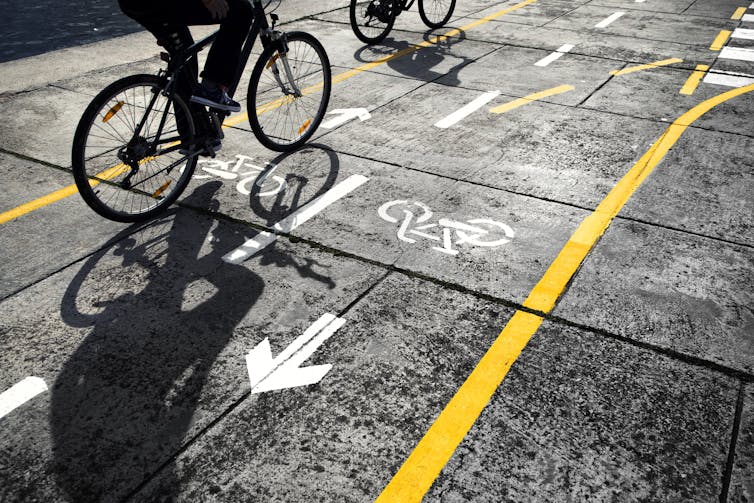
Cyclist on cycle lane
Many cities are looking to expand green initiatives. Robsonphoto/Shutterstock

However, the principles of green, environmentally friendly, car-free or restricted-traffic neighbourhoods can be adopted in any city. Examples of schemes include low-traffic neighbourhoods in London, the 15-minute city initiative in Paris, or Manchester’s plans for a zero-carbon city centre.

While adopting such interventions, it is important to keep citizens’ daily needs in mind to avoid adding extra burdens on them. If motor traffic is to be limited, the availability of public transport must be considered, safe infrastructure for walking and cycling as well as adequate road structure for essential services or deliveries.

Significant capital investment is needed to support these plans. The Barcelona plan is projected to cost €38 million (£34 million). Much more will be required if it is to roll out to more areas. Cities in the developing world and poorer countries cannot afford such huge sums. Moreover, COVID-19 has left several cities laden with a huge amount of debt.

Green city initiatives need to be long-term – and created with the support of local people. Recognition of the benefits of green living and informed support of developments will result in positive behaviour changes by the citizens.

Anupam Nanda, Professor of Urban Economics & Real Estate, University of Manchester

This article is republished from The Conversation under a Creative Commons license. Read the original article.


Tags: SB001
DMCA.com Protection Status

SUBSCRIBE to our NEWSLETTER

[mc4wp_form id=”2384248″]

Don't Miss

Risk Awareness for International Travellers – What Australians Should Know Before Entering Multi-State Regions

by Fazila Olla-Logday
10 December 2025
Schengen
Travel

This guide helps Australian travellers understand cross-border requirements, assess political and environmental risks, manage health and safety considerations, and prepare...

Read moreDetails

The evolution of Aesthetic Surgery through the lens of Dr Kourosh Tavakoli

by Pauline Torongo
4 December 2025
The evolution of Aesthetic Surgery through the lens of Dr. Kourosh Tavakoli
Health & Wellness

As global interest in Australian cosmetic surgery continues to grow, the combination of regulation, research and emerging digital tools is...

Read moreDetails

Ryan: Building real freedom through e-commerce

by Pauline Torongo
27 November 2025
Ryan: Building real freedom through e-commerce
Business & Finance

Ryan’s greatest achievement isn’t any single business or revenue milestone — it’s the ecosystem he’s built through the Change community.

Read moreDetails

Design Australia Group: Redefining Drafting as the engine of housing growth

by Pauline Torongo
26 November 2025
Design Australia Group: Redefining Drafting as the engine of housing growth
Business & Finance

Australia is under pressure to build homes faster, but design bottlenecks slow progress. Design Australia Group is fixing this by...

Read moreDetails

Louis Guy Detata builds Global Trading Empires through autonomous systems and disciplined leadership

by Pauline Torongo
25 November 2025
Louis Guy Detata builds Global Trading Empires through autonomous systems and disciplined leadership
Business & Finance

The path from investment banking to leading a global trading platform has taught Louis Detata that sustainable success requires more...

Read moreDetails

Burning Eucalyptus Wood: Tips, Advantages, Disadvantages & Alternatives

by Fazila Olla-Logday
20 November 2025
Image Supplied
Enviroment

Learn about burning eucalyptus wood for stoves and fireplaces. Discover benefits, drawbacks, harvesting tips, and better alternative firewood options for...

Read moreDetails

Everything Parents Need to Know About Baby Soft Play and Why It’s a Game Changer

by Fazila Olla-Logday
11 November 2025
Everything Parents Need to Know About Baby Soft Play
Health & Wellness

Baby soft play is a fun, safe, and educational way for little ones to explore and grow. Discover the benefits...

Read moreDetails
Load More

Copyright © Blue Sky Publications Ltd. All Rights Reserved.
australiantimes.co.uk is a division of Blue Sky Publications Ltd. Reproduction without permission prohibited. DMCA.com Protection Status

  • About us
  • Write for Us
  • Advertise
  • Contact us
  • T&Cs, Privacy and GDPR
No Result
View All Result
  • News
    • Weather
    • Sport
    • Technology
    • Business & Finance
      • Currency Zone
    • Lotto Results
      • The Lott
  • Lifestyle
    • Entertainment
    • Horoscopes
    • Health & Wellness
    • Recipes
  • Travel
  • Expat Life
  • Move to Australia

Copyright © Blue Sky Publications Ltd. All Rights Reserved.
australiantimes.co.uk is a division of Blue Sky Publications Ltd. Reproduction without permission prohibited. DMCA.com Protection Status

No Result
View All Result
  • News
    • Weather
    • Sport
    • Technology
    • Business & Finance
      • Currency Zone
    • Lotto Results
      • The Lott
  • Lifestyle
    • Entertainment
    • Horoscopes
    • Health & Wellness
    • Recipes
  • Travel
  • Expat Life
  • Move to Australia

Copyright © Blue Sky Publications Ltd. All Rights Reserved.
australiantimes.co.uk is a division of Blue Sky Publications Ltd. Reproduction without permission prohibited. DMCA.com Protection Status