

• Advertise
  • About us
  • Terms and Conditions
  • Contact us
Tuesday, March 24, 2026
Australian Times News
  • News
    • Weather
    • Sport
    • Technology
    • Business & Finance
      • Currency Zone
    • Lotto Results
      • The Lott
  • Lifestyle
    • Entertainment
    • Horoscopes
    • Health & Wellness
    • Recipes
  • Travel
  • Expat Life
  • Move to Australia
No Result
View All Result
  • News
    • Weather
    • Sport
    • Technology
    • Business & Finance
      • Currency Zone
    • Lotto Results
      • The Lott
  • Lifestyle
    • Entertainment
    • Horoscopes
    • Health & Wellness
    • Recipes
  • Travel
  • Expat Life
  • Move to Australia
No Result
View All Result
Australian Times News
No Result
View All Result
Home News

Sewage-testing robots process wastewater faster to predict COVID-19 outbreaks sooner

When clinical studies emerged showing that people who test positive for SARS-CoV-2 shed the virus in their stool, the sewer seemed like an obvious place to look for it. Wastewater surveillance can be used at the community level to see potential outbreak clusters before clinical diagnosis, especially in areas where COVID-19 prevalence rates far exceed testing rates.

The Conversation by The Conversation
13-03-2021 22:15
in News
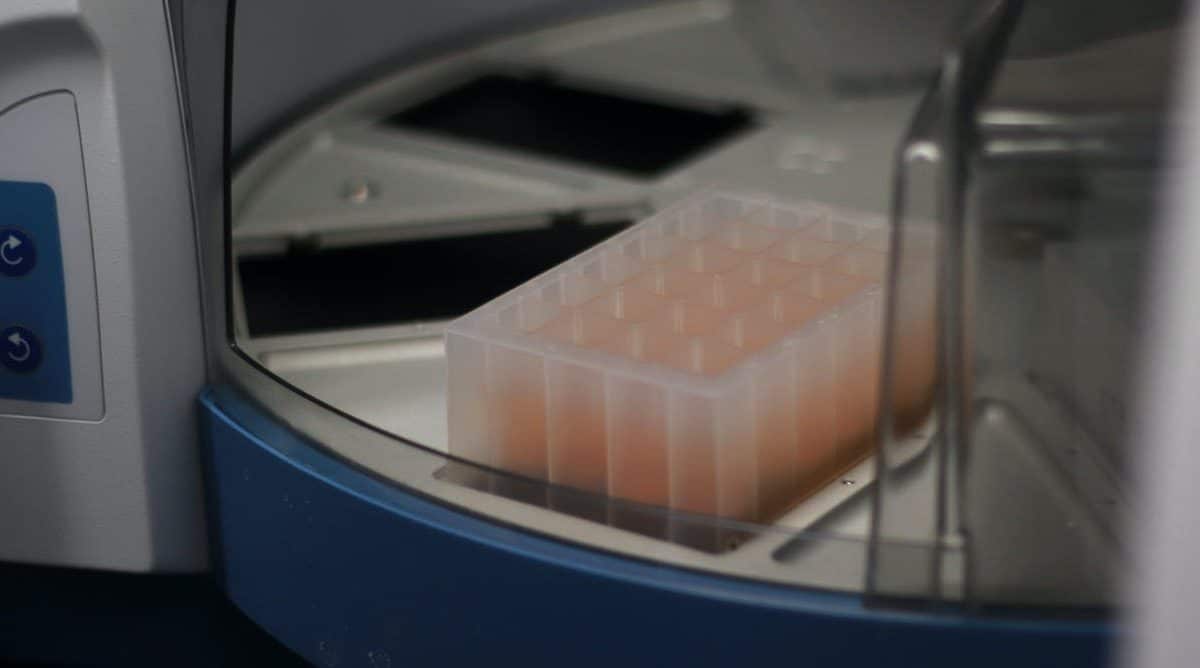
Sewage samples mixed with magnetic beads and loaded onto the liquid-handling robot for viral concentration. C. H. Sheikhzadeh @ HOMA Photographic Art

Sewage samples mixed with magnetic beads and loaded onto the liquid-handling robot for viral concentration. C. H. Sheikhzadeh @ HOMA Photographic Art

Smruthi Karthikeyan, University of California San Diego and Rob Knight, University of California San Diego

The Research Brief is a short take about interesting academic work.

The big idea

By using a sewage-handling robot, our laboratory has been able to detect coronavirus in wastewater 30 times faster than nonautomated large-scale systems. This advance, published in the microbiology journal mSystems, provides even more lead time to communities monitoring their wastewater for early warning about local cases of COVID-19.

When clinical studies emerged showing that people who test positive for SARS-CoV-2 shed the virus in their stool, the sewer seemed like an obvious place to look for it. Wastewater surveillance can be used at the community level to see potential outbreak clusters before clinical diagnosis, especially in areas where COVID-19 prevalence rates far exceed testing rates.

The problem is that the virus is heavily diluted in the waste stream because of how many people’s bathrooms drain into it, not to mention all the other junk they flush. Surveillance depends on concentrating the viral particles from the wastewater to detect these low levels. This viral concentration step is typically the major bottleneck in wastewater analyses because it’s laborious and time-consuming. Our robot system takes a different, quicker approach.
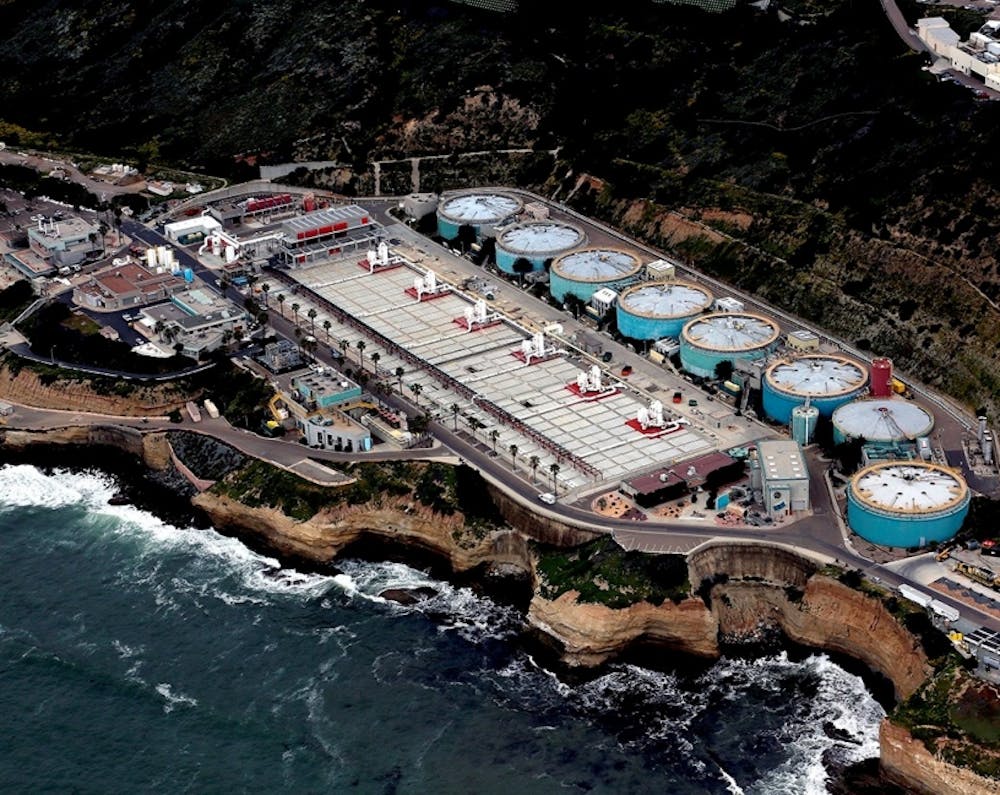
aerial view of Point Loma Wastewater Treatment Plant
Wastewater treatment plants can be the front lines for coronavirus detection in a community. San Diego County, CC BY-ND

Why it matters

Cities, schools and businesses around the country are using wastewater surveillance to find coronavirus in their midst.

Wastewater surveillance is especially useful as an early-alert system for high-risk areas, such as communities where undocumented residents may be cautious about individual testing.


AlsoRead...

Design Without Compromise: Where Gutter Protection Meets Modern Architecture

Design Without Compromise: Where Gutter Protection Meets Modern Architecture

20 March 2026
The Rise of This Lead Generation Workshop Across Australia

The Rise of This Lead Generation Workshop Across Australia

13 February 2026

The most commonly used viral concentration technique uses filters and can take anywhere from six to eight hours to transform a couple dozen sewage specimens into samples that can then be tested for the presence of SARS-CoV-2. Our new protocol concentrates 24 samples in a single 40-minute run.

We repurposed gear that usually performs microbiology or cell biology tasks in the lab to deal with sewage instead. By miniaturizing and automating our system, we eliminate a bunch of labor-intensive steps, resources and associated costs. And our hands-free process is much quicker.
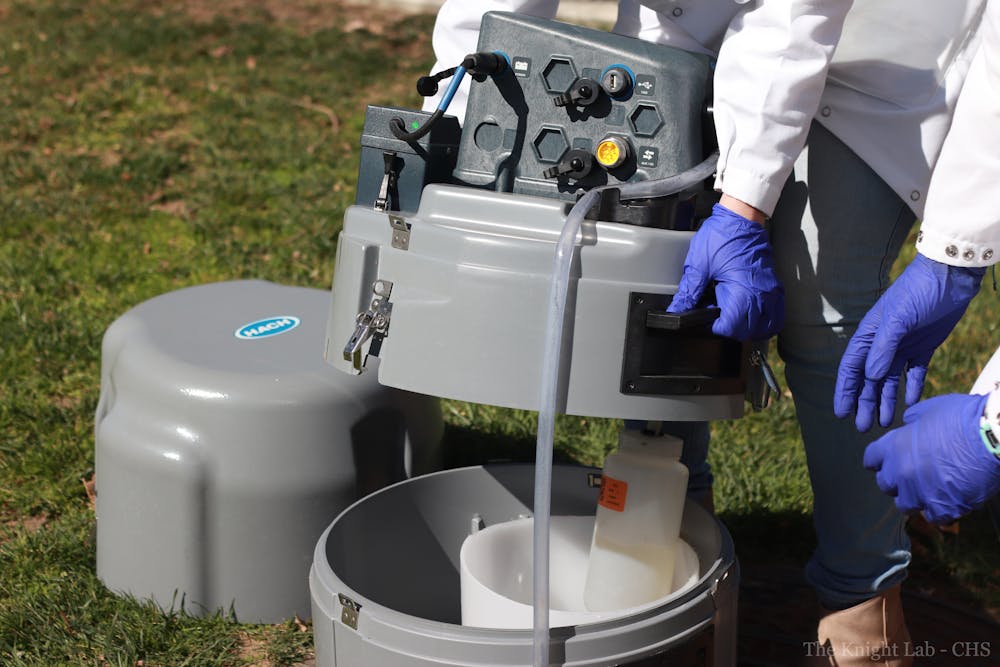
Gloved researchers open an autosampler to remove a bottle of liquid.
Researchers gather a liter of sewage collected over the course of the day from a sewer line connected to a UC San Diego building. C.H. Sheikhzadeh, CC BY-ND

How we do this work

We gather sewage from autosamplers at San Diego’s main wastewater treatment plant, as well as from those we’ve deployed at over 100 manholes on the campus of the University of California, San Diego, which collect sewer samples every 30 minutes through the day.

Then, back in the lab, instead of relying on multiple filter steps, we use tiny magnetic beads to enrich the viral particles. We purchase these nanomagnetic beads that are designed to bind to a variety of respiratory viruses. The sewage-handling robot is equipped with a specialized magnetic head that snags the magnetic beads, with viruses attached. It preferentially fishes out viral particles, leaving behind the rest of the junk in the sewage sample.

Using a robot to automate the sewage concentration process lets us concentrate 24 samples in 40 minutes for each robot. Then the same robot can extract the viral RNA, processing 96 samples in 36 minutes. Finally, we use a polymerase chain reaction to search for the signature genes of SARS-CoV-2, much like a clinical diagnostic test that a lab would run on a patient’s nasal swab.

Overall, our system can process 96 samples in 4.5 hours, dramatically reducing the time from specimen to result.

What’s next

So far, ours is the only coronavirus wastewater study we’re aware of that uses an automated process.

We’re using this technique as a part of our large-scale wastewater surveillance on campus and sampling over 100 locations daily. San Diego school districts are also using it as an early-alert system.

We’re now using the viral genome sequencing part of our system to track the emergence of new SARS-CoV-2 variants.

Smruthi Karthikeyan, Postdoctoral Research Associate in Pediatrics, University of California San Diego and Rob Knight, Professor of Pediatrics and Computer Science and Engineering, University of California San Diego

This article is republished from The Conversation under a Creative Commons license. Read the original article.


Tags: SB001
DMCA.com Protection Status

SUBSCRIBE to our NEWSLETTER

[mc4wp_form id=”2384248″]

Don't Miss

Design Without Compromise: Where Gutter Protection Meets Modern Architecture

by Fazila Olla-Logday
20 March 2026
Design Without Compromise: Where Gutter Protection Meets Modern Architecture
Business & Finance

Design without compromise by integrating gutter protection seamlessly into modern architecture. Discover how innovative gutter systems enhance your home’s aesthetics...

Read moreDetails

How WageSafe Secured Australia’s Most Reputable Retail Business Among Its Premium Clients

by Fazila Olla-Logday
12 March 2026
How WageSafe Secured Australia’s Most Reputable Retail Business Among Its Premium Clients
at

Learn how WageSafe helps businesses stay compliant with payroll and wage regulations through reliable monitoring, risk management, and expert support—protecting...

Read moreDetails

Zakeke AI Agent Studio Removes the E-Commerce Content Bottleneck With Outputs in Seconds

by Fazila Olla-Logday
3 March 2026
Zakeke AI Agent Studio Removes the E-Commerce Content Bottleneck With Outputs in Seconds
at

Zakeke AI Agent Studio removes the e-commerce content bottleneck by generating product content and visuals in seconds, enabling brands to...

Read moreDetails

Empire Traveller launches to give Small and Medium Businesses Enterprise-Level Travel rates

by Pauline Torongo
20 February 2026
Empire Traveller launches to give Small and Medium Businesses Enterprise-Level Travel rates
Travel

Empire Traveller suggests the travel sector may be entering a more inclusive phase — one where advantage is shaped less...

Read moreDetails

Is Feng Shui Master Xu Really A Modern Genius?

by Fazila Olla-Logday
19 February 2026
Is Feng Shui Master Xu Really A Modern Genius?
at

Is Feng Shui Master Xu truly a modern genius, or simply a master of timeless wisdom? Blending ancient Feng Shui...

Read moreDetails

The Rise of This Lead Generation Workshop Across Australia

by Pauline Torongo
13 February 2026
The Rise of This Lead Generation Workshop Across Australia
Business & Finance

“Where U?”, is a two-day in-person lead generation workshop that teaches Australian business owners how to build their own acquisition...

Read moreDetails

Lyca Mobile Australia’s Customer-First Overhaul Pays Off with Finder Award Win

by Fazila Olla-Logday
2 February 2026
Lyca Mobile Australia's Customer-First Overhaul Pays Off with Finder Award Win
Technology

Lyca Mobile Australia’s customer-first overhaul has earned a Finder Award, recognising its improved value, service, and stronger focus on Australian...

Read moreDetails
Load More

Copyright © Blue Sky Publications Ltd. All Rights Reserved.
australiantimes.co.uk is a division of Blue Sky Publications Ltd. Reproduction without permission prohibited. DMCA.com Protection Status

  • About us
  • Write for Us
  • Advertise
  • Contact us
  • T&Cs, Privacy and GDPR
No Result
View All Result
  • News
    • Weather
    • Sport
    • Technology
    • Business & Finance
      • Currency Zone
    • Lotto Results
      • The Lott
  • Lifestyle
    • Entertainment
    • Horoscopes
    • Health & Wellness
    • Recipes
  • Travel
  • Expat Life
  • Move to Australia

Copyright © Blue Sky Publications Ltd. All Rights Reserved.
australiantimes.co.uk is a division of Blue Sky Publications Ltd. Reproduction without permission prohibited. DMCA.com Protection Status

No Result
View All Result
  • News
    • Weather
    • Sport
    • Technology
    • Business & Finance
      • Currency Zone
    • Lotto Results
      • The Lott
  • Lifestyle
    • Entertainment
    • Horoscopes
    • Health & Wellness
    • Recipes
  • Travel
  • Expat Life
  • Move to Australia

Copyright © Blue Sky Publications Ltd. All Rights Reserved.
australiantimes.co.uk is a division of Blue Sky Publications Ltd. Reproduction without permission prohibited. DMCA.com Protection Status





