


Arik Burakovsky, Tufts University
As Russia struggles with its third wave of COVID-19, the authorities have adopted new measures to contain the coronavirus. But pervasive vaccine hesitancy has put a massive strain on the Kremlin’s pandemic response.
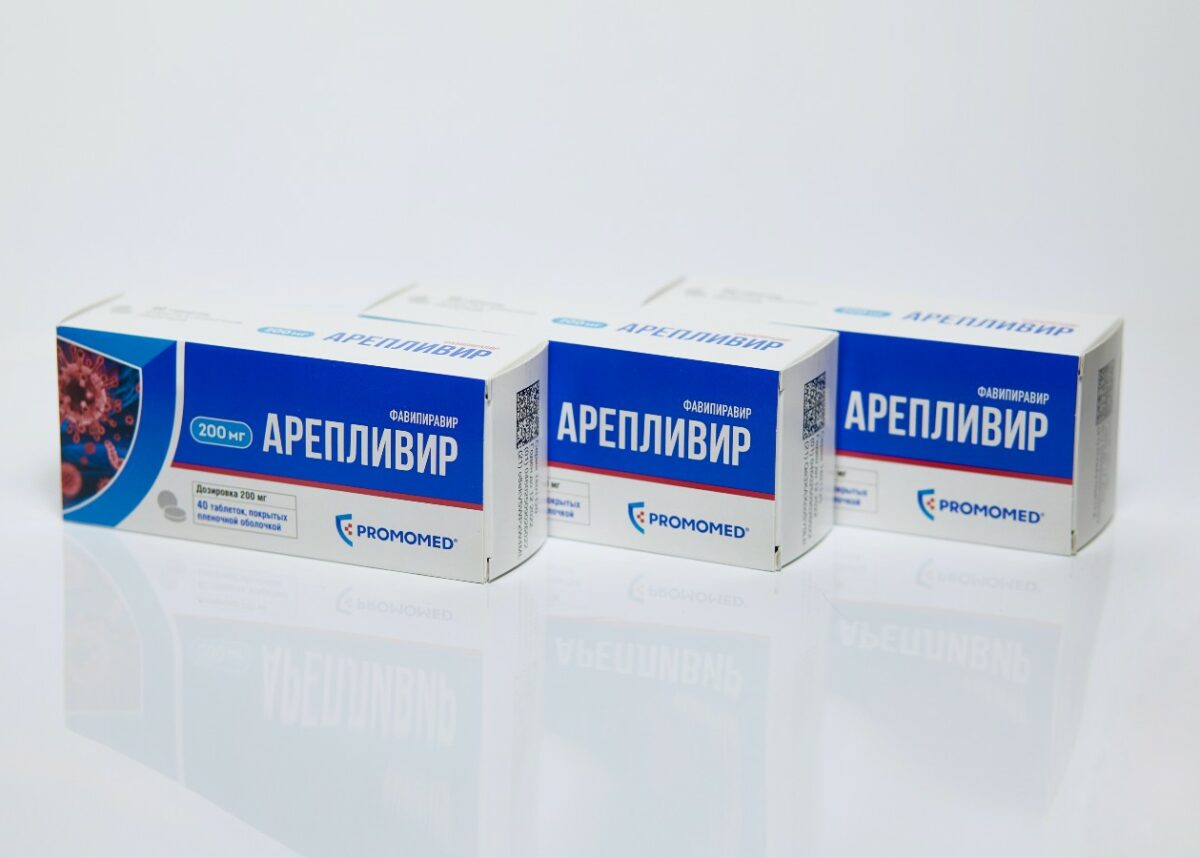
While the delta variant helps explain the latest spike in daily infections, sluggish vaccination rates – about 24% of the population is fully vaccinated – are perhaps the biggest culprit.
Russia has registered around 20,000 new COVID-19 cases daily during July and August 2021. And the Ministry of Health reported in August that more than 98% of hospitalized COVID-19 patients were unvaccinated.
The official death toll rose in August to roughly 800 per day, an all-time record. But some demographers argue that COVID-19-related fatalities are significantly undercounted.
In my research on Russian society, I have found that Russians remain largely unconvinced that vaccines are safe.
The worsening epidemological situation has undermined public health – hospital beds in COVID-19 hotspots are filling up again – and threatens economic recovery. But Russians’ deep-rooted mistrust in institutions will hamper the country’s efforts to move past the pandemic.


Government efforts to curb COVID-19
With the coronavirus – and vaccine skepticism – running rampant across Russia, public campaigns to promote vaccination have recently gained more prominence.
During his annual call-in television special, “Direct Line,” in June, President Vladimir Putin revealed that he had received the Sputnik V vaccine, one of the four vaccines available in the country. (The others are EpiVacCorona, CoviVac and the single-dose Sputnik Light.) Putin stressed that all of them are safe.
The Kremlin supports increased immunization among Russians – it has announced a lottery that will give 1,000 winners the equivalent of US$1,350 – but it has refused to introduce a nationwide vaccine mandate.
And though Putin has occasionally announced non-working periods, where people do not need to go to work, in order to prevent COVID-19 surges, he has mostly employed a hands-off approach to the virus, often delegating tough action to Russia’s 85 regional governments.
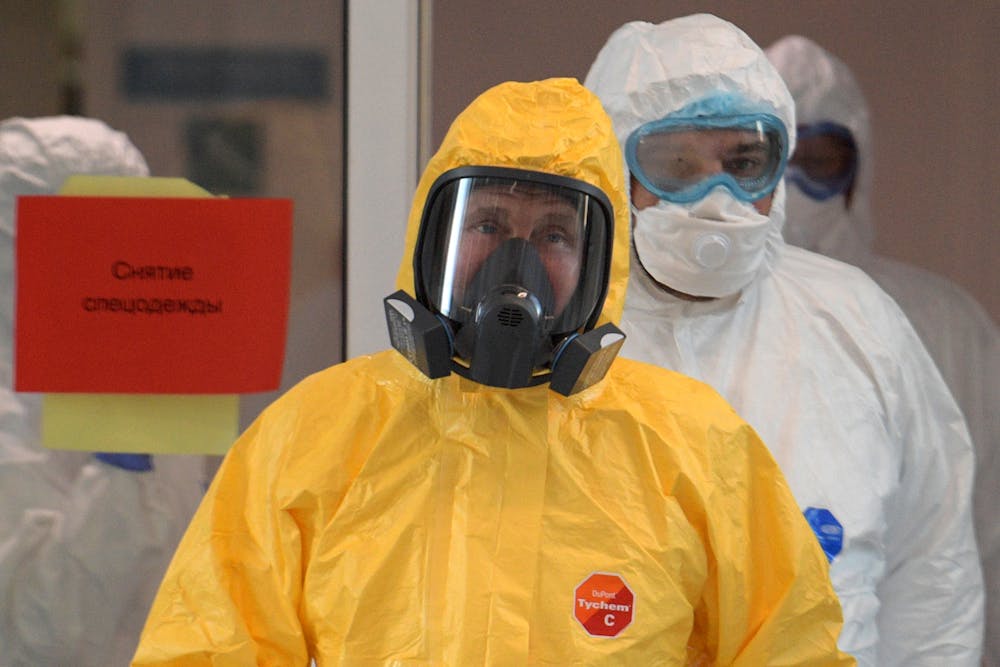
Regional governments across Russia have launched several efforts to boost vaccinations, mostly to mixed results.
Moscow Mayor Sergey Sobyanin has announced that the city will give away five cars every week to vaccinated residents. He also deployed a QR-code system to keep the unvaccinated from indoor restaurants and bars.
But the requirement was later canceled due to technical hiccups and noncompliance from business owners and customers alike.
Most regional governments have recently made vaccinations mandatory in the service, trade, health care and transportation industries, imposing harsh punishments on employers who fail to have at least 60% of workers vaccinated.
And popular tourist destinations such as Sochi, a beach resort city on the Black Sea, have also introduced travel restrictions. The city now requires travelers to prove their vaccination status or to arrive with a negative COVID-19 test.
Although the latest surge in infections has prompted an uptick in jabs, Russia still has a long way to go before life can return to normal. The Kremlin recently admitted it has failed to reach its target of vaccinating at least 60% of Russians by the autumn of 2021.
Widespread vaccine skepticism
Mounting evidence has confirmed the effectiveness of the two-shot Sputnik V vaccine.
Russia has the highest vaccine hesitancy rates in the world. A recent survey shows that 54% of Russians are unwilling to get vaccinated, a level of reluctance that has remained almost unchanged in the past year. Most vaccine detractors say they would refuse to get inoculated under any circumstances or until there are no proven side effects.
In response to the new regional vaccine mandates, many Russians have turned to the black market for fake vaccination records, risking fines and even criminal prosecution.
More than 500 websites were launched in June offering fabricated vaccination certificates and QR-codes. Prices for the certificates range between $14 and $406, according to Forbes Russia.
Vaccine hesitancy should not come as a surprise. Russians have a longstanding distrust of institutions, including the government, the media and the state-run health care system.
A 2019 poll showed that 41% of Russians do not trust medical professionals. And nearly half of respondents said they would go to another physician to verify a initial diagnosis or prescription.
[3 media outlets, 1 religion newsletter. Get stories from The Conversation, AP and RNS.]
Economic recovery concerns
Following a moderate contraction in 2020, Russia’s economy was one of the first globally to return to its pre-pandemic size this summer. In the second quarter of 2021, the country’s GDP rose by 10.3% year-on-year and narrowly exceeded a pre-pandemic peak.
The reasons for Russia’s economic growth are manifold. They include rising oil prices, growing consumer demand and state support of small and medium-sized enterprises through tax reductions and the deferral of loan payments.
Since the crisis began, the government has spent the equivalent of billion of dollars to support businesses and provide Russians cash handouts.
However, some economists warn that Russia’s economic rebound could be short-lived.
The central bank has hiked its key interest rate four times since March to combat inflation. But if the coronavirus continues to spread, regional governments may have no choice but to revert to lockdowns, stifling an economic reopening.
A recent international study found that Russians are the most pessimistic about post-pandemic economic life. The survey shows that 66% of respondents think it will take more than three years for the economy to recover. And 25% believe it will take at least two years.
Government attempts to mitigate the pandemic and its economic fallout have proved increasingly challenging without institutional trust. Confidence in health care providers influences how people use services and follow instructions, making it indispensable to pandemic management and prevention.
Until now, the Russian government has had limited success increasing vaccination rates. That is unlikely to change, barring a major shift in tactics. If the authorities want to reduce vaccine hesitancy, they will need to work diligently to restore trust in institutions.
Arik Burakovsky, Assistant Director, Russia and Eurasia Program, The Fletcher School of Law and Diplomacy, Tufts University
This article is republished from The Conversation under a Creative Commons license. Read the original article.







