


Yohannes Gedamu, Georgia Gwinnett College
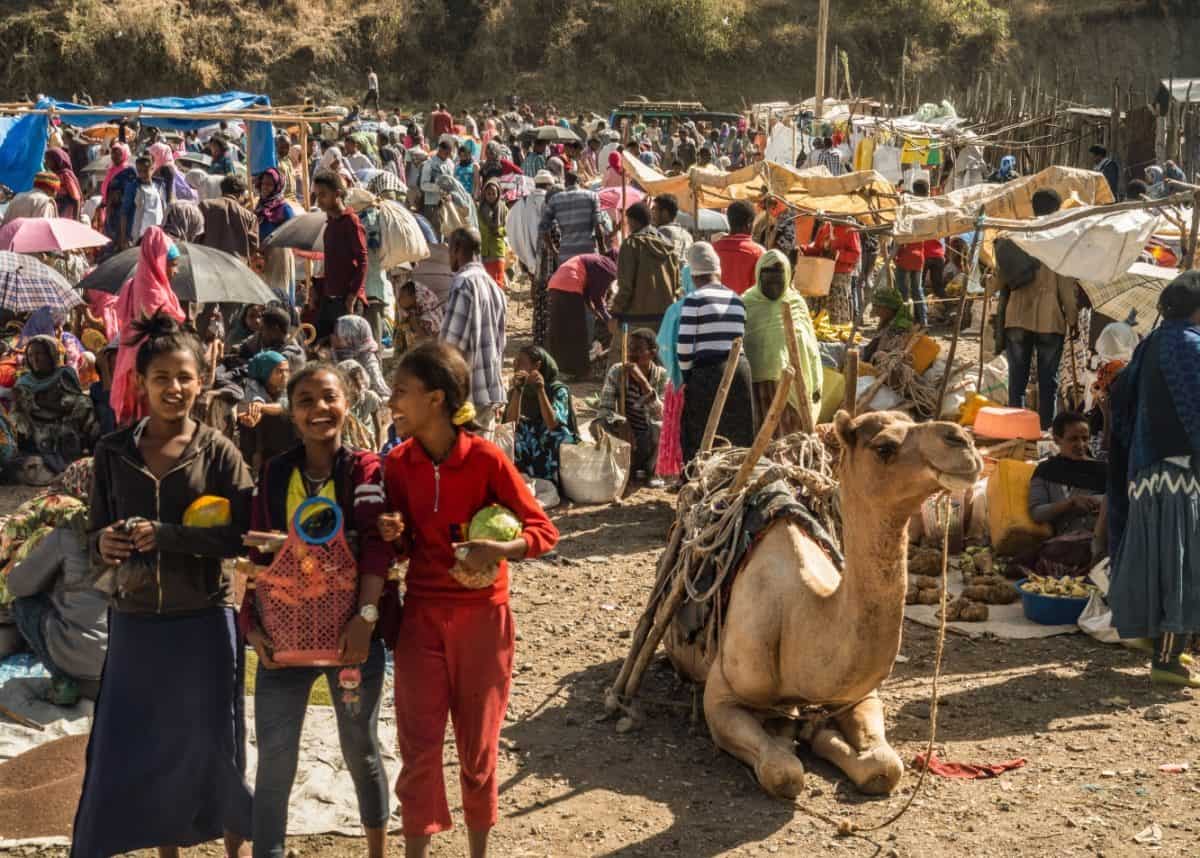
For three years, between 2015 and early 2018, there were popular protests across Ethiopia, but particularly in the country’s two largest regions – Oromia and Amhara.
The popular discontent was driven by the 27-year-long marginalisation of most ethnic groups, massive corruption that bankrupted the state, and an ethnic federal arrangement that was being used to sow racial tensions and ethnic violence.
2018 was a watershed year for the country. Early in the year the premier, Hailemariam Desalegn, resigned after six years in office. His resignation came as a surprise to the establishment. Abiy Ahmed was appointed prime minister after replacing Desalegn as the leader of the ruling Ethiopian People’s Revolutionary Democratic Front. He quickly began a process of political reforms.
Abiy called for peace and unity and economic prosperity. He also released tens of thousands of political prisoners.
But the most profound changes he made were political. He disbanded the ruling coalition, which had ruled Ethiopia since 1991, and replaced it with the new Prosperity Party.
The coalition was made up of four parties representing the Oromia, Amhara, Tigray and Southern Ethiopia regions. But the dominant party was the Tigray People’s Liberation Front. The Tigray front held sway over Ethiopian politics for almost three decades. It led the rebel movements during the late 1980s that helped oust the regime led by Colonel Mengistu Hailemariam in 1991.


The collapse of the Ethiopian People’s Revolutionary Democratic Front meant the demise of the Tigray People’s Liberation Front’s dominant role in Ethiopian politics. Not surprisingly, it reacted badly to Abiy’s reforms. These tensions came to a head when Ethiopia’s house of representatives postponed the national elections, citing COVID-19.
The Tigrayan regional government decided to go ahead with a local poll. This was a clear violation of the decision taken in Addis Ababa. Moreover, the Tigray front created its own electoral board. This was contrary to the constitution, which states that only the national electoral board can organise local or national elections. Six weeks after the poll the tension between the Abiy administration and the Tigray front became open conflict. The confrontation began when the front attacked national army bases in Tigray.
The front claims that it is acting to protect Ethiopia’s ethnic-federal system of government. It views Abiy’s Prosperity Party as a vehicle to create a centralised form of government, and to dismantle the federal arrangement.
Uneasy federation
Abiy’s attempts to mend the social fabric of the country included creating an inclusive political environment and media space. He also oversaw the return of once armed anti-Ethiopian government rebel groups from foreign bases to pursue peaceful political participation.
But a lack of peace and security continued to plague the country. Inter-ethnic clashes and internal displacement of citizens continued unabated.
The government blamed the Tigray People’s Liberation Front and the Oromo Liberation Army – the only two liberation fronts in the country – for much of the instability.
In particular, the Oromo Liberation Army – one of the groups that returned home to follow a peaceful path of struggle – was accused of taking up arms again Western Ethiopia, targeting ethnic Amharas.
The government also accused the Tigray People’s Liberation Front of aiding the rogue group.
For many Ethiopians the violence was proof that Abiy and his administration had shown too much patience, costing the country its stability.
Tensions reached new heights when the Tigray People’s Liberation Front, which controls the northern most Tigrayan region, attacked the Northern Command of the Ethiopian National Defence Forces.
The Tigray People’s Liberation Front stated that the first attack came from the national defence force itself. However, evidence by the government and the front’s own admission proved that this was not the case.
While the immediate cause of the current conflict in Northern Tigray was the attack on a national army base, the underlying cause of the Ethiopian military’s assault on Tigray remains the Tigray People’s Liberation Front’s relentless attempts to undermine the political reforms and Abiy’s leadership.
There is also evidence that it attempted to incite ethnic violence by using its proxies, such as the Oromo Liberation Army, to undermine Abiy’s authority.
In addition, before the conflict started, the Tigray People’s Liberation Front had rebuffed peaceful overtures from Addis Ababa for almost two years.
Overtures
The federal government has made a number of attempts to settle differences. This has included using traditional conflict resolution methods. For example, Addis Ababa dispatched elderly Ethiopians, known as shimagles in Amharic, to start a political dialogue.
Ethiopia’s Islamic and orthodox clergy along with other Christian denominations and traditional faiths have also been called on to contribute to the peaceful resolution of tensions between the regions and the federal government.
In addition, a peace and reconciliation commission was established by the House of Representatives, Ethiopia’s lower house of Parliament. It also attempted to minimise tensions by travelling to Mekelle, the capital of the Tigray region.
However, the commission’s delegates were rebuffed. By doing so, the Tigray People’s Liberation Front showed disregard for the olive branches from Abiy’s government.
An end in sight?
Today, Ethiopians fear that the conflict could be a prolonged one. Abiy has also made his objectives clear.
The federal government has established a caretaker administration to replace the Tigray People’s Liberation Front once the conflict ends.
The conflict threatens to be a costly one. Tigrayan Ethiopians are fleeing into neighbouring Sudan as civilians are caught in the crossfire. Developmental infrastructure is being destroyed. The massacre committed by retreating Tigray forces was the most heartbreaking of all.
Fears of a humanitarian crisis are justified. It is hoped that the government will open a humanitarian corridor to provide access for aid workers.
In my view, a political settlement through dialogue and negotiation could be a solution to the conflict. However, at this point, the likelihood of a negotiated settlement seems unlikely given the fact that the Tigray People’s Liberation Front admitted to firing rockets into the neighbouring Amhara region, further enraging federal authorities.
The front also admitted to firing missiles at Eritrea’s capital city, Asmara, an act that could prolong the fighting.
Yohannes Gedamu, Lecturer of Political Science, Georgia Gwinnett College
This article is republished from The Conversation under a Creative Commons license. Read the original article.







