• Advertise
  • About us
  • Terms and Conditions
  • Contact us
Saturday, December 6, 2025
Australian Times News
  • News
    • Weather
    • Sport
    • Technology
    • Business & Finance
      • Currency Zone
    • Lotto Results
      • The Lott
  • Lifestyle
    • Entertainment
    • Horoscopes
    • Health & Wellness
    • Recipes
  • Travel
  • Expat Life
  • Move to Australia
No Result
View All Result
  • News
    • Weather
    • Sport
    • Technology
    • Business & Finance
      • Currency Zone
    • Lotto Results
      • The Lott
  • Lifestyle
    • Entertainment
    • Horoscopes
    • Health & Wellness
    • Recipes
  • Travel
  • Expat Life
  • Move to Australia
No Result
View All Result
Australian Times News
No Result
View All Result
Home News

Research that shines light on how cells recover from threats may lead to new insights into Alzheimer’s and ALS

Researchers have linked stress granule biology and the stress response process in general to several neurodegenerative diseases, including Alzheimer’s disease, ALS or Lou Gehrig’s disease, and some forms of dementia.

The Conversation by The Conversation
26-06-2021 18:07
in News
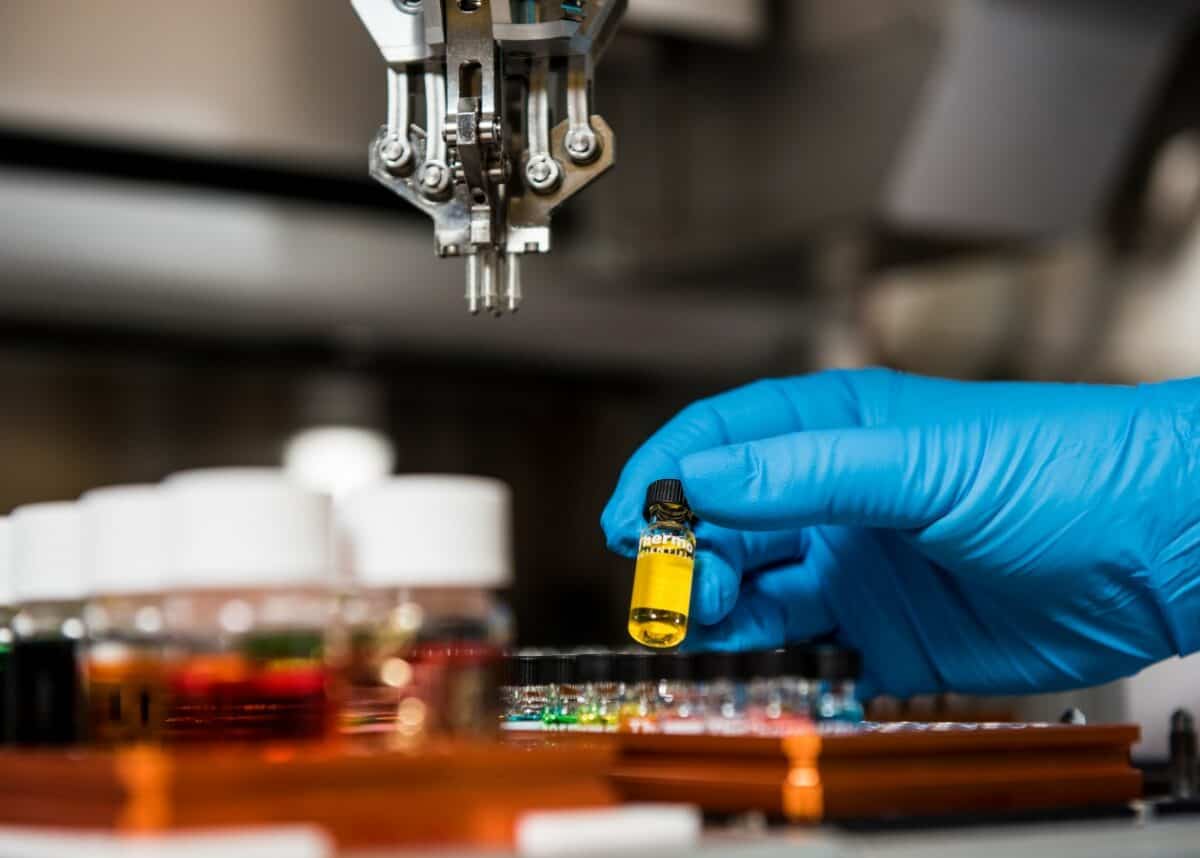
Photo by Science in HD on Unsplash

Photo by Science in HD on Unsplash

Brian Andrew Maxwell, St. Jude Children’s Research Hospital Graduate School of Biomedical Sciences

The Research Brief is a short take about interesting academic work.

The big idea

Our bodies contain a special protein tag that plays a role in how cells recover from specific threats to their survival, according to new research I co-authored. Understanding how this process works may be key to future treatments for neurodegenerative diseases, such as Alzheimer’s disease and some forms of dementia.

Cells regularly encounter potentially harmful changes in their environment, such as fluctuating temperature or exposure to UV light or toxins. To ensure survival, cells have evolved complex ways to adapt to these stressful changes. These mechanisms range from temporary changes in metabolism to wholesale shutdown of critical biological processes that might otherwise be permanently damaged.

For example, many cellular stresses temporarily shut down protein production while messenger RNAs, which carry part of the DNA code through the cell, become sequestered in dense structures known as stress granules. When the stress passes, the stress granules are disassembled and cells emerge from this defensive state to resume normal activities.

But until now, molecular biologists like me didn’t understand exactly how this mechanism worked.

In a pair of peer-reviewed studies published in the journal Science on June 25, 2021, my colleagues and I working in J. Paul Taylor’s cell and molecular biology lab explain how a protein known as ubiquitin is responsible for getting cells back up and running once the coast is clear.


AlsoRead...

Ryan: Building real freedom through e-commerce

Ryan: Building real freedom through e-commerce

27 November 2025
Design Australia Group: Redefining Drafting as the engine of housing growth

Design Australia Group: Redefining Drafting as the engine of housing growth

26 November 2025

In the first study, I discovered that different types of stress lead to specific proteins in cells getting tagged with ubiquitin in distinct ways. I exposed cells to either heat stress or a toxic chemical, then blocked the ubiquitin-tagging process after seemingly identical stress granules formed. To my surprise, blocking ubiquitin tagging only prevented stress granule disassembly for heat shock. Importantly, I also found that cells were unable to restart key biological processes like protein production and transport when these stress granules remained present, even after a return to normal temperatures.

In the second study, my colleague Youngdae Gwon looked closer into this process. He discovered that heat stress triggers ubiquitin tagging of a key protein that allows an enzyme to disassemble stress granules. This enzyme grabs onto the ubiquitin tag and uses it as a handle to pull the structure apart.

Why it matters

Researchers have linked stress granule biology and the stress response process in general to several neurodegenerative diseases, including Alzheimer’s disease, ALS or Lou Gehrig’s disease, and some forms of dementia.

For example, mutations in the the same protein, which we found to be necessary to dissemble stress granules, can cause inherited neurodegenerative diseases. Understanding how stress granules are regulated is critical to getting a better grasp on how these diseases work and potentially finding new treatments for them.

What still isn’t known

Although we identified several key factors in the role ubiquitin plays in the disassembly of stress granules, many molecular details of this process remain unknown. To gain further insight, scientists will need to identify which enzymes are responsible for putting the ubiquitin tag on proteins during stress in the first place. Additionally, it will be important to understand how mutations that lead to neurodegenerative diseases might also affect the stress recovery process.

What other research is being done

Researchers are investigating various aspects of stress granule biology and its links to neurodegenerative disease. Some are working to recreate stress granules in a test tube to explore questions not easily answered by working in cells. And others are looking inside live neurons, mice and fruit flies to understand how disease mutations affect stress recovery in living cells and creatures.

[The Conversation’s most important coronavirus headlines, weekly in a science newsletter]

Brian Andrew Maxwell, Scientist in Cell Biology, St. Jude Children’s Research Hospital Graduate School of Biomedical Sciences

This article is republished from The Conversation under a Creative Commons license. Read the original article.


Tags: SB001
DMCA.com Protection Status

SUBSCRIBE to our NEWSLETTER

[mc4wp_form id=”2384248″]

Don't Miss

The evolution of Aesthetic Surgery through the lens of Dr Kourosh Tavakoli

by Pauline Torongo
4 December 2025
The evolution of Aesthetic Surgery through the lens of Dr. Kourosh Tavakoli
Health & Wellness

As global interest in Australian cosmetic surgery continues to grow, the combination of regulation, research and emerging digital tools is...

Read moreDetails

Ryan: Building real freedom through e-commerce

by Pauline Torongo
27 November 2025
Ryan: Building real freedom through e-commerce
Business & Finance

Ryan’s greatest achievement isn’t any single business or revenue milestone — it’s the ecosystem he’s built through the Change community.

Read moreDetails

Design Australia Group: Redefining Drafting as the engine of housing growth

by Pauline Torongo
26 November 2025
Design Australia Group: Redefining Drafting as the engine of housing growth
Business & Finance

Australia is under pressure to build homes faster, but design bottlenecks slow progress. Design Australia Group is fixing this by...

Read moreDetails

Louis Guy Detata builds Global Trading Empires through autonomous systems and disciplined leadership

by Pauline Torongo
25 November 2025
Louis Guy Detata builds Global Trading Empires through autonomous systems and disciplined leadership
Business & Finance

The path from investment banking to leading a global trading platform has taught Louis Detata that sustainable success requires more...

Read moreDetails

Burning Eucalyptus Wood: Tips, Advantages, Disadvantages & Alternatives

by Fazila Olla-Logday
20 November 2025
Image Supplied
Enviroment

Learn about burning eucalyptus wood for stoves and fireplaces. Discover benefits, drawbacks, harvesting tips, and better alternative firewood options for...

Read moreDetails

Everything Parents Need to Know About Baby Soft Play and Why It’s a Game Changer

by Fazila Olla-Logday
11 November 2025
Everything Parents Need to Know About Baby Soft Play
Health & Wellness

Baby soft play is a fun, safe, and educational way for little ones to explore and grow. Discover the benefits...

Read moreDetails

WOMAD Sets Up a New Camp in Wiltshire – Australian festival fans take note!

by Kris Griffiths
11 November 2025
Kumbia Boruka brought their reggae and dancehall flavour to the Taste the World Stage at WOMAD 2024 - Credit - Mike Massaro
Entertainment

With its 2026 edition moving to Neston Park in England, WOMAD offers Aussie music lovers a chance to reconnect with global...

Read moreDetails
Load More

Copyright © Blue Sky Publications Ltd. All Rights Reserved.
australiantimes.co.uk is a division of Blue Sky Publications Ltd. Reproduction without permission prohibited. DMCA.com Protection Status

  • About us
  • Write for Us
  • Advertise
  • Contact us
  • T&Cs, Privacy and GDPR
No Result
View All Result
  • News
    • Weather
    • Sport
    • Technology
    • Business & Finance
      • Currency Zone
    • Lotto Results
      • The Lott
  • Lifestyle
    • Entertainment
    • Horoscopes
    • Health & Wellness
    • Recipes
  • Travel
  • Expat Life
  • Move to Australia

Copyright © Blue Sky Publications Ltd. All Rights Reserved.
australiantimes.co.uk is a division of Blue Sky Publications Ltd. Reproduction without permission prohibited. DMCA.com Protection Status

No Result
View All Result
  • News
    • Weather
    • Sport
    • Technology
    • Business & Finance
      • Currency Zone
    • Lotto Results
      • The Lott
  • Lifestyle
    • Entertainment
    • Horoscopes
    • Health & Wellness
    • Recipes
  • Travel
  • Expat Life
  • Move to Australia

Copyright © Blue Sky Publications Ltd. All Rights Reserved.
australiantimes.co.uk is a division of Blue Sky Publications Ltd. Reproduction without permission prohibited. DMCA.com Protection Status