Anjuli R. K. Shere, University of Oxford and Jason Nurse, University of Kent
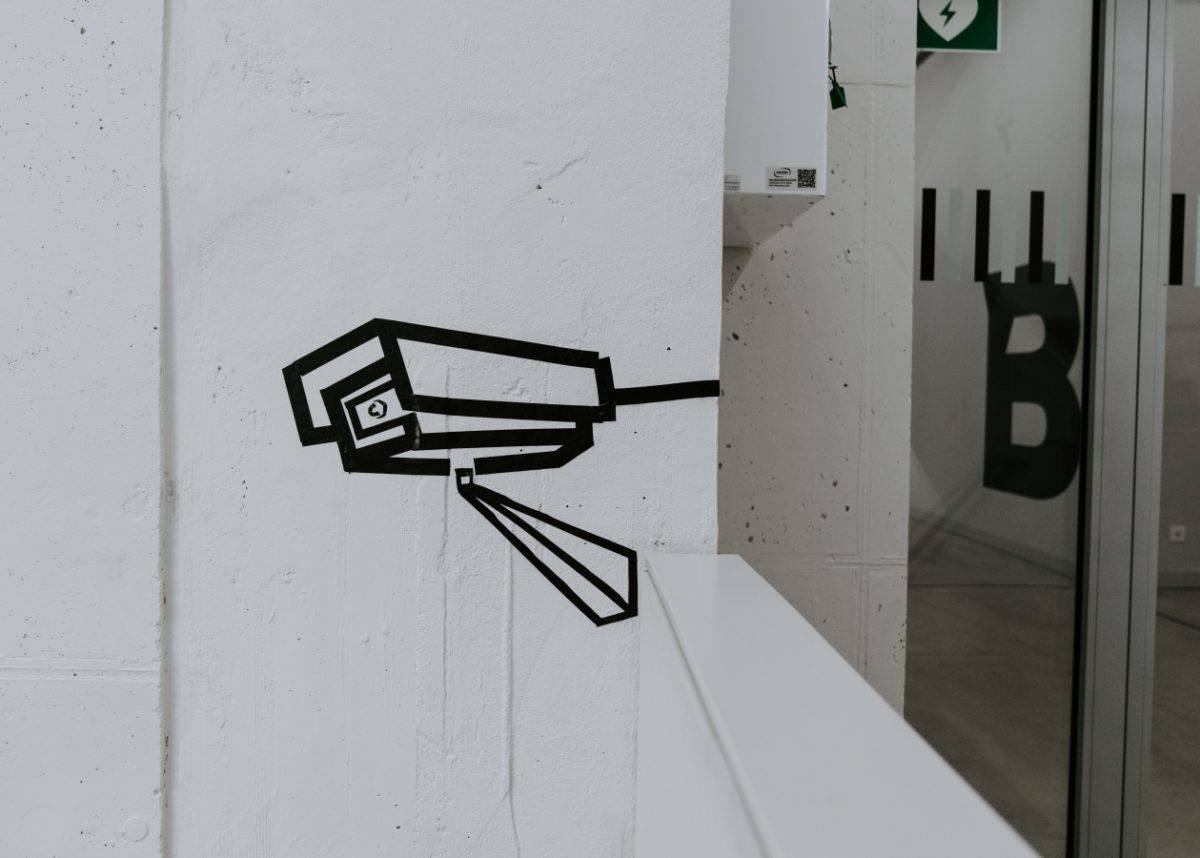
US police forces have been turning to technology to track down Black Lives Matter protestors. Content from social media platforms and affiliated sites has been instrumental in the authorities being able to identify protestors based on photos of their faces, clothes and hair, or on the fact that they posted while at the protests. Meanwhile, drones have been added to the police’s own means of capturing footage of the protests.
Making technology-driven state surveillance part of the police’s response to democratic protest sets a dangerous precedent. There is a risk that the power this gives to police to target protestors could be abused and have a chilling effect on freedom of speech and assembly. This is particularly true in the case of Black Lives Matter, given alleged evidence of the infiltration of US law enforcement agencies by white supremacists.
What’s more, the amount of data on people that is gathered by technology and potentially available to law enforcement is set to grow thanks to the rapid expansion of internet-connected devices (known as the Internet of Things, or IoT).
The Internet of Things could, if left unchecked, give authorities seemingly unlimited ways to mine for information on people, both users of the technology and bystanders. Voice operated assistants such as Amazon Alexa and Google Home record our conversations; smart watches and fitness trackers monitor our movements, and even many traditional home appliances now collect data on us, from smart fridges to washing machines.
The growing prevalence and variety of these devices means a huge amount of data can be compiled on us by corporations in the name of improving user services or targeted advertising. But thanks to recent surveillance laws, state authorities can also request and gather a large amount of this data. And government bodies are already starting to capitalise on the new capabilities provided by the Internet of Things.
For example, some IoT technologies, such as internet-connected Amazon Ring doorbells that can record video footage, have become an informal addition to state surveillance infrastructure. Ring’s partnerships with police forces gives them access to camera locations so they can request footage from specific device owners (and obtain it by warrant if they refuse).


Some deals have involved giving away the doorbells to the public for free. This effectively creates a cheap state monitoring network that has reportedly led to racial profiling among users.
Threat to protestors
IoT technology also could be used specifically against protestors, activists and journalists. Not only could collected data be used to identify or track people even more effectively than social media posts, but reliance on the technology could also leave people and groups vulnerable to cyber attacks.
For example, in Hong Kong we’ve seen attempts to disrupt the communication of protestors and force them to use less secure channels that can more easily be monitored. There’s even a chance that the rise of hackable internet-connected cars could lead to more vehicular attacks on protests, as have occurred against anti-racism demonstrations in the US.
Despite these threats, our recent research shows journalists in particular are not generally aware of or protected from IoT technology being used to target them. What’s more, having your data gathered by IoT devices might soon be unstoppable even if you don’t own or use them. As part of our research, we surveyed 34 cyber security experts and found that 76.5% of them believe that it will not be possible for people to opt-out of interaction with the IoT within the next five years.
You might not be able to walk through a residential street without being filmed, or talk to a family member while in a doctor’s waiting room without your conversation being recorded. For activists and protestors, this huge prevalence of technologies and databases that are accessible to the state means an ever-increasing risk of being identified, tracked and surveilled, as shown by the newly released Atlas of Surveillance.
With the growing threat of state surveillance through the IoT, activists are starting to take measures to protect themselves. More are becoming aware of the risks of taking a registered smartphone, which is essentially a personalised tracking device, on a protest. Others are following the example of protesters in Hong Kong, who recently adopted an informal all-black “uniform” complete with face masks to make it harder for authorities to identify individuals from online photos.
As well as providing secure, independent, encrypted messaging, the app Signal has responded to police forces’ technological identification of protesters by creating a tool that blurs people’s faces in photos. Although programs exists that can attempt to unblur pixelated photos, the fact that so much software isn’t built with black people in mind could ironically make it worse at revealing the faces of people of colour.
This issue reminds us that technology is never neutral, particularly when people exercising their right to protest have their data used against them. In this case, against people fighting against structural racism and police brutality against black and indigenous people.
Anjuli R. K. Shere, Doctoral researcher in Cyber Security, University of Oxford and Jason Nurse, Assistant Professor in Cyber Security, University of Kent
This article is republished from The Conversation under a Creative Commons license. Read the original article.