

• Advertise
  • About us
  • Terms and Conditions
  • Contact us
Saturday, December 6, 2025
Australian Times News
  • News
    • Weather
    • Sport
    • Technology
    • Business & Finance
      • Currency Zone
    • Lotto Results
      • The Lott
  • Lifestyle
    • Entertainment
    • Horoscopes
    • Health & Wellness
    • Recipes
  • Travel
  • Expat Life
  • Move to Australia
No Result
View All Result
  • News
    • Weather
    • Sport
    • Technology
    • Business & Finance
      • Currency Zone
    • Lotto Results
      • The Lott
  • Lifestyle
    • Entertainment
    • Horoscopes
    • Health & Wellness
    • Recipes
  • Travel
  • Expat Life
  • Move to Australia
No Result
View All Result
Australian Times News
No Result
View All Result
Home News

Pingdemic staff shortages: how business can cope with isolating employees

Despite the lifting of most legal COVID-19 restrictions on July 19, the pandemic’s effect on the health, economy and wellbeing of the English public is far from over.

The Conversation by The Conversation
27-07-2021 22:25
in News
Photo by Markus Winkler on Unsplash

Photo by Markus Winkler on Unsplash

Emily Yarrow, University of Portsmouth and Julie Davies, Manchester Metropolitan University

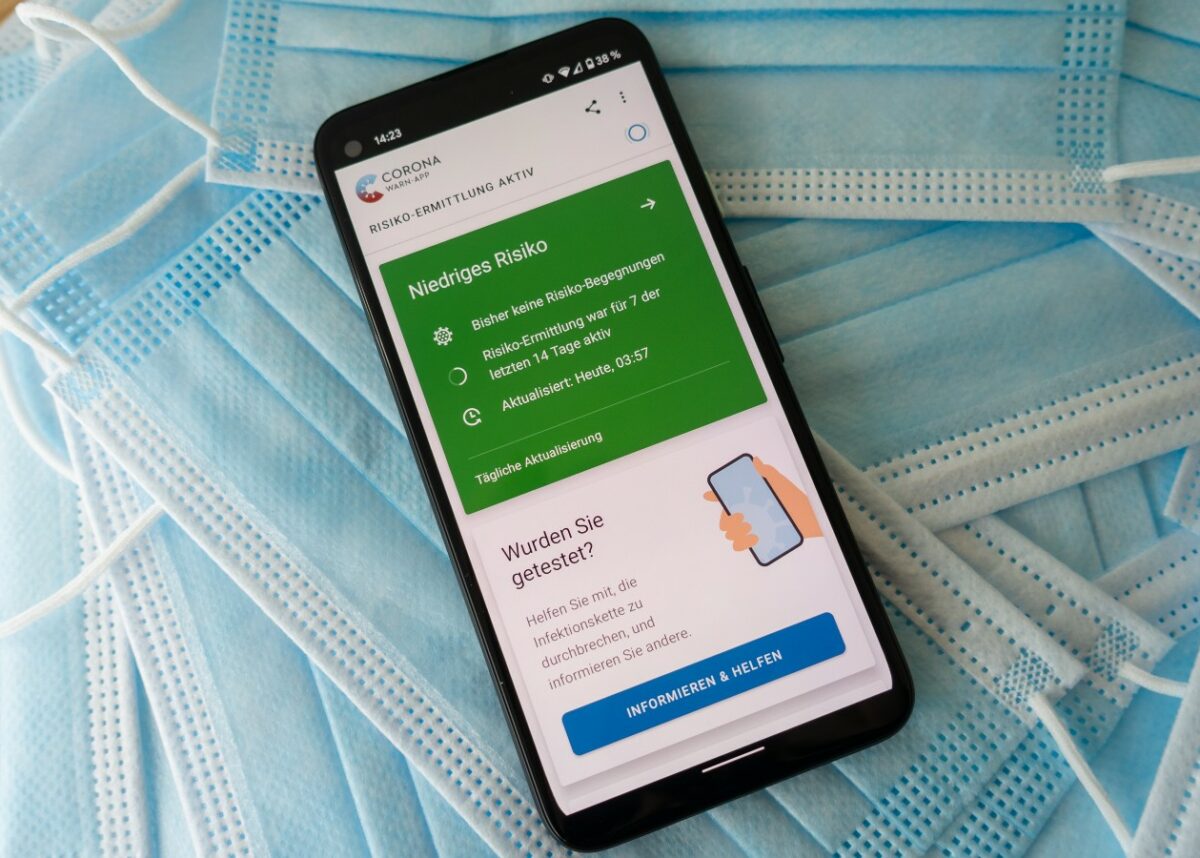
Despite the lifting of most legal COVID-19 restrictions on July 19, the pandemic’s effect on the health, economy and wellbeing of the English public is far from over. The latest development is in the form of the “pingdemic” –- the term referring to the hundreds of thousands of people who have been instructed to self-isolate in recent weeks via the NHS COVID-19 track and trace app.

The so-called pingdemic has had a massively disruptive effect on businesses, who are suffering from widespread staff shortages across sectors. Another casualty is the food supply chain. We are missing items on our supermarket shelves as a result of shortages of workers both because of the pingdemic and Brexit complications.

Meanwhile, there are concerns that people may be deleting or disabling the app, posing a threat to the attempts to control the spread of COVID variants. Business leaders, confused by conflicting government guidance, are now caught between the need to protect their employees’ health and safety, and to avoid the financial impact of closures after many months of lost income.

The government has attempted to combat this through an emergency plan to exempt NHS staff and some key workers, such as in the food supply industry, from isolating if they are pinged, so long as they take daily COVID tests and are fully vaccinated. But food bosses say they have not been properly briefed on what they think is a bureaucratic process to exempt workers.

The app, despite its various flaws, is doing what it is designed to do -– businesses cannot ignore requirements to self-isolate, but must be flexible in how they handle employees who have been pinged.

Of course, as has been highlighted throughout the pandemic, there is a vast gap between jobs that can and cannot be done remotely. While no solution will be one-size-fits-all, there are a few things that businesses affected by isolating workers can do to mitigate the disruption and ensure the safety of both their employees and their business success.


AlsoRead...

Ryan: Building real freedom through e-commerce

Ryan: Building real freedom through e-commerce

27 November 2025
Design Australia Group: Redefining Drafting as the engine of housing growth

Design Australia Group: Redefining Drafting as the engine of housing growth

26 November 2025

How can businesses respond?

Now that we are hopefully on the way out of the depths of the pandemic, the pingdemic calls for businesses to persevere and innovate. This means that in the short term, they may need to rotate employees into different roles, as well as change existing ways of working.

Employers should make workplace changes to reduce the likelihood of contact with others and being pinged – whether this means returning to early-COVID days of social distancing, reduced opening hours, or more people working from home.

If they have not done so already, businesses who can afford to should set up isolation funds, independent of the government’s support payments for low-income individuals, to ensure that workers experience no financial impact from being asked to isolate. If a job cannot be done from home, employers could use the opportunity to invest in remote training or development for workers who are healthy but have been asked to isolate.

For sectors like social care and construction, partnerships with employment agencies could temporarily increase their pool of workers and provide a “safety net” of employees.

Businesses in sectors like retail and hospitality may have to initially operate under reduced hours. But looking to the longer term, they could learn to cope with staff shortages in different ways. For example, a warehouse operative may rotate to an administrative position while they are in isolation, or help to train agency workers remotely, or work on their own development and training.

Photo of a mobile phone screen showing the NHS track and trace app scanning location
The NHS contact tracing app is the source of the so-called ‘pingdemic’. Esther Barry/Shutterstock

HGV drivers are currently in high demand due to staff shortages in their industry. This has led to a potentially dangerous situation where some are driving for too many hours. Government plans to improve working conditions and recruit more drivers have not been received well, and industry groups are calling for longer-term proposals to combat the shortage, including better pay and new recruitment techniques.

Business leaders, like all citizens, have a moral responsibility to protect others and prevent further pressure on the NHS. They should respond in a way which protects their employees, and gives them adequate financial protection and flexibility to self-isolate, as well as making workplace changes to reduce the likelihood of being pinged.

Finally, as much as the pingdemic is a concern, it may also be a distraction from wider sociopolitical issues like Brexit, an ageing population, inflation and increasingly also youth unemployment – not to mention the continuing health threat of COVID-19.

Emily Yarrow, Senior Lecturer in International Human Resource Management, University of Portsmouth and Julie Davies, Reader in Leadership & Development, Manchester Metropolitan University

This article is republished from The Conversation under a Creative Commons license. Read the original article.


Tags: SB001
DMCA.com Protection Status

SUBSCRIBE to our NEWSLETTER

[mc4wp_form id=”2384248″]

Don't Miss

The evolution of Aesthetic Surgery through the lens of Dr Kourosh Tavakoli

by Pauline Torongo
4 December 2025
The evolution of Aesthetic Surgery through the lens of Dr. Kourosh Tavakoli
Health & Wellness

As global interest in Australian cosmetic surgery continues to grow, the combination of regulation, research and emerging digital tools is...

Read moreDetails

Ryan: Building real freedom through e-commerce

by Pauline Torongo
27 November 2025
Ryan: Building real freedom through e-commerce
Business & Finance

Ryan’s greatest achievement isn’t any single business or revenue milestone — it’s the ecosystem he’s built through the Change community.

Read moreDetails

Design Australia Group: Redefining Drafting as the engine of housing growth

by Pauline Torongo
26 November 2025
Design Australia Group: Redefining Drafting as the engine of housing growth
Business & Finance

Australia is under pressure to build homes faster, but design bottlenecks slow progress. Design Australia Group is fixing this by...

Read moreDetails

Louis Guy Detata builds Global Trading Empires through autonomous systems and disciplined leadership

by Pauline Torongo
25 November 2025
Louis Guy Detata builds Global Trading Empires through autonomous systems and disciplined leadership
Business & Finance

The path from investment banking to leading a global trading platform has taught Louis Detata that sustainable success requires more...

Read moreDetails

Burning Eucalyptus Wood: Tips, Advantages, Disadvantages & Alternatives

by Fazila Olla-Logday
20 November 2025
Image Supplied
Enviroment

Learn about burning eucalyptus wood for stoves and fireplaces. Discover benefits, drawbacks, harvesting tips, and better alternative firewood options for...

Read moreDetails

Everything Parents Need to Know About Baby Soft Play and Why It’s a Game Changer

by Fazila Olla-Logday
11 November 2025
Everything Parents Need to Know About Baby Soft Play
Health & Wellness

Baby soft play is a fun, safe, and educational way for little ones to explore and grow. Discover the benefits...

Read moreDetails

WOMAD Sets Up a New Camp in Wiltshire – Australian festival fans take note!

by Kris Griffiths
11 November 2025
Kumbia Boruka brought their reggae and dancehall flavour to the Taste the World Stage at WOMAD 2024 - Credit - Mike Massaro
Entertainment

With its 2026 edition moving to Neston Park in England, WOMAD offers Aussie music lovers a chance to reconnect with global...

Read moreDetails
Load More

Copyright © Blue Sky Publications Ltd. All Rights Reserved.
australiantimes.co.uk is a division of Blue Sky Publications Ltd. Reproduction without permission prohibited. DMCA.com Protection Status

  • About us
  • Write for Us
  • Advertise
  • Contact us
  • T&Cs, Privacy and GDPR
No Result
View All Result
  • News
    • Weather
    • Sport
    • Technology
    • Business & Finance
      • Currency Zone
    • Lotto Results
      • The Lott
  • Lifestyle
    • Entertainment
    • Horoscopes
    • Health & Wellness
    • Recipes
  • Travel
  • Expat Life
  • Move to Australia

Copyright © Blue Sky Publications Ltd. All Rights Reserved.
australiantimes.co.uk is a division of Blue Sky Publications Ltd. Reproduction without permission prohibited. DMCA.com Protection Status

No Result
View All Result
  • News
    • Weather
    • Sport
    • Technology
    • Business & Finance
      • Currency Zone
    • Lotto Results
      • The Lott
  • Lifestyle
    • Entertainment
    • Horoscopes
    • Health & Wellness
    • Recipes
  • Travel
  • Expat Life
  • Move to Australia

Copyright © Blue Sky Publications Ltd. All Rights Reserved.
australiantimes.co.uk is a division of Blue Sky Publications Ltd. Reproduction without permission prohibited. DMCA.com Protection Status





