• Advertise
  • About us
  • Terms and Conditions
  • Contact us
Saturday, December 6, 2025
Australian Times News
  • News
    • Weather
    • Sport
    • Technology
    • Business & Finance
      • Currency Zone
    • Lotto Results
      • The Lott
  • Lifestyle
    • Entertainment
    • Horoscopes
    • Health & Wellness
    • Recipes
  • Travel
  • Expat Life
  • Move to Australia
No Result
View All Result
  • News
    • Weather
    • Sport
    • Technology
    • Business & Finance
      • Currency Zone
    • Lotto Results
      • The Lott
  • Lifestyle
    • Entertainment
    • Horoscopes
    • Health & Wellness
    • Recipes
  • Travel
  • Expat Life
  • Move to Australia
No Result
View All Result
Australian Times News
No Result
View All Result
Home News

Photos from the field: the stunning crystals revealing deep secrets about Australian volcanoes

Environmental scientists see flora, fauna and phenomena the rest of us rarely do. In this series, we’ve invited them to share their unique photos from the field.

The Conversation by The Conversation
06-06-2021 09:17
in News
Photo by USGS on Unsplash

Photo by USGS on Unsplash

Heather Handley, Macquarie University

Environmental scientists see flora, fauna and phenomena the rest of us rarely do. In this series, we’ve invited them to share their unique photos from the field.


Volcanic activity is a constant global threat. It’s estimated over 1 billion people live within the potential, direct impact range of volcanic eruptions.

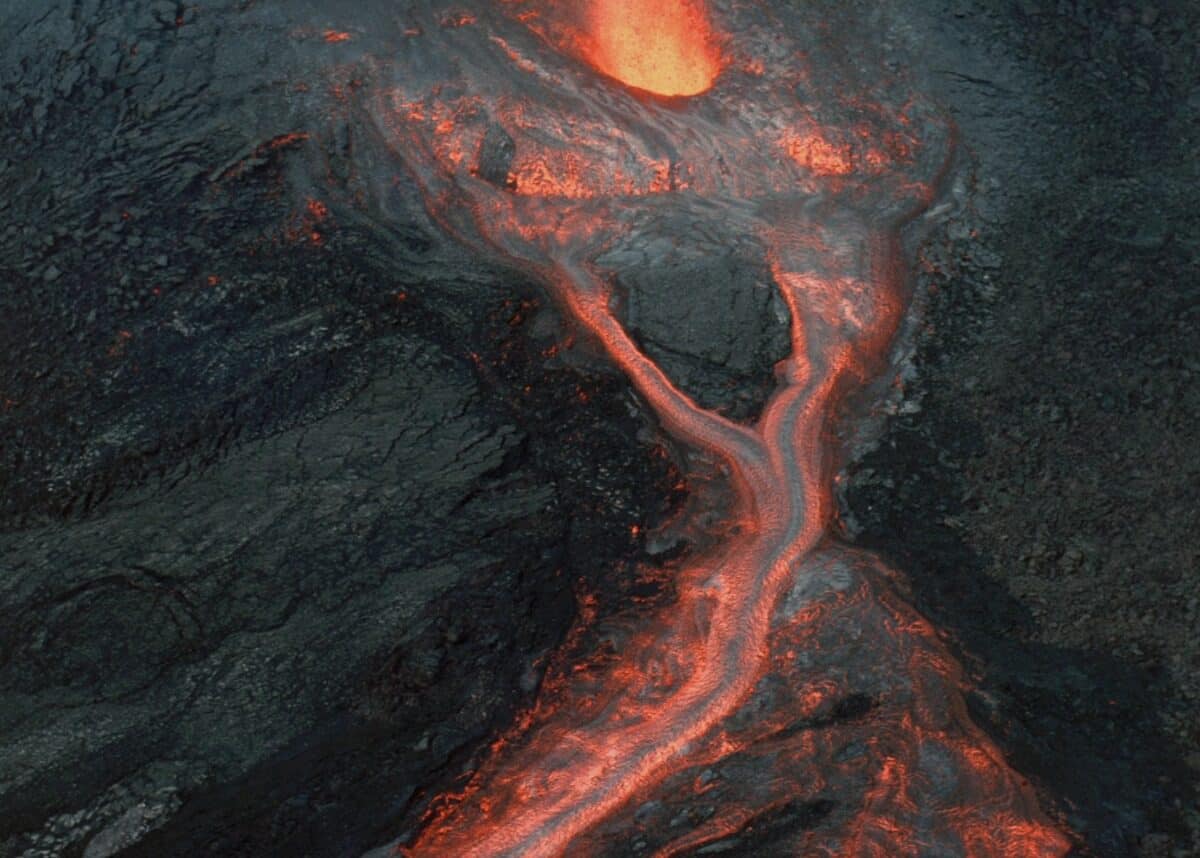
Just recently, lava flows from the eruption of Mount Nyiragongo, a volcano in the Democratic Republic of Congo, killed 32 people, with many more missing. Tens of thousands of people have been forced to flee the city of Goma.

This shows why understanding more about the inner workings of volcanoes is critical to improve the safety of those living in their shadows.

As a volcano scientist, my research takes me across Australia and all over the world. But sometimes, the most stunning revelations actually occur in the lab.

Heather Handley wearing a gas mask
Heather Handley at Ambrym volcano in Vanuatu, wearing a mask due the hazardous volcanic gases present. Heather Handley, Author provided

I take a microscopic look at volcanic rocks and fragments of the Earth’s mantle to estimate just how fast molten rock (magma) moves from deep in the Earth to the surface. This can help us prepare for future eruptions.


AlsoRead...

Ryan: Building real freedom through e-commerce

Ryan: Building real freedom through e-commerce

27 November 2025
Design Australia Group: Redefining Drafting as the engine of housing growth

Design Australia Group: Redefining Drafting as the engine of housing growth

26 November 2025
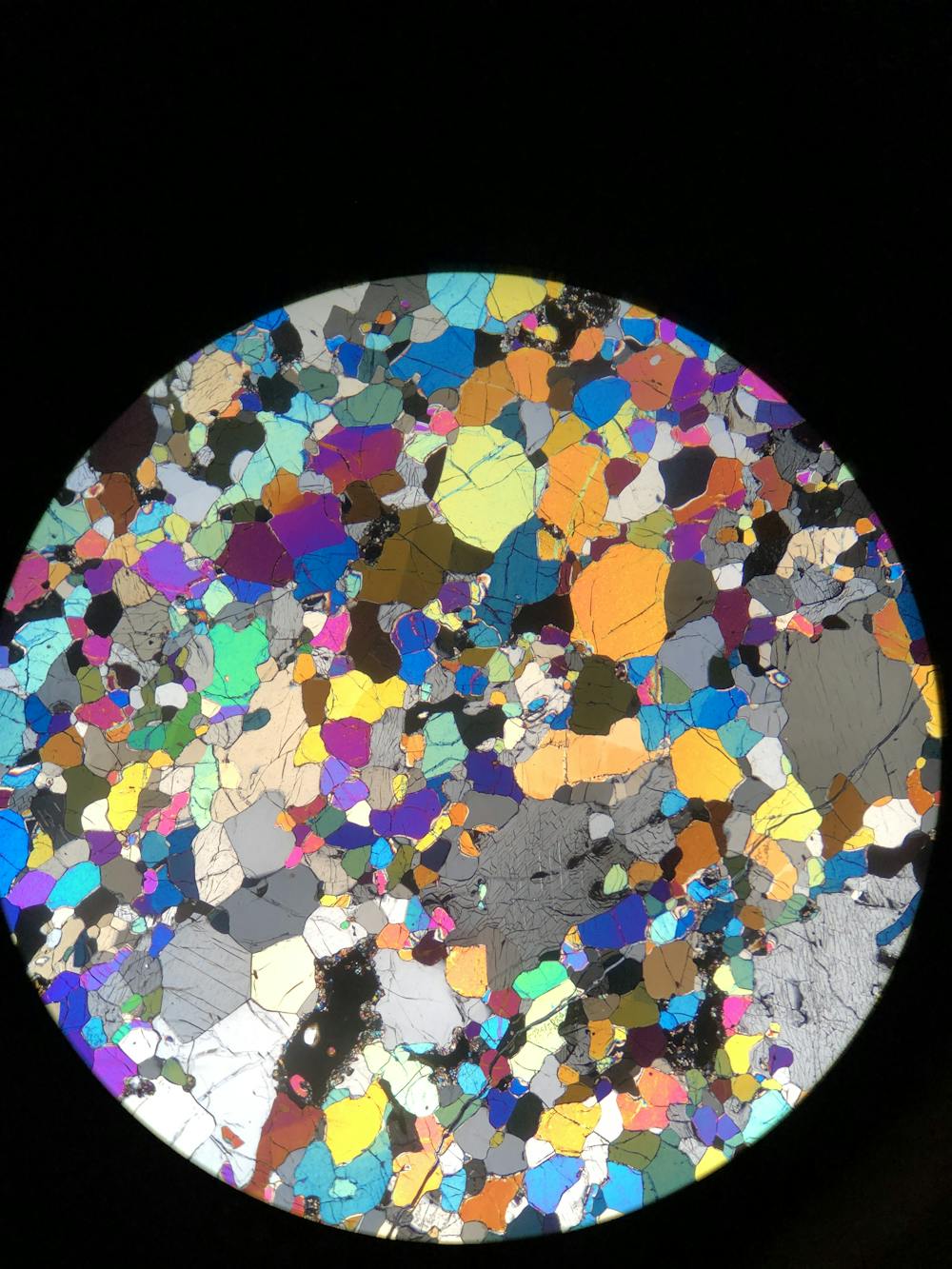
A slice of the Earth’s mantle under a microscope, and the colourful crystals it reveals. Different types of crystals (minerals) and different orientations of the same minerals produce the range in colours seen when cross-polarised light passes through them. Heather Handley, Author provided

Australia’s fiery past — and future

Since the demise of the dinosaurs to recent human settlement, magmatic activity has left behind a trail of volcanoes stretching over 4,000 kilometres down Australia’s eastern margin, forming one of the world’s most extensive volcanic belts.


The last mainland eruptions took place at Mount Gambier and Mount Schank in South Australia around 5,000 years ago, a mere blink of a geological eye.

These eruptions were witnessed by local Aboriginal people and incorporated into oral traditions that have been passed down for hundreds of generations. https://www.youtube.com/embed/NjkBETUXGWo?wmode=transparent&start=0 View from the crater of Mount Schank volcano, one of the youngest volcanoes in Australia. Credit Heather Handley.

Based on the time since the last eruption, there are potentially two active volcanic regions in mainland Australia: in the northeast (southwest of Cairns) and southeast (from Melbourne across into South Australia).

The Mount Gambier and Mount Schank volcanoes are two of more than 400 volcanoes in the active southeast region called the Newer Volcanics Province, which has been active for at least the last 4.5 million years.

It’s considered likely there’ll be a future eruption in this province, but it’s not known when or where exactly the eruption will be.
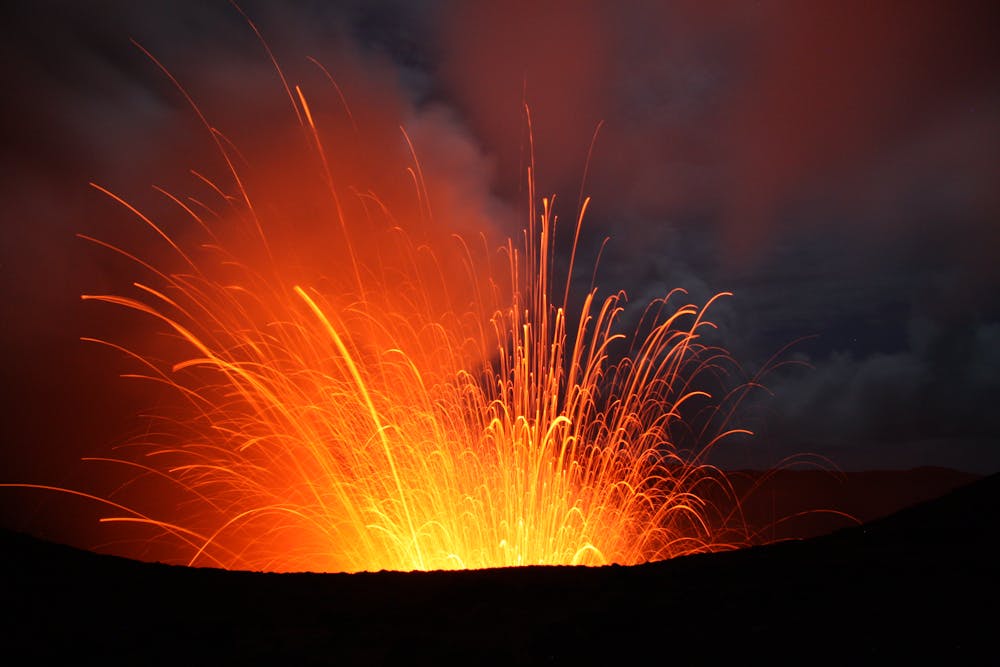
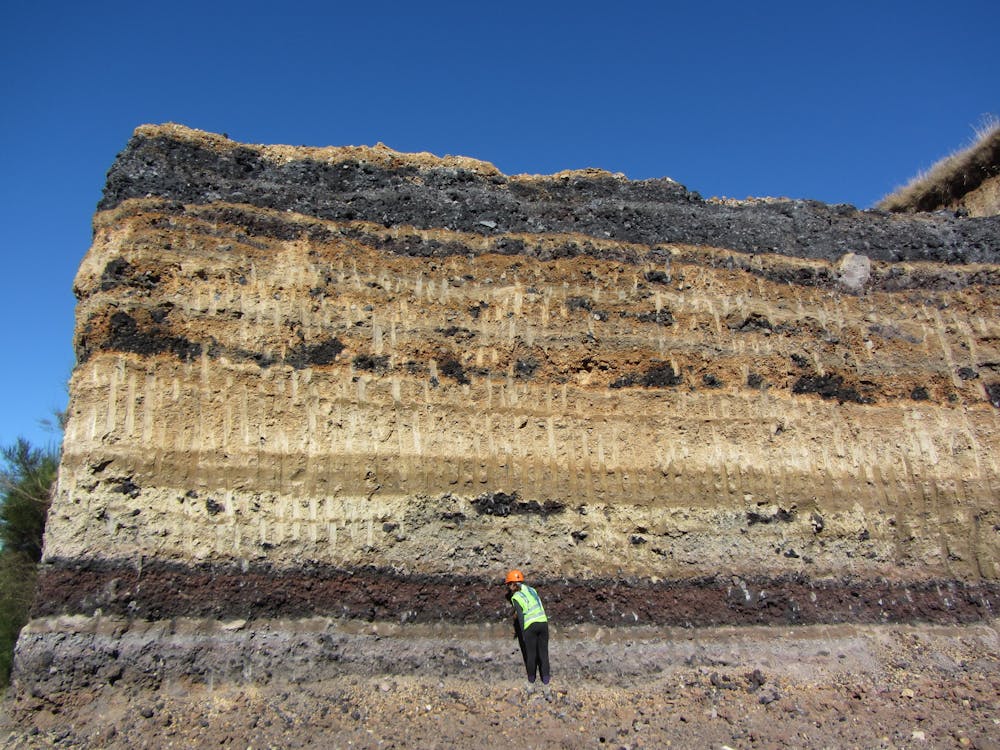
Volcanic eruption
Yasur volcano in Vanuatu, one of the most active volcanoes on the planet. Heather Handley, Author provided
The volcanic deposits of Ohakune volcano in New Zealand. The different coloured layers represent variations in eruption style and explosive power. Heather Handley, Author provided

So how much warning time might we have?

To answer this question, we have to unravel the secrets held by past eruptions, now locked away in the erupted rocks and the crystals within them.

Our first clue is that many of the dark black volcanic rocks that erupted in the Newer Volcanics Province (and others) contain chunks of green rock, called peridotite.

These dense green rock fragments are, in fact, pieces of the Earth’s upper mantle that were plucked out by the rising magma and carried all the way to the surface from depths of greater than 30 or 40 kilometres below our feet.
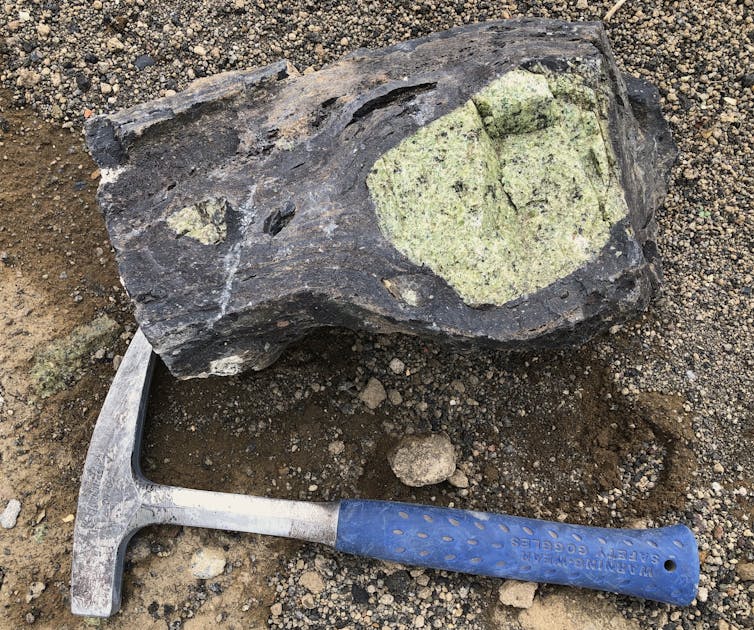
A black volcanic bomb from Mount Noorat volcano in the Newer Volcanics Province containing peridotite xenoliths — green fragments of the Earth’s upper mantle. Heather Handley

These fragments can sink back down through the liquid rock during its ascent, like a pebble dropped into a cylinder of honey. So in order to reach the surface, the rising magma had to move fast — likely taking just a few days from the source.

Volcanic crystal balls

In the same way tree rings can tell you about what the climate was like when the tree grew, the crystals within volcanic rocks and the mantle fragments they carry preserve memories of the environment on their upward journey through the Earth.

In the photo below, you can see how cross-polarised light passing through the mantle rock reveals a mosaic of colourful crystals. The darker part is the enclosing volcanic rock.

This thin slice of rock is just 30 microns in thickness, about half the thickness of a typical human hair.
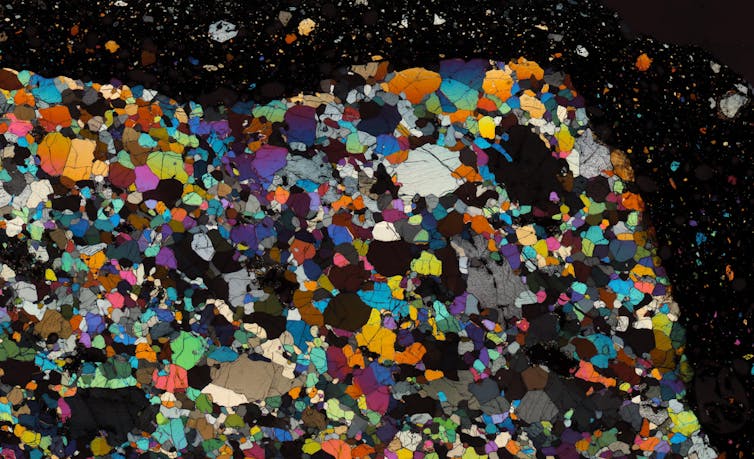
Microscope image of a rock from Mount Quincan volcano in the Atherton Volcanic Province, Queensland. Heather Handley
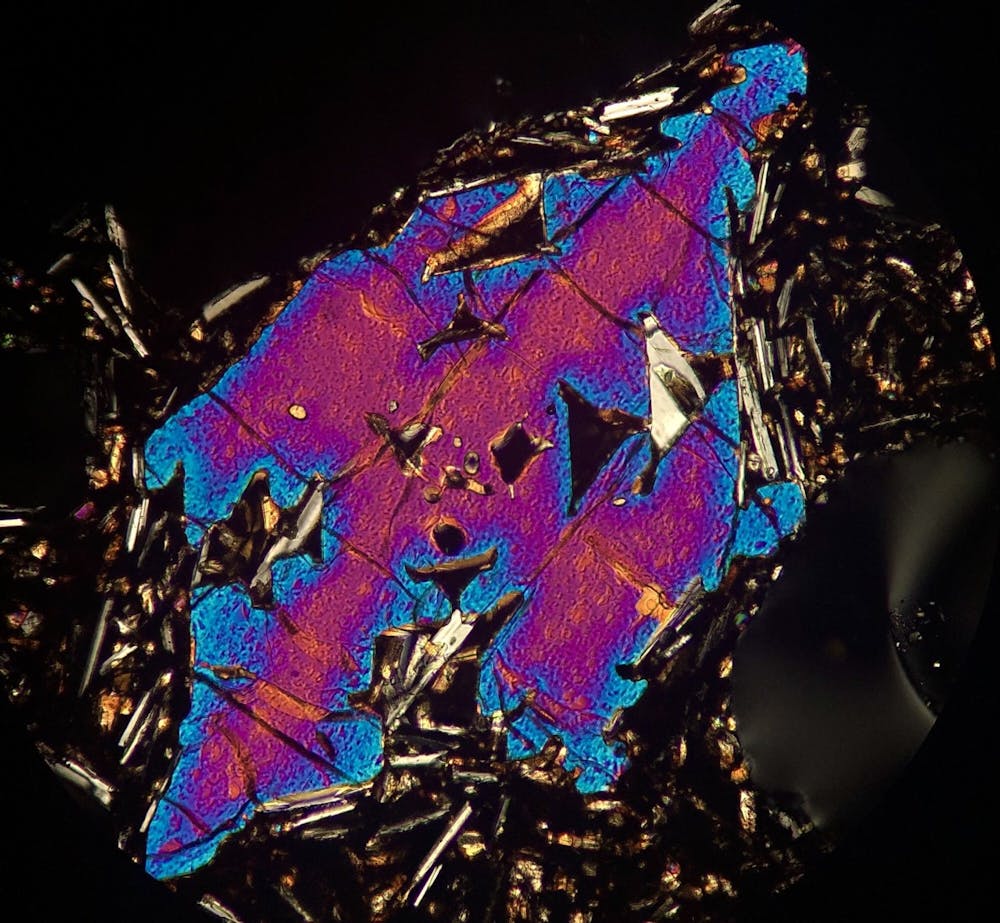
A section of lava from Mount Gambier, the youngest volcano in Australia. The larger crystals grew before the smaller crystals, which formed near or at the surface. Heather Handley, Author provided
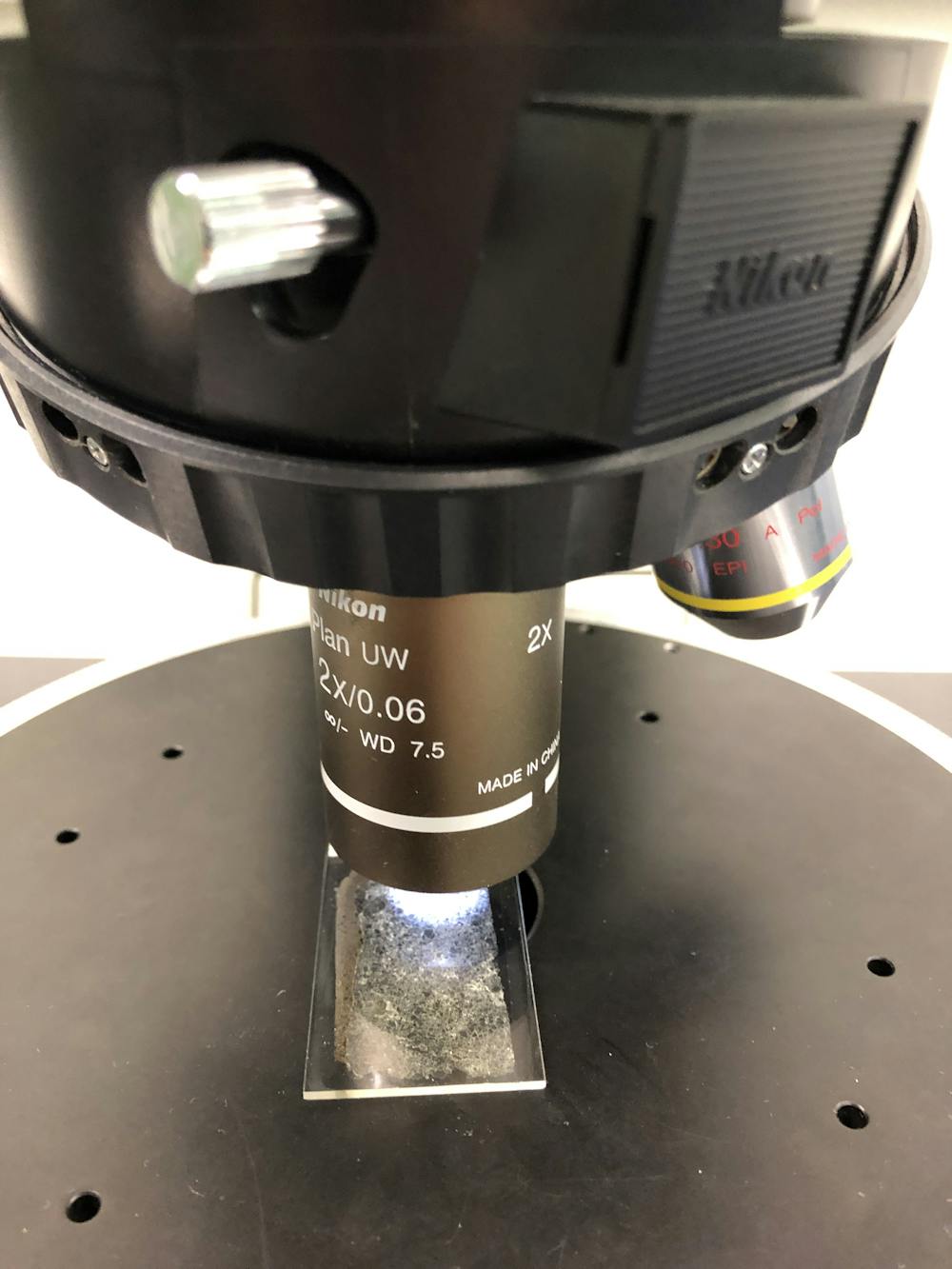
Using a microscope to look at thin sections of volcanic rocks. Heather Handley, Author provided

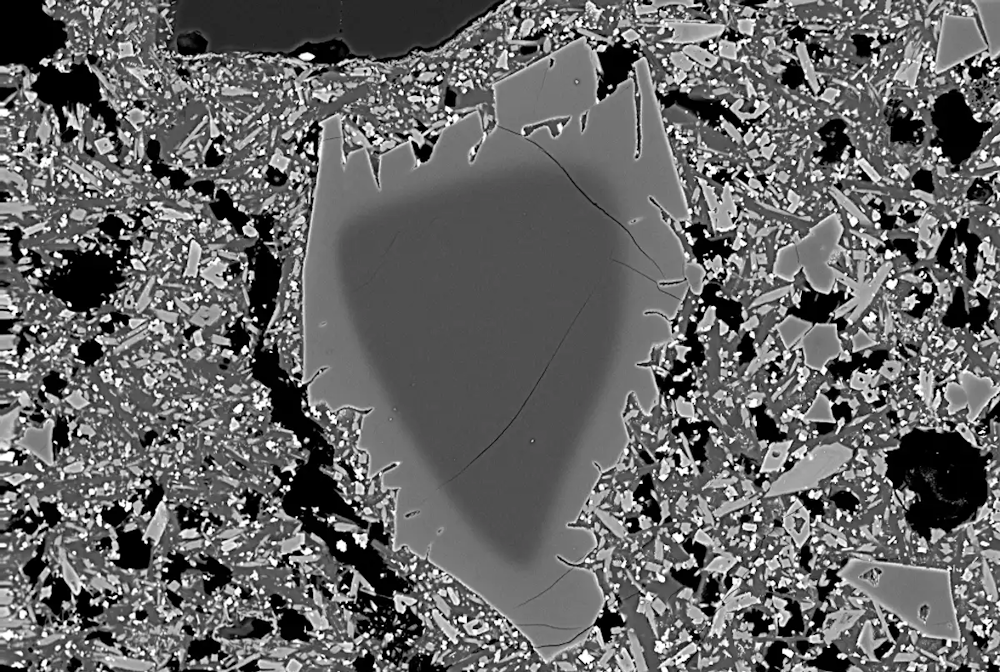
Now let’s take a look through a scanning electron microscope at the border where the mantle crystals make contact with the now-solidified magma.

In the two photos below, you can see the rim of the crystals has become lighter in colour, which means it changed its chemical composition. This is so it could adapt to its new magma environment on ascent in a process called diffusion.
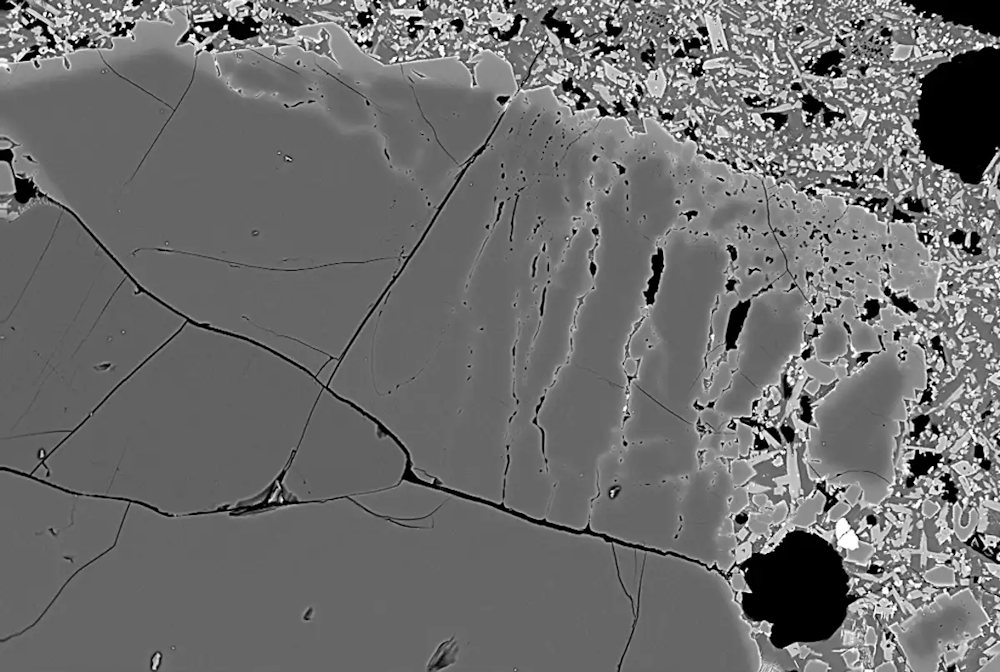
The dark grey expanse is the mantle fragment. It has a light coloured rim due to its interaction with the rising magma. On the right, bits of mantle crystals are breaking off. Heather Handley, Author provided
A crystal fragment (130 microns in width) from a peridotite mantle within a volcanic rock from Mount Gambier. The light grey rim has a different chemical composition to the darker area inside. Heather Handley, Author provided

We use the sharpness of this chemical boundary to estimate how long mantle fragments sat in the magma before the rock erupted.

In other words, the minimum time magma took to travel from source to surface — an eruption warning time.


Read more: Curious Kids: Why do volcanoes erupt?


I can also use the chemistry and shapes of crystals that grew within the magma itself to map out the plumbing system beneath the volcano — the route magma takes to the surface.

The photos below show some of the different shapes crystals can form as the magma rises to the surface, cooling along the way. The spiky and skeleton-shaped crystals grow when the rising magma cools fast and by a large degree.

The small (5 to 10 microns in size), spikier crystals are clear in this image. The black areas are holes from trapped gas bubbles. Heather Handley, Author provided
Skeleton-shaped olivine crystal in a volcanic rock from Mount Gambier. 500 microns in width. Heather Handley, Author provided
The same volcanic crystal, but through a regular microscope. Heather Handley, Author provided

And we’re finding so far that individual volcanoes in the Newer Volcanics Province can take strikingly different pathways to the surface. This could result in varying eruption warning times.

Australia isn’t prepared

With likely maximum warning times of some past eruptions in Australia on the order of days, it’s worth considering how prepared we are for future eruptions — and not just from within Australia. If the global pandemic has taught us anything, it’s to expect the unexpected.
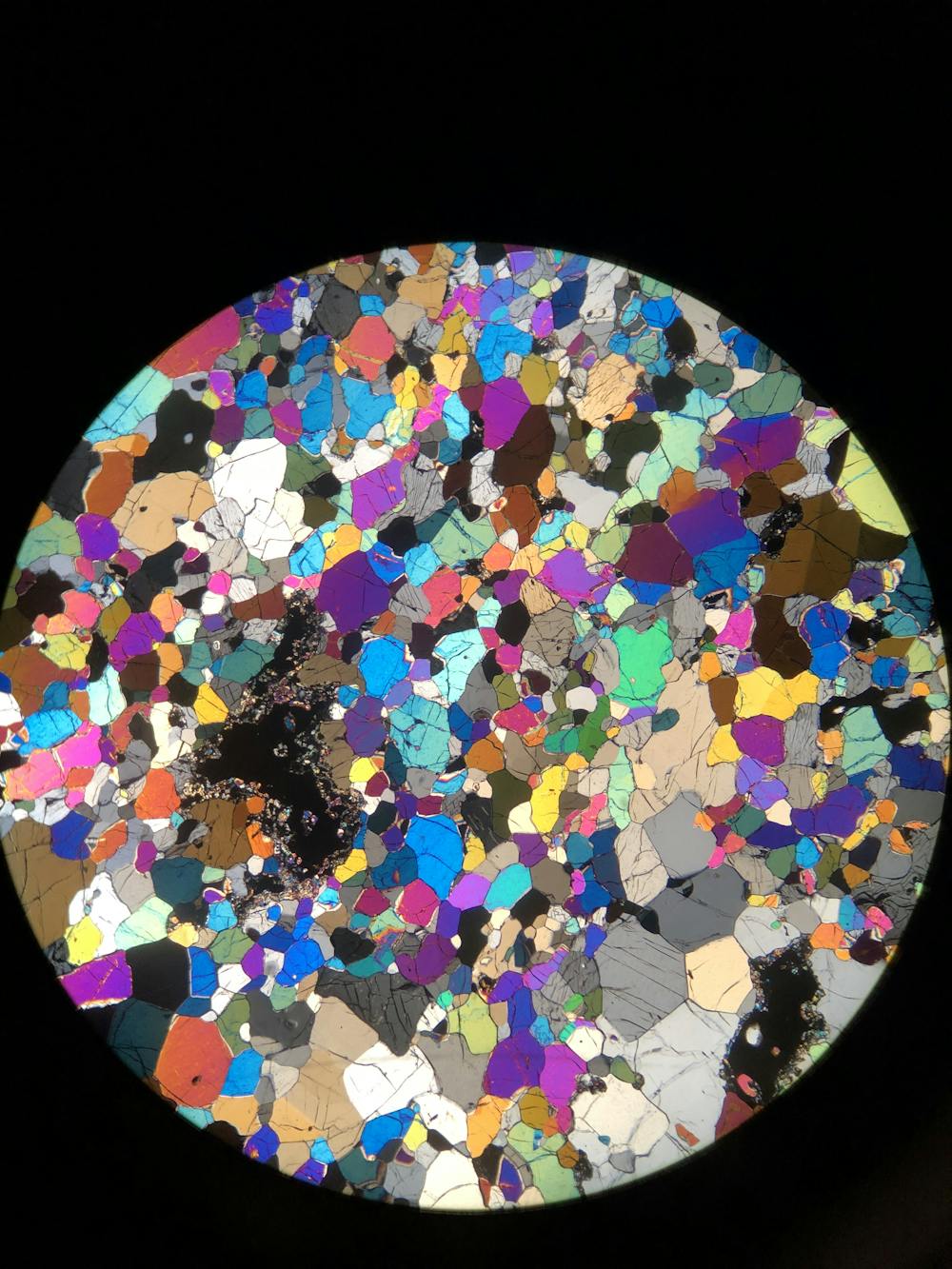
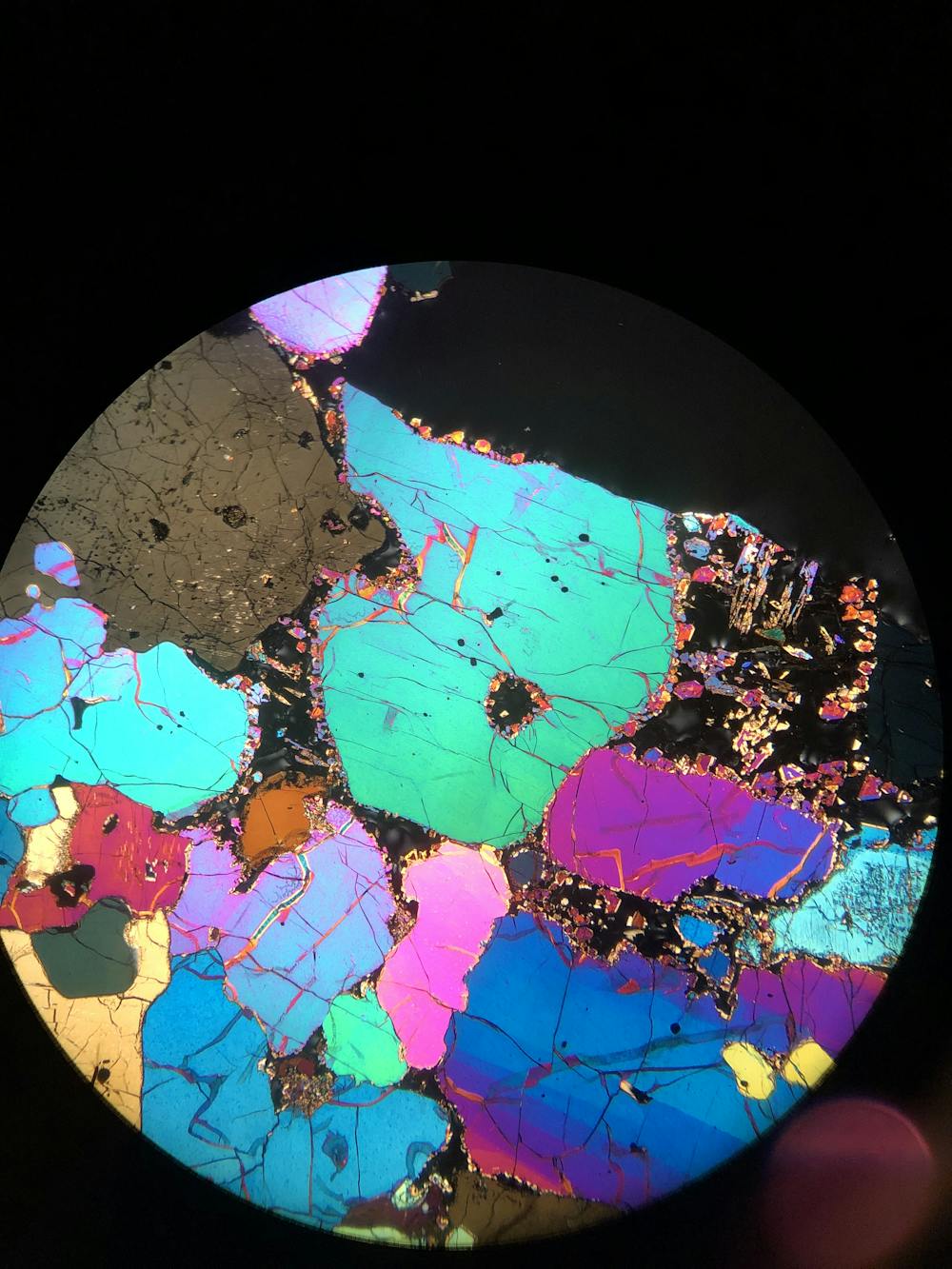
Microscopic view of a mantle fragment brought to the surface during a volcanic eruption at Mount Quincan in the Atherton Volcanic Province, Queensland. Heather Handley, Author provided
A mantle fragment from Mount Quincan in the Atherton Volcanic Province, Queensland. Heather Handley, Author provided

Large volcanic events are far from recent human memory, but in the Asia-Pacific region, they occur with a frequency of around every 400 years.

The federal government’s recent announcement of A$600 million towards establishing a new National Recovery and Resilience Agency will help Australia adapt to some climate change-associated hazards. But volcanic events appear to be excluded.

Preparing for the next potentially cataclysmic volcanic event in Australia’s neighbouring Ring of Fire should be part of Australia’s risk and resilience conversation.


Heather Handley, Honorary Associate Professor in Volcanology and Geochemistry, Macquarie University

This article is republished from The Conversation under a Creative Commons license. Read the original article.


Tags: SB001
DMCA.com Protection Status

SUBSCRIBE to our NEWSLETTER

[mc4wp_form id=”2384248″]

Don't Miss

The evolution of Aesthetic Surgery through the lens of Dr Kourosh Tavakoli

by Pauline Torongo
4 December 2025
The evolution of Aesthetic Surgery through the lens of Dr. Kourosh Tavakoli
Health & Wellness

As global interest in Australian cosmetic surgery continues to grow, the combination of regulation, research and emerging digital tools is...

Read moreDetails

Ryan: Building real freedom through e-commerce

by Pauline Torongo
27 November 2025
Ryan: Building real freedom through e-commerce
Business & Finance

Ryan’s greatest achievement isn’t any single business or revenue milestone — it’s the ecosystem he’s built through the Change community.

Read moreDetails

Design Australia Group: Redefining Drafting as the engine of housing growth

by Pauline Torongo
26 November 2025
Design Australia Group: Redefining Drafting as the engine of housing growth
Business & Finance

Australia is under pressure to build homes faster, but design bottlenecks slow progress. Design Australia Group is fixing this by...

Read moreDetails

Louis Guy Detata builds Global Trading Empires through autonomous systems and disciplined leadership

by Pauline Torongo
25 November 2025
Louis Guy Detata builds Global Trading Empires through autonomous systems and disciplined leadership
Business & Finance

The path from investment banking to leading a global trading platform has taught Louis Detata that sustainable success requires more...

Read moreDetails

Burning Eucalyptus Wood: Tips, Advantages, Disadvantages & Alternatives

by Fazila Olla-Logday
20 November 2025
Image Supplied
Enviroment

Learn about burning eucalyptus wood for stoves and fireplaces. Discover benefits, drawbacks, harvesting tips, and better alternative firewood options for...

Read moreDetails

Everything Parents Need to Know About Baby Soft Play and Why It’s a Game Changer

by Fazila Olla-Logday
11 November 2025
Everything Parents Need to Know About Baby Soft Play
Health & Wellness

Baby soft play is a fun, safe, and educational way for little ones to explore and grow. Discover the benefits...

Read moreDetails

WOMAD Sets Up a New Camp in Wiltshire – Australian festival fans take note!

by Kris Griffiths
11 November 2025
Kumbia Boruka brought their reggae and dancehall flavour to the Taste the World Stage at WOMAD 2024 - Credit - Mike Massaro
Entertainment

With its 2026 edition moving to Neston Park in England, WOMAD offers Aussie music lovers a chance to reconnect with global...

Read moreDetails
Load More

Copyright © Blue Sky Publications Ltd. All Rights Reserved.
australiantimes.co.uk is a division of Blue Sky Publications Ltd. Reproduction without permission prohibited. DMCA.com Protection Status

  • About us
  • Write for Us
  • Advertise
  • Contact us
  • T&Cs, Privacy and GDPR
No Result
View All Result
  • News
    • Weather
    • Sport
    • Technology
    • Business & Finance
      • Currency Zone
    • Lotto Results
      • The Lott
  • Lifestyle
    • Entertainment
    • Horoscopes
    • Health & Wellness
    • Recipes
  • Travel
  • Expat Life
  • Move to Australia

Copyright © Blue Sky Publications Ltd. All Rights Reserved.
australiantimes.co.uk is a division of Blue Sky Publications Ltd. Reproduction without permission prohibited. DMCA.com Protection Status

No Result
View All Result
  • News
    • Weather
    • Sport
    • Technology
    • Business & Finance
      • Currency Zone
    • Lotto Results
      • The Lott
  • Lifestyle
    • Entertainment
    • Horoscopes
    • Health & Wellness
    • Recipes
  • Travel
  • Expat Life
  • Move to Australia

Copyright © Blue Sky Publications Ltd. All Rights Reserved.
australiantimes.co.uk is a division of Blue Sky Publications Ltd. Reproduction without permission prohibited. DMCA.com Protection Status