
• Advertise
  • About us
  • Terms and Conditions
  • Contact us
Sunday, December 7, 2025
Australian Times News
  • News
    • Weather
    • Sport
    • Technology
    • Business & Finance
      • Currency Zone
    • Lotto Results
      • The Lott
  • Lifestyle
    • Entertainment
    • Horoscopes
    • Health & Wellness
    • Recipes
  • Travel
  • Expat Life
  • Move to Australia
No Result
View All Result
  • News
    • Weather
    • Sport
    • Technology
    • Business & Finance
      • Currency Zone
    • Lotto Results
      • The Lott
  • Lifestyle
    • Entertainment
    • Horoscopes
    • Health & Wellness
    • Recipes
  • Travel
  • Expat Life
  • Move to Australia
No Result
View All Result
Australian Times News
No Result
View All Result
Home News

People on Vanuatu’s Malekula Island speak more than 30 Indigenous languages. Here’s why we must record them

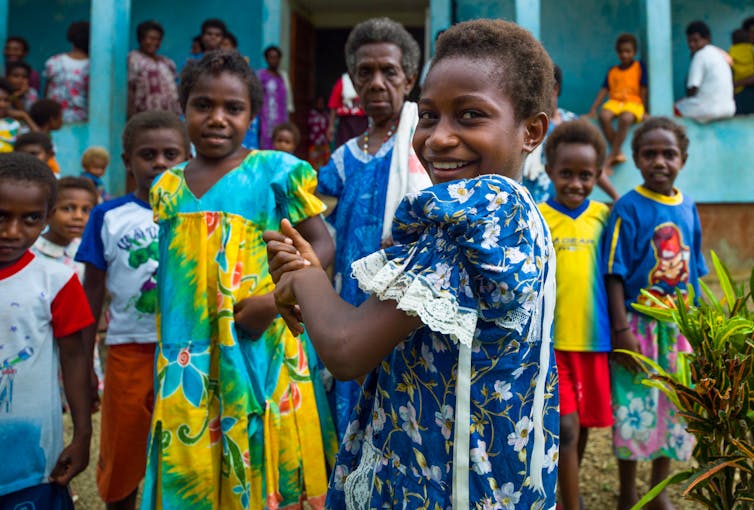
Malekula, the second-largest island in the Vanuatu archipelago, has a linguistic connection to Aotearoa. All of its many languages are distantly related to te reo Māori and the island is the site of a long-term project to document them.
The Conversation by The Conversation
31-12-2020 06:23
in News
Indigenous languages around the world are declining

Indigenous languages around the world are declining Photo by Olia Gozha on Unsplash

Julie Barbour, University of Waikato and Nicola Daly, University of Waikato

Malekula, the second-largest island in the Vanuatu archipelago, has a linguistic connection to Aotearoa. All of its many languages are distantly related to te reo Māori and the island is the site of a long-term project to document them.

Eric Lafforgue via Getty Images

Vanuatu has been described as the world’s “densest linguistic landscape”, with as many as 145 languages spoken by a population of fewer than 300,000 people.

Malekula itself is home to about 25,000 people, who between them speak more than 30 Indigenous languages. Some are spoken by just a few hundred people.

For 20 years, our team of linguists has been working with small communities to document their languages and to develop resources to help preserve them.

Indigenous languages around the world are declining at a rapid rate, dying out with the demise of their last speakers. The UN Permanent Forum on Indigenous Issues (UNPFII) estimates one Indigenous language dies every two weeks.

As each language disappears, its unique cultural expression and world views are lost as well. Our project in Malekula hopes to counter this trend.


AlsoRead...

Ryan: Building real freedom through e-commerce

Ryan: Building real freedom through e-commerce

27 November 2025
Design Australia Group: Redefining Drafting as the engine of housing growth

Design Australia Group: Redefining Drafting as the engine of housing growth

26 November 2025

Malekula languages

The work in Malekula began in the 1990s when the late Terry Crowley hosted a Neve’ei-speaking university student from a small village. The encounter inspired his interest in the island’s many Indigenous languages.

The Malekula project works with communities to facilitate literacy initiatives, often in the form of unpublished children’s books and thematic dictionaries. The research highlights the value of Indigenous languages as an expression of local cultural identity.
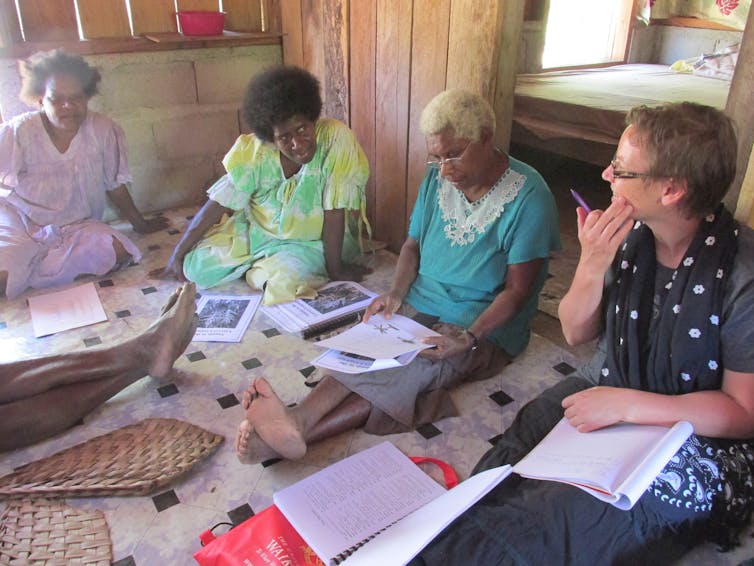
Group of people taking part in a langauge project
One of the authors, Julie Barbour, with a group of women at Larevet Village, Malekula. Royce Dodd, Author provided

The Malekula project is a response to the urgent need to record the island’s Indigenous languages in the face of significant changes to almost every aspect of traditional life.

These changes have brought indigenous languages into contact and competition with colonial English and French and the home-grown Bislama, a dialect of Melanesian pidgin. From education to religion, administration and domestic life, Bislama is now often the language of choice.

Why is that a problem? The value of Indigenous languages lies in the fact that they articulate the way in which people have engaged with and understood their natural environment.

Malekula has a 3,000-year history of human settlement. Each language spoken on the island encodes unique ways in which its speakers have sustained life.
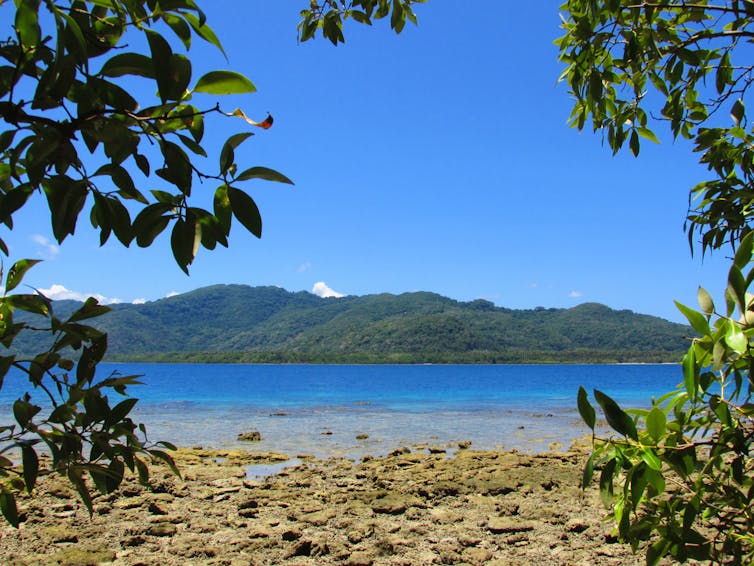
Landscape in Malekula Island
Indigenous languages preserve ways in which people engage with their environment. Royce Dodd, Author provided

Another fundamental aspect of Indigenous languages is their direct link to cultural identity. In a place where distinctive local identities are the norm, the increasing use of Bislama reduces the linguistic diversity that has been sustained for millennia.

Returning knowledge to communities

In recent times, the way of life for the people of Malekula has shifted from intensely local communities to broader formal education. Imported religions have similarly influenced local belief systems.

The same centralised governance that facilitates infrastructure development and access to medical care also affects the autonomy of small communities to govern their affairs, including the languages in which children are taught.
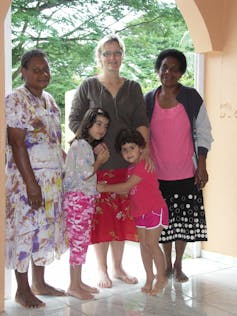

The author and friends in Malekula
The author with speakers of the Uripiv language. Royce Dodd, Author provided

Traditionally, linguistic field research has produced valuable research for a highly specialist linguistic audience. Most scholars had no expectation of returning their research to the community of speakers.

We initially followed this tradition in writing about the Neverver language of Malekula, but grew increasingly dissatisfied with the expectations of the discipline. Looking to modern decolonising research methodologies and ethical guidelines in Aotearoa, we developed the “first audience principle”. This means Indigenous language communities should be the first to hear about any field research findings.

The Malekula project has a dual purpose: to conduct linguistic research and to develop language resources with and for their people. In 2019, its mandate was closely aligned with the three topics of the International Year of Indigenous Languages: support, access and promotion.

In 2020, the COVID-19 pandemic and travel bans brought linguistic fieldwork to an abrupt halt. During this unwelcome hiatus from fieldwork with Malekula communities, it has been tempting to focus on more technical analysis for our fellow academics. But our obligation to communities remains, and we are developing new ways of working with our archived field data in preparation for the time when we can return to Malekula.

Julie Barbour, Senior Lecturer, Linguistics, University of Waikato and Nicola Daly, Senior lecturer in children’s literature and language teaching., University of Waikato

This article is republished from The Conversation under a Creative Commons license. Read the original article.


Tags: SB001
DMCA.com Protection Status

SUBSCRIBE to our NEWSLETTER

[mc4wp_form id=”2384248″]

Don't Miss

The evolution of Aesthetic Surgery through the lens of Dr Kourosh Tavakoli

by Pauline Torongo
4 December 2025
The evolution of Aesthetic Surgery through the lens of Dr. Kourosh Tavakoli
Health & Wellness

As global interest in Australian cosmetic surgery continues to grow, the combination of regulation, research and emerging digital tools is...

Read moreDetails

Ryan: Building real freedom through e-commerce

by Pauline Torongo
27 November 2025
Ryan: Building real freedom through e-commerce
Business & Finance

Ryan’s greatest achievement isn’t any single business or revenue milestone — it’s the ecosystem he’s built through the Change community.

Read moreDetails

Design Australia Group: Redefining Drafting as the engine of housing growth

by Pauline Torongo
26 November 2025
Design Australia Group: Redefining Drafting as the engine of housing growth
Business & Finance

Australia is under pressure to build homes faster, but design bottlenecks slow progress. Design Australia Group is fixing this by...

Read moreDetails

Louis Guy Detata builds Global Trading Empires through autonomous systems and disciplined leadership

by Pauline Torongo
25 November 2025
Louis Guy Detata builds Global Trading Empires through autonomous systems and disciplined leadership
Business & Finance

The path from investment banking to leading a global trading platform has taught Louis Detata that sustainable success requires more...

Read moreDetails

Burning Eucalyptus Wood: Tips, Advantages, Disadvantages & Alternatives

by Fazila Olla-Logday
20 November 2025
Image Supplied
Enviroment

Learn about burning eucalyptus wood for stoves and fireplaces. Discover benefits, drawbacks, harvesting tips, and better alternative firewood options for...

Read moreDetails

Everything Parents Need to Know About Baby Soft Play and Why It’s a Game Changer

by Fazila Olla-Logday
11 November 2025
Everything Parents Need to Know About Baby Soft Play
Health & Wellness

Baby soft play is a fun, safe, and educational way for little ones to explore and grow. Discover the benefits...

Read moreDetails

WOMAD Sets Up a New Camp in Wiltshire – Australian festival fans take note!

by Kris Griffiths
11 November 2025
Kumbia Boruka brought their reggae and dancehall flavour to the Taste the World Stage at WOMAD 2024 - Credit - Mike Massaro
Entertainment

With its 2026 edition moving to Neston Park in England, WOMAD offers Aussie music lovers a chance to reconnect with global...

Read moreDetails
Load More

Copyright © Blue Sky Publications Ltd. All Rights Reserved.
australiantimes.co.uk is a division of Blue Sky Publications Ltd. Reproduction without permission prohibited. DMCA.com Protection Status

  • About us
  • Write for Us
  • Advertise
  • Contact us
  • T&Cs, Privacy and GDPR
No Result
View All Result
  • News
    • Weather
    • Sport
    • Technology
    • Business & Finance
      • Currency Zone
    • Lotto Results
      • The Lott
  • Lifestyle
    • Entertainment
    • Horoscopes
    • Health & Wellness
    • Recipes
  • Travel
  • Expat Life
  • Move to Australia

Copyright © Blue Sky Publications Ltd. All Rights Reserved.
australiantimes.co.uk is a division of Blue Sky Publications Ltd. Reproduction without permission prohibited. DMCA.com Protection Status

No Result
View All Result
  • News
    • Weather
    • Sport
    • Technology
    • Business & Finance
      • Currency Zone
    • Lotto Results
      • The Lott
  • Lifestyle
    • Entertainment
    • Horoscopes
    • Health & Wellness
    • Recipes
  • Travel
  • Expat Life
  • Move to Australia

Copyright © Blue Sky Publications Ltd. All Rights Reserved.
australiantimes.co.uk is a division of Blue Sky Publications Ltd. Reproduction without permission prohibited. DMCA.com Protection Status