

• Advertise
  • About us
  • Terms and Conditions
  • Contact us
Saturday, December 6, 2025
Australian Times News
  • News
    • Weather
    • Sport
    • Technology
    • Business & Finance
      • Currency Zone
    • Lotto Results
      • The Lott
  • Lifestyle
    • Entertainment
    • Horoscopes
    • Health & Wellness
    • Recipes
  • Travel
  • Expat Life
  • Move to Australia
No Result
View All Result
  • News
    • Weather
    • Sport
    • Technology
    • Business & Finance
      • Currency Zone
    • Lotto Results
      • The Lott
  • Lifestyle
    • Entertainment
    • Horoscopes
    • Health & Wellness
    • Recipes
  • Travel
  • Expat Life
  • Move to Australia
No Result
View All Result
Australian Times News
No Result
View All Result
Home News

Peat compost to be banned – luckily, green alternatives are just as good for your garden

Peat has been a staple ingredient of composts sold in British garden centres since the 1960s, even though it’s not actually that nutritious for plants. The reason why this spongy turf is coveted by gardeners is that it can hold onto both water and air and it’s generally free of pests and diseases.

The Conversation by The Conversation
20-05-2021 22:15
in News
Photo by Sigmund on Unsplash

Photo by Sigmund on Unsplash

David Bek, Coventry University and Margi Lennartsson Turner, Coventry University

Peat has been a staple ingredient of composts sold in British garden centres since the 1960s, even though it’s not actually that nutritious for plants. The reason why this spongy turf is coveted by gardeners is that it can hold onto both water and air and it’s generally free of pests and diseases. This makes peat the perfect environment for seeds to germinate and establish strong roots.

But few realise that the peat compost people buy each spring for their gardens took thousands of years to form. Extracted from bogs, fens and marshes, peat is the partially decomposed remains of ancient plants and animals. Peatlands in Europe contain five times more carbon than forests and disturbing peat for agriculture or harvesting it for compost releases CO₂ to the atmosphere, accelerating climate change.

The UK government plans to ban peat use among amateur gardeners by 2024. It had originally hoped garden centres in England would voluntarily stop selling peat-based products by 2020. But peat is a cheap resource and swapping it for compost made from alternatives makes little financial sense for these companies without binding regulation. As a result, peat still accounts for around 35% of all compost sales – an increase of 9% in 2020 alone.

With the proposed ban and a pledge to restore 35,000 hectares of peatland across the country by the year after, retailers can no longer delay the transition to peat-free compost. Happily for green-fingered consumers, evidence suggests more ecologically benign compost can still keep gardens blooming beautifully.

Peat-free compost blends

Research to find peat replacements began in the 1970s, as the environmental consequences of destroying peatlands started to attract concern in the UK. The first generation of compost alternatives were often made from waste materials that had been composted, such as grass and tree clippings from parks and gardens (known as green waste), food processing byproducts such as spent brewers grain and animal manures.

These composts were inconsistent for a number of reasons. The blends were often changed from one year to the next, making it difficult for gardeners to adapt. Many contained higher levels of nutrients than some plants needed and the physical structure of some alternatives were rather different to peat, making it necessary to change the watering regime of plants, which was confusing for hobby gardeners. At the time, these composts were primarily sold in the retail sector to the general public, disappointing many who were accustomed to working with peat. This fostered a long-lasting resistance to peat alternatives.


AlsoRead...

Ryan: Building real freedom through e-commerce

Ryan: Building real freedom through e-commerce

27 November 2025
Design Australia Group: Redefining Drafting as the engine of housing growth

Design Australia Group: Redefining Drafting as the engine of housing growth

26 November 2025

More recent research led by manufacturers, professional growers and consultants has revealed a new generation of composts. Different materials – especially bark, wood and coconut fibre – can be blended to form composts which perform as well as peat. This new phase of research looked closely at how different materials interacted within blends, and led manufacturers to reduce the amount of green waste they use, which tends to vary in quality.
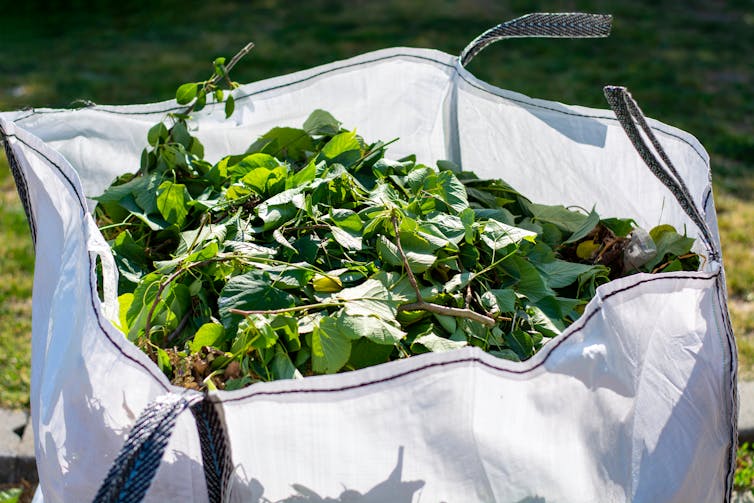
A white bag filled with leaves and branches.
Green waste was a replacement for peat in most of the early alternative composts. Ellyy/Shutterstock

One project tested these different blends of bark, coconut and wood fibre and found these mixtures could effectively replace peat in everything from sowing seeds, to growing young plants and larger ornamental nursery stock and soft fruit. Detailed analysis of each material’s ability to hold water and air in the required proportions – as well as their capacity to drain – revealed a formula which can predict how different materials will perform in any given blend, helping manufacturers develop composts of reliable quality.

Although most of the recent research has involved testing the performance of peat-free mixtures under commercial plant nursery conditions, there’s no reason hobby gardeners shouldn’t have the same level of success.

New blends of peat-free composts are already available in garden centres. New Horizon, a blend of loam and plant fibre, has outsold many peat-based brands. Sadly, only one in 20 retailers has announced plans to eliminate peat in their stores within the year.

Renewed pressure from the government and increasing consumer awareness could drive wider action. A new responsible sourcing scheme within the horticultural industry will help ensure that new compost blends meet agreed sustainability standards in their sourcing and manufacture too. The stage is set for bags of peat-based compost to disappear from garden centres, but the transition to peat-free gardening will depend on gardeners sharing their experiences of how to get the best possible results from new peat-free products.

David Bek, Reader in Sustainable Economies, Coventry University and Margi Lennartsson Turner, Associate Professor of Horticulture, Coventry University

This article is republished from The Conversation under a Creative Commons license. Read the original article.


Tags: SB001
DMCA.com Protection Status

SUBSCRIBE to our NEWSLETTER

[mc4wp_form id=”2384248″]

Don't Miss

The evolution of Aesthetic Surgery through the lens of Dr Kourosh Tavakoli

by Pauline Torongo
4 December 2025
The evolution of Aesthetic Surgery through the lens of Dr. Kourosh Tavakoli
Health & Wellness

As global interest in Australian cosmetic surgery continues to grow, the combination of regulation, research and emerging digital tools is...

Read moreDetails

Ryan: Building real freedom through e-commerce

by Pauline Torongo
27 November 2025
Ryan: Building real freedom through e-commerce
Business & Finance

Ryan’s greatest achievement isn’t any single business or revenue milestone — it’s the ecosystem he’s built through the Change community.

Read moreDetails

Design Australia Group: Redefining Drafting as the engine of housing growth

by Pauline Torongo
26 November 2025
Design Australia Group: Redefining Drafting as the engine of housing growth
Business & Finance

Australia is under pressure to build homes faster, but design bottlenecks slow progress. Design Australia Group is fixing this by...

Read moreDetails

Louis Guy Detata builds Global Trading Empires through autonomous systems and disciplined leadership

by Pauline Torongo
25 November 2025
Louis Guy Detata builds Global Trading Empires through autonomous systems and disciplined leadership
Business & Finance

The path from investment banking to leading a global trading platform has taught Louis Detata that sustainable success requires more...

Read moreDetails

Burning Eucalyptus Wood: Tips, Advantages, Disadvantages & Alternatives

by Fazila Olla-Logday
20 November 2025
Image Supplied
Enviroment

Learn about burning eucalyptus wood for stoves and fireplaces. Discover benefits, drawbacks, harvesting tips, and better alternative firewood options for...

Read moreDetails

Everything Parents Need to Know About Baby Soft Play and Why It’s a Game Changer

by Fazila Olla-Logday
11 November 2025
Everything Parents Need to Know About Baby Soft Play
Health & Wellness

Baby soft play is a fun, safe, and educational way for little ones to explore and grow. Discover the benefits...

Read moreDetails

WOMAD Sets Up a New Camp in Wiltshire – Australian festival fans take note!

by Kris Griffiths
11 November 2025
Kumbia Boruka brought their reggae and dancehall flavour to the Taste the World Stage at WOMAD 2024 - Credit - Mike Massaro
Entertainment

With its 2026 edition moving to Neston Park in England, WOMAD offers Aussie music lovers a chance to reconnect with global...

Read moreDetails
Load More

Copyright © Blue Sky Publications Ltd. All Rights Reserved.
australiantimes.co.uk is a division of Blue Sky Publications Ltd. Reproduction without permission prohibited. DMCA.com Protection Status

  • About us
  • Write for Us
  • Advertise
  • Contact us
  • T&Cs, Privacy and GDPR
No Result
View All Result
  • News
    • Weather
    • Sport
    • Technology
    • Business & Finance
      • Currency Zone
    • Lotto Results
      • The Lott
  • Lifestyle
    • Entertainment
    • Horoscopes
    • Health & Wellness
    • Recipes
  • Travel
  • Expat Life
  • Move to Australia

Copyright © Blue Sky Publications Ltd. All Rights Reserved.
australiantimes.co.uk is a division of Blue Sky Publications Ltd. Reproduction without permission prohibited. DMCA.com Protection Status

No Result
View All Result
  • News
    • Weather
    • Sport
    • Technology
    • Business & Finance
      • Currency Zone
    • Lotto Results
      • The Lott
  • Lifestyle
    • Entertainment
    • Horoscopes
    • Health & Wellness
    • Recipes
  • Travel
  • Expat Life
  • Move to Australia

Copyright © Blue Sky Publications Ltd. All Rights Reserved.
australiantimes.co.uk is a division of Blue Sky Publications Ltd. Reproduction without permission prohibited. DMCA.com Protection Status





