

• Advertise
  • About us
  • Terms and Conditions
  • Contact us
Saturday, December 6, 2025
Australian Times News
  • News
    • Weather
    • Sport
    • Technology
    • Business & Finance
      • Currency Zone
    • Lotto Results
      • The Lott
  • Lifestyle
    • Entertainment
    • Horoscopes
    • Health & Wellness
    • Recipes
  • Travel
  • Expat Life
  • Move to Australia
No Result
View All Result
  • News
    • Weather
    • Sport
    • Technology
    • Business & Finance
      • Currency Zone
    • Lotto Results
      • The Lott
  • Lifestyle
    • Entertainment
    • Horoscopes
    • Health & Wellness
    • Recipes
  • Travel
  • Expat Life
  • Move to Australia
No Result
View All Result
Australian Times News
No Result
View All Result
Home News

Norway’s Supreme Court set to rule on whether the country can keep searching for new Arctic oil

Almost all of Norway’s electricity comes from hydropower and its domestic emissions are relatively low, meaning the country is often perceived as clean and sustainable. Yet this contrasts with the trillions it has accumulated from four decades of producing oil for export, increasing greenhouse gas emissions elsewhere.

The Conversation by The Conversation
23-10-2020 18:05
in News
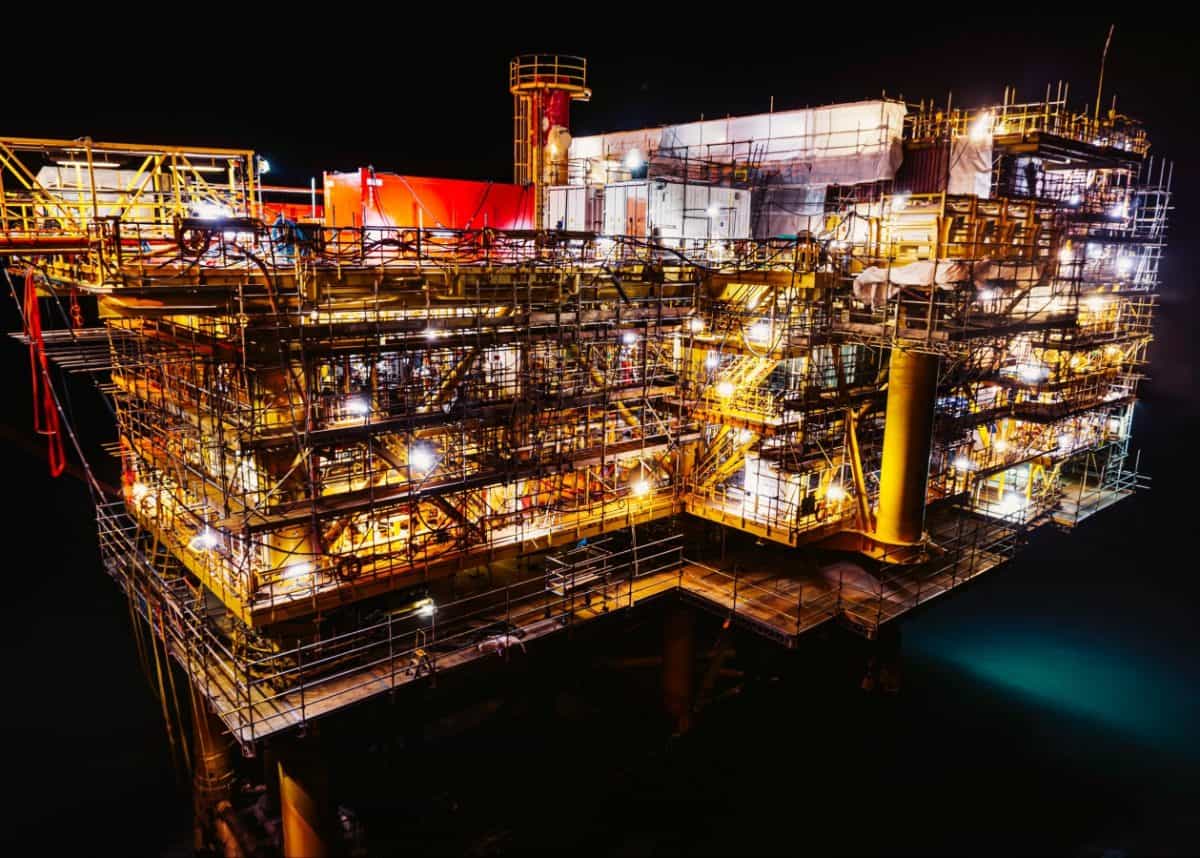
Norway is the seventh largest exporter of emissions

Norway is the seventh largest exporter of emissions Photo by Dean Brierley on Unsplash

Alexandru Gociu, Trinity College Dublin and Suryapratim Roy, Trinity College Dublin

Almost all of Norway’s electricity comes from hydropower and its domestic emissions are relatively low, meaning the country is often perceived as clean and sustainable. Yet this contrasts with the trillions it has accumulated from four decades of producing oil for export, increasing greenhouse gas emissions elsewhere. Norway is the seventh largest exporter of emissions in the world, and its emissions from exported oil and gas are ten times greater than the country’s direct emissions.
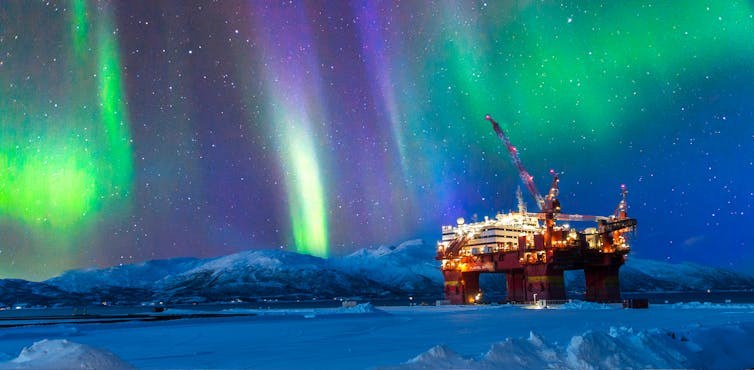
V. Belov / shutterstock

This is known as the Norwegian paradox, and on November 4 2020 the country’s supreme court will hear a crucial case that will highlight the issue. Unlike other high-profile climate lawsuits in other jurisdictions that have required governments to take more action, this one focuses on whether the court can direct the government on what action to take – specifically, to stop issuing licenses for further oil exploitation.

Historically, Norway has adopted a unique model of sustainable development by going slow on oil exploitation and using oil money to invest heavily in renewable energy. This model is now under legal scrutiny from critics who say that oil exploration, especially in the Arctic, is wrongful under any circumstance, irrespective of Norway’s commitment to renewable energy and a resilient economy. Thus, while sustainable development, renewable energy and climate targets are intuitively complementary goals, this case reveals that they may involve conflicting policies.
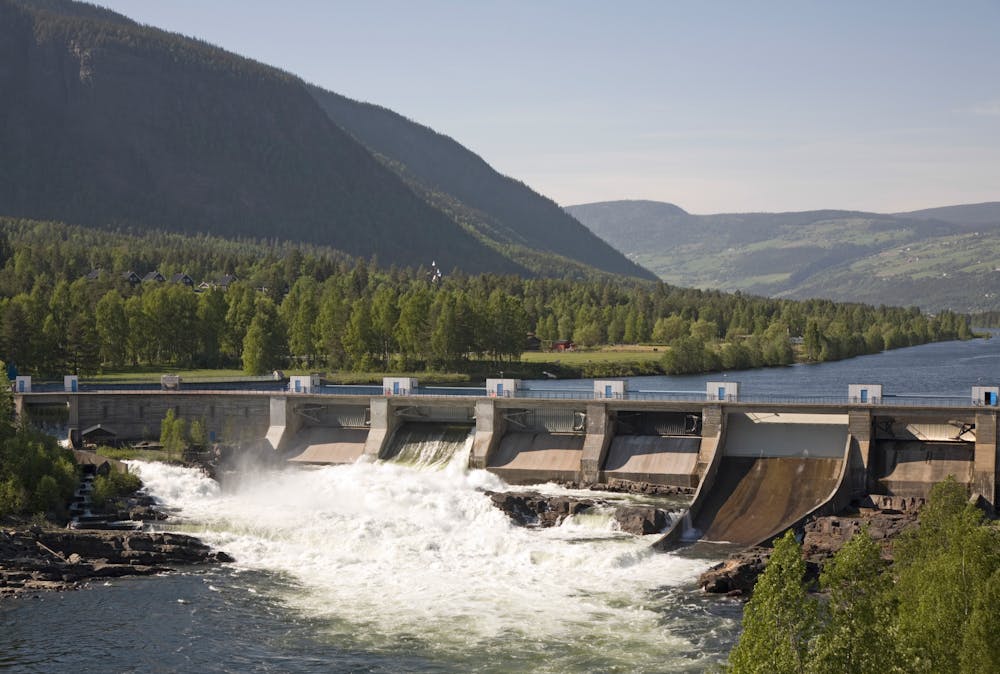
Dam and reservoir in a large forested valley
Norway generates so much hydropower it barely needs fossil fuels for electricity. Bent Nordeng / shutterstock

The case focuses on Article 112 of the Norwegian Constitution, which focuses on sustainability and protection of the environment. In 2014, the article was updated to introduce a duty of care on the government to provide a liveable environment for current and future generations. And in June 2016, Norway ratified the Paris Agreement – so far, so good. However, just a few days beforehand, Norway had also granted new licenses to explore for oil in the Barents Sea, off the country’s northern coast. This prompted an alliance of NGOs – Nature and Youth, Greenpeace, Friends of the Earth Norway and Grandparents Climate – supported by various other scientists, citizens and artists, to sue the Norwegian government in October 2016 over its Arctic oil exploration.

In its judgement on the lawsuit, the Oslo district court assessed that Article 112 of the constitution confers a fundamental right to a healthy environment. However, the court ruled against the petitioners because “emissions of CO₂ abroad from oil and gas exported from Norway are irrelevant when assessing whether the Decision [to permit further oil exploration] entails a violation of Article 112”. Further, after the Paris Agreement was signed, the parliament introduced review measures that enabled halting oil and gas activities if they conflicted with the Agreement. The court found such measures sufficient to meet Norway’s climate change goals.

In January 2020, Oslo’s court of appeal affirmed the district court’s ruling, as the petitioners could not establish that the new oil licenses would lead to Norway not complying with its targets. However, the appeals court judgement differed from the district court in observing that Article 112 applies even to emissions from exported oil and gas – the climate, after all, does not care if Norwegian oil is burned in Bergen or Birmingham.


AlsoRead...

Ryan: Building real freedom through e-commerce

Ryan: Building real freedom through e-commerce

27 November 2025
Design Australia Group: Redefining Drafting as the engine of housing growth

Design Australia Group: Redefining Drafting as the engine of housing growth

26 November 2025

On further appeal by the petitioners, the Supreme Court of Norway has decided to hear the case “in full”, so all the legal arguments, facts and questions will be scrutinised once again.
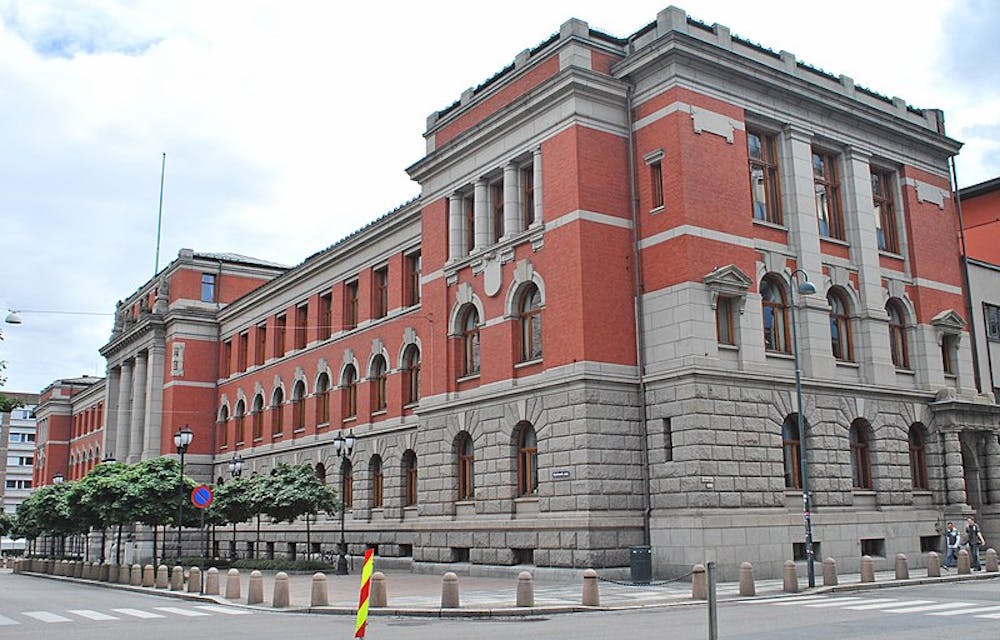
A large building made of stone and red brick.
Norges Høyesterett – the Supreme Court of Norway. Helge Høifødt / wiki, CC BY-SA

The petitioners are encouraged by the Appeals Court’s interpretation of this provision as conferring rights, but are unhappy with the margin of discretion the government has in fulfilling its duties. Here lies the most notable difficulty for the petitioners, namely to connect the very idea of licensing and oil drilling in the Arctic with infringing the right to a clean, productive and diverse environment enshrined in Article 112. Further, Article 112 also elevates natural resources sustainability to a core constitutional principle. Given investments in renewable energy are facilitated by oil money, the conflict between sustainable development and climate policy is even found in constitutional law.

Norway has historically been a world leader in balancing sustainable energy policies and protection of the environment. At the start of its oil boom in the 1970s, it designed a “go slow” policy aimed to preserve independence from big oil companies, to shield the economy and reduce pollution. Meanwhile, oil revenues were channelled into a sovereign wealth fund. The supreme court will therefore have to deal with a collision between a system that aims for a gradual shift to renewables – backed by a strong oil-funded welfare system that helps provide political support – and a more radical approach aimed at stopping the exploration of Arctic oil altogether.

The case is important because it will inevitably address the complex relationship between development, renewable energy and climate change. An affirmative ruling will set a new legal path to revoking exploration licenses based on emissions from exported oil. Even if the petitioners’ claims are denied, the case is likely to influence public debate on whether oil exploration should be a thing of the past.

Alexandru Gociu, PhD in Law Candidate, Trinity College Dublin and Suryapratim Roy, Assistant Professor of Regulatory Law, Trinity College Dublin

This article is republished from The Conversation under a Creative Commons license. Read the original article.


Tags: SB001
DMCA.com Protection Status

SUBSCRIBE to our NEWSLETTER

[mc4wp_form id=”2384248″]

Don't Miss

The evolution of Aesthetic Surgery through the lens of Dr Kourosh Tavakoli

by Pauline Torongo
4 December 2025
The evolution of Aesthetic Surgery through the lens of Dr. Kourosh Tavakoli
Health & Wellness

As global interest in Australian cosmetic surgery continues to grow, the combination of regulation, research and emerging digital tools is...

Read moreDetails

Ryan: Building real freedom through e-commerce

by Pauline Torongo
27 November 2025
Ryan: Building real freedom through e-commerce
Business & Finance

Ryan’s greatest achievement isn’t any single business or revenue milestone — it’s the ecosystem he’s built through the Change community.

Read moreDetails

Design Australia Group: Redefining Drafting as the engine of housing growth

by Pauline Torongo
26 November 2025
Design Australia Group: Redefining Drafting as the engine of housing growth
Business & Finance

Australia is under pressure to build homes faster, but design bottlenecks slow progress. Design Australia Group is fixing this by...

Read moreDetails

Louis Guy Detata builds Global Trading Empires through autonomous systems and disciplined leadership

by Pauline Torongo
25 November 2025
Louis Guy Detata builds Global Trading Empires through autonomous systems and disciplined leadership
Business & Finance

The path from investment banking to leading a global trading platform has taught Louis Detata that sustainable success requires more...

Read moreDetails

Burning Eucalyptus Wood: Tips, Advantages, Disadvantages & Alternatives

by Fazila Olla-Logday
20 November 2025
Image Supplied
Enviroment

Learn about burning eucalyptus wood for stoves and fireplaces. Discover benefits, drawbacks, harvesting tips, and better alternative firewood options for...

Read moreDetails

Everything Parents Need to Know About Baby Soft Play and Why It’s a Game Changer

by Fazila Olla-Logday
11 November 2025
Everything Parents Need to Know About Baby Soft Play
Health & Wellness

Baby soft play is a fun, safe, and educational way for little ones to explore and grow. Discover the benefits...

Read moreDetails

WOMAD Sets Up a New Camp in Wiltshire – Australian festival fans take note!

by Kris Griffiths
11 November 2025
Kumbia Boruka brought their reggae and dancehall flavour to the Taste the World Stage at WOMAD 2024 - Credit - Mike Massaro
Entertainment

With its 2026 edition moving to Neston Park in England, WOMAD offers Aussie music lovers a chance to reconnect with global...

Read moreDetails
Load More

Copyright © Blue Sky Publications Ltd. All Rights Reserved.
australiantimes.co.uk is a division of Blue Sky Publications Ltd. Reproduction without permission prohibited. DMCA.com Protection Status

  • About us
  • Write for Us
  • Advertise
  • Contact us
  • T&Cs, Privacy and GDPR
No Result
View All Result
  • News
    • Weather
    • Sport
    • Technology
    • Business & Finance
      • Currency Zone
    • Lotto Results
      • The Lott
  • Lifestyle
    • Entertainment
    • Horoscopes
    • Health & Wellness
    • Recipes
  • Travel
  • Expat Life
  • Move to Australia

Copyright © Blue Sky Publications Ltd. All Rights Reserved.
australiantimes.co.uk is a division of Blue Sky Publications Ltd. Reproduction without permission prohibited. DMCA.com Protection Status

No Result
View All Result
  • News
    • Weather
    • Sport
    • Technology
    • Business & Finance
      • Currency Zone
    • Lotto Results
      • The Lott
  • Lifestyle
    • Entertainment
    • Horoscopes
    • Health & Wellness
    • Recipes
  • Travel
  • Expat Life
  • Move to Australia

Copyright © Blue Sky Publications Ltd. All Rights Reserved.
australiantimes.co.uk is a division of Blue Sky Publications Ltd. Reproduction without permission prohibited. DMCA.com Protection Status





