

• Advertise
  • About us
  • Terms and Conditions
  • Contact us
Saturday, December 6, 2025
Australian Times News
  • News
    • Weather
    • Sport
    • Technology
    • Business & Finance
      • Currency Zone
    • Lotto Results
      • The Lott
  • Lifestyle
    • Entertainment
    • Horoscopes
    • Health & Wellness
    • Recipes
  • Travel
  • Expat Life
  • Move to Australia
No Result
View All Result
  • News
    • Weather
    • Sport
    • Technology
    • Business & Finance
      • Currency Zone
    • Lotto Results
      • The Lott
  • Lifestyle
    • Entertainment
    • Horoscopes
    • Health & Wellness
    • Recipes
  • Travel
  • Expat Life
  • Move to Australia
No Result
View All Result
Australian Times News
No Result
View All Result
Home News

Nobel peace prize: hunger is a weapon of war but the World Food Programme can’t build peace on its own

By awarding the 2020 Nobel peace prize to the UN’s World Food Programme (WFP), the Nobel committee said that it wanted to “turn the eyes of the world to the millions of people who suffer from or face the threat of hunger”.

The Conversation by The Conversation
10-10-2020 22:03
in News
World Food Programme can’t build peace on its own

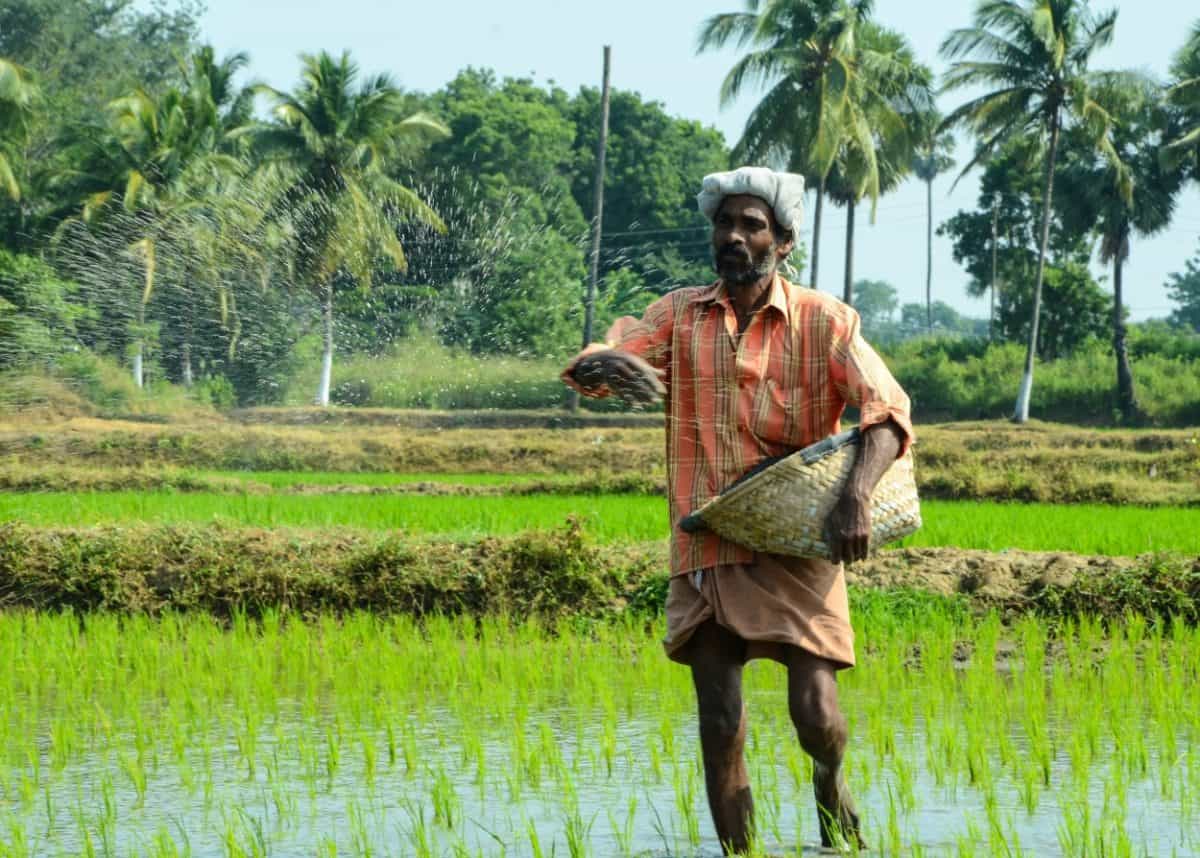
World Food Programme can’t build peace on its own Photo by wilsan u on Unsplash

Susanne Jaspars, SOAS, University of London

By awarding the 2020 Nobel peace prize to the UN’s World Food Programme (WFP), the Nobel committee said that it wanted to “turn the eyes of the world to the millions of people who suffer from or face the threat of hunger”. Among its reasons for awarding the prize were WFP’s “efforts to prevent the use of hunger as a weapon of war and conflict”.

These issues don’t apply just to people living in areas of acute conflict, but also to the many people around the world who have experienced high levels of malnutrition for decades – usually in countries affected by multiple and long-term political crises such as Somalia, Sudan, South Sudan, the Democratic Republic of Congo and Yemen.

The focus that the Nobel committee has brought to hunger and conflict is welcome and very much needed. It must be addressed as a matter of urgency – but not by WFP alone.

Hunger as a weapon

Hunger has been used as a weapon of war for many years, but the issue has recently risen to prominence because of the increased risk of mass starvation in today’s conflicts.

The political acts which cause hunger and starvation can be divided into acts of commission, omission and provision. Acts of commission are attacks on food production, markets and the restriction of people’s movement. Omission is the failure to act, such as when food relief is blocked, while provision is the selective provision of aid to one side of a conflict.

Similar tactics are used in protracted crises but with more subtle manipulation of markets, trade and aid than direct attacks. The war on terror, a rise in authoritarian governments, and geopolitical manoeuvring have magnified these issues and increased the risk of starvation.


AlsoRead...

Ryan: Building real freedom through e-commerce

Ryan: Building real freedom through e-commerce

27 November 2025
Design Australia Group: Redefining Drafting as the engine of housing growth

Design Australia Group: Redefining Drafting as the engine of housing growth

26 November 2025

The link between war and hunger was recognised explicitly with the passing of a UN security council resolution in 2018 which prohibited the use of hunger as a weapon of war. Since then, WFP has been working more actively to understand the link between food security and conflict and how it can contribute to building peace.

The power of food aid

Since its establishment in 1961, WFP has set up an expansive food logistics system and a wealth of tools to assess needs and vulnerability. In the past decade, it has also become involved in cash transfers.

It is now one of the world’s largest humanitarian organisations, but also a business which dominates all aspects of general food distribution and humanitarian assistance. It involves a whole range of people, institutions and practices which can have political and economic consequences well beyond meeting the needs of hungry people.

One of most intractable issues is the manipulation of food aid during conflict and its incorporation into the political economy of famine and war. Food aid has been stolen or taxed by warring parties or local authorities, providing not only a source of finance but boosting their political status.

In Somalia, food aid has been big business and its contractors key political actors. Elsewhere, governments increasingly deny access for food distribution in opposition-held areas, with Syria, and Sudan under its previous regime, being a case in point.

The denial of food aid can also benefit traders as it increases food prices and it benefits business because as people become displaced they are potential sources of cheap labour. The vulnerable are frequently excluded or marginalised, because they are the politically weaker members of society.

Spotlight on political inaction

As part of its role in improving conditions for peace, WFP can analyse these wider political and economic effects, and include them in the way it makes decisions. However, WFP cannot address the political causes of hunger, food insecurity and malnutrition with food aid – or in fact with any technical intervention.

Conflicts need political solutions and crimes of mass starvation need to be prosecuted. Even one of WFP’s most successful operations, the massive food distribution in Darfur in 2005 which effectively reduced malnutrition and mortality, required diplomatic efforts to negotiate the necessary access.

There is a danger that WFP becomes a substitute for political action to address the causes of conflict or for prosecuting crimes of mass starvation. This would actually perpetuate the problem, as structural causes of hunger and malnutrition remain unaddressed.

In turn, this keeps vulnerable people in a state of protracted crisis or precarity and persistent malnutrition. An over-reliance on WFP can also absolve politicians of the blame for creating famine or, alternatively, the international community’s responsibility to protect.

With the spotlight of the Nobel peace prize, WFP can do much by making the political causes of hunger in conflict visible, helping to identify famine crimes, promoting effective assistance that is specific to particular contexts, and using its power to bring about political action.

Susanne Jaspars, Research Associate, LSE’s Conflict and Civil Society Research Unit, and Food Studies Centre, SOAS, University of London

This article is republished from The Conversation under a Creative Commons license. Read the original article.


Tags: SB001
DMCA.com Protection Status

SUBSCRIBE to our NEWSLETTER

[mc4wp_form id=”2384248″]

Don't Miss

The evolution of Aesthetic Surgery through the lens of Dr Kourosh Tavakoli

by Pauline Torongo
4 December 2025
The evolution of Aesthetic Surgery through the lens of Dr. Kourosh Tavakoli
Health & Wellness

As global interest in Australian cosmetic surgery continues to grow, the combination of regulation, research and emerging digital tools is...

Read moreDetails

Ryan: Building real freedom through e-commerce

by Pauline Torongo
27 November 2025
Ryan: Building real freedom through e-commerce
Business & Finance

Ryan’s greatest achievement isn’t any single business or revenue milestone — it’s the ecosystem he’s built through the Change community.

Read moreDetails

Design Australia Group: Redefining Drafting as the engine of housing growth

by Pauline Torongo
26 November 2025
Design Australia Group: Redefining Drafting as the engine of housing growth
Business & Finance

Australia is under pressure to build homes faster, but design bottlenecks slow progress. Design Australia Group is fixing this by...

Read moreDetails

Louis Guy Detata builds Global Trading Empires through autonomous systems and disciplined leadership

by Pauline Torongo
25 November 2025
Louis Guy Detata builds Global Trading Empires through autonomous systems and disciplined leadership
Business & Finance

The path from investment banking to leading a global trading platform has taught Louis Detata that sustainable success requires more...

Read moreDetails

Burning Eucalyptus Wood: Tips, Advantages, Disadvantages & Alternatives

by Fazila Olla-Logday
20 November 2025
Image Supplied
Enviroment

Learn about burning eucalyptus wood for stoves and fireplaces. Discover benefits, drawbacks, harvesting tips, and better alternative firewood options for...

Read moreDetails

Everything Parents Need to Know About Baby Soft Play and Why It’s a Game Changer

by Fazila Olla-Logday
11 November 2025
Everything Parents Need to Know About Baby Soft Play
Health & Wellness

Baby soft play is a fun, safe, and educational way for little ones to explore and grow. Discover the benefits...

Read moreDetails

WOMAD Sets Up a New Camp in Wiltshire – Australian festival fans take note!

by Kris Griffiths
11 November 2025
Kumbia Boruka brought their reggae and dancehall flavour to the Taste the World Stage at WOMAD 2024 - Credit - Mike Massaro
Entertainment

With its 2026 edition moving to Neston Park in England, WOMAD offers Aussie music lovers a chance to reconnect with global...

Read moreDetails
Load More

Copyright © Blue Sky Publications Ltd. All Rights Reserved.
australiantimes.co.uk is a division of Blue Sky Publications Ltd. Reproduction without permission prohibited. DMCA.com Protection Status

  • About us
  • Write for Us
  • Advertise
  • Contact us
  • T&Cs, Privacy and GDPR
No Result
View All Result
  • News
    • Weather
    • Sport
    • Technology
    • Business & Finance
      • Currency Zone
    • Lotto Results
      • The Lott
  • Lifestyle
    • Entertainment
    • Horoscopes
    • Health & Wellness
    • Recipes
  • Travel
  • Expat Life
  • Move to Australia

Copyright © Blue Sky Publications Ltd. All Rights Reserved.
australiantimes.co.uk is a division of Blue Sky Publications Ltd. Reproduction without permission prohibited. DMCA.com Protection Status

No Result
View All Result
  • News
    • Weather
    • Sport
    • Technology
    • Business & Finance
      • Currency Zone
    • Lotto Results
      • The Lott
  • Lifestyle
    • Entertainment
    • Horoscopes
    • Health & Wellness
    • Recipes
  • Travel
  • Expat Life
  • Move to Australia

Copyright © Blue Sky Publications Ltd. All Rights Reserved.
australiantimes.co.uk is a division of Blue Sky Publications Ltd. Reproduction without permission prohibited. DMCA.com Protection Status





