


Joshua Kirshner, University of York; Daniela Salite, University of York, and Matthew Cotton, Teesside University
Earlier this year, militants stormed the coastal town of Palma, Mozambique, which lies close to vast plants for extracting liquefied natural gas (LNG). Dozens of people were killed and thousands more displaced.
Nearly two weeks later, the army had managed to secure the town. Yet the French oil and gas firm Total had already called off the planned resumption of construction at its £14.4 billion LNG project near Palma on the Afungi peninsula, and pulled all staff from the site.
Total then declared a state of “force majeure”, relieving the company of its obligations to the project due to circumstances beyond its control – leaving it unclear if construction will resume.
Other large scale extraction projects in Mozambique are also facing challenges. In January 2021, Brazil’s Vale SA, one of Latin America’s largest mining companies, announced a deal to regain control of its unprofitable coal mining operations in Mozambique.
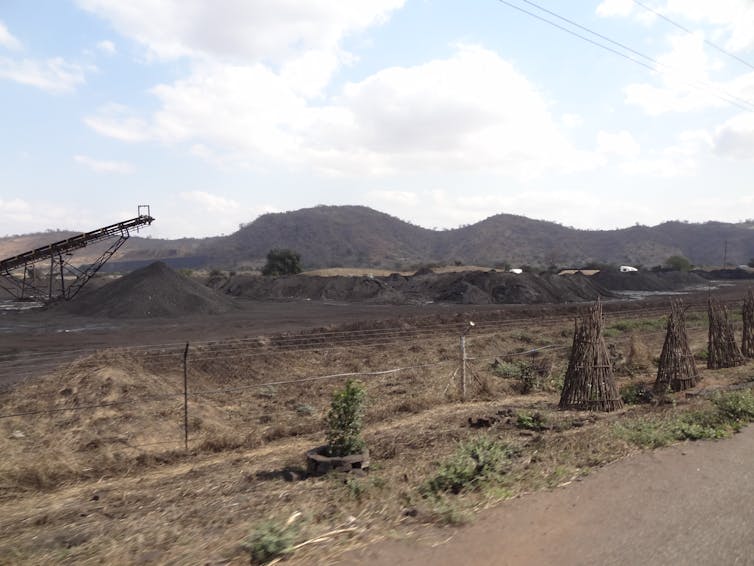
Vale won the rights to operate the Moatize mine in the Tete province in 2004, starting production in 2011. Despite initial optimism, the mines have faced rising costs and labour shortages, conflicts over resettlement of local communities displaced by the mine, and declining global coal prices since 2014.
President Filipe Nyusi of Mozambique has said that his government expects to make over US$100 billion from natural gas projects. The income will provide tax revenue and create 70,000 well-paid jobs over 20 years from 2022. Meanwhile, the government is trying to reduce Mozambique’s dependence on foreign aid from the USA, UK, Sweden and Norway among others.


That means the government’s current strategy is to prioritise supporting fossil fuel extraction for internal financial benefit, over meeting the immediate needs of the hundreds of thousands of people displaced by intensifying conflict.
Land rights
Many people are concerned about what this means for the country’s citizens. David Matsinhe, activist and scholar in African Studies at Carleton University, has argued that the politics of Mozambican land use prioritise economic development at the expense of human rights, community compensation or the consent of the land’s inhabitants.
This land injustice tends to be concentrated in the central and northern regions of Mozambique, which are also political strongholds for Mozambique’s two main opposition political parties, Renamo and MDM.
By contrast, most economic and political resources are concentrated in the southern region: especially in the capital, Maputo, where Frelimo – the ruling party – holds the most support. Power, investment and wealth from central and northern regions disproportionately benefits the small, politically connected elite in Maputo.
Mozambique is naturally rich in fuel. Possessing 100 trillion cubic feet of natural gas reserves, the country is the third-largest source of natural gas in Africa. But fossil fuel extraction is driven by multinational corporations, with the government clearing the way for export to countries across the world. Large hydropower plants in the Tete Province also supply power to South Africa and Zimbabwe as well as Mozambique, and Tete’s coal is exported globally.
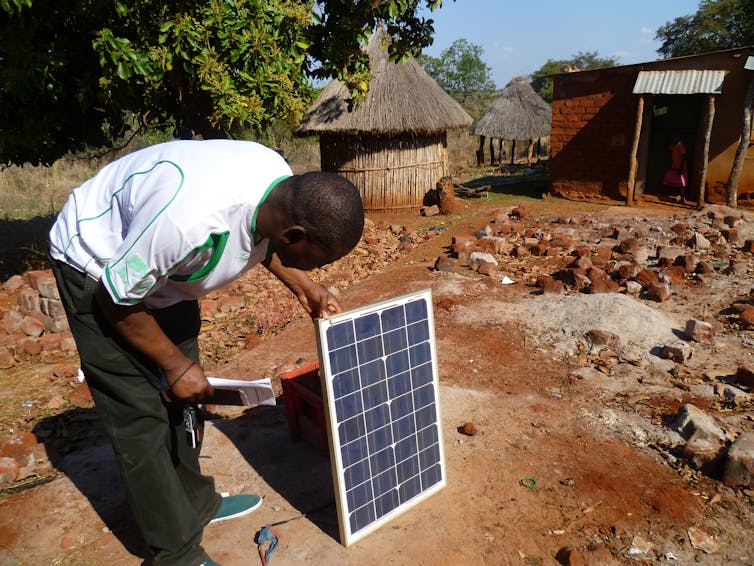
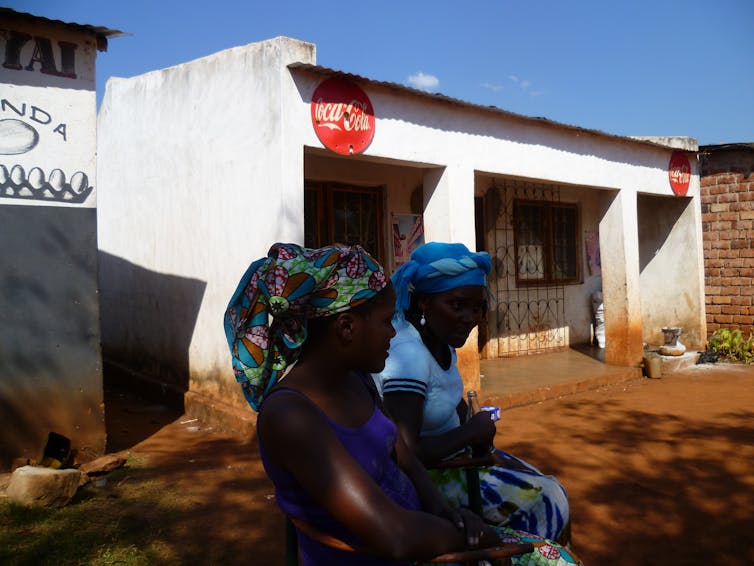
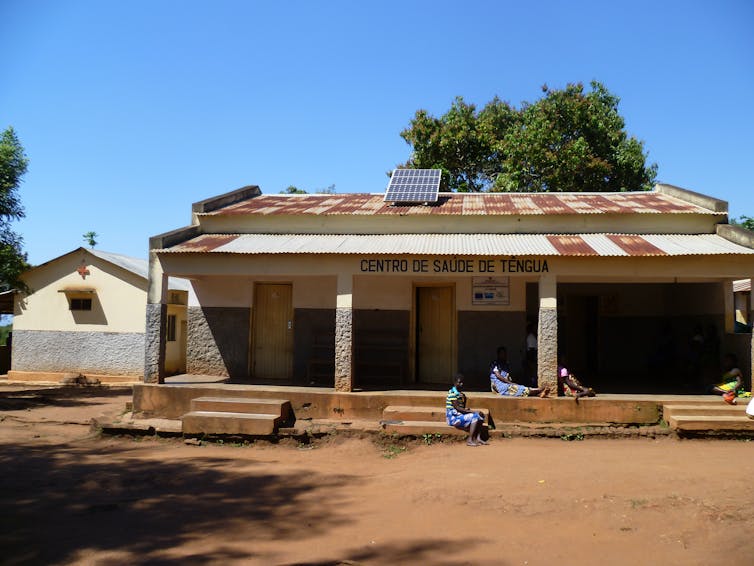
At the same time, energy poverty continues to plague rural communities across the country. Tete has one of the country’s lowest energy access rates, with just 18% of its citizens connected to an electricity grid in 2019. Across the country, around 32% of the population has reliable access to electricity, but that figure drops to 7% in rural areas.
Government promises of improved development for ordinary citizens have yet to materialise. Such thwarted expectations and widespread unemployment, particularly among younger generations, have heightened social tension, divisions and conflict across the country.
Mozambique’s widespread reliance on “extractivism” – making profit through extracting and exporting huge amounts of energy sources from the earth – is embedded in its social and political history. The colonialism, exploitation and state-sponsored violence that litter its past and impact its present have locked Mozambique into a political and economic model that requires ongoing external financial support.
Mozambican authorities are also forced to respond to the market demands set by wealthy industrialised countries, reducing their autonomy – and making it difficult to transition away from “dirty” energy provided by coal and gas. Meanwhile, the country’s own citizens continue to lose out.
The problems created by these patterns aren’t the only cause of local violent conflict, but they are certainly contributing to it by increasing the vulnerability and exclusion of Mozambique’s poorest citizens.
Change is coming
What can break this impasse? Recent conflicts, political turmoil and the growing threat of climate-induced disasters could push Mozambique to re-envision its energy and development strategies.
Nyusi has also said his country wants to avoid the negative experiences of other nations that failed to use wealth from their own resources to create prosperity for their citizens. If this is to happen, it’s vital for the government to place community and sustainability at the heart of its approach to energy.
The government must work to involve locals, not just international energy giants, in developing sustainable energy for the country. This could be achieved by helping communities develop more off-grid, low-carbon energy projects that are subsidised – allowing lower-income, marginalised and vulnerable populations to share in their benefits.
It should also begin requiring fossil fuel companies setting up shop in Mozambique to support community-based renewable energy projects in exchange for their right to operate oil and gas power plants. Mozambique’s economy deserves to be centred around its citizens, and its energy projects geared towards the local communities they serve.
Joshua Kirshner, Senior Lecturer in Human Geography and Environmental Studies, University of York; Daniela Salite, Postdoctoral research associate, University of York, and Matthew Cotton, Professor of Public Policy, Teesside University
This article is republished from The Conversation under a Creative Commons license. Read the original article.







