• Advertise
  • About us
  • Terms and Conditions
  • Contact us
Sunday, December 7, 2025
Australian Times News
  • News
    • Weather
    • Sport
    • Technology
    • Business & Finance
      • Currency Zone
    • Lotto Results
      • The Lott
  • Lifestyle
    • Entertainment
    • Horoscopes
    • Health & Wellness
    • Recipes
  • Travel
  • Expat Life
  • Move to Australia
No Result
View All Result
  • News
    • Weather
    • Sport
    • Technology
    • Business & Finance
      • Currency Zone
    • Lotto Results
      • The Lott
  • Lifestyle
    • Entertainment
    • Horoscopes
    • Health & Wellness
    • Recipes
  • Travel
  • Expat Life
  • Move to Australia
No Result
View All Result
Australian Times News
No Result
View All Result
Home News

Move over, corn and soybeans: The next biofuel source could be giant sea kelp

Giant kelp, the world’s largest species of marine algae, is an attractive source for making biofuels. In a recent study, we tested a novel strategy for growing kelp that could make it possible to produce it continuously on a large scale.

The Conversation by The Conversation
02-04-2021 22:21
in News
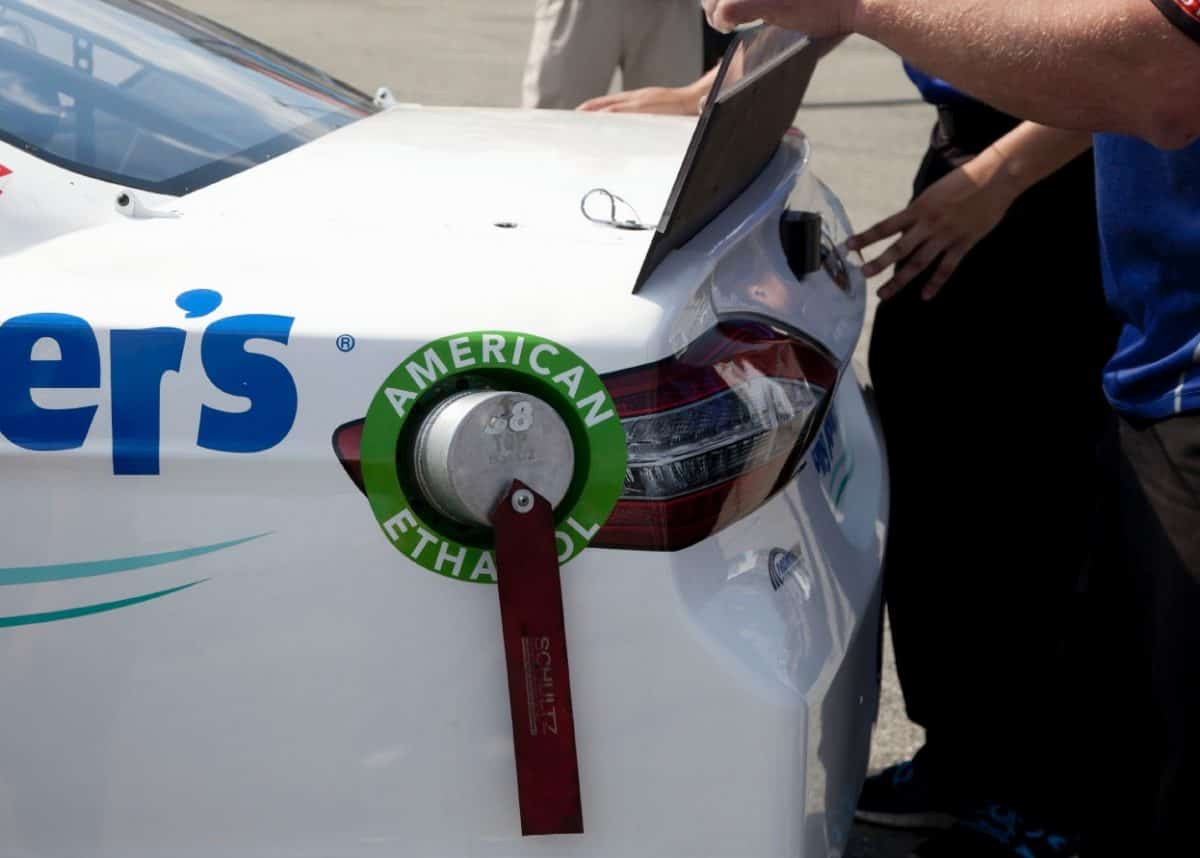
Photo by Science in HD on Unsplash

Photo by Science in HD on Unsplash

Diane Kim, USC Dornsife College of Letters, Arts and Sciences; Ignacio Navarrete, USC Dornsife College of Letters, Arts and Sciences, and Jessica Dutton, USC Dornsife College of Letters, Arts and Sciences

The Research Brief is a short take about interesting academic work.

The big idea

Giant kelp, the world’s largest species of marine algae, is an attractive source for making biofuels. In a recent study, we tested a novel strategy for growing kelp that could make it possible to produce it continuously on a large scale. The key idea is moving kelp stocks daily up to near-surface waters for sunlight and down to darker waters for nutrients.
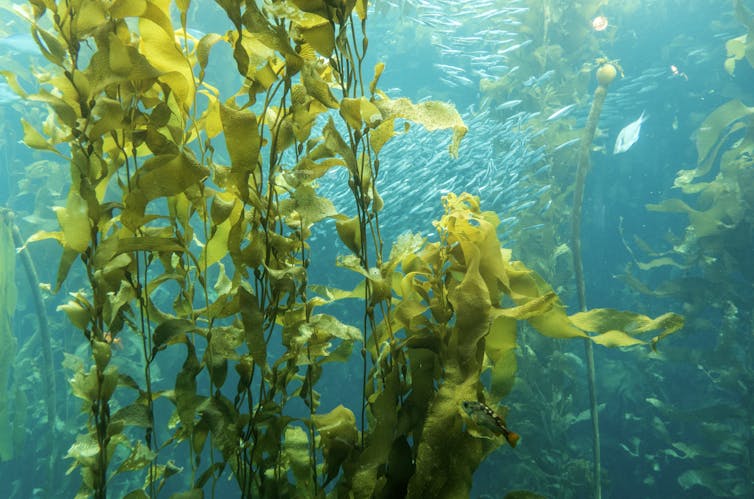
Giant kelp (Macrocystis pyrifera) is a potential energy crop. Linking Tourism & Conservation/Flickr, CC BY

Unlike today’s energy crops, such as corn and soybeans, growing kelp doesn’t require land, fresh water or fertilizer. And giant kelp can grow over a foot per day under ideal conditions.

Kelp typically grows in shallow zones near the coast, and thrives only where sunlight and nutrients are both plentiful. There’s the challenge: The ocean’s sunlit layer extends down about 665 feet (200 meters) or less below the surface, but this zone often doesn’t contain enough nutrients to support kelp growth.

Much of the open ocean surface is nutrient-poor year-round. In coastal areas, upwelling – deep water rising to the surface, bringing nutrients – is seasonal. Deeper waters, on the other hand, are rich in nutrients but lack sunlight.

Our study demonstrated that kelp withstood daily changes in water pressure as we cycled it between depths of 30 feet (9 meters) and 262 feet (80 meters). Our cultivated kelp acquired enough nutrients from the deeper, dark environment to generate four times more growth than kelp that we transplanted to a native coastal kelp habitat. https://www.youtube.com/embed/IBsxRQt2tPE?wmode=transparent&start=0 “Farming” kelp in the ocean could produce abundant material for making sustainable biofuel.


AlsoRead...

Ryan: Building real freedom through e-commerce

Ryan: Building real freedom through e-commerce

27 November 2025
Design Australia Group: Redefining Drafting as the engine of housing growth

Design Australia Group: Redefining Drafting as the engine of housing growth

26 November 2025

Why it matters

Making biofuels from terrestrial crops such as corn and soybeans competes with other uses for farmland and fresh water. Using plants from the ocean can be more sustainable, efficient and scalable.

Marine biomass can be converted into different forms of energy, including ethanol, to replace the corn-derived additive that currently is blended into gasoline in the U.S. Perhaps the most appealing end-product is bio-crude – oil derived from organic materials. Bio-crude is produced through a process called hydrothermal liquefaction, which uses temperature and pressure to convert materials like algae into oils.

These oils can be processed in existing refineries into bio-based fuels for trucks and planes. It’s not practical yet to run these long-distance transportation modes on electricity because they would require enormous batteries.

By our calculations, producing enough kelp to power the entire U.S. transportation sector would require using just a small fraction of the U.S. Exclusive Economic Zone – the ocean area out to 200 nautical miles from the coastline.

How we do our work

Our work is a collaboration between the USC Wrigley Institute and Marine BioEnergy Inc., funded by the U.S. Department of Energy’s ARPA-E MARINER (Macroalgae Research Inspiring Novel Energy Resources) program. The research team includes biologists, oceanographers and engineers, working with scuba divers, vessel operators, research technicians and students.

We tested kelp’s biological response to depth cycling by attaching it to an open ocean structure we call the “kelp elevator,” designed by the team’s engineers. The elevator is anchored near the USC Wrigley Marine Science Center on California’s Catalina Island. A solar-powered winch raises and lowers it daily to cycle the kelp between deep and shallow water.

We depth-cycled 35 juvenile kelp plants for three months and planted a second set at a nearby healthy kelp bed for comparison. To our knowledge, this was the first attempt to study the biological effects of physical depth cycling on kelp. Prior studies focused on artificially pumping deep nutrient-rich water to the surface.
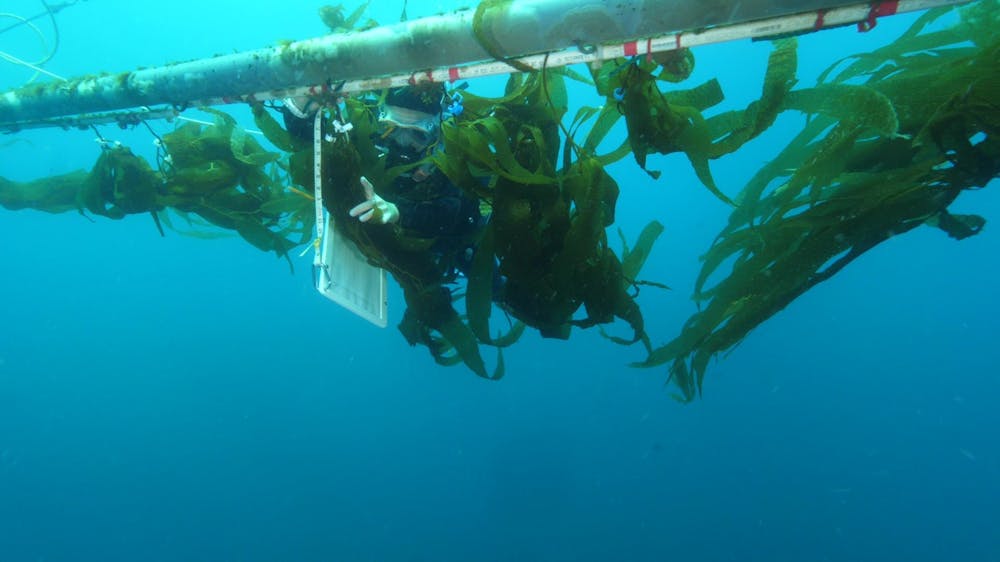
Scuba diver next to structure in open ocean water with kelp attached to it.
A diver at the ‘kelp elevator.’ Maurice Roper, CC BY-ND

What’s next

Our results suggest that depth cycling is a biologically viable cultivation strategy. Now we want to analyze factors that can increase yields, including timing, water depth and kelp genetics.

Many unknowns need further study, including processes for permitting and regulating kelp farms, and the possibility that raising kelp on a large scale could have unintended ecological consequences. But we believe marine biomass energy has great potential to help meet 21st-century sustainability challenges.

Diane Kim, Adjunct Assistant Professor of Environmental Studies and Senior Scientist, USC Wrigley Institute, USC Dornsife College of Letters, Arts and Sciences; Ignacio Navarrete, Postdoctoral Scholar and Research Associate, USC Wrigley Institute for Environmental Studies, USC Dornsife College of Letters, Arts and Sciences, and Jessica Dutton, Associate Director for Research, Wrigley Institute for Environmental Studies / Adjunct Assistant Professor (Research), Environmental Studies Program, USC Dornsife College of Letters, Arts and Sciences

This article is republished from The Conversation under a Creative Commons license. Read the original article.


Tags: SB001
DMCA.com Protection Status

SUBSCRIBE to our NEWSLETTER

[mc4wp_form id=”2384248″]

Don't Miss

The evolution of Aesthetic Surgery through the lens of Dr Kourosh Tavakoli

by Pauline Torongo
4 December 2025
The evolution of Aesthetic Surgery through the lens of Dr. Kourosh Tavakoli
Health & Wellness

As global interest in Australian cosmetic surgery continues to grow, the combination of regulation, research and emerging digital tools is...

Read moreDetails

Ryan: Building real freedom through e-commerce

by Pauline Torongo
27 November 2025
Ryan: Building real freedom through e-commerce
Business & Finance

Ryan’s greatest achievement isn’t any single business or revenue milestone — it’s the ecosystem he’s built through the Change community.

Read moreDetails

Design Australia Group: Redefining Drafting as the engine of housing growth

by Pauline Torongo
26 November 2025
Design Australia Group: Redefining Drafting as the engine of housing growth
Business & Finance

Australia is under pressure to build homes faster, but design bottlenecks slow progress. Design Australia Group is fixing this by...

Read moreDetails

Louis Guy Detata builds Global Trading Empires through autonomous systems and disciplined leadership

by Pauline Torongo
25 November 2025
Louis Guy Detata builds Global Trading Empires through autonomous systems and disciplined leadership
Business & Finance

The path from investment banking to leading a global trading platform has taught Louis Detata that sustainable success requires more...

Read moreDetails

Burning Eucalyptus Wood: Tips, Advantages, Disadvantages & Alternatives

by Fazila Olla-Logday
20 November 2025
Image Supplied
Enviroment

Learn about burning eucalyptus wood for stoves and fireplaces. Discover benefits, drawbacks, harvesting tips, and better alternative firewood options for...

Read moreDetails

Everything Parents Need to Know About Baby Soft Play and Why It’s a Game Changer

by Fazila Olla-Logday
11 November 2025
Everything Parents Need to Know About Baby Soft Play
Health & Wellness

Baby soft play is a fun, safe, and educational way for little ones to explore and grow. Discover the benefits...

Read moreDetails

WOMAD Sets Up a New Camp in Wiltshire – Australian festival fans take note!

by Kris Griffiths
11 November 2025
Kumbia Boruka brought their reggae and dancehall flavour to the Taste the World Stage at WOMAD 2024 - Credit - Mike Massaro
Entertainment

With its 2026 edition moving to Neston Park in England, WOMAD offers Aussie music lovers a chance to reconnect with global...

Read moreDetails
Load More

Copyright © Blue Sky Publications Ltd. All Rights Reserved.
australiantimes.co.uk is a division of Blue Sky Publications Ltd. Reproduction without permission prohibited. DMCA.com Protection Status

  • About us
  • Write for Us
  • Advertise
  • Contact us
  • T&Cs, Privacy and GDPR
No Result
View All Result
  • News
    • Weather
    • Sport
    • Technology
    • Business & Finance
      • Currency Zone
    • Lotto Results
      • The Lott
  • Lifestyle
    • Entertainment
    • Horoscopes
    • Health & Wellness
    • Recipes
  • Travel
  • Expat Life
  • Move to Australia

Copyright © Blue Sky Publications Ltd. All Rights Reserved.
australiantimes.co.uk is a division of Blue Sky Publications Ltd. Reproduction without permission prohibited. DMCA.com Protection Status

No Result
View All Result
  • News
    • Weather
    • Sport
    • Technology
    • Business & Finance
      • Currency Zone
    • Lotto Results
      • The Lott
  • Lifestyle
    • Entertainment
    • Horoscopes
    • Health & Wellness
    • Recipes
  • Travel
  • Expat Life
  • Move to Australia

Copyright © Blue Sky Publications Ltd. All Rights Reserved.
australiantimes.co.uk is a division of Blue Sky Publications Ltd. Reproduction without permission prohibited. DMCA.com Protection Status