Michelle Harvey, Deakin University
Am I not pretty enough? This article is part of The Conversation’s new series introducing you to Australia’s unloved animals that need our help.
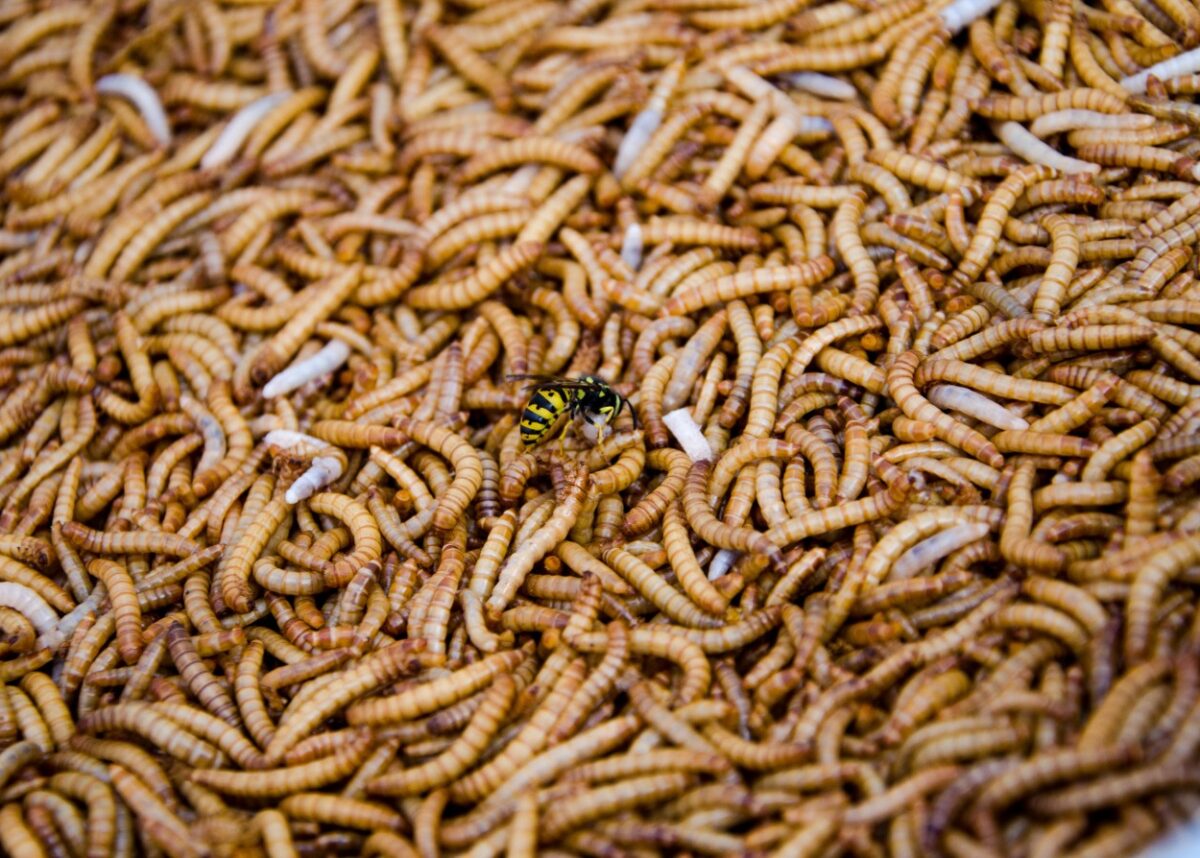
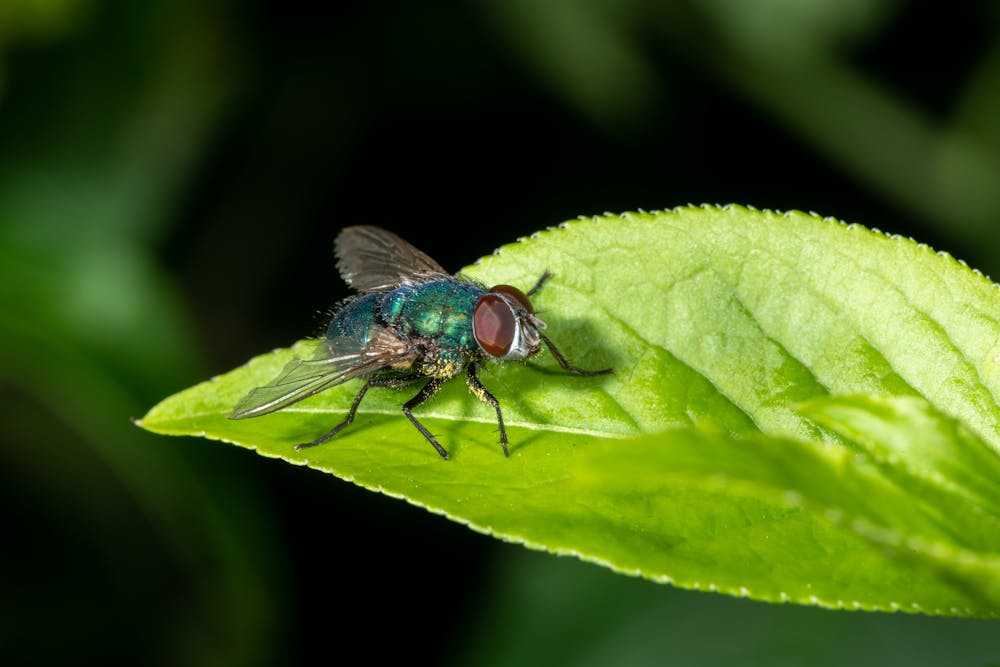
Not all superheroes wear capes – some live in rubbish bins, garbage dumps and on dead bodies. Maggots are the offspring of the blowfly, the scourge of the Aussie picnic, nuisance of summer and feared by farmers for infesting and killing sheep.
However, these humble little legless larvae are actually nature’s antibacterial soldiers. Their ability to survive and thrive in decomposing matter is making them our new secret weapon in forensic entomology – the science of using insects to solve crimes – and for cleaning chronic wounds.
But their success in this field depends on us seeing past the “yuck” factor and appreciating what these unique organisms can do for us. So what do maggots actually do, and why do we need them?
Yes, they live in filth
Maggots hatch from eggs laid by female blowflies on moist, microbe-rich matter. This might be a corpse, a wound, food waste or anything else palatable or decomposing.
After hatching, the maggots spread enzymes and bacteria that break down their food source into a delectable soup. They drink this soup, heads down and bottoms up, with their cleverly designed bottoms adapted for breathing. This means non-stop voracious feeding in this high nutrient, bacterially rich soup can continue uninterrupted – there’s no need to come up for air.


Their efficiency in recycling decomposing matter so rapidly and effectively makes them a fantastic waste disposal system, but their love of flesh is multi-faceted.
Let’s start with the negative. Attracted to all things decomposing, from rubbish to human remains, they live in filth. Bacterially infected environments are their happy place.
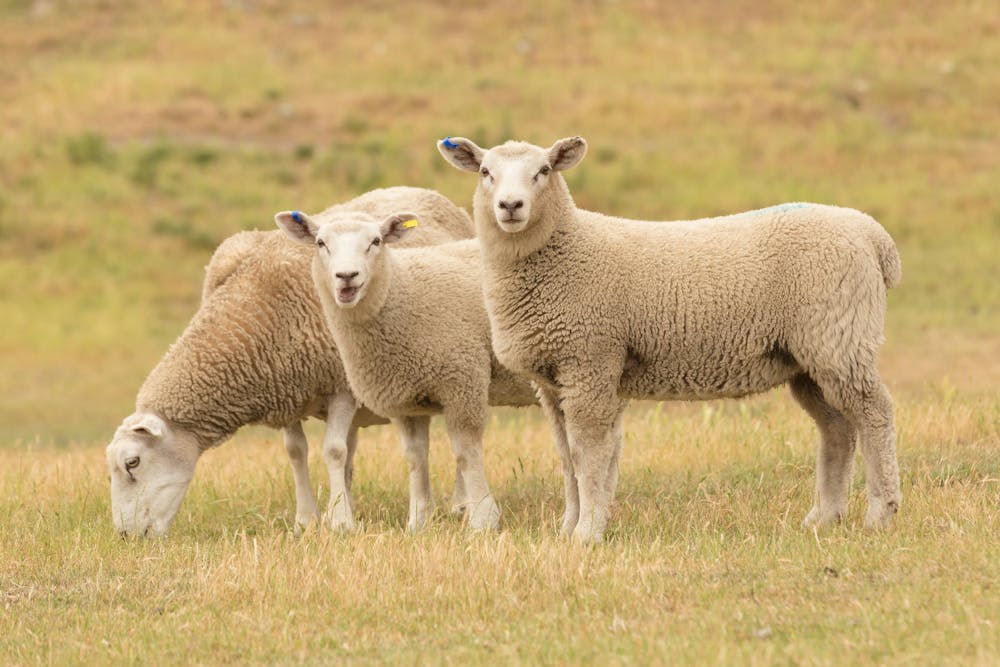
Unfortunately, this can extend to live animals, with wounds becoming infected by maggots, which is known as myiasis. The Australian sheep blowfly (Lucilia cuprina), for example, is responsible for flystrike on our sheep following the soiling of fleece with rain and body fluids.
It can result in significant discomfort and ultimately death for the animals. This costs Australian agriculture approximately A$173 million per year .
But there’s a flipside
On the flipside, in forensic entomology we use the rapid attraction of female flies to lay eggs on human remains as a “biological clock”.
Flies are our detectives – moments after a person’s death decomposition begins, the odours produced from the remains quickly attract the flies. We determine the age of insects on remains to estimate the time since death.
Forensic entomologists have provided valuable evidence in many death investigations, and this is possible purely because blowflies are attracted to decomposing organic matter rich in bacteria.
Curiously, the bacteria don’t kill the insects and the larvae feed almost invincibly. This ability is being exploited in human health care.
The most intriguing interaction of maggots and humans is in an area known as maggot therapy. Clean, medical-grade maggots are intentionally and carefully introduced to a chronic wound, where they remove dead tissue and overcome the need for invasive surgical treatment.
Research has shown maggots don’t just remove the dead tissue by debriding the wound, they simultaneously kill off the harmful bacteria responsible for the infection. This occurs in the very acidic stomach of the maggot, as well as in the wound itself, where highly specialised antibacterial substances are excreted and secreted by the feeding larvae.
So maggots are not just eating machines to eliminate dead tissue, they are medicinal, utilising their own, bespoke pharmaceuticals to clean up wounds that often fail to respond to other treatment – and all for a bargain. A wound may be healed for approximately A$200-500 with no need for a hospital stay or surgical intervention.
Why do they need more research?
Chronic wounds are an increasing burden in the health system, with 400,000 Australians estimated to have a chronic wound or ulcer at any point in time.
This bears an estimated annual cost of A$2-4 billion annually, with this figure likely to increase due to the ageing population and prevalence of chronic disease including diabetes. Additionally, antibiotic resistant “superbugs” are posing a challenge to effective wound treatment, which means surgery is needed where less invasive methods fail.

The importance of maggot therapy has been recognised by some Aboriginal people, Central American Mayan tribes and wartime surgeons in the 1500s and 1800s, but was abandoned in favour of antibiotics.
In the United Kingdom, maggot therapy is approved for doctors to prescribe and could save the National Health Service an estimated A$2.5 billion per year. In the United States, maggot therapy has resurged and the US Food and Drug Agency provided clearance to market medicinal maggots in 2004.
In Australia, maggot therapy isn’t yet TGA approved, and we need to invest research dollars into understanding its mechanisms and conducting our own clinical trials before this will be achieved.
The maggots, while highly effective, are often misunderstood and clinical data is somewhat skewed by the fact maggots are always the last resort for a chronic, non-healing wound – right before amputation.
This life-saving service provided by the humble maggot all comes back to their love of bacteria and a good necrotic soup. So the next time you hose maggots out of your rubbish bin, pause to reconsider that “yuck” reaction, because nature’s little superheroes are ready to help, if only we let them.
Michelle Harvey, Associate Professor, Deakin University
This article is republished from The Conversation under a Creative Commons license. Read the original article.