• Advertise
  • About us
  • Terms and Conditions
  • Contact us
Saturday, December 6, 2025
Australian Times News
  • News
    • Weather
    • Sport
    • Technology
    • Business & Finance
      • Currency Zone
    • Lotto Results
      • The Lott
  • Lifestyle
    • Entertainment
    • Horoscopes
    • Health & Wellness
    • Recipes
  • Travel
  • Expat Life
  • Move to Australia
No Result
View All Result
  • News
    • Weather
    • Sport
    • Technology
    • Business & Finance
      • Currency Zone
    • Lotto Results
      • The Lott
  • Lifestyle
    • Entertainment
    • Horoscopes
    • Health & Wellness
    • Recipes
  • Travel
  • Expat Life
  • Move to Australia
No Result
View All Result
Australian Times News
No Result
View All Result
Home News

It’s 12 months since the last bushfire season began, but don’t expect the same this year

So will the 2020 fire season kick off this month

The Conversation by The Conversation
11-06-2020 06:05
in News
It’s 12 months since the last bushfire season began

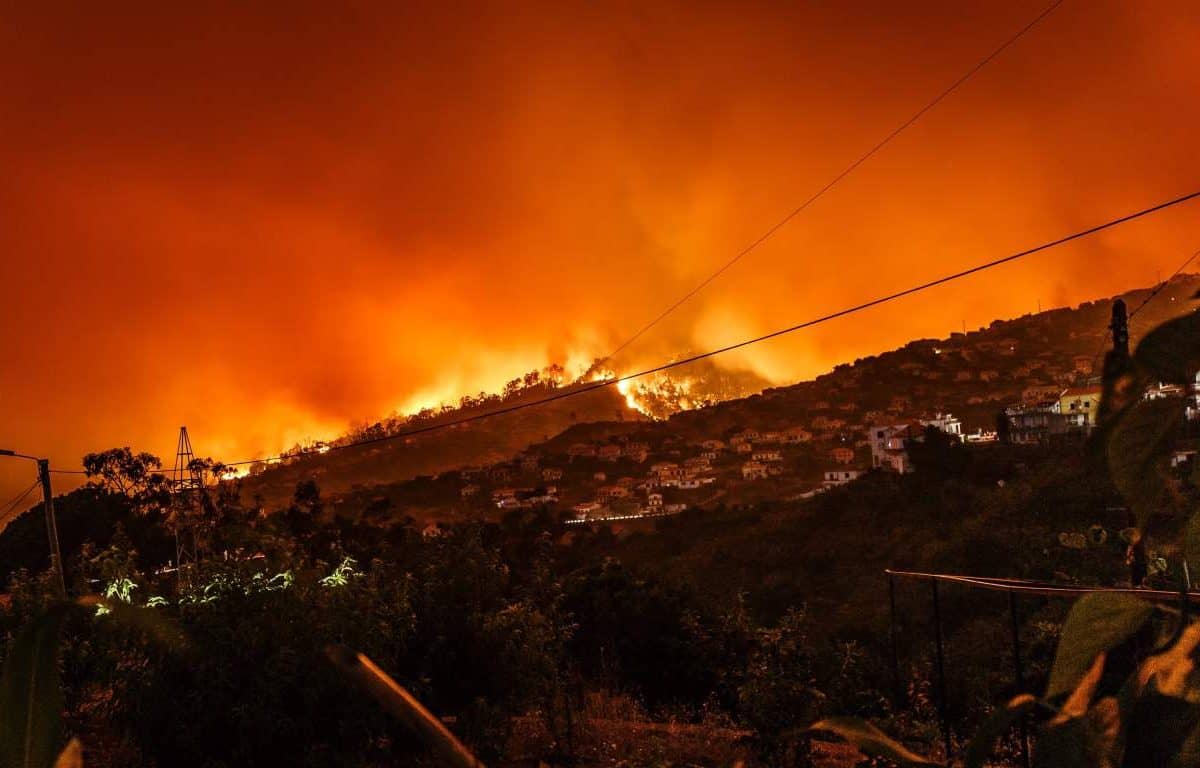
It’s 12 months since the last bushfire season began Photo by Michael Held on Unsplash

Kevin Tolhurst, University of Melbourne

Last season’s bushfires directly killed 34 people and devastated more than 8 million hectares of land along the south-eastern fringe of Australia.

A further 445 people are estimated to have died from smoke-induced respiratory problems.

The burned landscape may take decades to recover, if it recovers at all.

While it’s become known colloquially as the Black Summer, last year’s fire season actually began in winter in parts of Queensland. The first fires were in June.

So will the 2020 fire season kick off this month? And is last summer’s inferno what we should expect as a normal fire season? The answer to both questions is no. Let’s look at why.

Last fire season

First, let’s recap what led to last year’s early start to the fire season, and why the bushfires became so intense and extensive.


AlsoRead...

Ryan: Building real freedom through e-commerce

Ryan: Building real freedom through e-commerce

27 November 2025
Design Australia Group: Redefining Drafting as the engine of housing growth

Design Australia Group: Redefining Drafting as the engine of housing growth

26 November 2025

The fires were so severe because they incorporated five energy sources. The most obvious is fuel: live and dead plant material.

The other sources bushfires get their energy from include the terrain, weather, atmospheric instability and a lack of moisture in the environment such as in soil, timber in houses and large woody debris.

The June fires in Queensland resulted from a drought due to the lack of rain coming from the Indian Ocean. The drought combined with unusually hot dry winds from the north-west. By August the bushfires were burning all along the east coast of Australia and had become large and overwhelming.

Ahead of the fire season, environmental moisture was the lowest ever recorded in much of eastern Australia. This was due to the Indian Ocean Dipole – the difference in sea surface temperature on either side of the ocean – which affects rainfall in Australia. The dipole was in positive mode, which brought drought. This meant the fire used less of its own energy to spread.

Fire weather conditions in south-eastern Australia were severe from August 2019 until March 2020. Temperatures reached record highs in places, relative humidity was low and winds were strong due to high-pressure systems tracking further north than normal.

High atmospheric instability, often associated with thunderstorms, enabled large fire plumes to develop as fires grew to several thousand hectares in size. This increased winds and dryness at ground level, rapidly escalating the damaging power and size of the fires.

Fuel levels were high because of the drying trend associated with climate change and a lack of low-intensity fires over the past couple of decades, which allowed fuel levels to build up.

What’s different now

Currently, at least two bushfire energy sources – fuels and drought – are at low levels.

Fuels are low because last season’s fires burnt through large tracts of landscape and it will take five to ten years for them to redevelop. The build-up will start with leaf litter, twigs and bark.

In forested areas, the initial flush of regrowth in understorey and overstorey will be live and moist. Gradually, leaves will turn over and dead litter will start to build up.

But there is little chance of areas severely burnt in 2019-20 carrying an intense fire for at least five years.

What’s also different this year to last is the moist conditions. Drought leading up to last fire season was severe (see below).
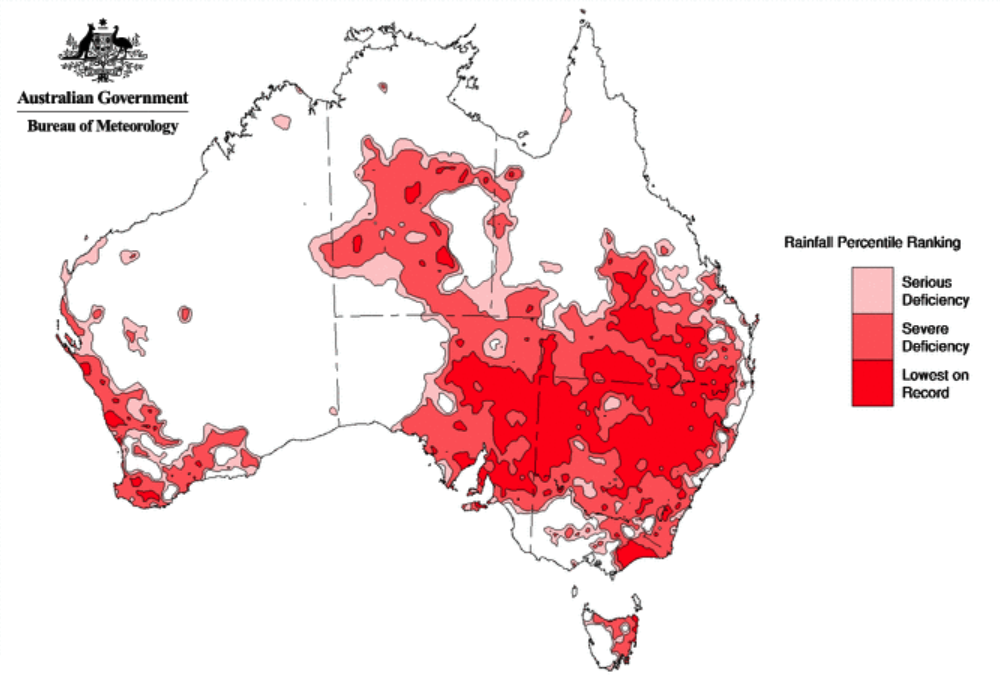
Rainfall Deficiencies: 36 months (February 1 2017 to January 31 2020). Australian Bureau of Meteorology, CC BY

Environmental moisture was the driest on record, or in the lowest 5% of records for much of south-east Australia.

But the current level of drought (see below) is much less pronounced.
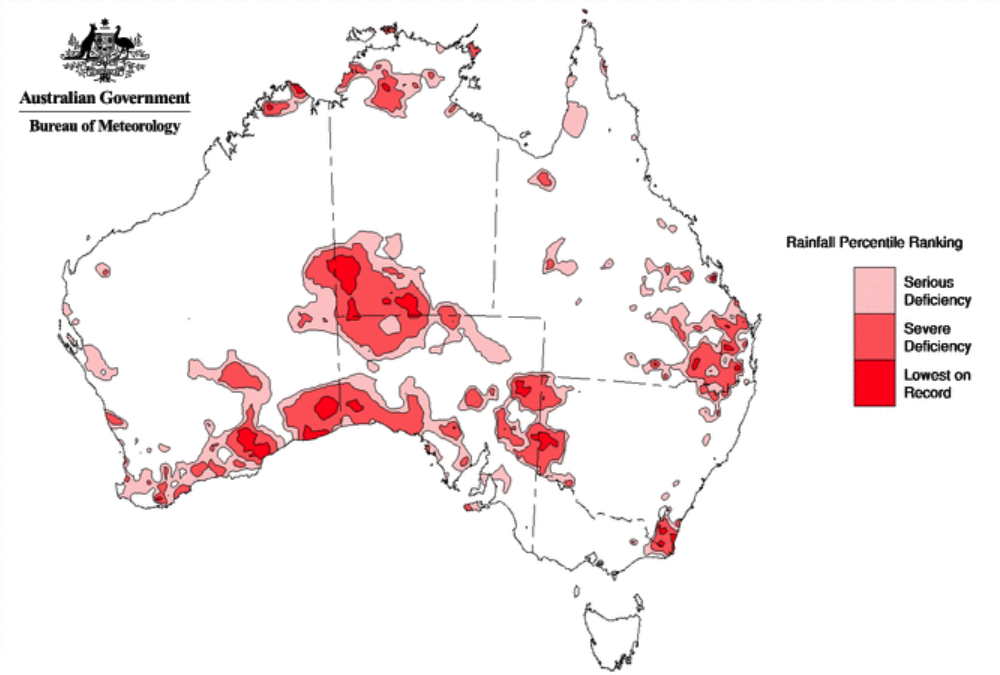
Rainfall Deficiencies: 12 months (June 1 2019 to May 31 2020). Australian Bureau of Meteorology, CC BY

A change in weather patterns brought good rains to eastern Australia from late February to April.

A turning point?

It’s too early to say conclusively how the fire season will pan out in 2020-21. But moister conditions due to a neutral Indian Ocean Dipole and Southern Oscillation Index (which indicates the strength of any El Niño and La Niña events), the lack of fuel, and more normal weather patterns (known as a positive Southern Annular Mode) mean there is little prospect of an early start to the season.

The likelihood of severe bushfires in south-east Australia later in the year and over summer is much reduced. This doesn’t mean there won’t be bushfires. But they’re not likely to be as extensive and severe as last fire season.

The reduced bushfire risk is likely to persist for the next three to five years.

But, in the longer term, climate change means severe fire seasons are becoming more frequent. If we simply try to suppress these fires, we will fail. We need a concerted effort to manage the bushfire risk. This should involve carefully planned and implemented prescribed fires, as well as planning and preparing for bushfires.

Last bushfire season should be a turning point for land management in Australia. Five inquiries into the last bushfire season are under way, including a royal commission, a Senate inquiry and inquiries in South Australia, Victoria and New South Wales.

These inquiries must lead to change. We have a short window of opportunity to start managing fires in the landscape more sustainably. If we don’t, in a decade’s time we may see the Black Summer repeat itself.

Kevin Tolhurst, Hon. Assoc. Prof., Fire Ecology and Management, University of Melbourne

This article is republished from The Conversation under a Creative Commons license. Read the original article.


Tags: SB001
DMCA.com Protection Status

SUBSCRIBE to our NEWSLETTER

[mc4wp_form id=”2384248″]

Don't Miss

The evolution of Aesthetic Surgery through the lens of Dr Kourosh Tavakoli

by Pauline Torongo
4 December 2025
The evolution of Aesthetic Surgery through the lens of Dr. Kourosh Tavakoli
Health & Wellness

As global interest in Australian cosmetic surgery continues to grow, the combination of regulation, research and emerging digital tools is...

Read moreDetails

Ryan: Building real freedom through e-commerce

by Pauline Torongo
27 November 2025
Ryan: Building real freedom through e-commerce
Business & Finance

Ryan’s greatest achievement isn’t any single business or revenue milestone — it’s the ecosystem he’s built through the Change community.

Read moreDetails

Design Australia Group: Redefining Drafting as the engine of housing growth

by Pauline Torongo
26 November 2025
Design Australia Group: Redefining Drafting as the engine of housing growth
Business & Finance

Australia is under pressure to build homes faster, but design bottlenecks slow progress. Design Australia Group is fixing this by...

Read moreDetails

Louis Guy Detata builds Global Trading Empires through autonomous systems and disciplined leadership

by Pauline Torongo
25 November 2025
Louis Guy Detata builds Global Trading Empires through autonomous systems and disciplined leadership
Business & Finance

The path from investment banking to leading a global trading platform has taught Louis Detata that sustainable success requires more...

Read moreDetails

Burning Eucalyptus Wood: Tips, Advantages, Disadvantages & Alternatives

by Fazila Olla-Logday
20 November 2025
Image Supplied
Enviroment

Learn about burning eucalyptus wood for stoves and fireplaces. Discover benefits, drawbacks, harvesting tips, and better alternative firewood options for...

Read moreDetails

Everything Parents Need to Know About Baby Soft Play and Why It’s a Game Changer

by Fazila Olla-Logday
11 November 2025
Everything Parents Need to Know About Baby Soft Play
Health & Wellness

Baby soft play is a fun, safe, and educational way for little ones to explore and grow. Discover the benefits...

Read moreDetails

WOMAD Sets Up a New Camp in Wiltshire – Australian festival fans take note!

by Kris Griffiths
11 November 2025
Kumbia Boruka brought their reggae and dancehall flavour to the Taste the World Stage at WOMAD 2024 - Credit - Mike Massaro
Entertainment

With its 2026 edition moving to Neston Park in England, WOMAD offers Aussie music lovers a chance to reconnect with global...

Read moreDetails
Load More

Copyright © Blue Sky Publications Ltd. All Rights Reserved.
australiantimes.co.uk is a division of Blue Sky Publications Ltd. Reproduction without permission prohibited. DMCA.com Protection Status

  • About us
  • Write for Us
  • Advertise
  • Contact us
  • T&Cs, Privacy and GDPR
No Result
View All Result
  • News
    • Weather
    • Sport
    • Technology
    • Business & Finance
      • Currency Zone
    • Lotto Results
      • The Lott
  • Lifestyle
    • Entertainment
    • Horoscopes
    • Health & Wellness
    • Recipes
  • Travel
  • Expat Life
  • Move to Australia

Copyright © Blue Sky Publications Ltd. All Rights Reserved.
australiantimes.co.uk is a division of Blue Sky Publications Ltd. Reproduction without permission prohibited. DMCA.com Protection Status

No Result
View All Result
  • News
    • Weather
    • Sport
    • Technology
    • Business & Finance
      • Currency Zone
    • Lotto Results
      • The Lott
  • Lifestyle
    • Entertainment
    • Horoscopes
    • Health & Wellness
    • Recipes
  • Travel
  • Expat Life
  • Move to Australia

Copyright © Blue Sky Publications Ltd. All Rights Reserved.
australiantimes.co.uk is a division of Blue Sky Publications Ltd. Reproduction without permission prohibited. DMCA.com Protection Status