


Roger Bales, University of California, Merced and Brandi McKuin, University of California, Santa Cruz
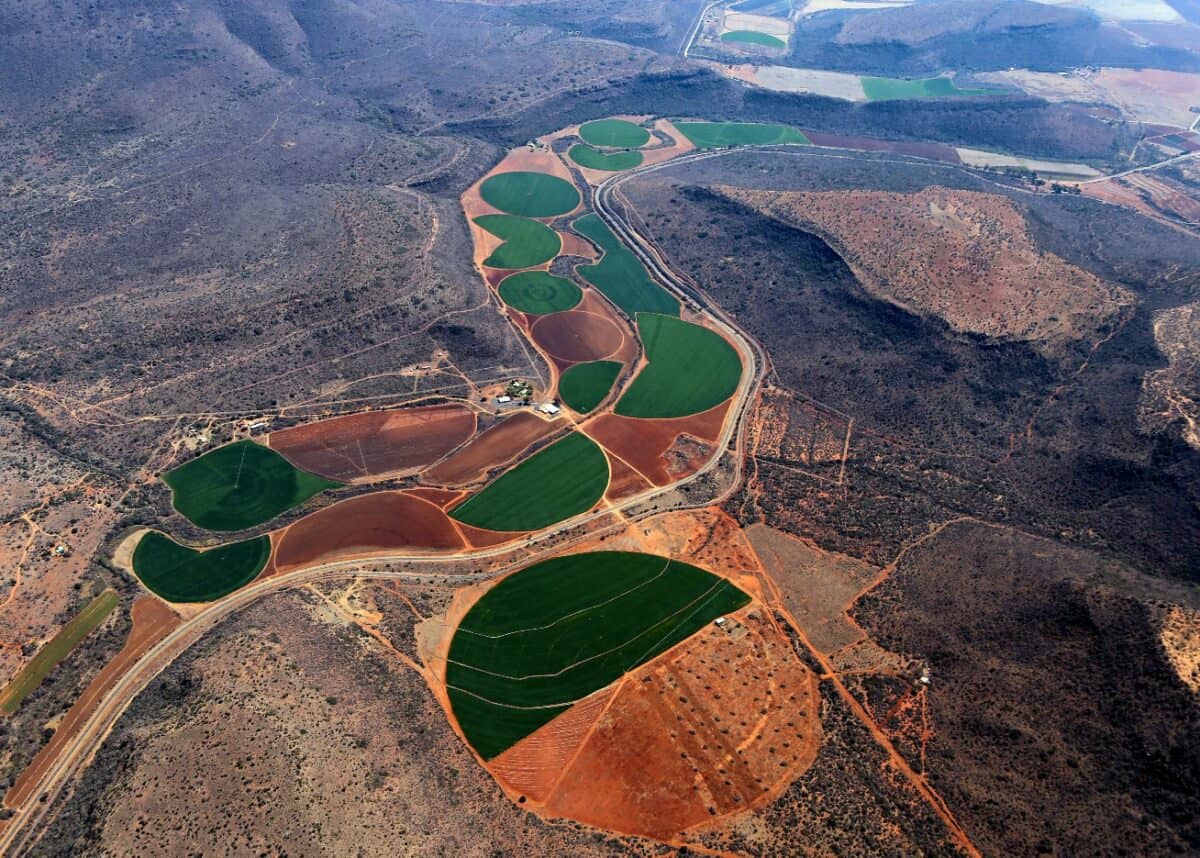
Climate change and water scarcity are front and center in the western U.S. The region’s climate is warming, a severe multi-year drought is underway and groundwater supplies are being overpumped in many locations.
Western states are pursuing many strategies to adapt to these stresses and prepare for the future. These include measures to promote renewable energy development, conserve water, and manage natural and working lands more sustainably.
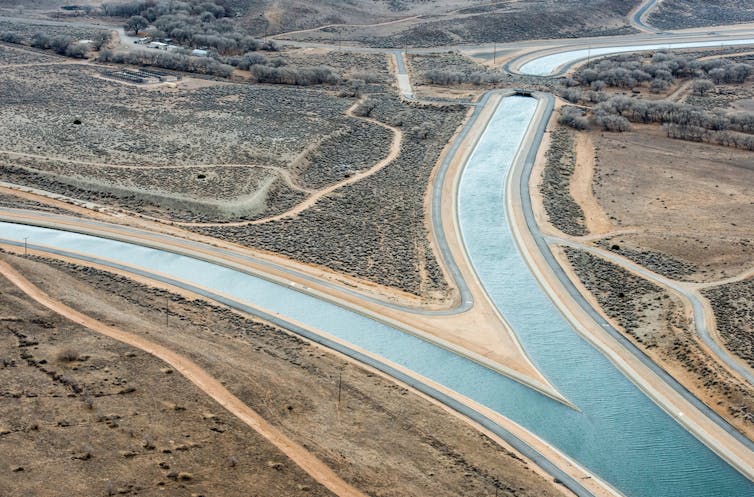
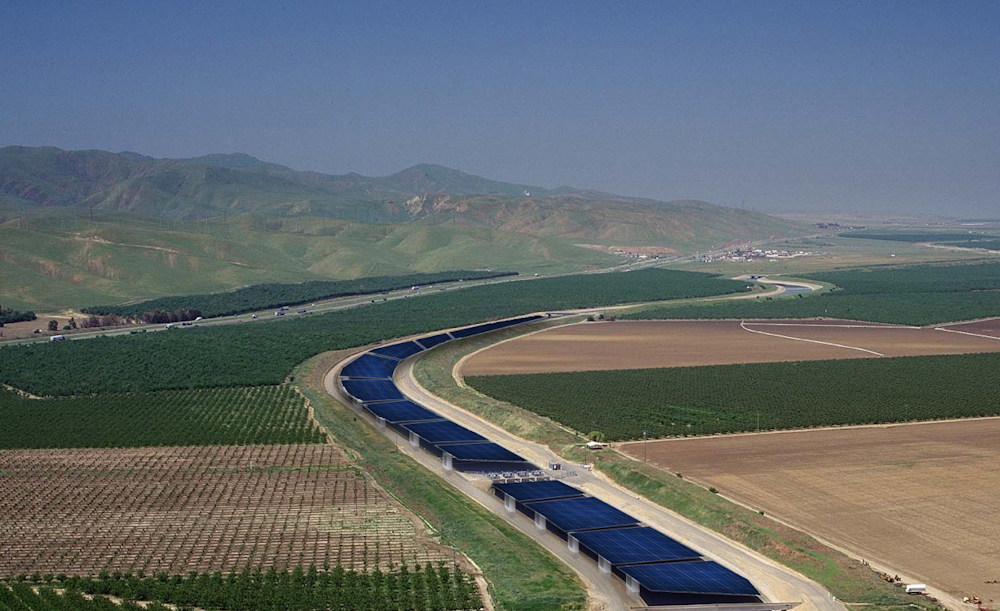
As engineers working on climate-smart solutions, we’ve found an easy win-win for both water and climate in California with what we call the “solar canal solution.” About 4,000 miles of canals transport water to some 35 million Californians and 5.7 million acres of farmland across the state. Covering these canals with solar panels would reduce evaporation of precious water – one of California’s most critical resources – and help meet the state’s renewable energy goals, while also saving money.
Conserving water and land
California is prone to drought, and water is a constant concern. Now, the changing climate is bringing hotter, drier weather.
Severe droughts over the past 10 to 30 years dried up wells, caused officials to implement water restrictions and fueled massive wildfires. As of mid-April 2021, the entire state was officially experiencing drought conditions.
At the same time, California has ambitious conservation goals. The state has a mandate to reduce groundwater pumping while maintaining reliable supplies to farms, cities, wildlife and ecosystems. As part of a broad climate change initiative, in October 2020 Gov. Gavin Newsom directed the California Natural Resources Agency to spearhead efforts to conserve 30% of land and coastal waters by 2030.


Most of California’s rain and snow falls north of Sacramento during the winter, while 80% of its water use occurs in Southern California, mostly in summer. That’s why canals snake across the state – it’s the largest such system in the world. We estimate that about 1%-2% of the water they carry is lost to evaporation under the hot California sun.
In a recent study, we showed that covering all 4,000 miles of California’s canals with solar panels would save more than 65 billion gallons of water annually by reducing evaporation. That’s enough to irrigate 50,000 acres of farmland or meet the residential water needs of more than 2 million people. By concentrating solar installations on land that is already being used, instead of building them on undeveloped land, this approach would help California meet its sustainable management goals for both water and land resources.
Climate-friendly power
Shading California’s canals with solar panels would generate substantial amounts of electricity. Our estimates show that it could provide some 13 gigawatts of renewable energy capacity, which is about half of the new sources the state needs to add to meet its clean electricity goals: 60% from carbon-free sources by 2030 and 100% renewable by 2045.
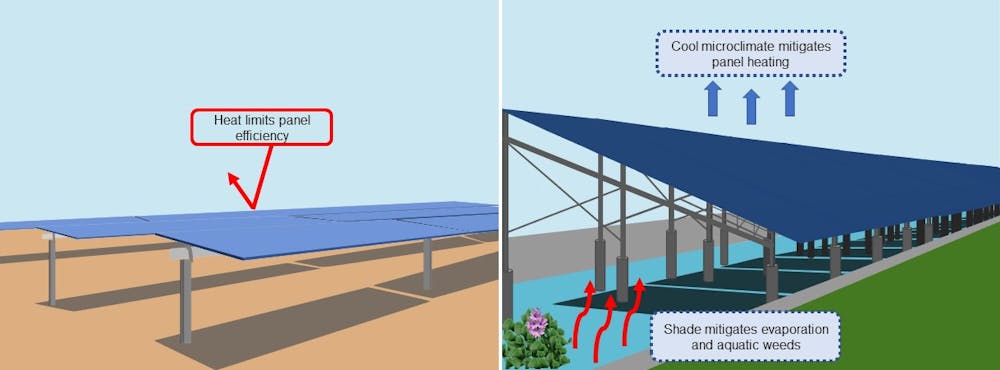
Installing solar panels over the canals makes both systems more efficient. The solar panels would reduce evaporation from the canals, especially during hot California summers. And because water heats up more slowly than land, the canal water flowing beneath the panels could cool them by 10 F, boosting production of electricity by up to 3%.
These panels could also generate electricity locally in many parts of California, lowering both transmission losses and costs for consumers. Combining solar power with battery storage can help build microgrids in rural areas and underserved communities, making the power system more efficient and resilient. This would mitigate the risk of power losses due to extreme weather, human error and wildfires.
We estimate that the cost to span canals with solar panels is higher than building ground-mounted systems. But when we added in some of the co-benefits, such as avoided land costs, water savings, aquatic weed mitigation and enhanced PV efficiency, we found that solar canals were a better investment and provided electricity that cost less over the life of the solar installations.
Benefits to the land
Solar canals are about much more than just generating renewable energy and saving water. Building these long, thin solar arrays could prevent more than 80,000 acres of farmland or natural habitat from being converted for solar farms.
California grows food for an ever-increasing global population and produces more than 50% of the fruits, nuts and vegetables that U.S. consumers eat. However, up to 50% of new renewable energy capacity to meet decarbonization goals could be sited in agricultural areas, including large swaths of prime farmland.
Solar canal installations will also protect wildlife, ecosystems and culturally important land. Large-scale solar developments can result in habitat loss, degradation and fragmentation, which can harm threatened species such as the Mojave Desert tortoise.
They also can harm desert scrub plant communities, including plants that are culturally important to indigenous tribes. As an example, construction of the Genesis Solar Energy Center in the Sonoran and Mojave deserts in 2012-2014 destroyed trails and burial sites and damaged important cultural artifacts, spurring protracted legal conflict.
[Get the best of The Conversation, every weekend. Sign up for our weekly newsletter.]
Clearing the air
By generating clean electricity, solar canals can improve air quality – a serious problem in central California, which has some of the dirtiest air in the U.S. Solar electricity could help retire particulate-spewing diesel engines that pump water through California’s agricultural valleys. It also could help charge growing numbers of electric light- and heavy-duty vehicles that move people and goods around the state.
Yet another benefit would be curbing aquatic weeds that choke canals. In India, where developers have been building solar canals since 2014, shade from the panels limits growth of weeds that block drains and restrict water flow.
Fighting these weeds with herbicide and mechanical equipment is expensive, and herbicides threaten human health and the environment. For large, 100-foot-wide canals in California, we estimate that shading canals would save about US$40,000 per mile. Statewide, savings could reach $69 million per year.
Bringing solar canals to California
While India has built solar arrays over canals and the U.S. is developing floating solar projects, California lacks prototypes to study locally.
Discussions are underway for both large and small demonstration projects in the Central Valley and Southern California. Building prototypes would help operators, developers and regulators refine designs, assess environmental impacts, measure project costs and benefits, and evaluate how these systems perform. With more data, planners can map out strategies for extending solar canals statewide, and potentially across the West.
It will take a dozen or more partners to plan, fund and carry out a solar canal project in California. Public-private partnerships will likely include federal, state and local government agencies, project developers and university researchers.
California’s aging power infrastructure has contributed to catastrophic wildfires and multi-day outages. Building smart solar developments on canals and other disturbed land can make power and water infrastructure more resilient while saving water, reducing costs and helping to fight climate change. We believe it’s a model that should be considered across the country – and the planet.
Roger Bales, Distinguished Professor of Engineering, University of California, Merced and Brandi McKuin, Postdoctoral Researcher in Environmental Studies, University of California, Santa Cruz
This article is republished from The Conversation under a Creative Commons license. Read the original article.







