

• Advertise
  • About us
  • Terms and Conditions
  • Contact us
Saturday, December 6, 2025
Australian Times News
  • News
    • Weather
    • Sport
    • Technology
    • Business & Finance
      • Currency Zone
    • Lotto Results
      • The Lott
  • Lifestyle
    • Entertainment
    • Horoscopes
    • Health & Wellness
    • Recipes
  • Travel
  • Expat Life
  • Move to Australia
No Result
View All Result
  • News
    • Weather
    • Sport
    • Technology
    • Business & Finance
      • Currency Zone
    • Lotto Results
      • The Lott
  • Lifestyle
    • Entertainment
    • Horoscopes
    • Health & Wellness
    • Recipes
  • Travel
  • Expat Life
  • Move to Australia
No Result
View All Result
Australian Times News
No Result
View All Result
Home News

Inspiration from the 1970s for today’s young environmentalists

Cult 1970s BBC TV show The Good Life examined Tom and Barbara Good’s experience of attempting to opt out of the rat race by becoming self-sufficient. They grew vegetables in their back garden, milked a goat, tried to knit their own clothes and collected their animal’s waste to create methane to generate electricity.

The Conversation by The Conversation
30-10-2021 06:17
in News
Photo by Annie Spratt on Unsplash

Photo by Annie Spratt on Unsplash

Steven McCabe, Birmingham City University

Cult 1970s BBC TV show The Good Life examined Tom and Barbara Good’s experience of attempting to opt out of the rat race by becoming self-sufficient. They grew vegetables in their back garden, milked a goat, tried to knit their own clothes and collected their animal’s waste to create methane to generate electricity.

With the first theatre production of The Good Life just starting a UK tour, a look back at the environmental activists of the 1970s reminds us that those trying to cut their carbon emissions today aren’t the first to aim for a greener lifestyle.

In the 1970s, only a generation after the second world war, many who remembered deprivations and shortages still happily practised the “make-do-and-mend” mentality that had been promoted by the government in their childhoods. Some embraced a more environmentally friendly lifestyle, others just opted for saving money.

For many people in the 1970s, clothes were bought more sparingly and, significantly, were repaired, if a dress needed taking in or a hole appeared. With the rise of fashion chains such as Primark, repairs went out the window for many as replacements were so cheap. But green campaigns are now popping up to encourage people to mend their clothing rather than throw them away.

Well before the Repair Shop became a popular TV show, getting everything from televisions to furniture fixed rather than throwing it away was normal. Many people would do simple fixes at home and shops offering repairs were found on most high streets. Fifty years later, the desire to reuse is only just coming back into fashion, driven by today’s environmentalists.

Food, though, only slightly more expensive than it is now, was a higher proportion of weekly spending by households and leftovers were often turned into meals for the next day now the UK throws away 7 million tonnes of food and drink from their homes every year, the majority of which could have been eaten. The pioneers of recycling began to make their mark in the 1970s, building on established household practises such as putting empty milk bottles on doorsteps to be taken away and reused. Many drinks companies offered a deposit on glass bottles which could be refunded if an old bottle was brought back to a shop, a form of recycling that is again under discussion.


AlsoRead...

Ryan: Building real freedom through e-commerce

Ryan: Building real freedom through e-commerce

27 November 2025
Design Australia Group: Redefining Drafting as the engine of housing growth

Design Australia Group: Redefining Drafting as the engine of housing growth

26 November 2025

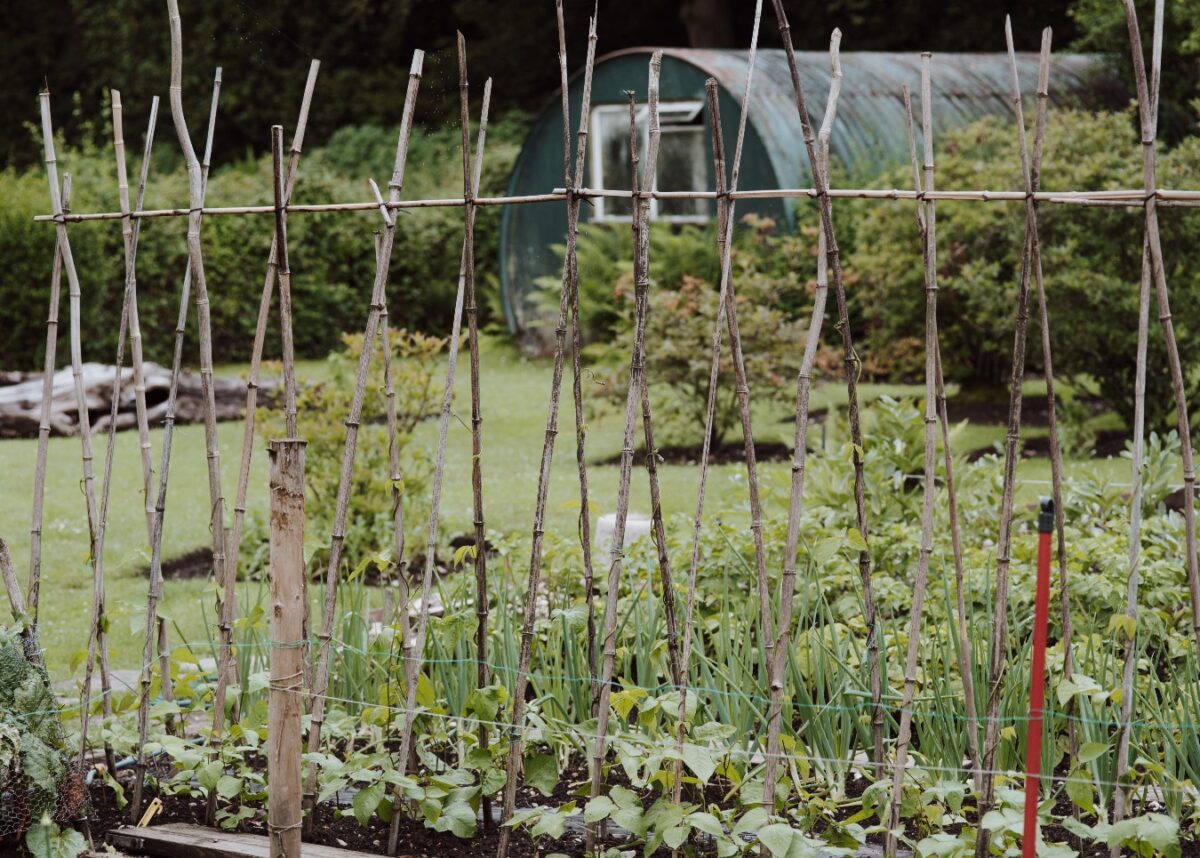
Owning chickens to provide a daily supply of eggs has become a trend recently. In the 1970s, this might have been a step too far for many town or city dwellers. But growing vegetables on an allotment, normally land owned by councils, was popular, and many people grew vegetables in their gardens, even if they only had a small plot. Allotment use is bouncing back, with an increased interest in growing your own food.

As well as offering an opportunity to eat fresh seasonal produce at a low price, allotments offered an element of self-sufficiency and offered a sense of community among users. I helped my dad on his allotment and remember the sense of wellbeing it provided as well as the taste of produce that had been harvested only a couple of hours previously.


Households from that period were careful about not wasting energy. It’s notable that since 1970 total electricity consumption has increased by almost 54%. In the house I grew up in, each room had one lightbulb and one power socket. Anything other than one black and white television was viewed as unnecessarily decadent. Video players and the plethora of associated entertainment devices, now common in every household, were seen as futuristic – or hadn’t been invented yet.

A cassette recorder, and old style telephone.
Household energy use was far lower in the 1970, with fewer gadgets and computers available. jakkapan/Shutterstock

Of course, there was plenty that wasn’t environmentally friendly about the 1970s. Coal was the main fuel used to produce power and heat homes. Though increasing energy costs in the early 70s caused some to worry about the amount of heat lost, the vast majority of houses were draughty, and even those just being built did not incorporate insulation that would comply with modern requirements.

Sustainability, and protecting the environment from emissions of greenhouse gases, as well as pollution, were not mainstream issues in the 1970s.

What the government’s net-zero strategy is intended to achieve, it may be argued, is to encourage us to embrace a simpler lifestyle that would have been regarded as standard in the 1970s. Energy resilience and self sufficiency remains an aspiration.

Though there are many obstacles to living like the Goods, especially in urban areas, there’s much we can do to emulate their example. It’s critical we reduce our carbon footprint, cut consumption and engage in activities such as recycling and reuse. And use of fossil fuels – which has almost trebled since 1970 – must be reversed.

The future contemplated by the Goods was one that was better than in their youth. For many Gen Zs, the environmental future looks less optimistic . If those engaged in protest to save the planet could recognise anything from the Good’s story, it’s that those advocating radically different lifestyles are rarely welcomed. As Gen Z now know, environmental challenges they need to confront are much starker.

Steven McCabe, Associate Professor, Institute for Design, Economic Acceleration & Sustainability (IDEAS), Birmingham City University

This article is republished from The Conversation under a Creative Commons license. Read the original article.


Tags: SB001
DMCA.com Protection Status

SUBSCRIBE to our NEWSLETTER

[mc4wp_form id=”2384248″]

Don't Miss

The evolution of Aesthetic Surgery through the lens of Dr Kourosh Tavakoli

by Pauline Torongo
4 December 2025
The evolution of Aesthetic Surgery through the lens of Dr. Kourosh Tavakoli
Health & Wellness

As global interest in Australian cosmetic surgery continues to grow, the combination of regulation, research and emerging digital tools is...

Read moreDetails

Ryan: Building real freedom through e-commerce

by Pauline Torongo
27 November 2025
Ryan: Building real freedom through e-commerce
Business & Finance

Ryan’s greatest achievement isn’t any single business or revenue milestone — it’s the ecosystem he’s built through the Change community.

Read moreDetails

Design Australia Group: Redefining Drafting as the engine of housing growth

by Pauline Torongo
26 November 2025
Design Australia Group: Redefining Drafting as the engine of housing growth
Business & Finance

Australia is under pressure to build homes faster, but design bottlenecks slow progress. Design Australia Group is fixing this by...

Read moreDetails

Louis Guy Detata builds Global Trading Empires through autonomous systems and disciplined leadership

by Pauline Torongo
25 November 2025
Louis Guy Detata builds Global Trading Empires through autonomous systems and disciplined leadership
Business & Finance

The path from investment banking to leading a global trading platform has taught Louis Detata that sustainable success requires more...

Read moreDetails

Burning Eucalyptus Wood: Tips, Advantages, Disadvantages & Alternatives

by Fazila Olla-Logday
20 November 2025
Image Supplied
Enviroment

Learn about burning eucalyptus wood for stoves and fireplaces. Discover benefits, drawbacks, harvesting tips, and better alternative firewood options for...

Read moreDetails

Everything Parents Need to Know About Baby Soft Play and Why It’s a Game Changer

by Fazila Olla-Logday
11 November 2025
Everything Parents Need to Know About Baby Soft Play
Health & Wellness

Baby soft play is a fun, safe, and educational way for little ones to explore and grow. Discover the benefits...

Read moreDetails

WOMAD Sets Up a New Camp in Wiltshire – Australian festival fans take note!

by Kris Griffiths
11 November 2025
Kumbia Boruka brought their reggae and dancehall flavour to the Taste the World Stage at WOMAD 2024 - Credit - Mike Massaro
Entertainment

With its 2026 edition moving to Neston Park in England, WOMAD offers Aussie music lovers a chance to reconnect with global...

Read moreDetails
Load More

Copyright © Blue Sky Publications Ltd. All Rights Reserved.
australiantimes.co.uk is a division of Blue Sky Publications Ltd. Reproduction without permission prohibited. DMCA.com Protection Status

  • About us
  • Write for Us
  • Advertise
  • Contact us
  • T&Cs, Privacy and GDPR
No Result
View All Result
  • News
    • Weather
    • Sport
    • Technology
    • Business & Finance
      • Currency Zone
    • Lotto Results
      • The Lott
  • Lifestyle
    • Entertainment
    • Horoscopes
    • Health & Wellness
    • Recipes
  • Travel
  • Expat Life
  • Move to Australia

Copyright © Blue Sky Publications Ltd. All Rights Reserved.
australiantimes.co.uk is a division of Blue Sky Publications Ltd. Reproduction without permission prohibited. DMCA.com Protection Status

No Result
View All Result
  • News
    • Weather
    • Sport
    • Technology
    • Business & Finance
      • Currency Zone
    • Lotto Results
      • The Lott
  • Lifestyle
    • Entertainment
    • Horoscopes
    • Health & Wellness
    • Recipes
  • Travel
  • Expat Life
  • Move to Australia

Copyright © Blue Sky Publications Ltd. All Rights Reserved.
australiantimes.co.uk is a division of Blue Sky Publications Ltd. Reproduction without permission prohibited. DMCA.com Protection Status





