• Advertise
  • About us
  • Terms and Conditions
  • Contact us
Saturday, December 6, 2025
Australian Times News
  • News
    • Weather
    • Sport
    • Technology
    • Business & Finance
      • Currency Zone
    • Lotto Results
      • The Lott
  • Lifestyle
    • Entertainment
    • Horoscopes
    • Health & Wellness
    • Recipes
  • Travel
  • Expat Life
  • Move to Australia
No Result
View All Result
  • News
    • Weather
    • Sport
    • Technology
    • Business & Finance
      • Currency Zone
    • Lotto Results
      • The Lott
  • Lifestyle
    • Entertainment
    • Horoscopes
    • Health & Wellness
    • Recipes
  • Travel
  • Expat Life
  • Move to Australia
No Result
View All Result
Australian Times News
No Result
View All Result
Home News

Insecure housing and overcrowding risk children’s health. But we’ve found a way to help

More than 19,000 Australian children were recorded homeless on census night in 2016. That’s about one in six of the nation’s homeless population.

The Conversation by The Conversation
31-05-2021 06:25
in News
Photo by Christian Erfurt on Unsplash

Photo by Christian Erfurt on Unsplash

Matthew Ankers, Flinders University and Yvonne Parry, Flinders University

More than 19,000 Australian children were recorded homeless on census night in 2016. That’s about one in six of the nation’s homeless population.

Many more children live in insecure housing, overcrowded spaces with a lack of privacy or security, or have to move often between accommodation, making it difficult to establish a routine.

Housing stress, spending more than 30% of the family budget on accommodation, can see families have utilities cut off. They may also not have the resources to buy or cook nutritious food, afford school uniforms or transport to school.


A large proportion of homeless children are affected by family breakdown and violence. In 2017-18, almost half (45% or 29,600) of children receiving help from specialist homelessness services did so for reasons related to family violence or breakdown.

Homelessness, inadequate housing and family violence can seriously impact a child’s well-being. And with the COVID-19 pandemic making it harder to keep a job, stay in secure housing and remain free of family violence, the situation is likely to get worse.


How does homelessness affect children?

The impacts of homelessness and inappropriate shelter on Australian children are considerable.

AlsoRead...

Ryan: Building real freedom through e-commerce

Ryan: Building real freedom through e-commerce

27 November 2025
Design Australia Group: Redefining Drafting as the engine of housing growth

Design Australia Group: Redefining Drafting as the engine of housing growth

26 November 2025

Inappropriate shelter can result in poorer academic outcomes for children. Frequently moving home or schools, disturbed sleep, a lack of space to study and costs associated with transport, school supplies and uniforms are key issues for people who are homeless or suffering housing stress. These factors all reduce a child’s ability to engage with school.

Health care may be put off, or be piecemeal, due to the cost and ability to access services.


Our study from 2019-20 found 24% of children presenting for care had a severe health issue that required immediate treatment. Only 6% had a full vaccination history. And 62% of all children presented with some form of ill health.

This is due, in part, to waiting times for health services being longer than the period homeless services can secure accommodation for families in need.

In our study, for example, clients had been asked to wait 12 months for urgent medical/surgical care, but only had accommodation approved for three months. This means families may move on before an appointment is available.

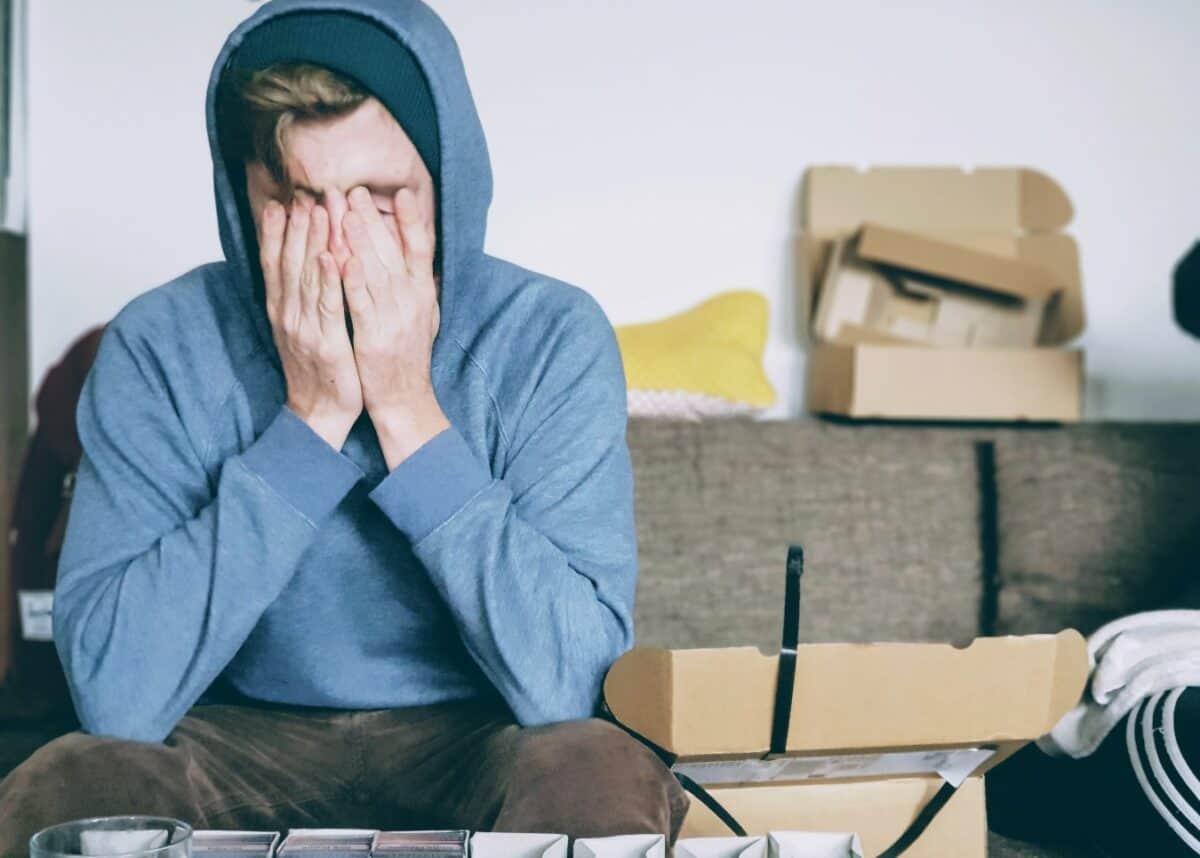
Teen or young woman with head in hands next to pile of cardboard moving boxes
By the time children have moved up the waiting list for surgery or medical care, they can have already moved. from www.shutterstock.com

This disengagement of children from social systems, such as health and education, when coupled with inappropriate shelter, results in poorer physical and mental health outcomes, as well as missed developmental milestones.

This all adds up to poorer outcomes across the life span.

Health impacts

Housing insecurity and homelessness are detrimental to children’s health. For example, the stress from frequent moves, lack of security and/or parent fighting can impact a child’s respiratory health and immune function.

Similarly, studies from the United States found up to 40% of homeless school-age children had a mental health condition requiring professional help.

Children may also have difficulty with behavioural regulation, or self-esteem and confidence issues, especially from the stigma associated with their housing situation.


Improving access to health care

To address these service gaps, we established a nurse practitioner-led model of care, in a metropolitan homelessness service, to allow quicker acccess to health care for children impacted by inappropriate shelter.

The nurse practitioner in our service performs an in-depth assessment of the child using standardised clinical appraisal tools, and can diagnose and prescribe medicines, within a defined area of speciality. The nurse practitioner partners with families to develop care plans and referrals, while bulk billing to eliminate costs.

Additional barriers to accessing health care such as transport are addressed by giving families travel vouchers or the nurse practitioner visiting them at home. The nurse practitioner also works with the homeless service to liaise directly with schools to address education concerns, such as attendance, equipment or homework.

Children remain an invisible part of Australia’s homeless population, and in its insecure housing community. Interventions, (like our nurse practitioner service) delivered at the first point of contact, such as specialist homeless services, help reduce further impact to the child. Nurse practitioner visits can also be cost effective when compared with attending the emergency department for health care.

Our research has also shown nurse practitioners integrate well with GPs to extend care options for the family. The nurse practitioner model of care is also designed to be easily expanded to similar services across Australia, with the aim of preventing the negative impact of homelessness and housing insecurity on Australian children.

Matthew Ankers, PhD Candidate , Flinders University and Yvonne Parry, Senior Lecturer, Flinders University

This article is republished from The Conversation under a Creative Commons license. Read the original article.


Tags: SB001
DMCA.com Protection Status

SUBSCRIBE to our NEWSLETTER

[mc4wp_form id=”2384248″]

Don't Miss

The evolution of Aesthetic Surgery through the lens of Dr Kourosh Tavakoli

by Pauline Torongo
4 December 2025
The evolution of Aesthetic Surgery through the lens of Dr. Kourosh Tavakoli
Health & Wellness

As global interest in Australian cosmetic surgery continues to grow, the combination of regulation, research and emerging digital tools is...

Read moreDetails

Ryan: Building real freedom through e-commerce

by Pauline Torongo
27 November 2025
Ryan: Building real freedom through e-commerce
Business & Finance

Ryan’s greatest achievement isn’t any single business or revenue milestone — it’s the ecosystem he’s built through the Change community.

Read moreDetails

Design Australia Group: Redefining Drafting as the engine of housing growth

by Pauline Torongo
26 November 2025
Design Australia Group: Redefining Drafting as the engine of housing growth
Business & Finance

Australia is under pressure to build homes faster, but design bottlenecks slow progress. Design Australia Group is fixing this by...

Read moreDetails

Louis Guy Detata builds Global Trading Empires through autonomous systems and disciplined leadership

by Pauline Torongo
25 November 2025
Louis Guy Detata builds Global Trading Empires through autonomous systems and disciplined leadership
Business & Finance

The path from investment banking to leading a global trading platform has taught Louis Detata that sustainable success requires more...

Read moreDetails

Burning Eucalyptus Wood: Tips, Advantages, Disadvantages & Alternatives

by Fazila Olla-Logday
20 November 2025
Image Supplied
Enviroment

Learn about burning eucalyptus wood for stoves and fireplaces. Discover benefits, drawbacks, harvesting tips, and better alternative firewood options for...

Read moreDetails

Everything Parents Need to Know About Baby Soft Play and Why It’s a Game Changer

by Fazila Olla-Logday
11 November 2025
Everything Parents Need to Know About Baby Soft Play
Health & Wellness

Baby soft play is a fun, safe, and educational way for little ones to explore and grow. Discover the benefits...

Read moreDetails

WOMAD Sets Up a New Camp in Wiltshire – Australian festival fans take note!

by Kris Griffiths
11 November 2025
Kumbia Boruka brought their reggae and dancehall flavour to the Taste the World Stage at WOMAD 2024 - Credit - Mike Massaro
Entertainment

With its 2026 edition moving to Neston Park in England, WOMAD offers Aussie music lovers a chance to reconnect with global...

Read moreDetails
Load More

Copyright © Blue Sky Publications Ltd. All Rights Reserved.
australiantimes.co.uk is a division of Blue Sky Publications Ltd. Reproduction without permission prohibited. DMCA.com Protection Status

  • About us
  • Write for Us
  • Advertise
  • Contact us
  • T&Cs, Privacy and GDPR
No Result
View All Result
  • News
    • Weather
    • Sport
    • Technology
    • Business & Finance
      • Currency Zone
    • Lotto Results
      • The Lott
  • Lifestyle
    • Entertainment
    • Horoscopes
    • Health & Wellness
    • Recipes
  • Travel
  • Expat Life
  • Move to Australia

Copyright © Blue Sky Publications Ltd. All Rights Reserved.
australiantimes.co.uk is a division of Blue Sky Publications Ltd. Reproduction without permission prohibited. DMCA.com Protection Status

No Result
View All Result
  • News
    • Weather
    • Sport
    • Technology
    • Business & Finance
      • Currency Zone
    • Lotto Results
      • The Lott
  • Lifestyle
    • Entertainment
    • Horoscopes
    • Health & Wellness
    • Recipes
  • Travel
  • Expat Life
  • Move to Australia

Copyright © Blue Sky Publications Ltd. All Rights Reserved.
australiantimes.co.uk is a division of Blue Sky Publications Ltd. Reproduction without permission prohibited. DMCA.com Protection Status