

• Advertise
  • About us
  • Terms and Conditions
  • Contact us
Saturday, December 6, 2025
Australian Times News
  • News
    • Weather
    • Sport
    • Technology
    • Business & Finance
      • Currency Zone
    • Lotto Results
      • The Lott
  • Lifestyle
    • Entertainment
    • Horoscopes
    • Health & Wellness
    • Recipes
  • Travel
  • Expat Life
  • Move to Australia
No Result
View All Result
  • News
    • Weather
    • Sport
    • Technology
    • Business & Finance
      • Currency Zone
    • Lotto Results
      • The Lott
  • Lifestyle
    • Entertainment
    • Horoscopes
    • Health & Wellness
    • Recipes
  • Travel
  • Expat Life
  • Move to Australia
No Result
View All Result
Australian Times News
No Result
View All Result
Home News

Huge locust swarms are threatening food security, but drones could help stop them

Food security concerns have emerged for nations across Africa, Asia and the Middle East, as swarms of desert locusts wreak havoc on crops.

The Conversation by The Conversation
18-06-2020 18:09
in News
Huge locust swarms are threatening food security

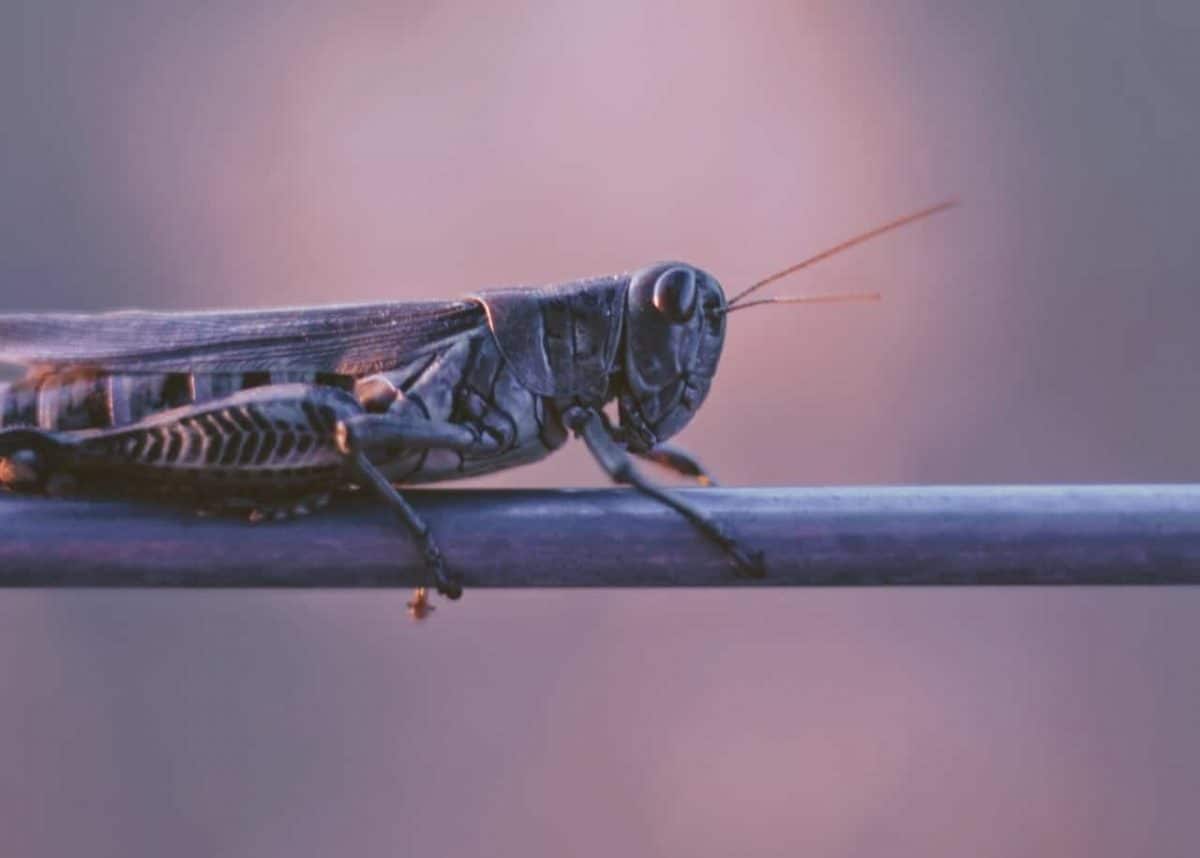
Huge locust swarms are threatening food security Photo by Joshua Hoehne on Unsplash

Huge locust swarms are threatening food security, but drones could help stop them

Leisa Armstrong, Edith Cowan University

In recent months, food security concerns have emerged for nations across Africa, Asia and the Middle East, as swarms of desert locusts wreak havoc on crops.

While the same level of damage isn’t currently being felt in Australia, the threat of infestations extends to us too. But drone technology is offering up solutions.

Not just a Biblical threat

In January, the United Nations Food and Agriculture Organisation (FAO) warned rising locust numbers in the Horn of Africa presented an “extremely alarming and unprecedented threat” to food security and livelihoods.

According to the FAO, a swarm of about 40 million desert locusts can eat the same amount of food in one day as about 35,000 people. Swarms can be as large as several hundred square kilometres, with as many as 80 million adults per square kilometre.

Countries impacted by infestations this year include Ethiopia, Kenya, Uganda, Somalia, India, Pakistan, Iran, Yemen, Oman and Saudi Arabia.

A review of records by the Australian Plague Locust Commission has reported eight large outbreaks in Australia since 1930. The FAO has encouraged the use of drones to provide early warning systems that may help prevent locust outbreaks.


AlsoRead...

Ryan: Building real freedom through e-commerce

Ryan: Building real freedom through e-commerce

27 November 2025
Design Australia Group: Redefining Drafting as the engine of housing growth

Design Australia Group: Redefining Drafting as the engine of housing growth

26 November 2025

Control with technology

In nature, locusts are controlled by birds, spiders, parasitic flies and wasps – but these aren’t effective when numbers explode.

In Australia, locusts are generally controlled by aerial spraying of pesticides from light aircraft. One solution may be to destroy eggs by ploughing in crops or pastures, but there’s no conclusive data on how effective this is.

Drones are now providing an innovative alternative to the more expensive use of light aircrafts. These aerial vehicles can be used to remotely sense areas, carry out pest surveillance and monitor crop growth.

They also allow for targeted pesticide application through atomiser sprayers that deliver a fine, even spray from liquid.

Each state and territory of Australia has been affected by plague locusts at some point in the past, with outbreaks having occurred in Queensland, New South Wales, Victoria, South Australia and Western Australia. The latest April bulletin shows limited outbreaks in New South Wales.

There is a growing body of research on the use of drones for pest monitoring and management, with several Australian agricultural consultancy companies offering drone services for crop and soil monitoring. State and federal agricultural agencies also use drones for crop, disease and pest monitoring.

Understanding the movement of locusts helps determine the best way to control crop damage.
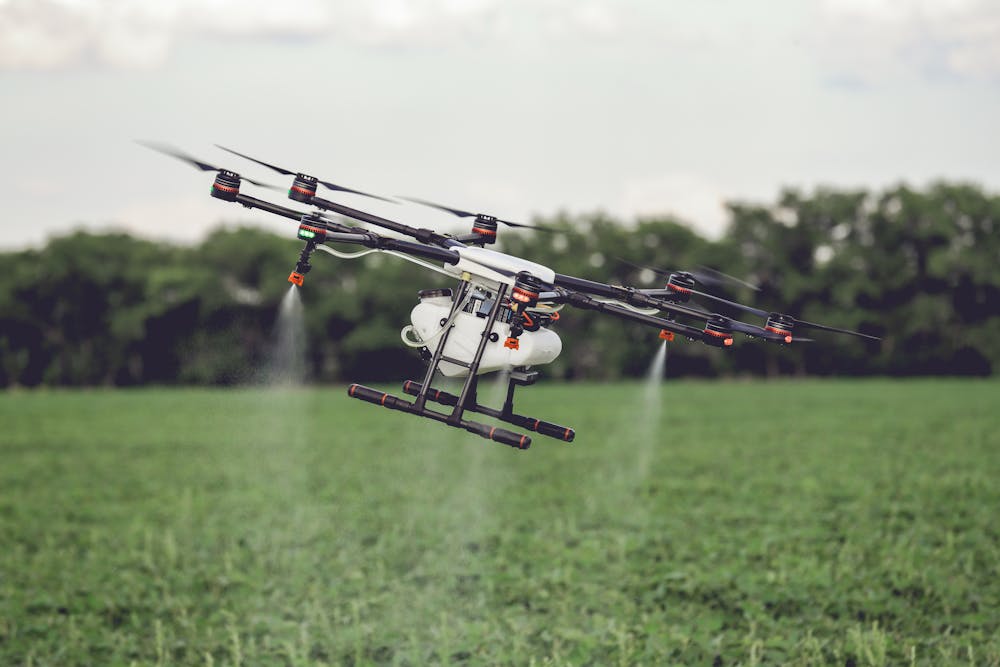
Agriculture drones can be used to spray fertiliser and pesticide on crops. Shutterstock

Last month marked the first time drones were used to clear swarms in Rajasthan, India. Spraying insecticides dispersed the insects into different areas.

Drones can also be used in the aftermath of infestations. For instance, recent outbreaks in Kenya have seen the use of drones for post-disaster mapping. These maps, along with satellite information, can provide more accurate assessments of the extent of crop loss.

On-ground internet-connected sensors with thermal and image processing capabilities could also potentially be used to monitor the spread of infestations. These could provide additional real-time monitoring to support satellite imagery.

Some bugs remain

There are limitations when it comes to using drones to tackle locust problems.

Drones don’t perform well in areas that are densely packed with locusts, due to damage to propellers. And while the technical specifications of drones have made rapid improvements over the past few years, they still only provide a limited load of insecticide for spraying.

The duration of flying time for drones is also usually less than an hour. Flying drones requires a degree of expertise, and any commercial drone flying requires certification from the Civil Aviation Safety Authority.

Small creature, big bite

Locusts belong to the same order of insects as grasshoppers, katydids and crickets. Locusts are grasshoppers that develop “gregarious” behaviours and become more voracious as a result.

Grasshoppers can become gregarious and start to swarm due to an increase in chemical serotonin in their nervous system. This results in them going from individual walking grasshoppers to flying locusts. There are no clear differences between locusts and grasshoppers other than behaviour.

In Australia there are three main pest locust species: the Australian plague locust (Chortoicetes terminifera), the spur-throated locust (Austracris guttulosa) and the migratory locust (Locusta migratoria). Controlling these pests is difficult when they travel in swarms.

Locust swarms can decimate swathes of crop in their way, consuming everything from leaves and grains, to pastures and even trees.

With ongoing locust infestations, a rise in extreme weather events, and now COVID-19, the struggles faced by farmers the world over are compounded. Improving current technologies and finding new ways to innovate may help ease this burden in the coming years.

Leisa Armstrong, Senior Lecturer in Computer Science, Edith Cowan University

This article is republished from The Conversation under a Creative Commons license. Read the original article.


Tags: SB001
DMCA.com Protection Status

SUBSCRIBE to our NEWSLETTER

[mc4wp_form id=”2384248″]

Don't Miss

The evolution of Aesthetic Surgery through the lens of Dr Kourosh Tavakoli

by Pauline Torongo
4 December 2025
The evolution of Aesthetic Surgery through the lens of Dr. Kourosh Tavakoli
Health & Wellness

As global interest in Australian cosmetic surgery continues to grow, the combination of regulation, research and emerging digital tools is...

Read moreDetails

Ryan: Building real freedom through e-commerce

by Pauline Torongo
27 November 2025
Ryan: Building real freedom through e-commerce
Business & Finance

Ryan’s greatest achievement isn’t any single business or revenue milestone — it’s the ecosystem he’s built through the Change community.

Read moreDetails

Design Australia Group: Redefining Drafting as the engine of housing growth

by Pauline Torongo
26 November 2025
Design Australia Group: Redefining Drafting as the engine of housing growth
Business & Finance

Australia is under pressure to build homes faster, but design bottlenecks slow progress. Design Australia Group is fixing this by...

Read moreDetails

Louis Guy Detata builds Global Trading Empires through autonomous systems and disciplined leadership

by Pauline Torongo
25 November 2025
Louis Guy Detata builds Global Trading Empires through autonomous systems and disciplined leadership
Business & Finance

The path from investment banking to leading a global trading platform has taught Louis Detata that sustainable success requires more...

Read moreDetails

Burning Eucalyptus Wood: Tips, Advantages, Disadvantages & Alternatives

by Fazila Olla-Logday
20 November 2025
Image Supplied
Enviroment

Learn about burning eucalyptus wood for stoves and fireplaces. Discover benefits, drawbacks, harvesting tips, and better alternative firewood options for...

Read moreDetails

Everything Parents Need to Know About Baby Soft Play and Why It’s a Game Changer

by Fazila Olla-Logday
11 November 2025
Everything Parents Need to Know About Baby Soft Play
Health & Wellness

Baby soft play is a fun, safe, and educational way for little ones to explore and grow. Discover the benefits...

Read moreDetails

WOMAD Sets Up a New Camp in Wiltshire – Australian festival fans take note!

by Kris Griffiths
11 November 2025
Kumbia Boruka brought their reggae and dancehall flavour to the Taste the World Stage at WOMAD 2024 - Credit - Mike Massaro
Entertainment

With its 2026 edition moving to Neston Park in England, WOMAD offers Aussie music lovers a chance to reconnect with global...

Read moreDetails
Load More

Copyright © Blue Sky Publications Ltd. All Rights Reserved.
australiantimes.co.uk is a division of Blue Sky Publications Ltd. Reproduction without permission prohibited. DMCA.com Protection Status

  • About us
  • Write for Us
  • Advertise
  • Contact us
  • T&Cs, Privacy and GDPR
No Result
View All Result
  • News
    • Weather
    • Sport
    • Technology
    • Business & Finance
      • Currency Zone
    • Lotto Results
      • The Lott
  • Lifestyle
    • Entertainment
    • Horoscopes
    • Health & Wellness
    • Recipes
  • Travel
  • Expat Life
  • Move to Australia

Copyright © Blue Sky Publications Ltd. All Rights Reserved.
australiantimes.co.uk is a division of Blue Sky Publications Ltd. Reproduction without permission prohibited. DMCA.com Protection Status

No Result
View All Result
  • News
    • Weather
    • Sport
    • Technology
    • Business & Finance
      • Currency Zone
    • Lotto Results
      • The Lott
  • Lifestyle
    • Entertainment
    • Horoscopes
    • Health & Wellness
    • Recipes
  • Travel
  • Expat Life
  • Move to Australia

Copyright © Blue Sky Publications Ltd. All Rights Reserved.
australiantimes.co.uk is a division of Blue Sky Publications Ltd. Reproduction without permission prohibited. DMCA.com Protection Status





