

• Advertise
  • About us
  • Terms and Conditions
  • Contact us
Saturday, December 6, 2025
Australian Times News
  • News
    • Weather
    • Sport
    • Technology
    • Business & Finance
      • Currency Zone
    • Lotto Results
      • The Lott
  • Lifestyle
    • Entertainment
    • Horoscopes
    • Health & Wellness
    • Recipes
  • Travel
  • Expat Life
  • Move to Australia
No Result
View All Result
  • News
    • Weather
    • Sport
    • Technology
    • Business & Finance
      • Currency Zone
    • Lotto Results
      • The Lott
  • Lifestyle
    • Entertainment
    • Horoscopes
    • Health & Wellness
    • Recipes
  • Travel
  • Expat Life
  • Move to Australia
No Result
View All Result
Australian Times News
No Result
View All Result
Home News

How worried should I be about news the coronavirus survives on surfaces for up to 28 days?

During a typical day, we touch the surfaces of many different objects, often without noticing: money, phones, door handles, elevator buttons, cups, desks, keyboards, petrol pumps and shopping trolleys.

The Conversation by The Conversation
15-10-2020 06:15
in News
Coronavirus survives on surfaces

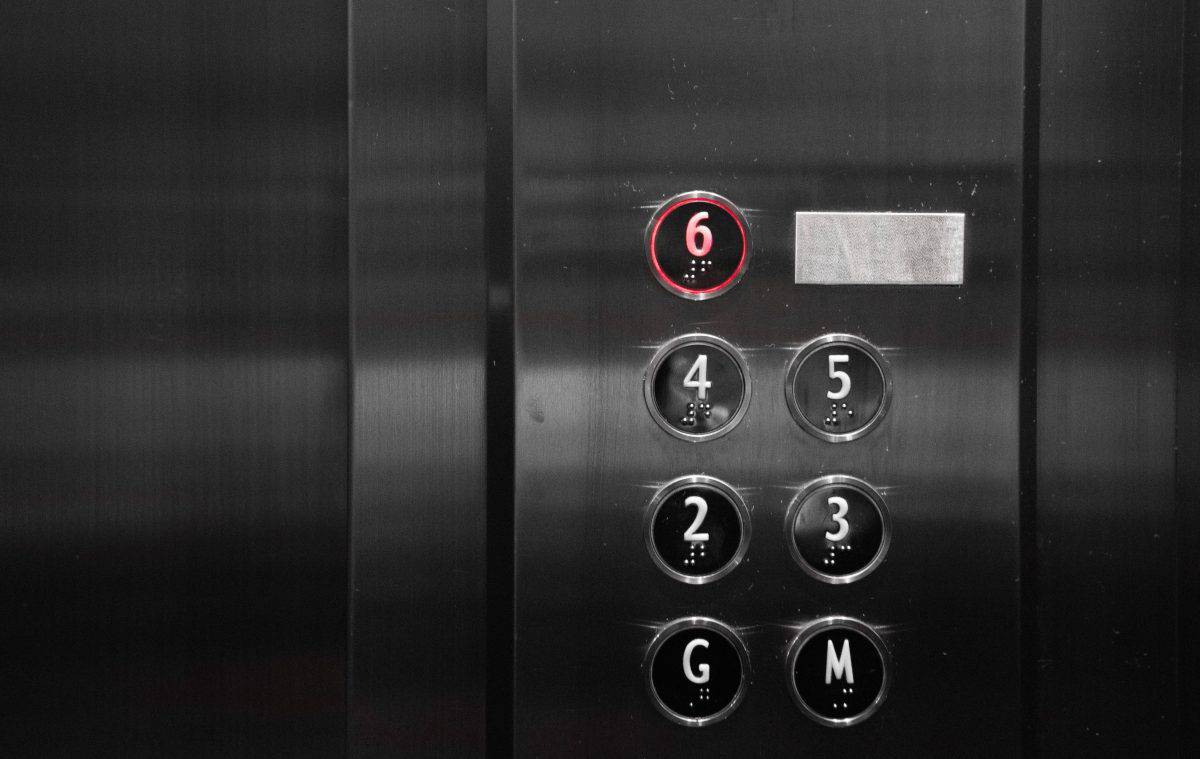
Coronavirus survives on surfaces Photo by Arisa Chattasa on Unsplash

Lara Herrero, Griffith University and Eugene Madzokere, Griffith University

During a typical day, we touch the surfaces of many different objects, often without noticing: money, phones, door handles, elevator buttons, cups, desks, keyboards, petrol pumps and shopping trolleys.

Shutterstock

Objects with surfaces that carry pathogens (such as bacteria or viruses) can pass on infections when we touch them. So it makes sense contact with these contaminated surfaces (often called “fomites”) might increase our infection risk.

Now a study published by CSIRO researchers suggests SARS-CoV-2, the virus that causes COVID-19, can survive up to 28 days on common surfaces.

So, is this cause for panic? The answer is, not necessarily.

What did the study find?

The researchers applied SARS-CoV-2 to Australian plastic banknotes, paper banknotes, stainless steel, glass, vinyl and cotton cloth.

They exposed the objects to three different temperatures — 20℃, 30℃ and 40℃ — all in the dark and with 50% humidity. They then measured the amount of surviving live virus over time.


AlsoRead...

Ryan: Building real freedom through e-commerce

Ryan: Building real freedom through e-commerce

27 November 2025
Design Australia Group: Redefining Drafting as the engine of housing growth

Design Australia Group: Redefining Drafting as the engine of housing growth

26 November 2025

At 20℃, the virus survived longer (up to 28 days) on smooth surfaces, such as glass and banknotes (both plastic and paper), than on porous surfaces such as cotton.

At 30℃ the virus was not detected beyond day seven on any surface except paper banknotes, where it survived up to day 21.

At 40℃, the virus was rapidly inactivated, meaning it couldn’t cause infection.

What does this mean for our daily routine?

The study was designed to mimic the spread of the virus indoors on surfaces under dark conditions only. In Australia, 28 days of darkness would not be considered normal.

However, this is the first study to show long-term survival (28 days) of the virus on non-porous surfaces such as glass, steel and banknotes.

Previous studies indicated the virus survives for much shorter periods. This is from a few hours to less than seven days, inside, at temperatures under 25℃, and in lit environments with varying humidity.

Although the CSIRO findings are scientifically significant, their relevance to the everyday transmission of the virus remains uncertain.

Where does this leave us?

Many of the object surfaces we touch certainly deserve consideration as sources of SARS-CoV-2 transmission. However, how long the virus survives on them depends on several environmental and other factors, not all of which researchers have sufficiently studied.

Light

Could exposing the object surfaces to light have affected the results? At this stage, we just don’t know.

Other researchers have looked at the ability of a form of ultraviolet light (known as UVC) to inactivate the virus.

However, this form is not abundant in sunlight. So we cannot simply leave objects (possible fomites) in the sun hoping to deactivate any potential viruses hitching an unwelcome ride.

This and other research means we still don’t fully understand the impact of sunlight or other sources of light on the viability of the virus on common objects under everyday conditions. This could be in the home, workplaces or shopping centres, or in enclosed spaces such as in cars or on public transport.

Most of the research so far on using light to inactivate the virus has focused on hospitals or other controlled settings, and using artificial light.

Humidity

Humidity is also likely to play a role in the survival of SARS-CoV-2, but there is no certainty on what the role is.

Most studies analysing humidity have been observational, meaning researchers are observing the spread of virus in a population under certain weather conditions.

So far observations are that increasing humidity may be worse for virus survival.

This has also been demonstrated in a laboratory, with increasing humidity decreasing the virus’ survival on fomites. However we’re not certain whether this is relevant to everyday life.

Type of secretion

We know the virus is mainly transmitted through the air, by inhaling respiratory secretions containing the virus.

While there is ongoing debate about whether the virus is spread via droplets or is airborne, this is merely a debate on how small a particle can be while still successfully transferring the virus and causing infection.

Research to conclusively prove SARS-CoV-2 can be transmitted via micro particles (5 micrometres or less, the definition of airborne transmission) is still ongoing.

For now, if a SARS-CoV-2 infected person coughs, sneezes or wipes respiratory secretions onto an object, this object may become a fomite.

In a nutshell

The CSIRO study furthers our understanding of SARS-CoV-2. However, it does not suggest fomites are a significantly greater source of infection than what we are currently managing with existing COVID-19 hygiene practices.

We need to continue frequently washing and sanitising our hands and surfaces, wearing personal protective equipment such as masks if in high-risk situations or when mandated, and physically distancing.

Lara Herrero, Research Leader in Virology and Infectious Disease, Griffith University and Eugene Madzokere, PhD Candidate in Virology, Griffith University

This article is republished from The Conversation under a Creative Commons license. Read the original article.


Tags: SB001
DMCA.com Protection Status

SUBSCRIBE to our NEWSLETTER

[mc4wp_form id=”2384248″]

Don't Miss

The evolution of Aesthetic Surgery through the lens of Dr Kourosh Tavakoli

by Pauline Torongo
4 December 2025
The evolution of Aesthetic Surgery through the lens of Dr. Kourosh Tavakoli
Health & Wellness

As global interest in Australian cosmetic surgery continues to grow, the combination of regulation, research and emerging digital tools is...

Read moreDetails

Ryan: Building real freedom through e-commerce

by Pauline Torongo
27 November 2025
Ryan: Building real freedom through e-commerce
Business & Finance

Ryan’s greatest achievement isn’t any single business or revenue milestone — it’s the ecosystem he’s built through the Change community.

Read moreDetails

Design Australia Group: Redefining Drafting as the engine of housing growth

by Pauline Torongo
26 November 2025
Design Australia Group: Redefining Drafting as the engine of housing growth
Business & Finance

Australia is under pressure to build homes faster, but design bottlenecks slow progress. Design Australia Group is fixing this by...

Read moreDetails

Louis Guy Detata builds Global Trading Empires through autonomous systems and disciplined leadership

by Pauline Torongo
25 November 2025
Louis Guy Detata builds Global Trading Empires through autonomous systems and disciplined leadership
Business & Finance

The path from investment banking to leading a global trading platform has taught Louis Detata that sustainable success requires more...

Read moreDetails

Burning Eucalyptus Wood: Tips, Advantages, Disadvantages & Alternatives

by Fazila Olla-Logday
20 November 2025
Image Supplied
Enviroment

Learn about burning eucalyptus wood for stoves and fireplaces. Discover benefits, drawbacks, harvesting tips, and better alternative firewood options for...

Read moreDetails

Everything Parents Need to Know About Baby Soft Play and Why It’s a Game Changer

by Fazila Olla-Logday
11 November 2025
Everything Parents Need to Know About Baby Soft Play
Health & Wellness

Baby soft play is a fun, safe, and educational way for little ones to explore and grow. Discover the benefits...

Read moreDetails

WOMAD Sets Up a New Camp in Wiltshire – Australian festival fans take note!

by Kris Griffiths
11 November 2025
Kumbia Boruka brought their reggae and dancehall flavour to the Taste the World Stage at WOMAD 2024 - Credit - Mike Massaro
Entertainment

With its 2026 edition moving to Neston Park in England, WOMAD offers Aussie music lovers a chance to reconnect with global...

Read moreDetails
Load More

Copyright © Blue Sky Publications Ltd. All Rights Reserved.
australiantimes.co.uk is a division of Blue Sky Publications Ltd. Reproduction without permission prohibited. DMCA.com Protection Status

  • About us
  • Write for Us
  • Advertise
  • Contact us
  • T&Cs, Privacy and GDPR
No Result
View All Result
  • News
    • Weather
    • Sport
    • Technology
    • Business & Finance
      • Currency Zone
    • Lotto Results
      • The Lott
  • Lifestyle
    • Entertainment
    • Horoscopes
    • Health & Wellness
    • Recipes
  • Travel
  • Expat Life
  • Move to Australia

Copyright © Blue Sky Publications Ltd. All Rights Reserved.
australiantimes.co.uk is a division of Blue Sky Publications Ltd. Reproduction without permission prohibited. DMCA.com Protection Status

No Result
View All Result
  • News
    • Weather
    • Sport
    • Technology
    • Business & Finance
      • Currency Zone
    • Lotto Results
      • The Lott
  • Lifestyle
    • Entertainment
    • Horoscopes
    • Health & Wellness
    • Recipes
  • Travel
  • Expat Life
  • Move to Australia

Copyright © Blue Sky Publications Ltd. All Rights Reserved.
australiantimes.co.uk is a division of Blue Sky Publications Ltd. Reproduction without permission prohibited. DMCA.com Protection Status





