

• Advertise
  • About us
  • Terms and Conditions
  • Contact us
Thursday, February 5, 2026
Australian Times News
  • News
    • Weather
    • Sport
    • Technology
    • Business & Finance
      • Currency Zone
    • Lotto Results
      • The Lott
  • Lifestyle
    • Entertainment
    • Horoscopes
    • Health & Wellness
    • Recipes
  • Travel
  • Expat Life
  • Move to Australia
No Result
View All Result
  • News
    • Weather
    • Sport
    • Technology
    • Business & Finance
      • Currency Zone
    • Lotto Results
      • The Lott
  • Lifestyle
    • Entertainment
    • Horoscopes
    • Health & Wellness
    • Recipes
  • Travel
  • Expat Life
  • Move to Australia
No Result
View All Result
Australian Times News
No Result
View All Result
Home News

How food prices are affected by oil, trade agreements and climate change

Concerns about inflation rates have risen as the UK economy begins its much-needed recovery from the effects of the pandemic. The Consumer Prices Index, the measure most commonly used to measure inflation, rose by 2.5% in June 2021, the highest level for three years.

The Conversation by The Conversation
23-07-2021 18:07
in News
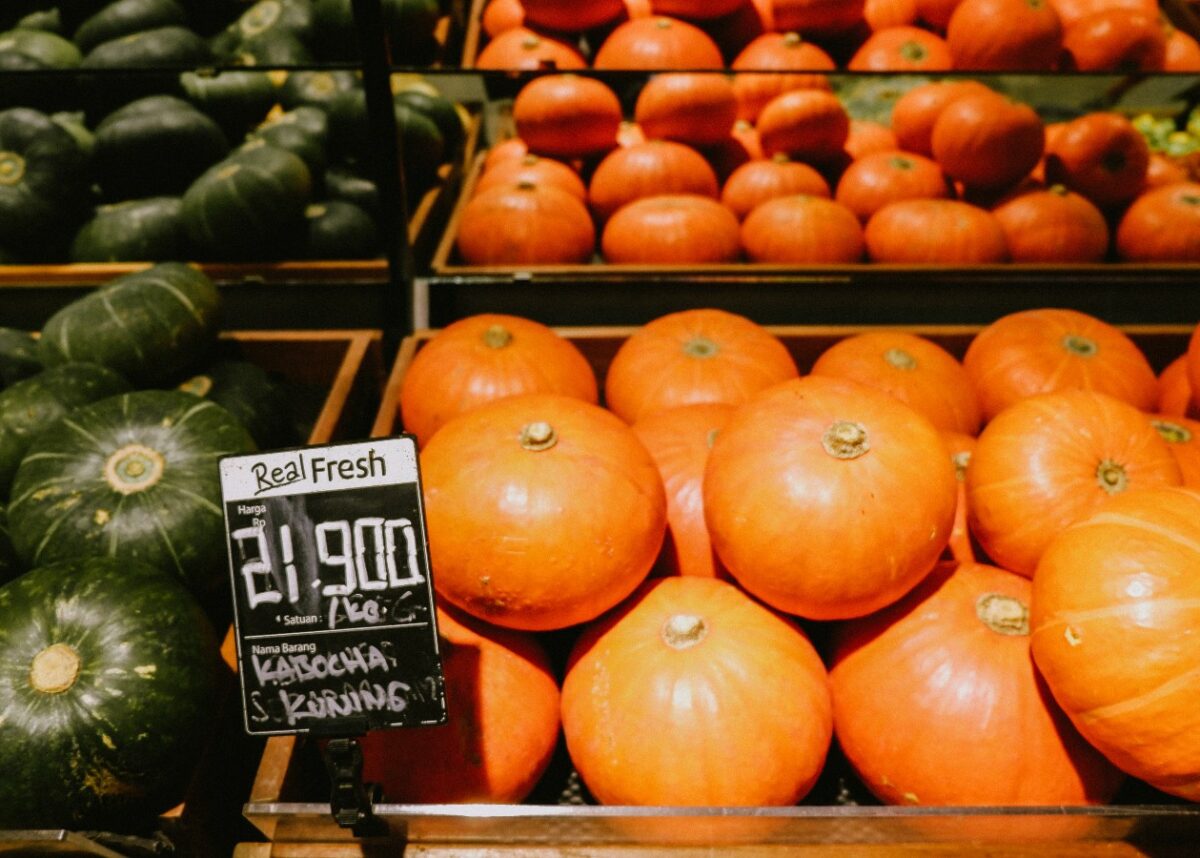
Photo by Devi Puspita Amartha Yahya on Unsplash

Photo by Devi Puspita Amartha Yahya on Unsplash

Wyn Morgan, University of Sheffield

Concerns about inflation rates have risen as the UK economy begins its much-needed recovery from the effects of the pandemic. The Consumer Prices Index, the measure most commonly used to measure inflation, rose by 2.5% in June 2021, the highest level for three years.

That headline rate hides differences between the various things we buy, such as clothes, cars, leisure and food. In fact, food prices have actually been falling over the past few months compared to where they were a year ago. But there are fears they could rise – steeply – soon.

In the UK, food accounts for around 10% of total household expenditure. Everyone has to eat, so everyone is affected by price changes.

That said, the impact of rising food prices varies according to income – richer households are more able to absorb rising costs. Poorer households, who spend a greater proportion of their income on food (nearer 15%), are much more affected by it.

Overall, demand for food is relatively constant – we may change our consumption patterns between shops, brands and sometimes types of item (fresh or long-life orange juice for example) but in the main, our total demand is stable. This means that price changes are often driven by supply factors. These can be short or long-term, and driven by either domestic or global factors.

A short-term cause might be the weather causing droughts or floods which reduce output from farms, forcing prices up. Long-term factors include climate change or planting crops such as coffee or cocoa which take several years to reach maturity.


AlsoRead...

Brandon Willington: The Marketing Entrepreneur turning heads across Australia

Brandon Willington: The Marketing Entrepreneur Turning Heads Across Australia

8 January 2026
How Turnkey Building Group Is Restoring Trust In An Industry Known For Customer Disappointment

How Turnkey Building Group Is Restoring Trust In An Industry Known For Customer Disappointment

17 December 2025

But we also need to recognise that people do not generally eat the initial food products of the agricultural sector. Instead, we tend to eat products that have been through a chain of processors and retailers. This means we should be cautious about making a direct link between weather effects on agricultural output and the prices we pay in the supermarket or corner shop.

The cost of food products also includes many non-edible aspects such as packaging, transportation, marketing and so on, which can mask changes in the cost of the actual food. So too can competition between retailers as they seek to keep customers loyal by dropping prices where possible.

The global food basket

Equally, we need to recognise that many countries do not produce all of their own food from domestic resources. The UK imports about 40% of the food it consumes ranging from items such as bananas, tea and coffee through to bacon, butter and lamb – products that it also produces domestically.

Supplies from abroad can be greatly affected by shocks to the system, such as the delays experienced during the pandemic, or trade policy changes. All these can help drive up prices, as can fluctuations in currency exchange rates.

Many countries also import globally traded raw commodities, such as wheat or corn, and the price of these are determined by global macroeconomic factors – a key one being the price of oil.

An oil refinery.
Oil, the fuel of food. Shutterstock/noomcpk

Oil matters for two reasons. First, the costs of transporting bulky commodities are very sensitive to increases in the price of oil. Second, oil is a key component of fertiliser and if its price rises, the cost of fertiliser rises, agricultural production costs rise and output prices can rise as a result. This can often be passed on through the food chain to the consumer in the form of higher retail prices – hence food price inflation.

Before the 2008 food price inflation spike of August 2008, when it hit 14% in the UK, oil prices had reached nearly US$140 a barrel (£102), having been only half that value a year earlier.

Other factors driving this price spike included: a drought in Australia affecting wheat prices; a cheaper US dollar meaning demand for food grew as other countries could afford to buy more with their own currencies; and the impact of subsidies to farmers in the US to grow maize for fuel rather than food, which drove up the price of animal feed.

This was truly a global crisis as food prices rose rapidly in many countries leading to food shortages in low-income countries such as Niger, riots in others (such as Mexico and Indonesia) and governments attempting to control price rises by banning exports (Argentina and Russia).

Food supply will remain a global issue, which means controlling domestic food price inflation is not down to the government of the day. In the UK, consumers may have become used to relatively low and stable food price inflation rate over the last few decades – but we cannot assume this will always be the case.

Wyn Morgan, Professor of Economics, University of Sheffield

This article is republished from The Conversation under a Creative Commons license. Read the original article.


Tags: SB001
DMCA.com Protection Status

SUBSCRIBE to our NEWSLETTER

[mc4wp_form id=”2384248″]

Don't Miss

Lyca Mobile Australia’s Customer-First Overhaul Pays Off with Finder Award Win

by Fazila Olla-Logday
2 February 2026
Lyca Mobile Australia's Customer-First Overhaul Pays Off with Finder Award Win
Technology

Lyca Mobile Australia’s customer-first overhaul has earned a Finder Award, recognising its improved value, service, and stronger focus on Australian...

Read moreDetails

From Driveway to Dream Court: The Rise of High-Performance Hoops at Home in 2026

by Fazila Olla-Logday
20 January 2026
The Rise of High-Performance Hoops at Home in 2026
Sport

High-performance home basketball hoops are gaining momentum in 2026, as more homeowners invest in durable, professional-grade systems that combine advanced...

Read moreDetails

Brandon Willington: The Marketing Entrepreneur Turning Heads Across Australia

by Pauline Torongo
8 January 2026
Brandon Willington: The Marketing Entrepreneur turning heads across Australia
Business & Finance

Brandon Willington, founder of “Where U?” is changing the narrative for Australian businesses tired of inconsistent leads and empty promises.

Read moreDetails

How Turnkey Building Group Is Restoring Trust In An Industry Known For Customer Disappointment

by Fazila Olla-Logday
17 December 2025
How Turnkey Building Group Is Restoring Trust In An Industry Known For Customer Disappointment
Business & Finance

Turnkey Building Group is changing the narrative in an industry often associated with missed deadlines and broken promises. By prioritizing...

Read moreDetails

Risk Awareness for International Travellers – What Australians Should Know Before Entering Multi-State Regions

by Fazila Olla-Logday
10 December 2025
Schengen
Travel

This guide helps Australian travellers understand cross-border requirements, assess political and environmental risks, manage health and safety considerations, and prepare...

Read moreDetails

The evolution of Aesthetic Surgery through the lens of Dr Kourosh Tavakoli

by Pauline Torongo
4 December 2025
The evolution of Aesthetic Surgery through the lens of Dr. Kourosh Tavakoli
Health & Wellness

As global interest in Australian cosmetic surgery continues to grow, the combination of regulation, research and emerging digital tools is...

Read moreDetails

Ryan: Building real freedom through e-commerce

by Pauline Torongo
27 November 2025
Ryan: Building real freedom through e-commerce
Business & Finance

Ryan’s greatest achievement isn’t any single business or revenue milestone — it’s the ecosystem he’s built through the Change community.

Read moreDetails
Load More

Copyright © Blue Sky Publications Ltd. All Rights Reserved.
australiantimes.co.uk is a division of Blue Sky Publications Ltd. Reproduction without permission prohibited. DMCA.com Protection Status

  • About us
  • Write for Us
  • Advertise
  • Contact us
  • T&Cs, Privacy and GDPR
No Result
View All Result
  • News
    • Weather
    • Sport
    • Technology
    • Business & Finance
      • Currency Zone
    • Lotto Results
      • The Lott
  • Lifestyle
    • Entertainment
    • Horoscopes
    • Health & Wellness
    • Recipes
  • Travel
  • Expat Life
  • Move to Australia

Copyright © Blue Sky Publications Ltd. All Rights Reserved.
australiantimes.co.uk is a division of Blue Sky Publications Ltd. Reproduction without permission prohibited. DMCA.com Protection Status

No Result
View All Result
  • News
    • Weather
    • Sport
    • Technology
    • Business & Finance
      • Currency Zone
    • Lotto Results
      • The Lott
  • Lifestyle
    • Entertainment
    • Horoscopes
    • Health & Wellness
    • Recipes
  • Travel
  • Expat Life
  • Move to Australia

Copyright © Blue Sky Publications Ltd. All Rights Reserved.
australiantimes.co.uk is a division of Blue Sky Publications Ltd. Reproduction without permission prohibited. DMCA.com Protection Status





