

• Advertise
  • About us
  • Terms and Conditions
  • Contact us
Monday, March 23, 2026
Australian Times News
  • News
    • Weather
    • Sport
    • Technology
    • Business & Finance
      • Currency Zone
    • Lotto Results
      • The Lott
  • Lifestyle
    • Entertainment
    • Horoscopes
    • Health & Wellness
    • Recipes
  • Travel
  • Expat Life
  • Move to Australia
No Result
View All Result
  • News
    • Weather
    • Sport
    • Technology
    • Business & Finance
      • Currency Zone
    • Lotto Results
      • The Lott
  • Lifestyle
    • Entertainment
    • Horoscopes
    • Health & Wellness
    • Recipes
  • Travel
  • Expat Life
  • Move to Australia
No Result
View All Result
Australian Times News
No Result
View All Result
Home News

Germans have voted to replace Angela Merkel — here are 7 ways to understand the results so far

In the last few years, the party had experimented with two Merkel-style centrists. The first, Annegret Kramp-Karrenbauer, quit the leadership in 2020 after a state election in Thuringia saw her party court far-right votes.

The Conversation by The Conversation
27-09-2021 09:17
in News
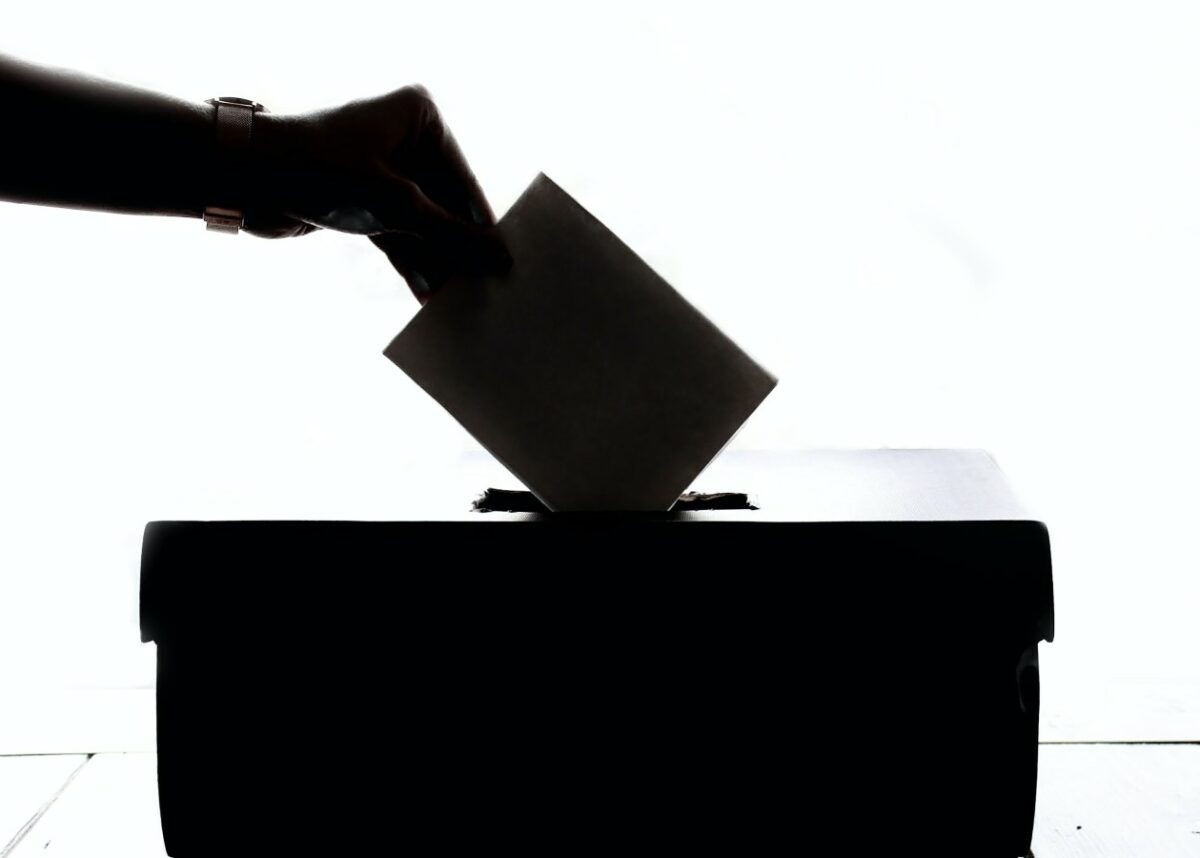
Photo by Element5 Digital on Unsplash

Photo by Element5 Digital on Unsplash

Matt Fitzpatrick, Flinders University

On Sunday, Germans went to the polls to decide who will succeed retiring Angela Merkel as chancellor.


With a very close result as counting continues, it could be weeks or even months before a government is formed. This is what we know so far:

1. Progressive parties were the big winners

Both the centre-left Social Democrats (SPD) and the Greens added more than 5% to their vote.

It looks like the CDU has ended up with their worst performance of the post-war period, scoring just 24.1% of the popular vote. This means that the SPD, currently on 25.8%, will have the right to try and form a government.
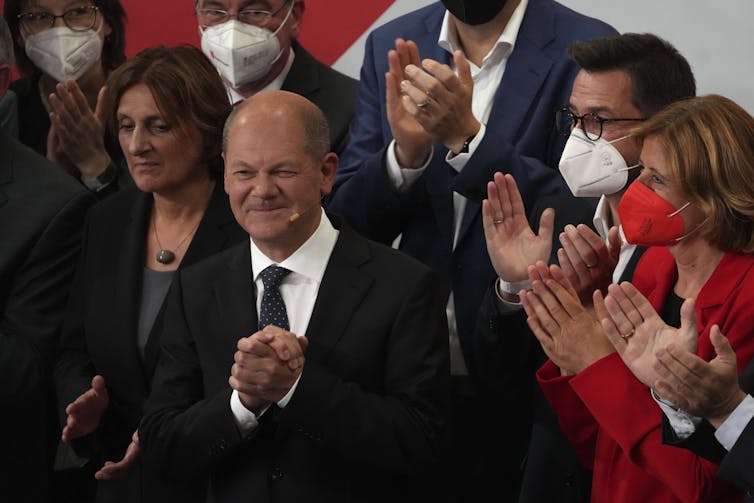
SPD candidate for chancellor Olaf Scholz addressing supporters
SPD candidate for chancellor, Olaf Scholz had a good election but now faces tough negotiations to get a result in his favour. Michael Sohn/AAP

Few would have suggested 12 months ago the SPD under Olaf Scholz would be in a position to build a government. Having endured a long, grinding period as the junior party in a “grand coalition” with Merkel’s centre-Right Christian Democratic Union (CDU), pundits (including myself) had wondered whether the SPD could survive the serious challenge to their base from the German Greens and a more centrist CDU.

This weekend’s election has shown the party’s resilience in a fragmenting electoral landscape.

AlsoRead...

Design Without Compromise: Where Gutter Protection Meets Modern Architecture

Design Without Compromise: Where Gutter Protection Meets Modern Architecture

20 March 2026
The Rise of This Lead Generation Workshop Across Australia

The Rise of This Lead Generation Workshop Across Australia

13 February 2026

2. The CDU paid dearly for fumbling their post-Merkel succession plan

Merkel announced her retirement in 2018, so the CDU had plenty of time to think about succession.

In the last few years, the party had experimented with two Merkel-style centrists. The first, Annegret Kramp-Karrenbauer, quit the leadership in 2020 after a state election in Thuringia saw her party court far-right votes.

After another destabilising party ballot, Armin Laschet — the pick of party apparatchiks — was chosen as leader. Many CDU voters would have preferred the Bavarian state premier Markus Söder, who pulled out of the leadership race in April.
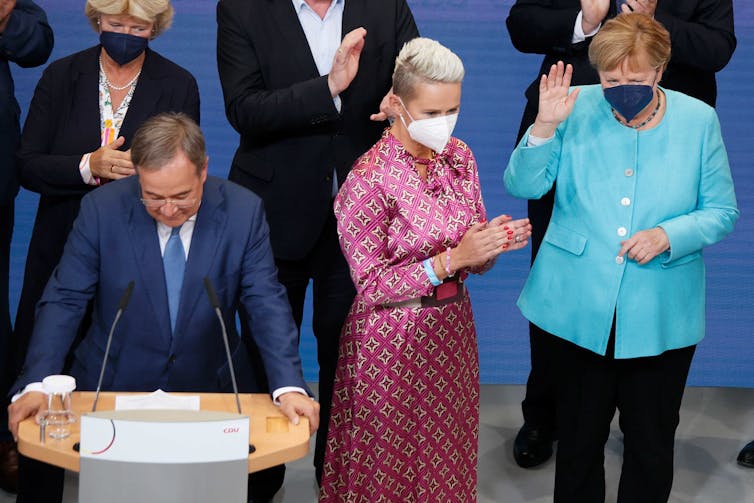
Armin Laschet and other CDU leaders on Sunday.
The election result has left the CDU reeling. Carsten Koal/EPA/AAP

Laschet’s avuncular style of politics failed to gain traction during the campaign, while the deadpan gravitas of the SPD’s Scholz and the urgent politics of the Greens seemed to have struck a chord in sombre times.

3. Even the winners didn’t get what they wanted.

Talk of SPD “triumph” and CDU “failure” is all relative. In reality, the two parties are less than 2% apart and between them only hold about 50% of the national vote — scarcely enough for another grand coalition.

In the last televised debate before the election, Scholz made it clear if he had the chance to build a coalition government, he would prefer to do that with the Greens.

But the SPD won’t be able to form government with the Greens alone. They will need a third party.

4. Coalition-forming talks will be tricky

While coalition governments are the norm in Germany, forming a government won’t be straightforward. There are a number of coalition possibilities with names that often stem from the colours associated with the parties.


These include another “grand coalition” of the two biggest parties, the SPD and the CDU, “Kenya” (SPD, CDU, and Green) or, perhaps less likely, “Jamaica” (CDU, Green and the free marketeer Free Democratic Party (FDP)). A “traffic light” coalition (SPD, Green, and FDP) is also possible.

Some had tipped that the socialist Left Party (Die Linke) might have been brought into a ruling coalition of left-wing parties for the first time at the federal level, a so-called “Red-Red-Green” coalition. Even with them, however, Scholz still wouldn’t have enough seats to govern.

Coalition talks have already begun behind the scenes. The main parties also began declaring their conditions for joining a ruling coalition during the election coverage on Sunday night.

5. The minor players remain minor

In the last coalition discussions of 2017, the free marketeer FDP infamously chose to preserve their doctrinal purity rather than take up a role as a junior partner in government.

It would be unsurprising to see them do the same again, with their leader already seeming to have ruled out a so-called “traffic light” coalition with the SPD and the Greens because it wouldn’t deliver the tax cuts the FDP want.

Meanwhile the Left Party had a horror night, losing almost half of their votes, and relying on complicated electoral rules to be able to sit in the German parliament with fewer than the normal 5% of votes required.

6. The far-right vote slipped overall

But at 10.5% nationally, it is worryingly high in some areas, particularly the eastern states of Thuringia, Saxony and Saxony-Anhalt. The far-right Alternative for Germany party are the greatest threat to German democracy, and their voters are not, as some imagine, pensioners who remember the certainties of the old Communist regime fondly. Rather, they are young and middle-aged East Germans who have voted against migration, anti-COVID measures and “the system”.


All other parties have completely ruled out political cooperation with this pariah party, an encouraging sign after the debacle in Thuringia in 2020, which saw the CDU and FDP flirt with making use of Alternative for Germany votes to support them in state government.

7. Green politics is mainstream

At one stage, the Greens had entertained hopes of winning the election. Even thought they fell well short of this with 14.6% of the vote, the election was fought on their territory, with all of the parties forced to explain their plan for taking Germany to net zero emissions and a green economy.

Greens supporters dancing.
Greens supporters danced in response to the election result on Sunday. Jens Schlueter/EPA/AAP

Their success on the weekend means Germany seems set to continue its support of these goals.

Matt Fitzpatrick, Professor in International History, Flinders University

This article is republished from The Conversation under a Creative Commons license. Read the original article.


Tags: SB001
DMCA.com Protection Status

SUBSCRIBE to our NEWSLETTER

[mc4wp_form id=”2384248″]

Don't Miss

Design Without Compromise: Where Gutter Protection Meets Modern Architecture

by Fazila Olla-Logday
20 March 2026
Design Without Compromise: Where Gutter Protection Meets Modern Architecture
Business & Finance

Design without compromise by integrating gutter protection seamlessly into modern architecture. Discover how innovative gutter systems enhance your home’s aesthetics...

Read moreDetails

How WageSafe Secured Australia’s Most Reputable Retail Business Among Its Premium Clients

by Fazila Olla-Logday
12 March 2026
How WageSafe Secured Australia’s Most Reputable Retail Business Among Its Premium Clients
at

Learn how WageSafe helps businesses stay compliant with payroll and wage regulations through reliable monitoring, risk management, and expert support—protecting...

Read moreDetails

Zakeke AI Agent Studio Removes the E-Commerce Content Bottleneck With Outputs in Seconds

by Fazila Olla-Logday
3 March 2026
Zakeke AI Agent Studio Removes the E-Commerce Content Bottleneck With Outputs in Seconds
at

Zakeke AI Agent Studio removes the e-commerce content bottleneck by generating product content and visuals in seconds, enabling brands to...

Read moreDetails

Empire Traveller launches to give Small and Medium Businesses Enterprise-Level Travel rates

by Pauline Torongo
20 February 2026
Empire Traveller launches to give Small and Medium Businesses Enterprise-Level Travel rates
Travel

Empire Traveller suggests the travel sector may be entering a more inclusive phase — one where advantage is shaped less...

Read moreDetails

Is Feng Shui Master Xu Really A Modern Genius?

by Fazila Olla-Logday
19 February 2026
Is Feng Shui Master Xu Really A Modern Genius?
at

Is Feng Shui Master Xu truly a modern genius, or simply a master of timeless wisdom? Blending ancient Feng Shui...

Read moreDetails

The Rise of This Lead Generation Workshop Across Australia

by Pauline Torongo
13 February 2026
The Rise of This Lead Generation Workshop Across Australia
Business & Finance

“Where U?”, is a two-day in-person lead generation workshop that teaches Australian business owners how to build their own acquisition...

Read moreDetails

Lyca Mobile Australia’s Customer-First Overhaul Pays Off with Finder Award Win

by Fazila Olla-Logday
2 February 2026
Lyca Mobile Australia's Customer-First Overhaul Pays Off with Finder Award Win
Technology

Lyca Mobile Australia’s customer-first overhaul has earned a Finder Award, recognising its improved value, service, and stronger focus on Australian...

Read moreDetails
Load More

Copyright © Blue Sky Publications Ltd. All Rights Reserved.
australiantimes.co.uk is a division of Blue Sky Publications Ltd. Reproduction without permission prohibited. DMCA.com Protection Status

  • About us
  • Write for Us
  • Advertise
  • Contact us
  • T&Cs, Privacy and GDPR
No Result
View All Result
  • News
    • Weather
    • Sport
    • Technology
    • Business & Finance
      • Currency Zone
    • Lotto Results
      • The Lott
  • Lifestyle
    • Entertainment
    • Horoscopes
    • Health & Wellness
    • Recipes
  • Travel
  • Expat Life
  • Move to Australia

Copyright © Blue Sky Publications Ltd. All Rights Reserved.
australiantimes.co.uk is a division of Blue Sky Publications Ltd. Reproduction without permission prohibited. DMCA.com Protection Status

No Result
View All Result
  • News
    • Weather
    • Sport
    • Technology
    • Business & Finance
      • Currency Zone
    • Lotto Results
      • The Lott
  • Lifestyle
    • Entertainment
    • Horoscopes
    • Health & Wellness
    • Recipes
  • Travel
  • Expat Life
  • Move to Australia

Copyright © Blue Sky Publications Ltd. All Rights Reserved.
australiantimes.co.uk is a division of Blue Sky Publications Ltd. Reproduction without permission prohibited. DMCA.com Protection Status






