

• Advertise
  • About us
  • Terms and Conditions
  • Contact us
Saturday, December 6, 2025
Australian Times News
  • News
    • Weather
    • Sport
    • Technology
    • Business & Finance
      • Currency Zone
    • Lotto Results
      • The Lott
  • Lifestyle
    • Entertainment
    • Horoscopes
    • Health & Wellness
    • Recipes
  • Travel
  • Expat Life
  • Move to Australia
No Result
View All Result
  • News
    • Weather
    • Sport
    • Technology
    • Business & Finance
      • Currency Zone
    • Lotto Results
      • The Lott
  • Lifestyle
    • Entertainment
    • Horoscopes
    • Health & Wellness
    • Recipes
  • Travel
  • Expat Life
  • Move to Australia
No Result
View All Result
Australian Times News
No Result
View All Result
Home News

‘Genomic fingerprinting’ helps us trace coronavirus outbreaks. What is it and how does it work?

During Australia’s first wave of COVID-19, genomic sequencing of the earliest Sydney clusters was crucial to identifying the difference between imported cases and local community transmissions.

The Conversation by The Conversation
22-07-2020 01:39
in News
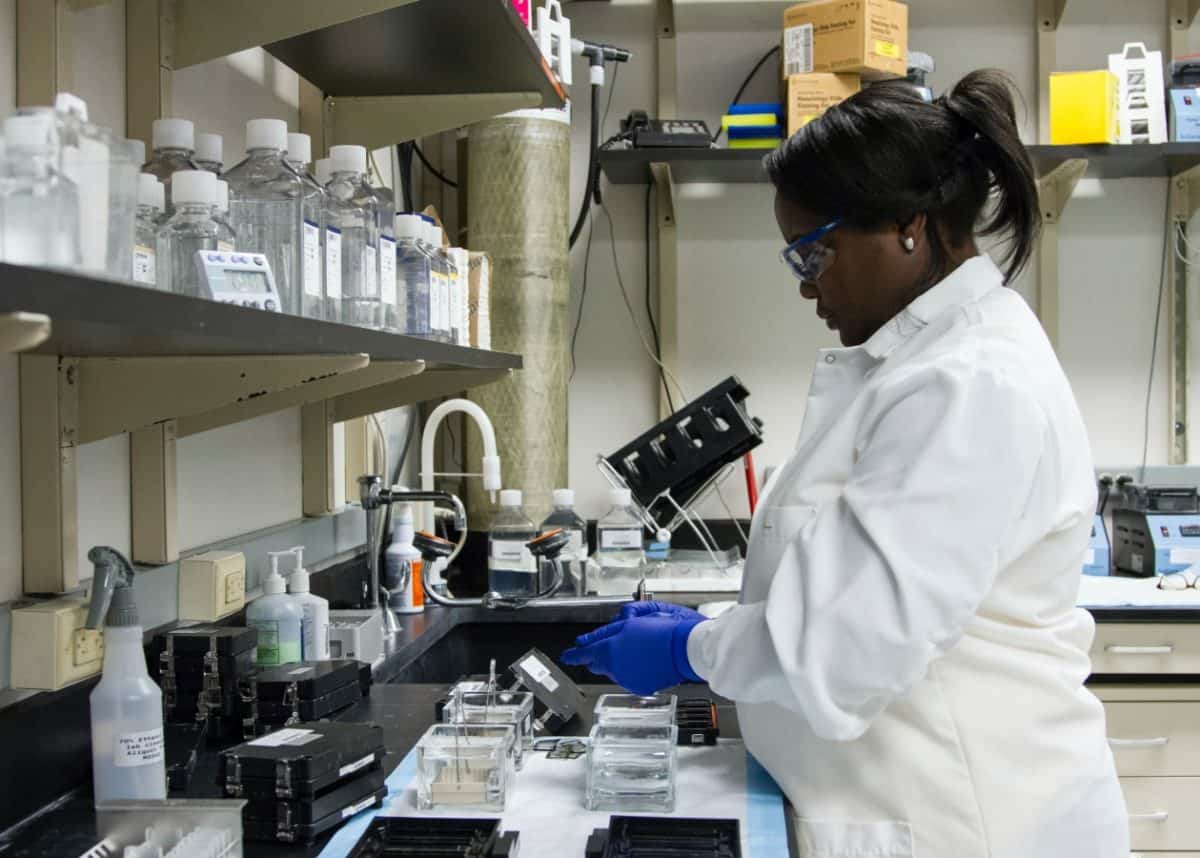
Genomic fingerprinting

Genomic fingerprinting Photo by National Cancer Institute on Unsplash

Rebecca Rockett, University of Sydney

If you had told me in January that “genomics” would become a buzzword in 2020, I’d have thought you were crazy.
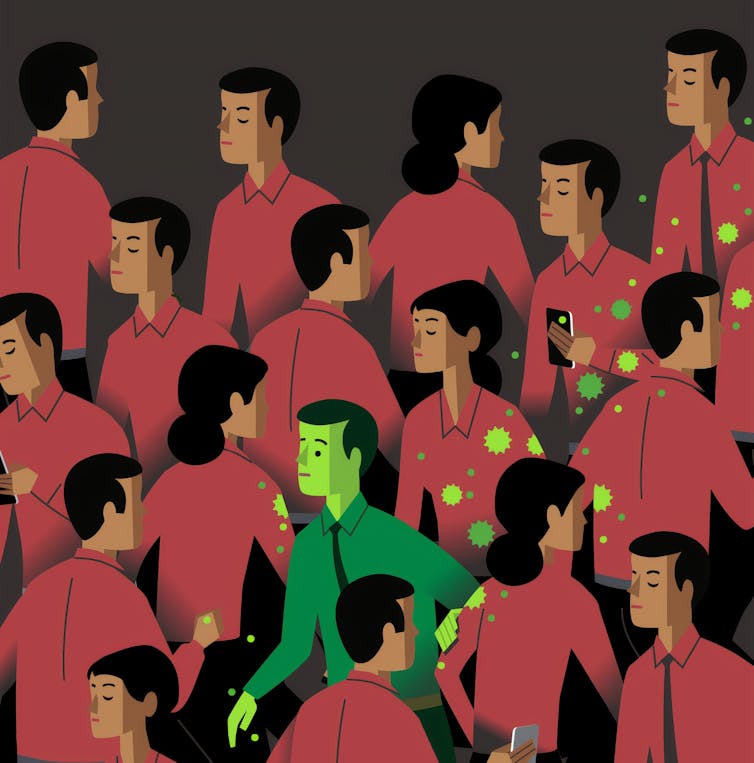
United Nations COVID-19 Response/Unsplash

But the COVID-19 pandemic has brought medical science to the top of our nightly news bulletins. And now, it seems, everyone is talking about genomics.

During Australia’s first wave of COVID-19, genomic sequencing of the earliest Sydney clusters was crucial to identifying the difference between imported cases and local community transmissions.

And now with a second wave lapping at the New South Wales border, genomic sequencing traced the origin of the Crossroads Hotel cluster back to Victoria, just as Victorian scientists were able to trace the Melbourne outbreaks back to hotel quarantine cases.

Genomic sequencing offers us a key to unlocking the puzzle of local transmission of COVID-19.

But what is it and how does it work?

AlsoRead...

Ryan: Building real freedom through e-commerce

Ryan: Building real freedom through e-commerce

27 November 2025
Design Australia Group: Redefining Drafting as the engine of housing growth

Design Australia Group: Redefining Drafting as the engine of housing growth

26 November 2025

Mapping the COVID-19 ‘family tree’

Genomics is the study of the genetic materials within an organism — DNA (deoxyribonucleic acid) and RNA (ribonucleic acid).

Genomic sequencing effectively takes a “genetic fingerprint” of an organism and maps how the DNA or RNA inside it is ordered.

COVID-19 is an RNA virus, and by looking at the genetic sequence of different cases, we can detect minute differences in each new infection.

This allows us to create a genetic “family tree” to show which COVID-19 cases are closely related, and to identify and track clusters.

The more fingerprints we take, the easier it becomes to identify whether someone contracted COVID-19 from a known cluster or case.
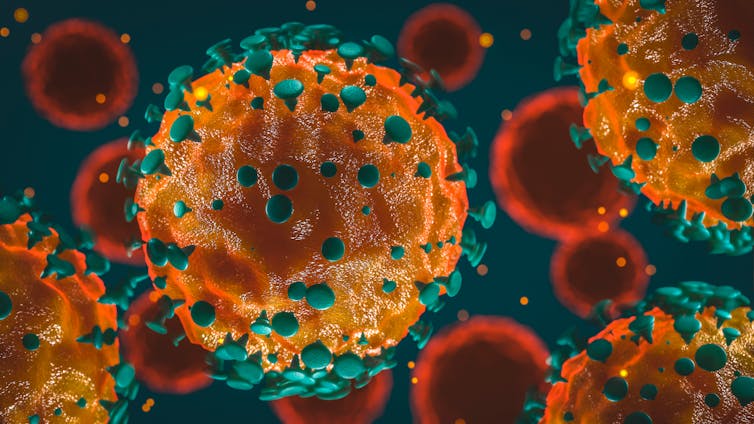
SARS-CoV-2, the coronavirus that causes COVID-19, is an RNA virus. Shutterstock

Born in a tent: the COVID-19 genomic sequencing test

Late in January, travellers returning from overseas hotspots were showing symptoms of this new coronavirus — but the virus was so new we didn’t yet have a genomic sequencing test developed to prove where the virus was coming from.

On a family camping holiday north of Sydney over the Australia Day long weekend, I sat in a tent with my laptop, designing NSW’s first genomic sequencing test for COVID-19.

Meanwhile, my colleagues from the University of Sydney and NSW Health Pathology were working in the lab at Westmead Hospital testing and collating data to see whether it worked.

From that point, we collected genetic material from positive COVID swab tests in NSW, and using the sequencing test we designed, we were able to generate genetic data from 209 COVID-19 cases.

Our study published recently in Nature Medicine reveals how we used genomic sequencing and mathematical modelling to give important insights into the “parentage” of cases and likely spread of the disease in NSW during the first ten weeks of COVID-19 in Australia.

Our secret weapon: rockmelons

Remember the rockmelon recall of 2018? Supermarkets across Australia pulled the fruits (otherwise known as cantaloupes) from shelves due to a deadly outbreak of listeria.

Genomic sequencing was used to help trace the source of that listeria outbreak, and over many years we’ve used it to trace other food poisoning outbreaks, as well as transmission of tuberculosis.

When COVID-19 hit Australia we had to move quickly, so we began to adapt these tests to this new coronavirus — and it worked.

Very early on in our research we were able to discover cases which weren’t linked to a known cluster or case.

We identified that one-quarter of COVID-19 positive samples were local transmissions and were able to identify clusters such as those in nursing homes.

Comparing our genomic sequences against an international database, we also identified which countries the virus in Australia was being imported from.

We reported genomic sequencing to NSW Health to supplement epidemiological information from contact tracing and inform and improve public health follow-up of COVID-19 cases.

This knowledge community transmission was occurring led to the closure of the country’s international borders, revision of testing policies, and other federal and state government measures designed to minimise further spread of the virus.

Sequencing is key as we continue the battle against COVID-19

We know genomic data from Australia’s first wave of coronavirus infections proved vital to understanding the trajectory of the disease, and it continues to help us crack the codes of the second wave’s clusters.

With an effective vaccine still many months away at best, and with a resurgence of infections in Australia, it’s critical we continue to invest in this research to advance our ability to contain the virus in the long-term.

Rebecca Rockett, Virologist, University of Sydney

This article is republished from The Conversation under a Creative Commons license. Read the original article.


Tags: SB001
DMCA.com Protection Status

SUBSCRIBE to our NEWSLETTER

[mc4wp_form id=”2384248″]

Don't Miss

The evolution of Aesthetic Surgery through the lens of Dr Kourosh Tavakoli

by Pauline Torongo
4 December 2025
The evolution of Aesthetic Surgery through the lens of Dr. Kourosh Tavakoli
Health & Wellness

As global interest in Australian cosmetic surgery continues to grow, the combination of regulation, research and emerging digital tools is...

Read moreDetails

Ryan: Building real freedom through e-commerce

by Pauline Torongo
27 November 2025
Ryan: Building real freedom through e-commerce
Business & Finance

Ryan’s greatest achievement isn’t any single business or revenue milestone — it’s the ecosystem he’s built through the Change community.

Read moreDetails

Design Australia Group: Redefining Drafting as the engine of housing growth

by Pauline Torongo
26 November 2025
Design Australia Group: Redefining Drafting as the engine of housing growth
Business & Finance

Australia is under pressure to build homes faster, but design bottlenecks slow progress. Design Australia Group is fixing this by...

Read moreDetails

Louis Guy Detata builds Global Trading Empires through autonomous systems and disciplined leadership

by Pauline Torongo
25 November 2025
Louis Guy Detata builds Global Trading Empires through autonomous systems and disciplined leadership
Business & Finance

The path from investment banking to leading a global trading platform has taught Louis Detata that sustainable success requires more...

Read moreDetails

Burning Eucalyptus Wood: Tips, Advantages, Disadvantages & Alternatives

by Fazila Olla-Logday
20 November 2025
Image Supplied
Enviroment

Learn about burning eucalyptus wood for stoves and fireplaces. Discover benefits, drawbacks, harvesting tips, and better alternative firewood options for...

Read moreDetails

Everything Parents Need to Know About Baby Soft Play and Why It’s a Game Changer

by Fazila Olla-Logday
11 November 2025
Everything Parents Need to Know About Baby Soft Play
Health & Wellness

Baby soft play is a fun, safe, and educational way for little ones to explore and grow. Discover the benefits...

Read moreDetails

WOMAD Sets Up a New Camp in Wiltshire – Australian festival fans take note!

by Kris Griffiths
11 November 2025
Kumbia Boruka brought their reggae and dancehall flavour to the Taste the World Stage at WOMAD 2024 - Credit - Mike Massaro
Entertainment

With its 2026 edition moving to Neston Park in England, WOMAD offers Aussie music lovers a chance to reconnect with global...

Read moreDetails
Load More

Copyright © Blue Sky Publications Ltd. All Rights Reserved.
australiantimes.co.uk is a division of Blue Sky Publications Ltd. Reproduction without permission prohibited. DMCA.com Protection Status

  • About us
  • Write for Us
  • Advertise
  • Contact us
  • T&Cs, Privacy and GDPR
No Result
View All Result
  • News
    • Weather
    • Sport
    • Technology
    • Business & Finance
      • Currency Zone
    • Lotto Results
      • The Lott
  • Lifestyle
    • Entertainment
    • Horoscopes
    • Health & Wellness
    • Recipes
  • Travel
  • Expat Life
  • Move to Australia

Copyright © Blue Sky Publications Ltd. All Rights Reserved.
australiantimes.co.uk is a division of Blue Sky Publications Ltd. Reproduction without permission prohibited. DMCA.com Protection Status

No Result
View All Result
  • News
    • Weather
    • Sport
    • Technology
    • Business & Finance
      • Currency Zone
    • Lotto Results
      • The Lott
  • Lifestyle
    • Entertainment
    • Horoscopes
    • Health & Wellness
    • Recipes
  • Travel
  • Expat Life
  • Move to Australia

Copyright © Blue Sky Publications Ltd. All Rights Reserved.
australiantimes.co.uk is a division of Blue Sky Publications Ltd. Reproduction without permission prohibited. DMCA.com Protection Status






