• Advertise
  • About us
  • Terms and Conditions
  • Contact us
Friday, December 5, 2025
Australian Times News
  • News
    • Weather
    • Sport
    • Technology
    • Business & Finance
      • Currency Zone
    • Lotto Results
      • The Lott
  • Lifestyle
    • Entertainment
    • Horoscopes
    • Health & Wellness
    • Recipes
  • Travel
  • Expat Life
  • Move to Australia
No Result
View All Result
  • News
    • Weather
    • Sport
    • Technology
    • Business & Finance
      • Currency Zone
    • Lotto Results
      • The Lott
  • Lifestyle
    • Entertainment
    • Horoscopes
    • Health & Wellness
    • Recipes
  • Travel
  • Expat Life
  • Move to Australia
No Result
View All Result
Australian Times News
No Result
View All Result
Home News

Flip flop: the un-Australian history of the rubber thong

Worn with small variations across Egypt, Rome, Greece, sub-Saharan Africa, India, China, Korea, Japan and some Latin American cultures, the shoe was designed to protect the sole while keeping the top of the foot cool.

The Conversation by The Conversation
01-01-2020 01:57
in News
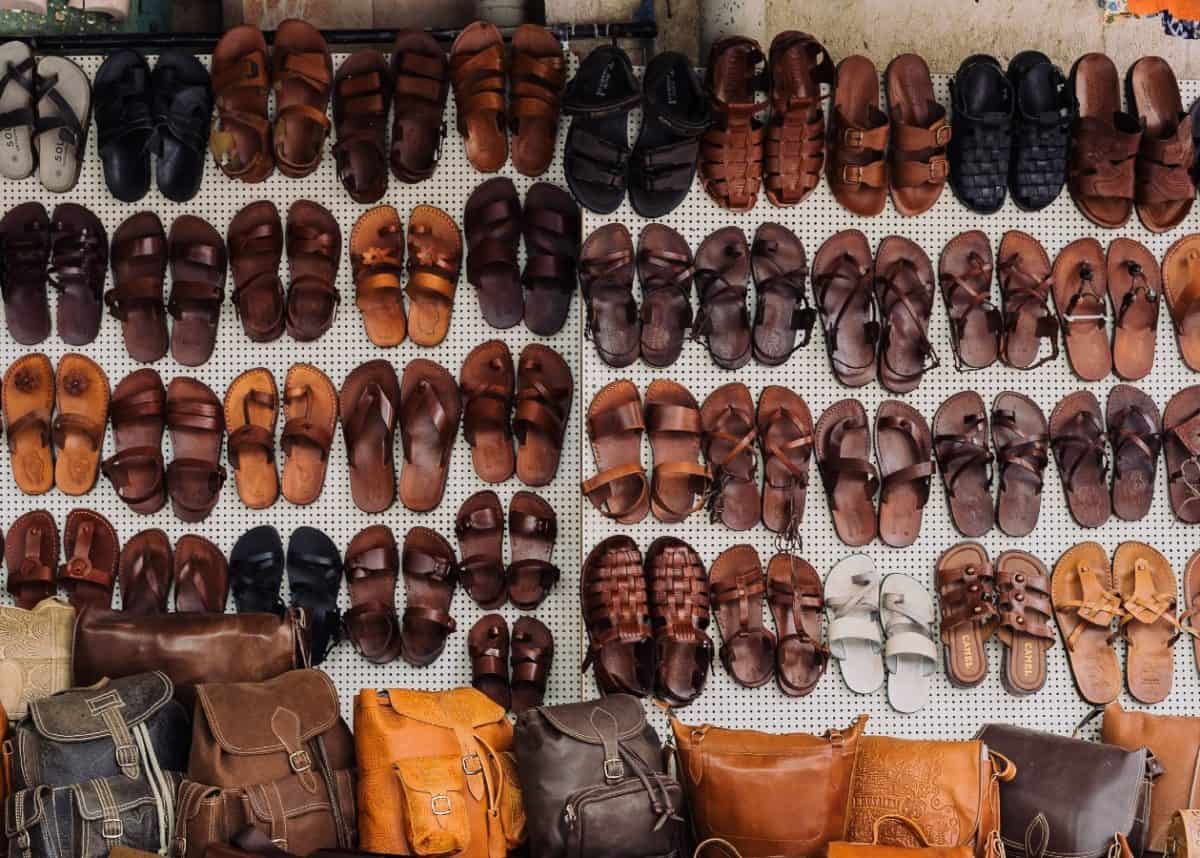
The oldest styles of footwear in the world

The oldest styles of footwear in the world Photo by Adam Jang on Unsplash

Lydia Edwards, Edith Cowan University

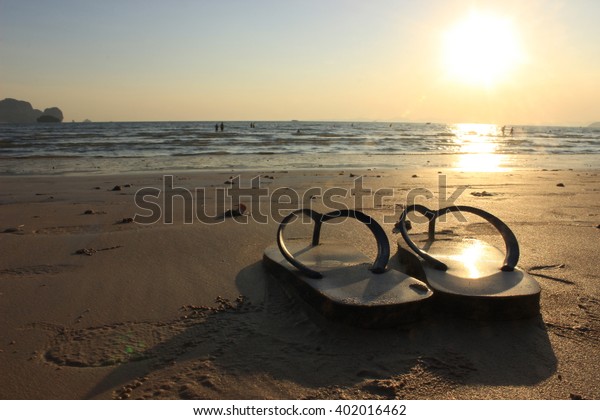
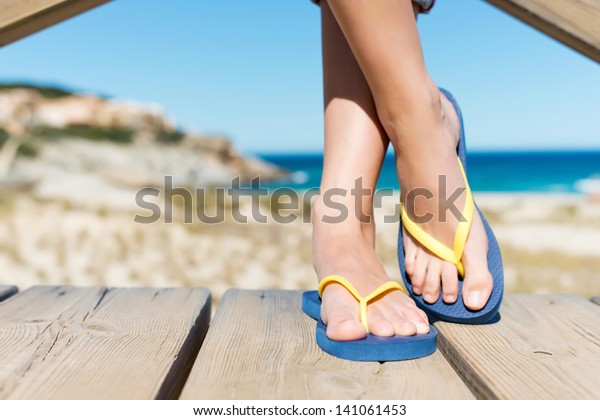
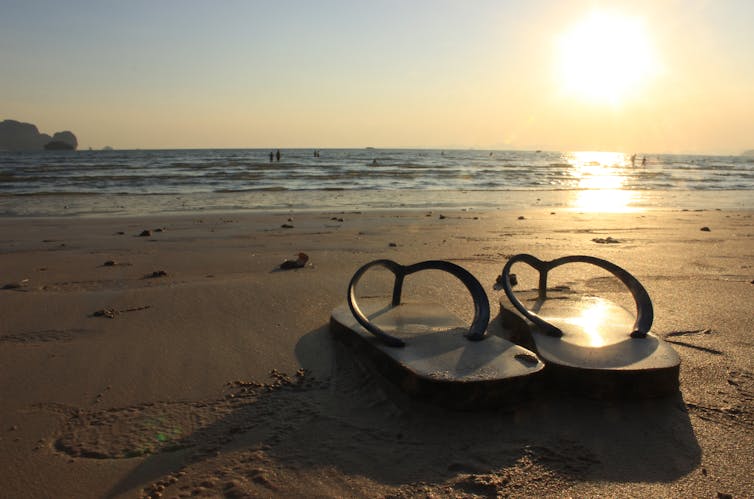
The shoe known in Australia as a “thong” is one of the oldest styles of footwear in the world.
Shutterstock

Worn with small variations across Egypt, Rome, Greece, sub-Saharan Africa, India, China, Korea, Japan and some Latin American cultures, the shoe was designed to protect the sole while keeping the top of the foot cool.

Australians have long embraced this practical but liberating shoe — but history shows we can’t really claim to it as our own.

Geishas, workers, soldiers

Japan is often cited as the pivotal influence, perhaps because the culture features not only the thong’s closest ancestor (the flat-soled zori, traditionally made from straw) but also the chunky geta sandal, famously worn by geisha for centuries in an effort to keep trailing kimono hems out of the mud.
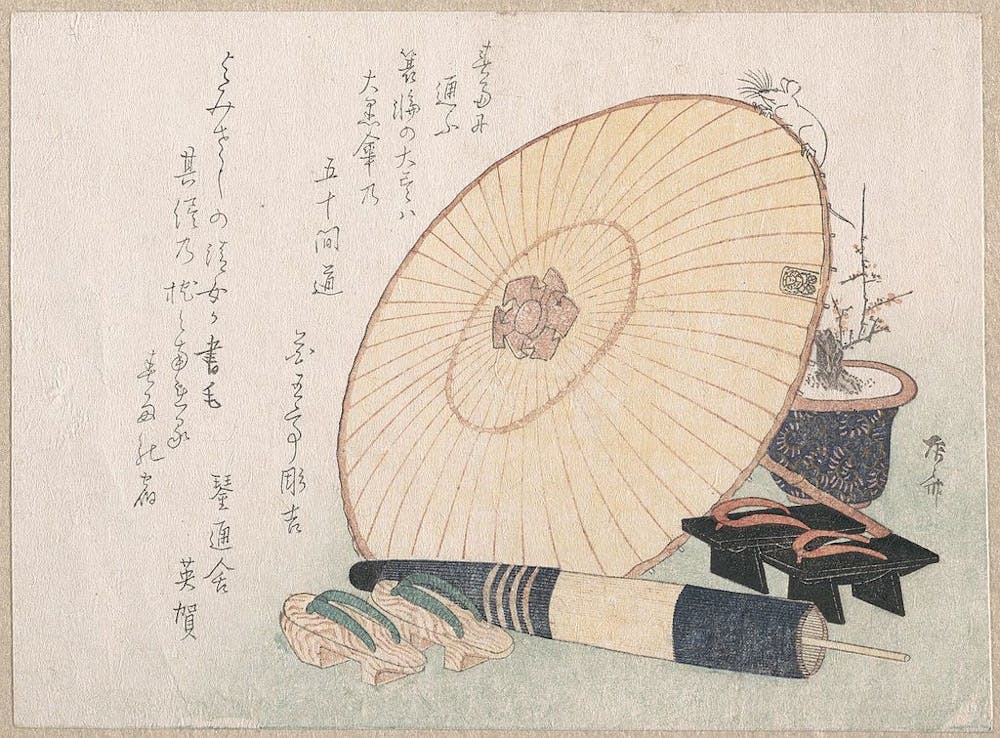
Antique Japanese artwork of umbrellas and traditional footwear.
Umbrellas and Geta by Ryūryūkyo Shinsai, circa 1816. Wikimedia Commons/Metropolitan Museum of Art

In the late 19th century, Japan started to export aspects of its culture to diverse corners of the world. An early example was the Hawaiian “slipper” or “slippah”, a thong-like version of the zori with roots in the footwear of Japanese plantation worker immigrants in the 1880s. The slipper rapidly became part of the Hawaiian sartorial code (as in Australia, the shoe suited the relaxed outlook and beach lifestyle).

The popularity of the shoe may have spread after US soldiers, stationed in the East Pacific during the second world war, brought back souvenirs — but that claim is contested.


AlsoRead...

Ryan: Building real freedom through e-commerce

Ryan: Building real freedom through e-commerce

27 November 2025
Design Australia Group: Redefining Drafting as the engine of housing growth

Design Australia Group: Redefining Drafting as the engine of housing growth

26 November 2025

During the 1940s the technology for mass-producing synthetic rubber was developed, and this undoubtedly increased dissemination and influence of the humble flip flop. However, it was not until around the same time Hawaii became the official 50th state of the USA in 1959 that thongs became a globally recognised symbol of leisure.

Downunderfoot

Despite the thongs’ strong identification with Australia, details of its exact arrival here are not easy to pin down.

From 1907 onwards, for example, advertisements described “Japanese sandals” with “flexible wooden” or jute soles, although the few illustrations that exist do not depict shoes with a thong fastening.

In 1924, Melbourne’s The Herald discussed criticism levelled at Melburnians for walking with a “flip-flop movement, bringing the back of the heel down too heavily on the ground, causing jarring to the body and fatigue”.

Heels were suggested as a remedy for women with this complaint. Nearly a century later, podiatrists still recommend avoiding thongs for long term wear. (These days, they’re not fans of heels either.)

Thongs were standard beachwear by the 60s. Australian Women’s Weekly

In 1946, department store David Jones promoted “Olympia”, a Greek-inspired thong sandal with additional ankle straps. But it was not until around 1957, when Kiwi businessmen Maurice Yock and John Cowie both claimed credit for what they termed the “jandal” — a portmanteau of “Japanese” and “sandal” — that Australia’s connection with the flip flop became more established and, at the same time, questioned.

In 1959, Dunlop in Australia imported 300,000 pairs of thongs from Japan. They started producing them internally in 1960.
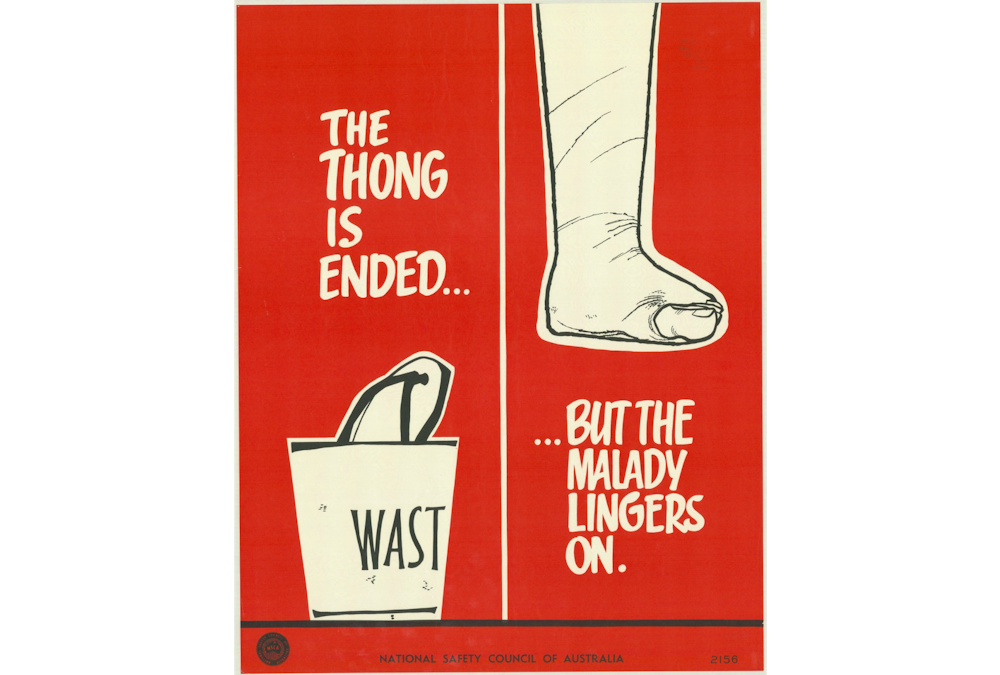
Thong in bin, foot in plaster cast.
A Safety Council of Australia poster consigning thongs to the bin. State Library of Victoria

Read more: Take a plunge into the memories of Australia’s favourite swimming pools


As Australia’s tourism boomed during the 1950s and 60s, so too did its sartorial image, with thongs taking centre stage as the footwear of choice for an egalitarian, laid-back society.

So widespread did they become, in fact, that by the mid 1960s bans were being sought by state governments to avoid frequent injuries at the workplace — especially construction sites.

In the name of professionalism, in 1978 the Queensland government decreed that schoolteachers not be permitted to wear thongs to work. This year, they have been banned for wear at Australia Day citizenship ceremonies — a decision reflecting a wish for greater “significance and formality” to be represented at official events.

But the rubbery love affair endured, perhaps shown most ardently when Kylie Minogue made her entrance as part of the Sydney 2000 Olympics atop a giant rubber thong carried by lifeguards.

Dressing up, dressing down

Thong-related concerns have not been limited to Australia.

In 2005 members of an American college women’s lacrosse team wore them to the White House to meet President Bush. There followed a furor over whether this brazen act was disrespectful, a distraction from the women’s achievements or signalled a casual shift in attitudes to leaders (and fashion) in the years after the Clinton sex scandals.
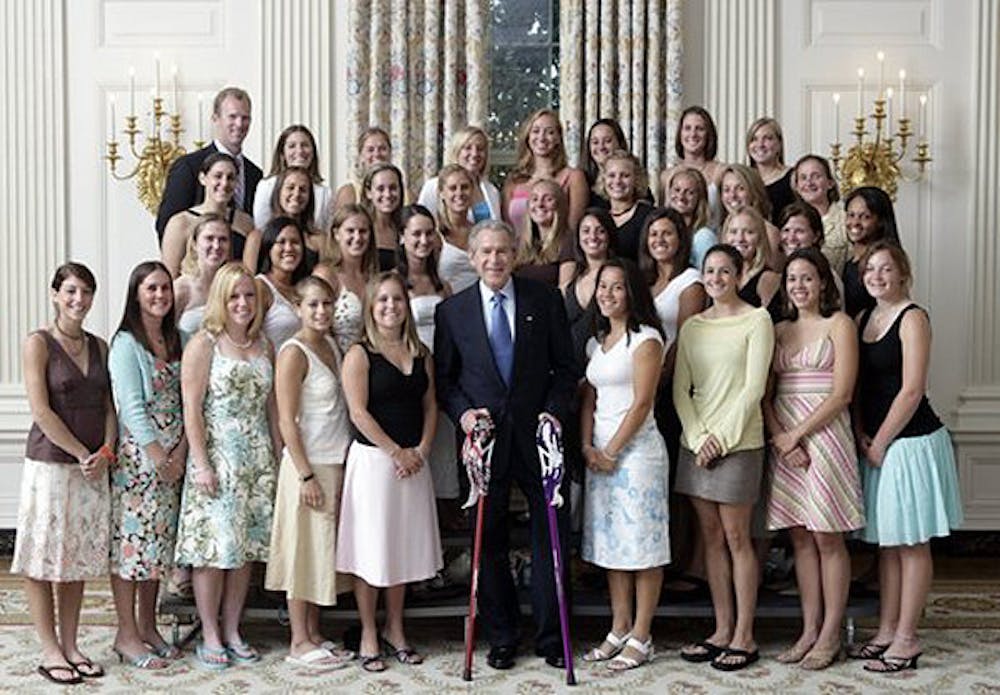
Group of young women meet the US President Bush, some are wearing thongs with formal dresses.
The Northwestern University lacrosse team (and their flip flops) go to Washington. Wikimedia Commons

Since the late 1990s it has been possible to buy more formal heeled versions. Although these were widely mocked as expensive aberrations of the style, they looked to making a Kardashian-led comeback in recent times.

Branded versions are also available, with couturiers like Hermès selling a very unassuming flip flop for a cool A$600.

There is a poignant irony in the fact that thongs are the most popular kind of shoe in developing countries, precisely because of their cheap manufacture (often made from recycled rubber tyres) and consequently, very low purchase cost.

This practice of appropriating “ordinary” or “working class” clothing — transitioning it from the practical to the fashionable — is nothing new. We’ve seen it with singlets and boilersuits. Clogs are another footwear example.
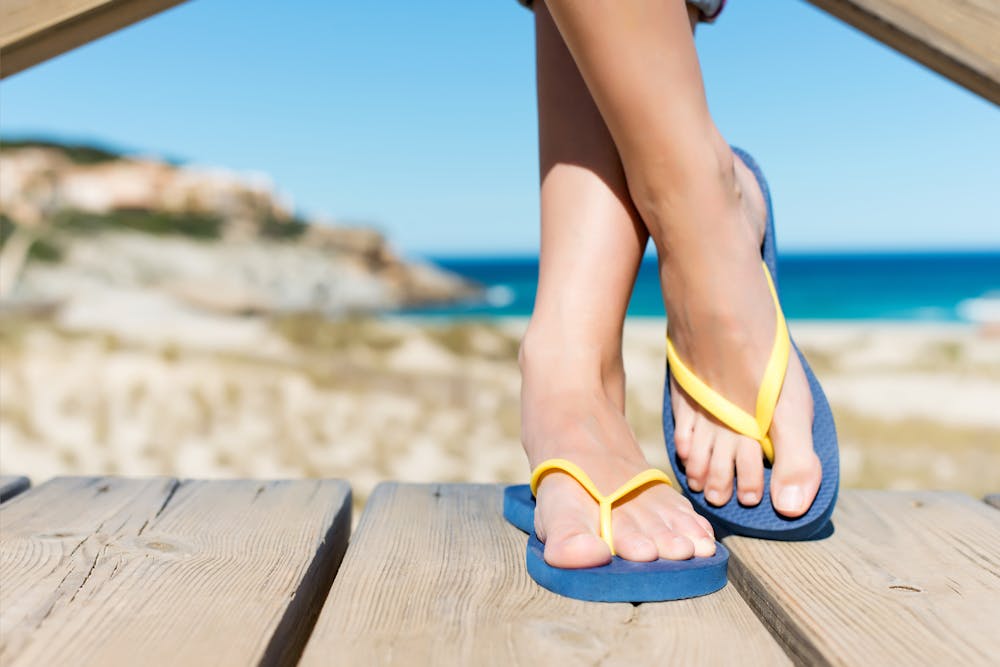
Thongs worn on a seaside pier.
Australians take their thongs seriously. You can tell because they don’t call them ‘thozzas’. Shutterstock

Rather than a form of fashion whimsy, Australians take their thongs seriously. Even the naming of them — after the structural make-up of the shoe’s fastening rather than the onomatopoeic “flip flop” used by other countries — flies in the face of the Australian preference for shortened diminutives and nicknames.

That shows true commitment, but also that thongs are not really so dinky-di, after all.


Lydia Edwards, Fashion historian, Edith Cowan University

This article is republished from The Conversation under a Creative Commons license. Read the original article.


Tags: SB001
DMCA.com Protection Status

SUBSCRIBE to our NEWSLETTER

[mc4wp_form id=”2384248″]

Don't Miss

The evolution of Aesthetic Surgery through the lens of Dr Kourosh Tavakoli

by Pauline Torongo
4 December 2025
The evolution of Aesthetic Surgery through the lens of Dr. Kourosh Tavakoli
Health & Wellness

As global interest in Australian cosmetic surgery continues to grow, the combination of regulation, research and emerging digital tools is...

Read moreDetails

Ryan: Building real freedom through e-commerce

by Pauline Torongo
27 November 2025
Ryan: Building real freedom through e-commerce
Business & Finance

Ryan’s greatest achievement isn’t any single business or revenue milestone — it’s the ecosystem he’s built through the Change community.

Read moreDetails

Design Australia Group: Redefining Drafting as the engine of housing growth

by Pauline Torongo
26 November 2025
Design Australia Group: Redefining Drafting as the engine of housing growth
Business & Finance

Australia is under pressure to build homes faster, but design bottlenecks slow progress. Design Australia Group is fixing this by...

Read moreDetails

Louis Guy Detata builds Global Trading Empires through autonomous systems and disciplined leadership

by Pauline Torongo
25 November 2025
Louis Guy Detata builds Global Trading Empires through autonomous systems and disciplined leadership
Business & Finance

The path from investment banking to leading a global trading platform has taught Louis Detata that sustainable success requires more...

Read moreDetails

Burning Eucalyptus Wood: Tips, Advantages, Disadvantages & Alternatives

by Fazila Olla-Logday
20 November 2025
Image Supplied
Enviroment

Learn about burning eucalyptus wood for stoves and fireplaces. Discover benefits, drawbacks, harvesting tips, and better alternative firewood options for...

Read moreDetails

Everything Parents Need to Know About Baby Soft Play and Why It’s a Game Changer

by Fazila Olla-Logday
11 November 2025
Everything Parents Need to Know About Baby Soft Play
Health & Wellness

Baby soft play is a fun, safe, and educational way for little ones to explore and grow. Discover the benefits...

Read moreDetails

WOMAD Sets Up a New Camp in Wiltshire – Australian festival fans take note!

by Kris Griffiths
11 November 2025
Kumbia Boruka brought their reggae and dancehall flavour to the Taste the World Stage at WOMAD 2024 - Credit - Mike Massaro
Entertainment

With its 2026 edition moving to Neston Park in England, WOMAD offers Aussie music lovers a chance to reconnect with global...

Read moreDetails
Load More

Copyright © Blue Sky Publications Ltd. All Rights Reserved.
australiantimes.co.uk is a division of Blue Sky Publications Ltd. Reproduction without permission prohibited. DMCA.com Protection Status

  • About us
  • Write for Us
  • Advertise
  • Contact us
  • T&Cs, Privacy and GDPR
No Result
View All Result
  • News
    • Weather
    • Sport
    • Technology
    • Business & Finance
      • Currency Zone
    • Lotto Results
      • The Lott
  • Lifestyle
    • Entertainment
    • Horoscopes
    • Health & Wellness
    • Recipes
  • Travel
  • Expat Life
  • Move to Australia

Copyright © Blue Sky Publications Ltd. All Rights Reserved.
australiantimes.co.uk is a division of Blue Sky Publications Ltd. Reproduction without permission prohibited. DMCA.com Protection Status

No Result
View All Result
  • News
    • Weather
    • Sport
    • Technology
    • Business & Finance
      • Currency Zone
    • Lotto Results
      • The Lott
  • Lifestyle
    • Entertainment
    • Horoscopes
    • Health & Wellness
    • Recipes
  • Travel
  • Expat Life
  • Move to Australia

Copyright © Blue Sky Publications Ltd. All Rights Reserved.
australiantimes.co.uk is a division of Blue Sky Publications Ltd. Reproduction without permission prohibited. DMCA.com Protection Status