


• Advertise
  • About us
  • Terms and Conditions
  • Contact us
Friday, February 6, 2026
Australian Times News
  • News
    • Weather
    • Sport
    • Technology
    • Business & Finance
      • Currency Zone
    • Lotto Results
      • The Lott
  • Lifestyle
    • Entertainment
    • Horoscopes
    • Health & Wellness
    • Recipes
  • Travel
  • Expat Life
  • Move to Australia
No Result
View All Result
  • News
    • Weather
    • Sport
    • Technology
    • Business & Finance
      • Currency Zone
    • Lotto Results
      • The Lott
  • Lifestyle
    • Entertainment
    • Horoscopes
    • Health & Wellness
    • Recipes
  • Travel
  • Expat Life
  • Move to Australia
No Result
View All Result
Australian Times News
No Result
View All Result
Home News

Fewer people attended hospital with stroke during the pandemic – but why?

The reasons for a reduction in milder strokes presenting at hospital aren’t clear. In parallel to the pandemic, the UK’s quarantine and lockdown measures influenced lifestyle factors, environmental factors and attitudes towards seeking healthcare, all of which could be associated with reducing stroke activity.


The Conversation by The Conversation
27-09-2020 06:07
in News
Fewer people attended hospital with stroke

Fewer people attended hospital with stroke Photo by National Cancer Institute on Unsplash

Matthew Gittins, University of Manchester; Christopher Ashton, Manchester Metropolitan University, and Craig Smith, University of Manchester

In the event of a stroke, the well-known mantra is “time is brain”. Even small delays in identifying symptoms and seeking specialist care can be detrimental to a patient’s recovery and long-term quality of life. This is the case even for relatively mild strokes.

So it’s alarming that hospitals in the UK – and worldwide – saw the number of people attending with suspected stroke fall during the pandemic. Although it’s possible that fewer people were having strokes during the outbreak, the concern is that people with a stroke were not using hospital services when in need.

In response to this, our work investigated changing stroke attendance between January and May 2020 in Greater Manchester, and the possible reasons behind this.

Hospital visits significantly down

The Greater Manchester and Eastern Cheshire region contains three hyperacute stroke units. Together, they admit approximately 4.5% of all confirmed strokes in England, Wales and Northern Ireland.

During March 2020, we observed a 16% drop in the number of people admitted with stroke and a 21% drop in people coming to hospital following transient ischaemic attacks (TIAs) – also known as “mini-strokes”. Overall, fewer people were arriving with less severe strokes, whereas attendance with moderate to very severe stroke remained consistent.

The reasons for a reduction in milder strokes presenting at hospital aren’t clear. In parallel to the pandemic, the UK’s quarantine and lockdown measures influenced lifestyle factors, environmental factors and attitudes towards seeking healthcare, all of which could be associated with reducing stroke activity.

AlsoRead...

Brandon Willington: The Marketing Entrepreneur turning heads across Australia

Brandon Willington: The Marketing Entrepreneur Turning Heads Across Australia

8 January 2026
How Turnkey Building Group Is Restoring Trust In An Industry Known For Customer Disappointment

How Turnkey Building Group Is Restoring Trust In An Industry Known For Customer Disappointment

17 December 2025

Clean air and clean living

Reduced numbers of patients presenting to hospital could simply be due to fewer strokes and TIAs occurring in the population. Lifestyle factors such as diet and exercise habits are associated with stroke risk – and anecdotal evidence suggested both positive and negative lifestyle changes occurred during the spring. Sales of exercise equipment and alcohol at supermarkets both increased.

But it’s difficult to determine if these increases translated to a relative change at the individual level. Was there an increase in alcohol consumed, or did supermarket sales simply replace alcohol sales in bars and restaurants? And did people use their new exercise equipment? Regardless, it’s thought unlikely that such changes would have had such an immediate influence on stroke risk.
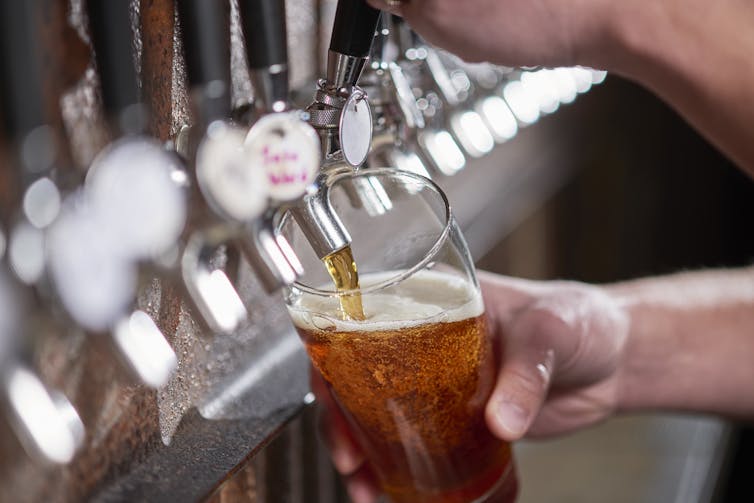
A person pouring a pint of beer at a bar
Despite shops selling more alcohol, overall beer sales were down this spring, suggesting people drink differently at home. Shane Lopes/Shutterstock

Environmental factors could also have had an influence. Air pollution and ambient air temperature have previously been associated with increased immediate risk of stroke. Levels of nitrogen dioxide, one of the primary traffic-related emissions, were estimated to have fallen during lockdown. However, in our study, adjusting for changes in nitrogen dioxide and air temperature didn’t appear to account for the change in stroke activity.

Were fewer people seeking help?

The alternative is that strokes and TIAs were occurring at the same rate in the population, but fewer people went to hospital. This seems the more likely reason for the change in recorded strokes, though we can’t be sure.

Patients having had a TIA or who have mild stroke symptoms may see improvement within 24 hours, which may encourage them to delay seeking help. Such patients often seek advice from a GP, family or friends before reaching out for further medical assistance.

But under social distancing, self-isolation and shielding, identifying symptoms and seeking advice may have been difficult, especially if GPs were also under restrictions. The fear of getting infected or diverting resources away from more urgent needs may also have made people reluctant to seek medical care, particularly for milder or transient strokes.

China also reported a reduction in stroke activity during the pandemic, and one study has shown that some Chinese patients delayed presenting to hospital with stroke symptoms. We shouldn’t jump to conclusions, but this suggests it’s possible that stroke victims in the UK avoided hospitals when the pandemic was at its worst. Equally, we can’t yet rule out other factors influencing China’s lower rate of stroke admissions either.

But while it is plausible that stroke patients were missed during the early months of the pandemic, it’s going to be very difficult to prove this. The true population-level incidence of stroke is difficult to estimate at the best of times, and this year’s estimates will probably be more unreliable than usual (national stroke reporting was disrupted) and may be confounded by COVID-19 itself.

Stroke activity within the UK healthcare system now appears to be returning to normal. But with social restrictions now again being imposed it’s important to reiterate the Act-FAST (Face, Arms, Speech, Time) message for identifying symptoms and seeking help. A stroke, regardless of how mild it may appear, is a medical emergency. Early identification and accessing appropriate care can make all the difference.

Matthew Gittins, Lecturer in Biostatistics, University of Manchester; Christopher Ashton, Associate Visiting Lecturer, Manchester Metropolitan University, and Craig Smith, Professor of Stroke Medicine, University of Manchester

This article is republished from The Conversation under a Creative Commons license. Read the original article.


Tags: SB001
DMCA.com Protection Status

SUBSCRIBE to our NEWSLETTER

[mc4wp_form id=”2384248″]

Don't Miss

Lyca Mobile Australia’s Customer-First Overhaul Pays Off with Finder Award Win

by Fazila Olla-Logday
2 February 2026
Lyca Mobile Australia's Customer-First Overhaul Pays Off with Finder Award Win
Technology

Lyca Mobile Australia’s customer-first overhaul has earned a Finder Award, recognising its improved value, service, and stronger focus on Australian...

Read moreDetails

From Driveway to Dream Court: The Rise of High-Performance Hoops at Home in 2026

by Fazila Olla-Logday
20 January 2026
The Rise of High-Performance Hoops at Home in 2026
Sport

High-performance home basketball hoops are gaining momentum in 2026, as more homeowners invest in durable, professional-grade systems that combine advanced...

Read moreDetails

Brandon Willington: The Marketing Entrepreneur Turning Heads Across Australia

by Pauline Torongo
8 January 2026
Brandon Willington: The Marketing Entrepreneur turning heads across Australia
Business & Finance

Brandon Willington, founder of “Where U?” is changing the narrative for Australian businesses tired of inconsistent leads and empty promises.

Read moreDetails

How Turnkey Building Group Is Restoring Trust In An Industry Known For Customer Disappointment

by Fazila Olla-Logday
17 December 2025
How Turnkey Building Group Is Restoring Trust In An Industry Known For Customer Disappointment
Business & Finance

Turnkey Building Group is changing the narrative in an industry often associated with missed deadlines and broken promises. By prioritizing...

Read moreDetails

Risk Awareness for International Travellers – What Australians Should Know Before Entering Multi-State Regions

by Fazila Olla-Logday
10 December 2025
Schengen
Travel

This guide helps Australian travellers understand cross-border requirements, assess political and environmental risks, manage health and safety considerations, and prepare...

Read moreDetails

The evolution of Aesthetic Surgery through the lens of Dr Kourosh Tavakoli

by Pauline Torongo
4 December 2025
The evolution of Aesthetic Surgery through the lens of Dr. Kourosh Tavakoli
Health & Wellness

As global interest in Australian cosmetic surgery continues to grow, the combination of regulation, research and emerging digital tools is...

Read moreDetails

Ryan: Building real freedom through e-commerce

by Pauline Torongo
27 November 2025
Ryan: Building real freedom through e-commerce
Business & Finance

Ryan’s greatest achievement isn’t any single business or revenue milestone — it’s the ecosystem he’s built through the Change community.

Read moreDetails
Load More

Copyright © Blue Sky Publications Ltd. All Rights Reserved.
australiantimes.co.uk is a division of Blue Sky Publications Ltd. Reproduction without permission prohibited. DMCA.com Protection Status

  • About us
  • Write for Us
  • Advertise
  • Contact us
  • T&Cs, Privacy and GDPR
No Result
View All Result
  • News
    • Weather
    • Sport
    • Technology
    • Business & Finance
      • Currency Zone
    • Lotto Results
      • The Lott
  • Lifestyle
    • Entertainment
    • Horoscopes
    • Health & Wellness
    • Recipes
  • Travel
  • Expat Life
  • Move to Australia

Copyright © Blue Sky Publications Ltd. All Rights Reserved.
australiantimes.co.uk is a division of Blue Sky Publications Ltd. Reproduction without permission prohibited. DMCA.com Protection Status

No Result
View All Result
  • News
    • Weather
    • Sport
    • Technology
    • Business & Finance
      • Currency Zone
    • Lotto Results
      • The Lott
  • Lifestyle
    • Entertainment
    • Horoscopes
    • Health & Wellness
    • Recipes
  • Travel
  • Expat Life
  • Move to Australia

Copyright © Blue Sky Publications Ltd. All Rights Reserved.
australiantimes.co.uk is a division of Blue Sky Publications Ltd. Reproduction without permission prohibited. DMCA.com Protection Status





