• Advertise
  • About us
  • Terms and Conditions
  • Contact us
Saturday, December 6, 2025
Australian Times News
  • News
    • Weather
    • Sport
    • Technology
    • Business & Finance
      • Currency Zone
    • Lotto Results
      • The Lott
  • Lifestyle
    • Entertainment
    • Horoscopes
    • Health & Wellness
    • Recipes
  • Travel
  • Expat Life
  • Move to Australia
No Result
View All Result
  • News
    • Weather
    • Sport
    • Technology
    • Business & Finance
      • Currency Zone
    • Lotto Results
      • The Lott
  • Lifestyle
    • Entertainment
    • Horoscopes
    • Health & Wellness
    • Recipes
  • Travel
  • Expat Life
  • Move to Australia
No Result
View All Result
Australian Times News
No Result
View All Result
Home News

Facebook data breach: what happened and why it’s hard to know if your data was leaked

More than 500 million Facebook users’ details were published online on an underground website used by cyber criminals.

The Conversation by The Conversation
07-04-2021 06:07
in News
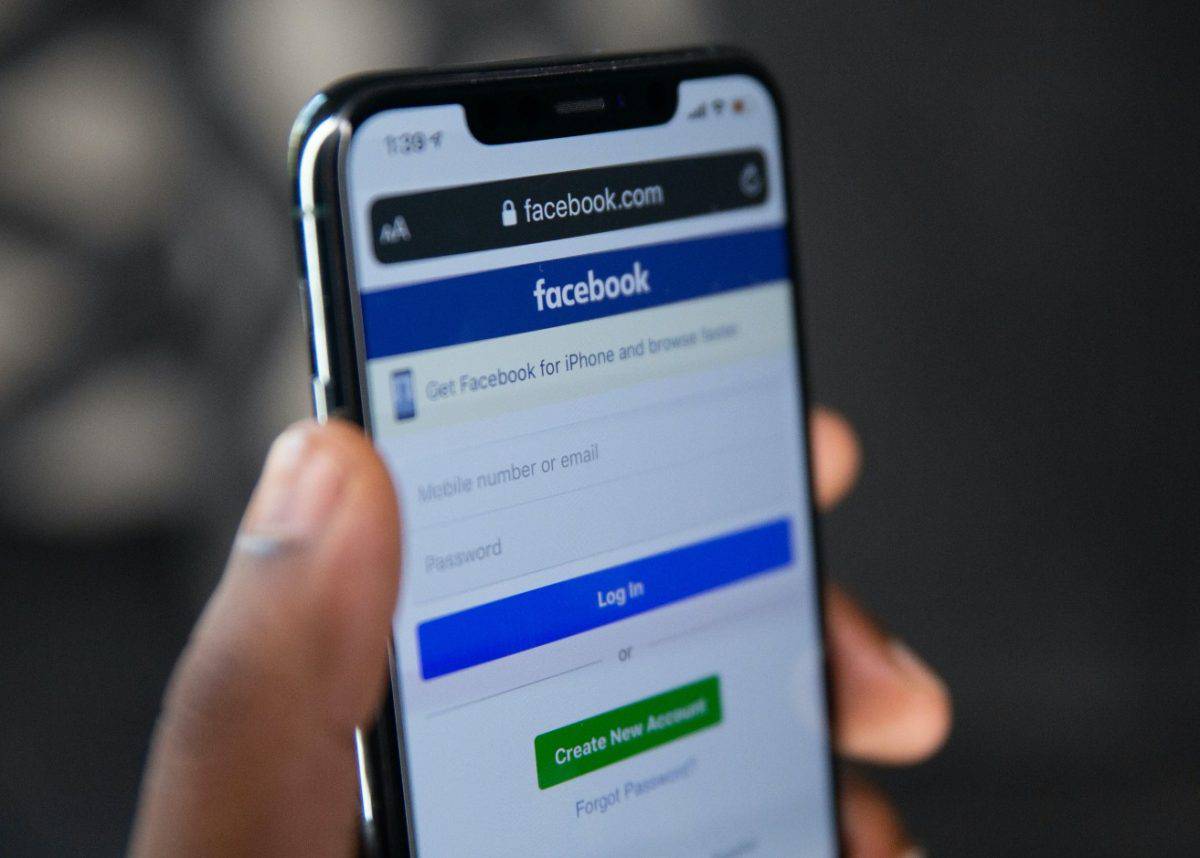
Photo by Solen Feyissa on Unsplash

Photo by Solen Feyissa on Unsplash

Paul Haskell-Dowland, Edith Cowan University

Over the long weekend reports emerged of an alleged data breach, impacting half a billion Facebook users from 106 countries.

And while this figure is staggering, there’s more to the story than 533 million sets of data. This breach once again highlights how many of the systems we use aren’t designed to adequately protect our information from cyber criminals.

Nor is it always straightforward to figure out whether your data have been compromised in a breach or not.

What happened?

More than 500 million Facebook users’ details were published online on an underground website used by cyber criminals.

It quickly became clear this was not a new data breach, but an older one which had come back to haunt Facebook and the millions of users whose data are now available to purchase online.

The data breach is believed to relate to a vulnerability which Facebook reportedly fixed in August of 2019. While the exact source of the data can’t be verified, it was likely acquired through the misuse of legitimate functions in the Facebook systems.


AlsoRead...

Ryan: Building real freedom through e-commerce

Ryan: Building real freedom through e-commerce

27 November 2025
Design Australia Group: Redefining Drafting as the engine of housing growth

Design Australia Group: Redefining Drafting as the engine of housing growth

26 November 2025

Such misuses can occur when a seemingly innocent feature of a website is used for an unexpected purpose by attackers, as was the case with a PayID attack in 2019.

Chief technology officer of cybercrime intelligence firm Hudson Rock, Alon Gal, discovered the leaked database, posting screenshots on Twitter. Twitter

In the case of Facebook, criminals can mine Facebook’s systems for users’ personal information by using techniques which automate the process of harvesting data.

This may sound familiar. In 2018 Facebook was reeling from the Cambridge Analytica scandal. This too was not a hacking incident, but a misuse of a perfectly legitimate function of the Facebook platform.

While the data were initially obtained legitimately — as least, as far as Facebook’s rules were concerned — it was then passed on to a third party without the appropriate consent from users.


Were you targeted?

There’s no easy way to determine if your details were breached in the recent leak. If the website concerned is acting in your best interest, you should at least receive a notification. But this isn’t guaranteed.

Even a tech-savvy user would be limited to hunting for the leaked data themselves on underground websites.

The data being sold online contain plenty of key information. According to haveibeenpwned.com, most of the records include names and genders, with many also including dates of birth, location, relationship status and employer.

Although, it has been reported only a small proportion of the stolen data contained a valid email address (about 2.5 million records).

This is important since a user’s data are less valuable without the corresponding email address. It’s the combination of date of birth, name, phone number and email which provides a useful starting point for identity theft and exploitation.

If you’re not sure why these details would be valuable to a criminal, think about how you confirm your identity over the phone with your bank, or how you last reset a password on a website.

Haveibeenpwned.com creator and web security expert Troy Hunt has said a secondary use for the data could be to enhance phishing and SMS-based spam attacks.

How to protect yourself

Given the nature of the leak, there is very little Facebook users could have done proactively to protect themselves from this breach. As the attack targeted Facebook’s systems, the responsibility for securing the data lies entirely with Facebook.

On an individual level, while you can opt to withdraw from the platform, for many this isn’t a simple option. That said, there are certain changes you can make to your social media behaviours to help reduce your risk from data breaches.

1) Ask yourself if you need to share all your information with Facebook

There are some bits of information we inevitably have to forfeit in exchange for using Facebook, including mobile numbers for new accounts (as a security measure, ironically). But there are plenty of details you can withhold to retain a modicum of control over your data.

2) Think about what you share

Apart from the leak being reported, there are plenty of other ways to harvest user data from Facebook. If you use a fake birth date on your account, you should also avoid posting birthday party photos on the real day. Even our seemingly innocent photos can reveal sensitive information.

3) Avoid using Facebook to sign in to other websites

Although the “sign-in with Facebook” feature is potentially time-saving (and reduces the number of accounts you have to maintain), it also increases potential risk to you — especially if the site you’re signing into isn’t a trusted one. If your Facebook account is compromised, the attacker will have automatic access to all the linked websites.

4) Use unique passwords

Always use a different password for each online account, even if it is a pain. Installing a password manager will help with this (and this is how I have more than 400 different passwords). While it won’t stop your data from ever being stolen, if your password for a site is leaked it will only work for that one site.

If you really want a scare, you can always download a copy of all the data Facebook has on you. This is useful if you’re considering leaving the platform and want a copy of your data before closing your account.


Paul Haskell-Dowland, Associate Dean (Computing and Security), Edith Cowan University

This article is republished from The Conversation under a Creative Commons license. Read the original article.


Tags: SB001
DMCA.com Protection Status

SUBSCRIBE to our NEWSLETTER

[mc4wp_form id=”2384248″]

Don't Miss

The evolution of Aesthetic Surgery through the lens of Dr Kourosh Tavakoli

by Pauline Torongo
4 December 2025
The evolution of Aesthetic Surgery through the lens of Dr. Kourosh Tavakoli
Health & Wellness

As global interest in Australian cosmetic surgery continues to grow, the combination of regulation, research and emerging digital tools is...

Read moreDetails

Ryan: Building real freedom through e-commerce

by Pauline Torongo
27 November 2025
Ryan: Building real freedom through e-commerce
Business & Finance

Ryan’s greatest achievement isn’t any single business or revenue milestone — it’s the ecosystem he’s built through the Change community.

Read moreDetails

Design Australia Group: Redefining Drafting as the engine of housing growth

by Pauline Torongo
26 November 2025
Design Australia Group: Redefining Drafting as the engine of housing growth
Business & Finance

Australia is under pressure to build homes faster, but design bottlenecks slow progress. Design Australia Group is fixing this by...

Read moreDetails

Louis Guy Detata builds Global Trading Empires through autonomous systems and disciplined leadership

by Pauline Torongo
25 November 2025
Louis Guy Detata builds Global Trading Empires through autonomous systems and disciplined leadership
Business & Finance

The path from investment banking to leading a global trading platform has taught Louis Detata that sustainable success requires more...

Read moreDetails

Burning Eucalyptus Wood: Tips, Advantages, Disadvantages & Alternatives

by Fazila Olla-Logday
20 November 2025
Image Supplied
Enviroment

Learn about burning eucalyptus wood for stoves and fireplaces. Discover benefits, drawbacks, harvesting tips, and better alternative firewood options for...

Read moreDetails

Everything Parents Need to Know About Baby Soft Play and Why It’s a Game Changer

by Fazila Olla-Logday
11 November 2025
Everything Parents Need to Know About Baby Soft Play
Health & Wellness

Baby soft play is a fun, safe, and educational way for little ones to explore and grow. Discover the benefits...

Read moreDetails

WOMAD Sets Up a New Camp in Wiltshire – Australian festival fans take note!

by Kris Griffiths
11 November 2025
Kumbia Boruka brought their reggae and dancehall flavour to the Taste the World Stage at WOMAD 2024 - Credit - Mike Massaro
Entertainment

With its 2026 edition moving to Neston Park in England, WOMAD offers Aussie music lovers a chance to reconnect with global...

Read moreDetails
Load More

Copyright © Blue Sky Publications Ltd. All Rights Reserved.
australiantimes.co.uk is a division of Blue Sky Publications Ltd. Reproduction without permission prohibited. DMCA.com Protection Status

  • About us
  • Write for Us
  • Advertise
  • Contact us
  • T&Cs, Privacy and GDPR
No Result
View All Result
  • News
    • Weather
    • Sport
    • Technology
    • Business & Finance
      • Currency Zone
    • Lotto Results
      • The Lott
  • Lifestyle
    • Entertainment
    • Horoscopes
    • Health & Wellness
    • Recipes
  • Travel
  • Expat Life
  • Move to Australia

Copyright © Blue Sky Publications Ltd. All Rights Reserved.
australiantimes.co.uk is a division of Blue Sky Publications Ltd. Reproduction without permission prohibited. DMCA.com Protection Status

No Result
View All Result
  • News
    • Weather
    • Sport
    • Technology
    • Business & Finance
      • Currency Zone
    • Lotto Results
      • The Lott
  • Lifestyle
    • Entertainment
    • Horoscopes
    • Health & Wellness
    • Recipes
  • Travel
  • Expat Life
  • Move to Australia

Copyright © Blue Sky Publications Ltd. All Rights Reserved.
australiantimes.co.uk is a division of Blue Sky Publications Ltd. Reproduction without permission prohibited. DMCA.com Protection Status