


Pat Taggart, UNSW and Brian Cooke, University of Canberra
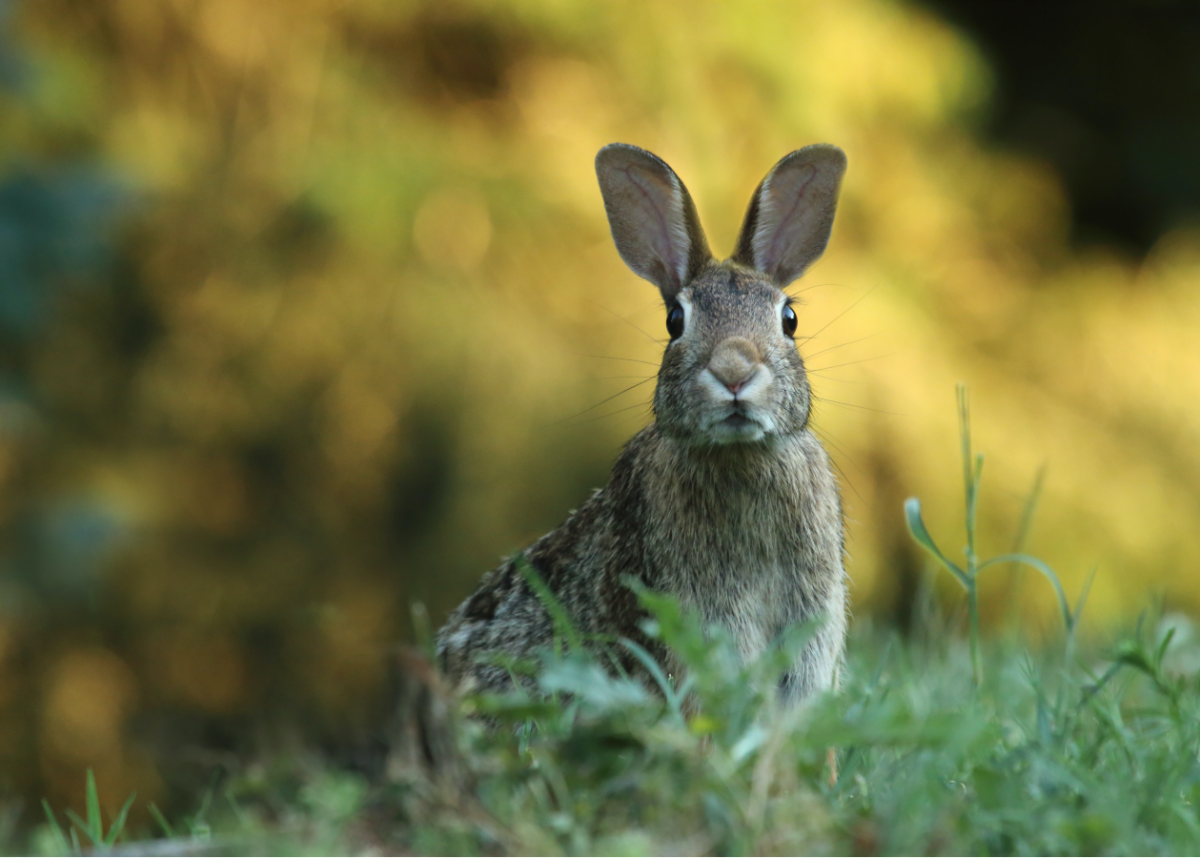
In inland Australia, rabbits have taken a severe toll on native wildlife since they were introduced in 1859. They may be small, but today rabbits are a key threat to 322 species of Australia’s at-risk plants and animals — more than twice the number of species threatened by cats or foxes.
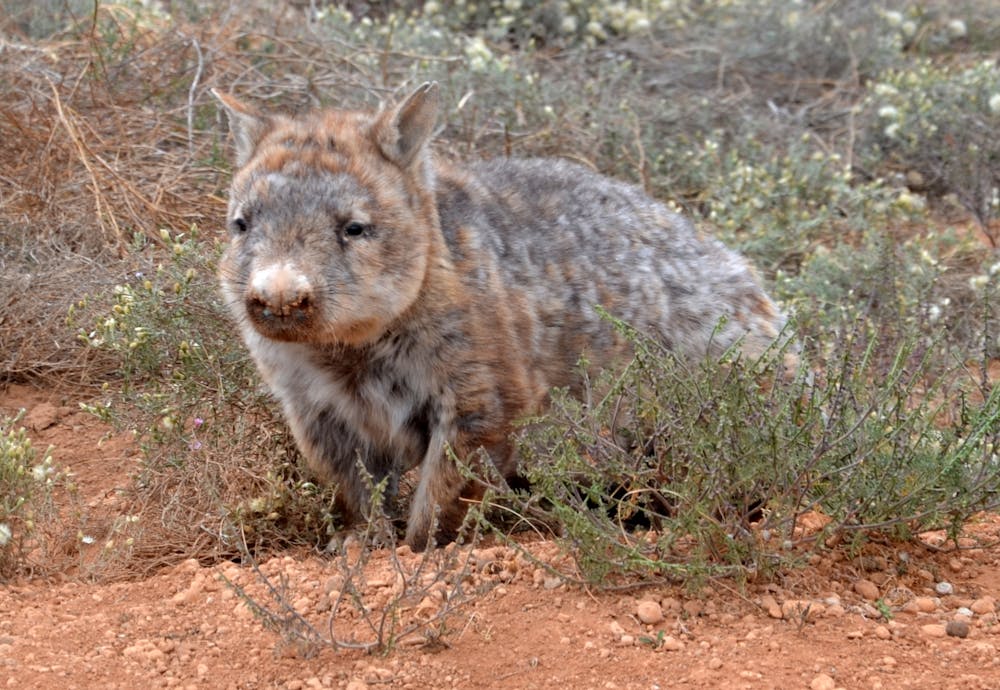
For example, research shows even just one rabbit in two hectares of land can solely destroy every regenerating sheoak seedling. Rabbits are also responsible for the historic declines of the iconic southern hairy-nosed wombat and red kangaroo.
Our latest research looked at the conservation benefits following the introduction of three separate biocontrols used to manage rabbits in Australia over the 20th Century — all three were stunningly successful and resulted in enormous benefits to conservation.
But today, rabbits are commonly ignored or underestimated, and aren’t given appropriate attention in conservation compared to introduced predators like cats and foxes. This needs to change.
Why rabbits are such a serious problem
Simply put, rabbits are a major problem for Australian ecosystems because they destroy huge numbers of critical regenerating seedlings over more than half the continent.
Rabbits can prevent the long-term regeneration of trees and shrubs by continually eating young seedlings. This keeps ecosystems from ever reaching their natural, pre-rabbit forms. This has immense flow-on effects for the availability of food for plant-eating animals, for insect abundance, shelter and predation.


In some ecosystems, rabbits have prevented the regeneration of plant communities for 130 years, resulting in shrub populations of only old, scattered individuals. These prolonged impacts may undermine the long-term success of conservation programs to reintroduce mammals to the wild.
Things are particularly dire in arid Australia where, in drought years, rabbits can eat a high proportion of the vegetation that grows, leaving little food for native animals. Arid vegetation is slow growing and doesn’t regenerate often as rainfall is infrequent. This means rabbits can have a severe toll on wildlife by swiftly eating young trees and shrubs soon after they emerge from the ground.
Rabbits eat a high proportion of regenerating vegetation even when their population is at nearly undetectable levels. For example, it took the complete eradication of rabbits from the semi-arid TGB Osborn reserve in South Australia, before most tree and shrub species could regenerate.
Rabbits also spread weeds, cause soil erosion and reduce the ability of soil to absorb moisture and support vegetation growth.
If you control prey, you control predators
When restoring ecosystems, particularly in arid Australia, it’s common for land managers to heavily focus on managing predators such as cats and foxes, while ignoring rabbits. While predator management is important, neglecting rabbit control may mean Australia’s unique fauna is still destined to decline.
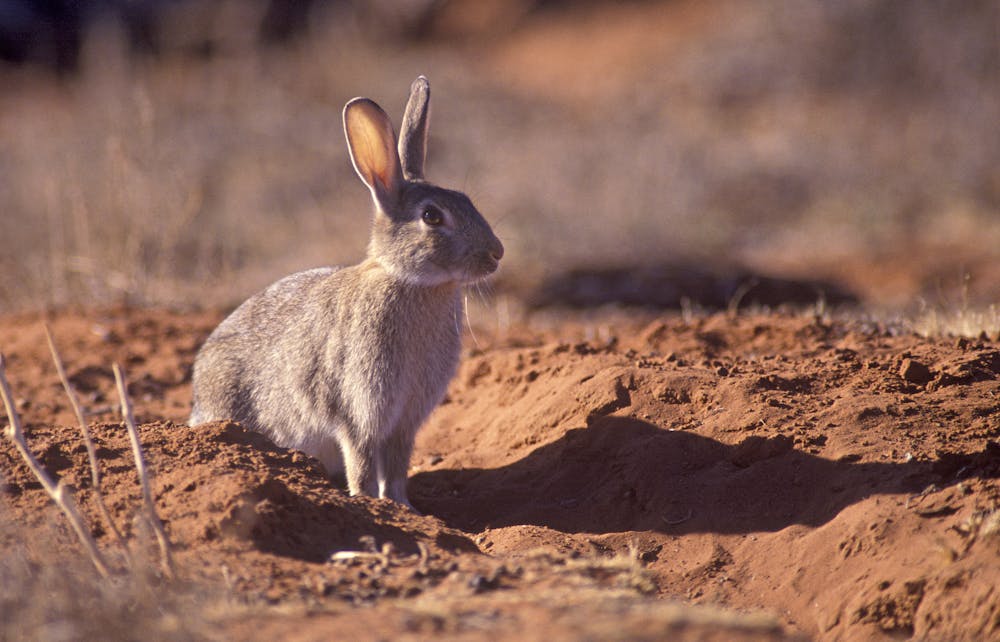
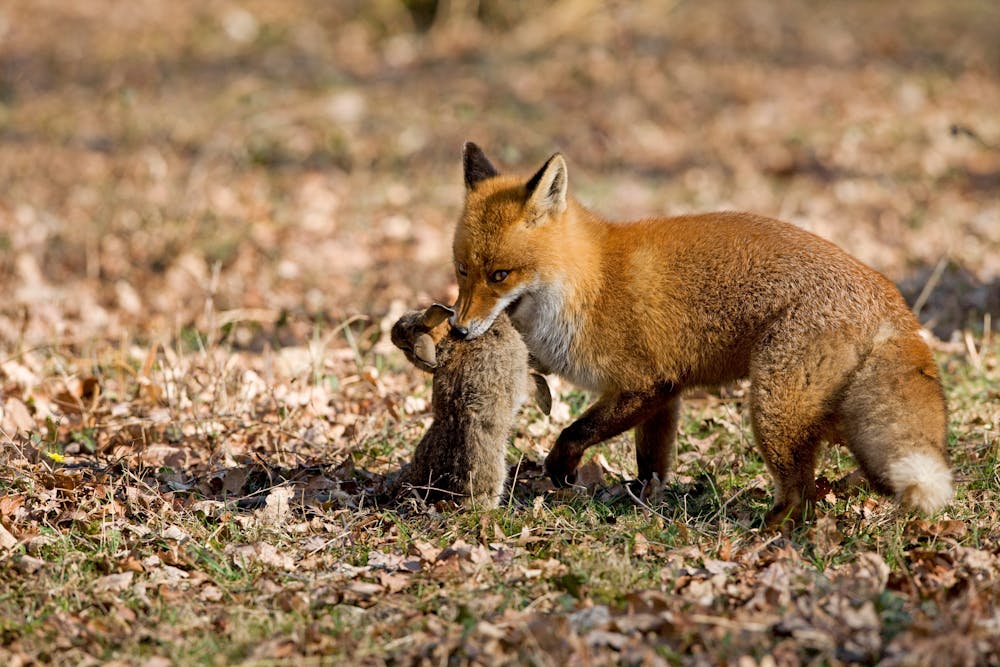
Cats and foxes eat a lot of rabbits in arid Australia and can limit their populations when rabbit numbers are low. A common argument against rabbit control is that cats and foxes will turn to eating native species in the absence of rabbits. But this argument is unfounded.
Cats and foxes may turn from rabbits to native species in the immediate short-term. But, research has also shown fewer rabbits ultimately lead to declines in cat and fox numbers, as the cats and foxes are starved of their major food source.
Regrowth could be seen from space
An effective way to deal with rabbits is to release biocontrol agents – natural enemies of rabbits, such as viruses or parasites. Our research reviewed the effects of rolling out three different biocontrols last century:
- myxomatosis (an infectious rabbit disease), released in 1950
- European rabbit fleas (as a vector of myxomatosis), released in 1968
- rabbit haemorrhagic disease, released in 1995.
Each lead to unprecedented reductions in the number of rabbits across Australia.
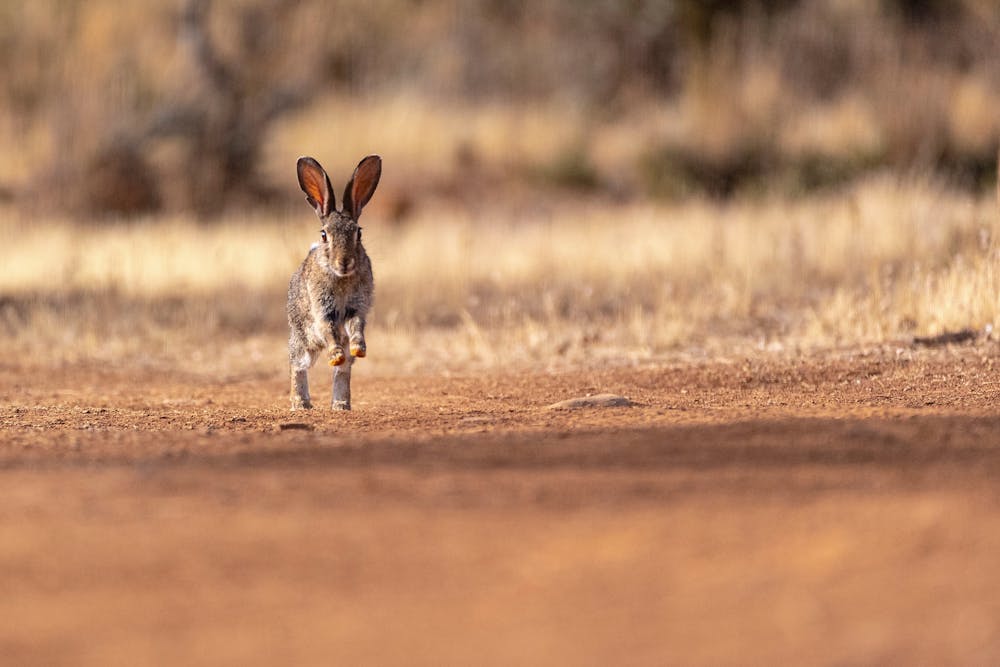
Despite the minor interest in conservation at the time, the spread of myxomatosis led to widespread regeneration in sheoaks for over five years, before rabbit numbers built back up. Red kangaroo populations increased so much that landholders were suddenly “involved in a shooting war with hordes of kangaroos invading their properties”, according to a newspaper report at the time.
Following the introduction of the European rabbit flea, native grasses became prolific along the Mount Lofty Ranges, South Australia. Similarly, southern hairy-nosed wombats and swamp wallabies expanded their ranges.
By the time rabbit haemorrhagic disease was introduced in 1995, interest in conservation and the environment had grown and conservation benefits were better recorded.
Native vegetation regenerated over enormous spans of land, including native pine, needle bush, umbrella wattle, witchetty bush and twin-leaved emu bush. This regeneration was so significant across large parts of the Simpson and Strzelecki Deserts, it could be seen from space.
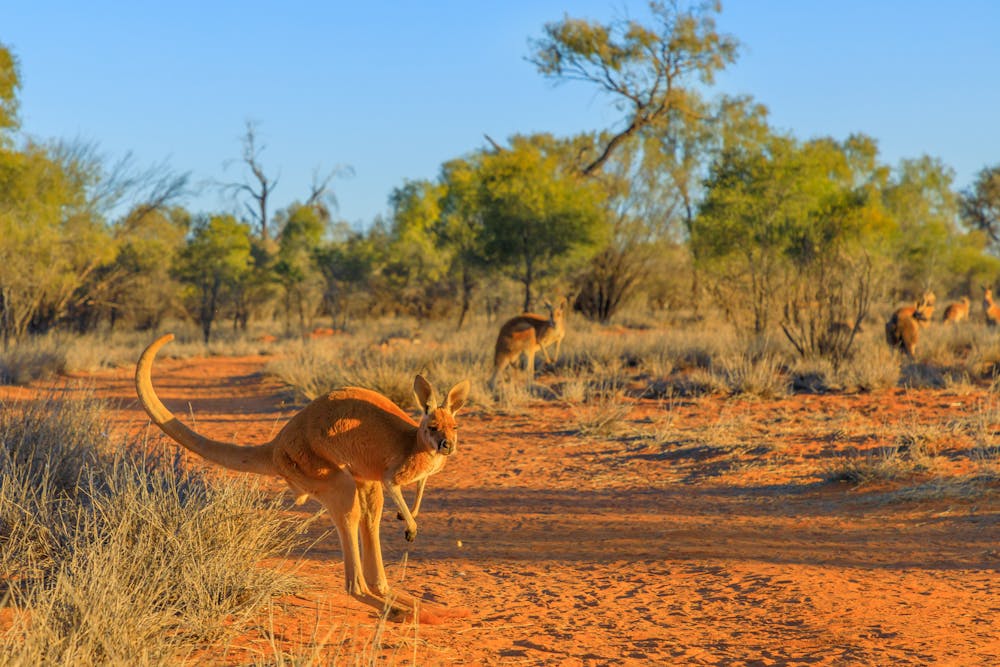
Red kangaroos became two to three times more abundant, and multiple species of desert rodent and a small marsupial carnivore (dusky hopping mouse, spinifex hopping mouse, plains rat, crest-tailed mulgara) all expanded their ranges.
But each time, after 10 to 20 years, the biocontrols stop working so well, as rabbits eventually built up a tolerance to the diseases.
So what should we do today?
Today, there are an estimated 150-200 million rabbits in Australia, we need to be on the front foot to manage this crisis. This means researchers should continually develop new biocontrols — which are clearly astonishingly successful.
But this isn’t the only solution. The use of biocontrols must be integrated with conventional rabbit management techniques, including destroying warrens (burrow networks) and harbours (above-ground rabbit shelters), baiting, fumigation, shooting or trapping.
Land managers have a major part to play in restoring Australia’s arid ecosystems, too. Land managers are required by law to control invasive pests such as rabbits, and this must occur humanely using approved and recognised methods.
They, and researchers, must take rabbit management seriously and give it equal, if not more, attention than feral cats and foxes. It all starts with a greater awareness of the problem, so we stop underestimating these small, but powerful, pests.
The authors would like to acknowledge the significant contribution of Dr Graeme Finlayson from Bush Heritage Australia, who is the lead author of the published study.
Pat Taggart, Adjunct Fellow, UNSW and Brian Cooke, Adjunct Associate Professor, University of Canberra
This article is republished from The Conversation under a Creative Commons license. Read the original article.







