• Advertise
  • About us
  • Terms and Conditions
  • Contact us
Sunday, December 7, 2025
Australian Times News
  • News
    • Weather
    • Sport
    • Technology
    • Business & Finance
      • Currency Zone
    • Lotto Results
      • The Lott
  • Lifestyle
    • Entertainment
    • Horoscopes
    • Health & Wellness
    • Recipes
  • Travel
  • Expat Life
  • Move to Australia
No Result
View All Result
  • News
    • Weather
    • Sport
    • Technology
    • Business & Finance
      • Currency Zone
    • Lotto Results
      • The Lott
  • Lifestyle
    • Entertainment
    • Horoscopes
    • Health & Wellness
    • Recipes
  • Travel
  • Expat Life
  • Move to Australia
No Result
View All Result
Australian Times News
No Result
View All Result
Home News

Cricket: children are the key to the future of the game, not broadcast rights

It seems that widespread television coverage is not that important. When Sky TV generously shared coverage of the 2019 Men’s cricket world cup final with free-to-air channels, the viewing figures were just 100,000 less than the peak of 2005. So not much had changed in the intervening 14 years.

The Conversation by The Conversation
21-02-2021 01:39
in News
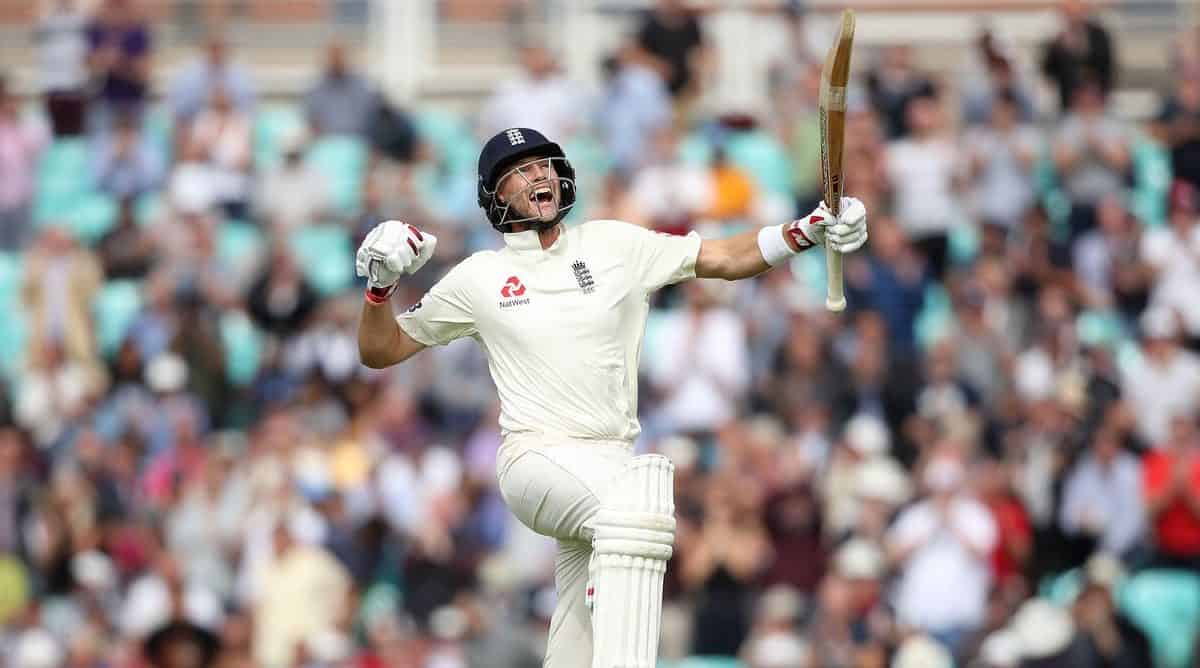
Jubilation: England cricket captain Joe Root celebrates a match-winning double century against India, February 2021. Adam Davy/PA Images/Alamy Stock Photo

Jubilation: England cricket captain Joe Root celebrates a match-winning double century against India, February 2021. Adam Davy/PA Images/Alamy Stock Photo

Dominic Malcolm, Loughborough University

The resounding victory scored by England men’s cricket team in the first Test match in Chennai, India on February 9 was truly historic. India had lost only one of their most recent 35 Tests at home and had not lost in Chennai since 1999. The victory was largely assured by the England captain, Joe Root, who produced the highest ever individual score by an English player in a test in India. The icing on the cake was provided by fast bowler James Anderson, whose devastating display of swing bowling turned the momentum on the final day inexorably in England’s favour.

The match was also notable because it was the first time England’s test team had appeared live on UK terrestrial television since 2005. Historically England (men’s) Test matches had been deemed sporting “crown jewels” of such national interest that they must be available live and on free-to-air. But this meant the game missed out on the huge potential income from broadcast rights on pay TV.

The England and Wales Cricket Board (ECB) successfully petitioned government and at the end of 2004 it was announced that Test cricket would be demoted to the B-list after 2005, meaning it could be bought up by the likes of Sky TV for exclusive broadcast on subscription channels. Since then, with a very few exceptions, anyone not subscribing to pay TV has not been able to watch live international cricket in the UK.

It was terrible timing because the 2005 series was also truly remarkable, as viewers in the UK got to watch their team win a hard-fought series to break Australia’s 16-year domination of the Ashes, actually winning the trophy on home soil for the first time in 18 years. In one BBC Radio 5 Live poll in 2005, 80% of respondents stated that they now preferred cricket to football. The television deal with Sky had been announced in December 2004 but grumblings turned to dismay in the autumn as people realised what the public would now be missing.

Standout England cricket victories are inevitably followed by a discussion of the potential for leveraging this public popularity. In part, this is because those who run the game or provide media coverage look enviously towards football’s wealth. Their firm belief that the game should be more popular explains, moreover, why cricket is unique in continuously tinkering with the game’s multiple formats by introducing one-day games and, more recently, the short-form T20 and (due for launch this year) The Hundred, an even more abbreviated version of the game.

Future of the game

Ideas for expanding the game’s popularity invariably revolve around a desire to involve more children. For instance, The Hundred is billed as “an unforgettable experience for the whole family”. But how realistic is that?


AlsoRead...

Ryan: Building real freedom through e-commerce

Ryan: Building real freedom through e-commerce

27 November 2025
Design Australia Group: Redefining Drafting as the engine of housing growth

Design Australia Group: Redefining Drafting as the engine of housing growth

26 November 2025
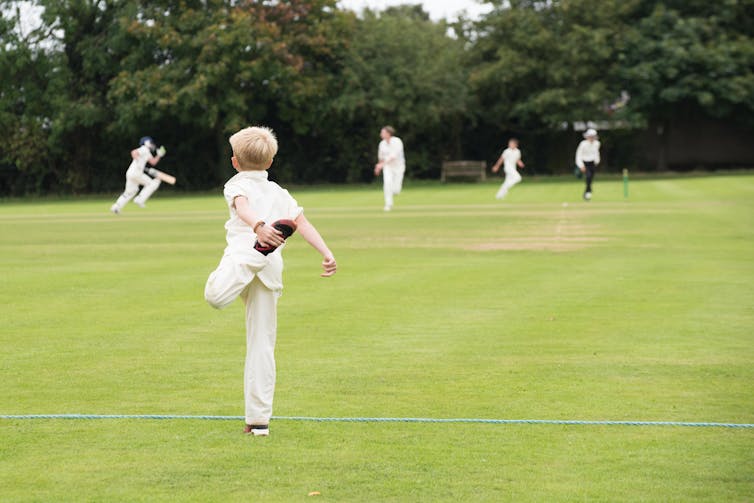
A boy dressed for playing cricket stretches his leg, with other players in the background.
Next generation? Primary school children would rather play cricket than watch it on television. Paul Rushton via Shutterstock

In a 2012 survey for the Cricket Foundation (published in the Journal of the Cricket Society in 2014 and unfortunately only available to members online), we found that even though 76.5% of primary school children played cricket at school, just 20% correctly named the England men’s captain. We found that the short-format T20 cricket was twice as popular as Test cricket among secondary school children. Only a quarter of these children had seen a live cricket match or claimed to watch England Test matches on TV.

While 35.8% owned an England football shirt, just 9.3% owned the equivalent cricketing gear. But – most significantly perhaps – overwhelmingly children wanted more opportunities to play the game rather than the freedom to watch games either live or on TV.

So children seem to engage with cricket differently to the way adults do. Children largely want the stimulation of hitting a ball or experiencing the visceral sensations of being part of a noisy crowd. Adults are more drawn by the intellectual engagement that the game provides. An understanding of the subtleties of the sport takes time to develop and, for those who want to increase cricket’s popularity, change can be frustratingly slow.

Winning helps

So what will make a difference to cricket’s popularity? It seems that widespread television coverage is not that important. When Sky TV generously shared coverage of the 2019 Men’s cricket world cup final with free-to-air channels, the viewing figures were just 100,000 less than the peak of 2005. So not much had changed in the intervening 14 years.

Rather, what we learn from 2005 Ashes and the unprecedented grip that cricket had on the nation’s attention, is that the greatest sports events resonate with some broader social narrative. The 2005 Ashes series took place against a backdrop of a new, more inclusive, democratic and open sense of Englishness. This was a team that challenged ideas about cricket being an upper-class game, with a heroic down-to-earth talisman in all-rounder Andrew Flintoff, roared on by the Barmy Army.

But also, during that Ashes series, London was targeted by terrorist bombings at various transport hubs, killing 52 and injuring scores of others. The country desperately needed a feelgood factor. Cricket historians pointing back to the 1981 Ashes series, when another great all-rounder, Ian Botham, almost single-handedly defeated the visiting Australian team, recall that England was in the grip of bitter and divisive race riots at the time.

Cricket becomes popular when England does well. But the triumph in this year’s first Test against India was followed by a massive defeat in the next game. In the end, whether or not English fans continue to enjoy the success – or otherwise – of their national team on free-to-air TV, it will be the children who race outside with their bats and balls and youthful enthusiasm who hold the future of the sport in their hands.

Dominic Malcolm, Reader in Sociology of Sport, Loughborough University

This article is republished from The Conversation under a Creative Commons license. Read the original article.


Tags: SB001
DMCA.com Protection Status

SUBSCRIBE to our NEWSLETTER

[mc4wp_form id=”2384248″]

Don't Miss

The evolution of Aesthetic Surgery through the lens of Dr Kourosh Tavakoli

by Pauline Torongo
4 December 2025
The evolution of Aesthetic Surgery through the lens of Dr. Kourosh Tavakoli
Health & Wellness

As global interest in Australian cosmetic surgery continues to grow, the combination of regulation, research and emerging digital tools is...

Read moreDetails

Ryan: Building real freedom through e-commerce

by Pauline Torongo
27 November 2025
Ryan: Building real freedom through e-commerce
Business & Finance

Ryan’s greatest achievement isn’t any single business or revenue milestone — it’s the ecosystem he’s built through the Change community.

Read moreDetails

Design Australia Group: Redefining Drafting as the engine of housing growth

by Pauline Torongo
26 November 2025
Design Australia Group: Redefining Drafting as the engine of housing growth
Business & Finance

Australia is under pressure to build homes faster, but design bottlenecks slow progress. Design Australia Group is fixing this by...

Read moreDetails

Louis Guy Detata builds Global Trading Empires through autonomous systems and disciplined leadership

by Pauline Torongo
25 November 2025
Louis Guy Detata builds Global Trading Empires through autonomous systems and disciplined leadership
Business & Finance

The path from investment banking to leading a global trading platform has taught Louis Detata that sustainable success requires more...

Read moreDetails

Burning Eucalyptus Wood: Tips, Advantages, Disadvantages & Alternatives

by Fazila Olla-Logday
20 November 2025
Image Supplied
Enviroment

Learn about burning eucalyptus wood for stoves and fireplaces. Discover benefits, drawbacks, harvesting tips, and better alternative firewood options for...

Read moreDetails

Everything Parents Need to Know About Baby Soft Play and Why It’s a Game Changer

by Fazila Olla-Logday
11 November 2025
Everything Parents Need to Know About Baby Soft Play
Health & Wellness

Baby soft play is a fun, safe, and educational way for little ones to explore and grow. Discover the benefits...

Read moreDetails

WOMAD Sets Up a New Camp in Wiltshire – Australian festival fans take note!

by Kris Griffiths
11 November 2025
Kumbia Boruka brought their reggae and dancehall flavour to the Taste the World Stage at WOMAD 2024 - Credit - Mike Massaro
Entertainment

With its 2026 edition moving to Neston Park in England, WOMAD offers Aussie music lovers a chance to reconnect with global...

Read moreDetails
Load More

Copyright © Blue Sky Publications Ltd. All Rights Reserved.
australiantimes.co.uk is a division of Blue Sky Publications Ltd. Reproduction without permission prohibited. DMCA.com Protection Status

  • About us
  • Write for Us
  • Advertise
  • Contact us
  • T&Cs, Privacy and GDPR
No Result
View All Result
  • News
    • Weather
    • Sport
    • Technology
    • Business & Finance
      • Currency Zone
    • Lotto Results
      • The Lott
  • Lifestyle
    • Entertainment
    • Horoscopes
    • Health & Wellness
    • Recipes
  • Travel
  • Expat Life
  • Move to Australia

Copyright © Blue Sky Publications Ltd. All Rights Reserved.
australiantimes.co.uk is a division of Blue Sky Publications Ltd. Reproduction without permission prohibited. DMCA.com Protection Status

No Result
View All Result
  • News
    • Weather
    • Sport
    • Technology
    • Business & Finance
      • Currency Zone
    • Lotto Results
      • The Lott
  • Lifestyle
    • Entertainment
    • Horoscopes
    • Health & Wellness
    • Recipes
  • Travel
  • Expat Life
  • Move to Australia

Copyright © Blue Sky Publications Ltd. All Rights Reserved.
australiantimes.co.uk is a division of Blue Sky Publications Ltd. Reproduction without permission prohibited. DMCA.com Protection Status