

• Advertise
  • About us
  • Terms and Conditions
  • Contact us
Saturday, December 6, 2025
Australian Times News
  • News
    • Weather
    • Sport
    • Technology
    • Business & Finance
      • Currency Zone
    • Lotto Results
      • The Lott
  • Lifestyle
    • Entertainment
    • Horoscopes
    • Health & Wellness
    • Recipes
  • Travel
  • Expat Life
  • Move to Australia
No Result
View All Result
  • News
    • Weather
    • Sport
    • Technology
    • Business & Finance
      • Currency Zone
    • Lotto Results
      • The Lott
  • Lifestyle
    • Entertainment
    • Horoscopes
    • Health & Wellness
    • Recipes
  • Travel
  • Expat Life
  • Move to Australia
No Result
View All Result
Australian Times News
No Result
View All Result
Home News

Climate finance: rich countries aren’t meeting aid targets – could legal action force them?

The climate crisis is already taking a heavy toll on some developing countries, causing damage to crops and infrastructure and loss of people’s homes and communities.

The Conversation by The Conversation
07-10-2021 22:27
in News
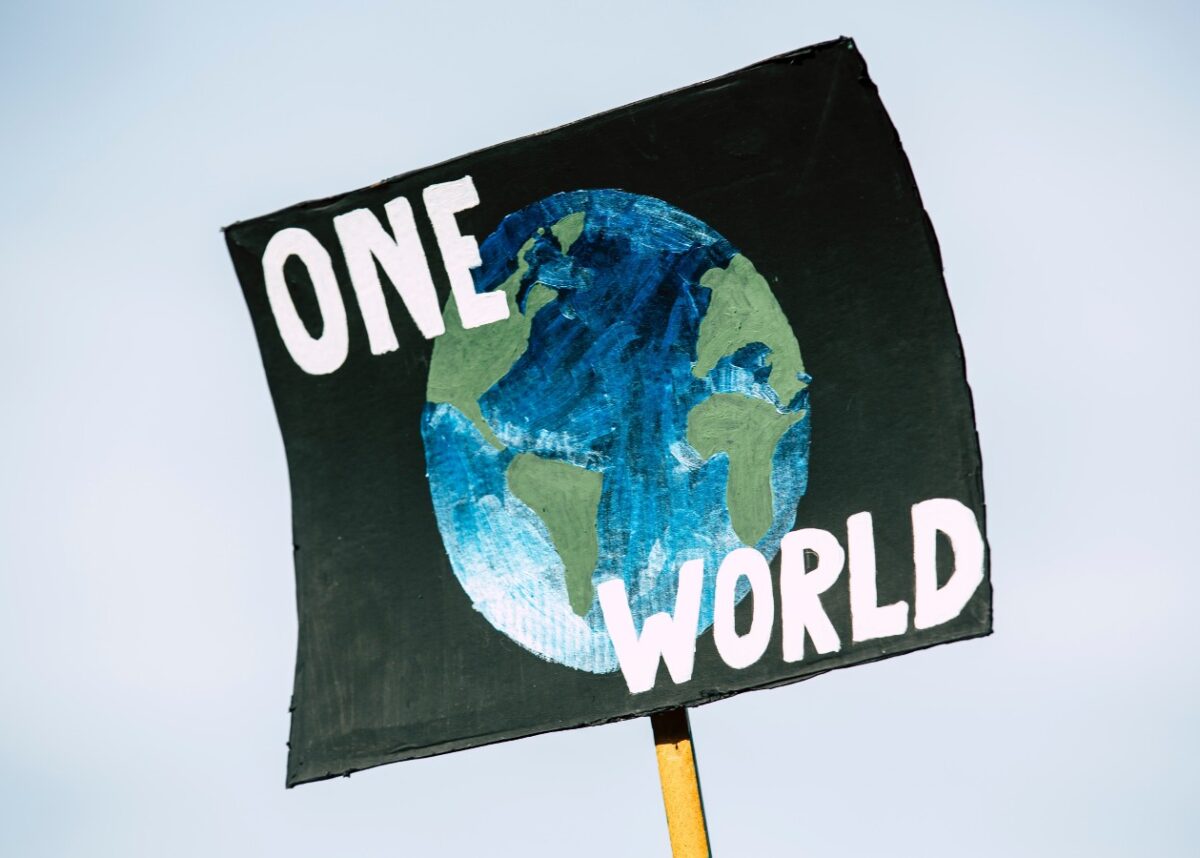
Photo by Markus Spiske on Unsplash

Photo by Markus Spiske on Unsplash

Harpreet Kaur Paul, University of Warwick

The climate crisis is already taking a heavy toll on some developing countries, causing damage to crops and infrastructure and loss of people’s homes and communities. Sea levels around Papua New Guinea, an island nation in the south-western Pacific, have risen 7mm a year since 1993 – more than double the global average.

On the Carteret Islands, an atoll to the west, half the islanders have reportedly relocated. They’ve had to sever connections to ancestral lands where families are buried, where traditional ways of living have endured for generations and where there’s a particular way of participating in collective and democratic life.

At COP26, the UN climate summit in Glasgow in November, countries will discuss the potential for new and additional sources of monetary aid known as climate finance, some of which will help countries deal with this loss and damage. Despite promising in 2009 to raise US$100 billion (£73.8 billion) a year in climate finance by 2020, rich countries have failed to meet this target.

On top of this, 80% of their contributions are loans or other forms of private finance instead of grants. This threatens to pile more debt on countries already struggling with the financial burden of the pandemic.

Delegates from Papua New Guinea and other poorer countries come together through the Least Developed Countries group and the Climate Vulnerable Forum, and will arrive at COP26 hoping for a breakthrough. But frustrated with the UN negotiations, communities around the world are finding new ways to make companies and states pay – by taking them to court.

While negotiations over climate finance were breaking down at the last UN summit in 2019, the national Commission on Human Rights of the Philippines published findings from its four-year inquiry into the impacts of climate change on human rights in the country. The commission concluded that 47 major emitting companies could be found liable for human rights violations arising from climate change. It also claimed that companies which had obstructed evidence or deceived the public about the link between emissions and climate change could be liable under criminal laws.


AlsoRead...

Ryan: Building real freedom through e-commerce

Ryan: Building real freedom through e-commerce

27 November 2025
Design Australia Group: Redefining Drafting as the engine of housing growth

Design Australia Group: Redefining Drafting as the engine of housing growth

26 November 2025

How likely any of these companies or states are to pay damages will depend on how courts respond. The commission, as with many human rights frameworks globally, lacks binding enforcement powers.

But the Higher Regional Court Hamm in Germany doesn’t. That’s where the case of Peruvian farmer Saul Luciana Lluyia is being heard. Lluyia is taking legal action against the Germany energy company RWE. His suit alleges that RWE knowingly contributed to climate change by emitting greenhouse gases, and so bears some responsibility for the melting mountain glaciers which threaten his farm and home city of Huaraz in northern Peru, including its 120,000 residents.

The pandemic has delayed the gathering of evidence in Huaraz, but one legal argument in support of Lliuya’s claim characterises the emissions of RWE as a nuisance that he should be compensated for. The German court can enforce penalties in nuisances cases. As scientific analysis of emission attribution improves, making it possible to more accurately link individual entities like private companies to climate impacts, cases like Lliuya’s could increase.

In the last two years alone, there have been several landmark cases which have ruled against states and companies accused of not doing enough to decarbonise. The Dutch nonprofit Urgenda forced the government of the Netherlands to reduce emissions in line with its legal obligations after it won its case in the country’s supreme court.

On May 26 2021, another Dutch case involving more than 17,000 individual claimants ended with The Hague District Court ordering Shell, the oil and gas company, to reduce CO₂ emissions by 45% by 2030 relative to 2019 levels.

The outcomes of these two cases would reduce the future scale of loss and damage, rather than compensate victims today. But they show that courts can be persuaded to make states and companies honour the duty of care they owe the public in light of climate change. That could secure contributions to flood defences, or the rebuilding process after storms have passed.

And if domestic courts start finding that corporations which disproportionately contributed to the crisis have responsibilities to redress them, it may even encourage states to come to political agreements about meeting financing needs in countries that are on the frontline of climate impacts.

COP26: the world's biggest climate talks

This story is part of The Conversation’s coverage on COP26, the Glasgow climate conference, by experts from around the world.
Amid a rising tide of climate news and stories, The Conversation is here to clear the air and make sure you get information you can trust. More.


Harpreet Kaur Paul, PhD Candidate in Climate Justice Policy, University of Warwick

This article is republished from The Conversation under a Creative Commons license. Read the original article.


Tags: SB001
DMCA.com Protection Status

SUBSCRIBE to our NEWSLETTER

[mc4wp_form id=”2384248″]

Don't Miss

The evolution of Aesthetic Surgery through the lens of Dr Kourosh Tavakoli

by Pauline Torongo
4 December 2025
The evolution of Aesthetic Surgery through the lens of Dr. Kourosh Tavakoli
Health & Wellness

As global interest in Australian cosmetic surgery continues to grow, the combination of regulation, research and emerging digital tools is...

Read moreDetails

Ryan: Building real freedom through e-commerce

by Pauline Torongo
27 November 2025
Ryan: Building real freedom through e-commerce
Business & Finance

Ryan’s greatest achievement isn’t any single business or revenue milestone — it’s the ecosystem he’s built through the Change community.

Read moreDetails

Design Australia Group: Redefining Drafting as the engine of housing growth

by Pauline Torongo
26 November 2025
Design Australia Group: Redefining Drafting as the engine of housing growth
Business & Finance

Australia is under pressure to build homes faster, but design bottlenecks slow progress. Design Australia Group is fixing this by...

Read moreDetails

Louis Guy Detata builds Global Trading Empires through autonomous systems and disciplined leadership

by Pauline Torongo
25 November 2025
Louis Guy Detata builds Global Trading Empires through autonomous systems and disciplined leadership
Business & Finance

The path from investment banking to leading a global trading platform has taught Louis Detata that sustainable success requires more...

Read moreDetails

Burning Eucalyptus Wood: Tips, Advantages, Disadvantages & Alternatives

by Fazila Olla-Logday
20 November 2025
Image Supplied
Enviroment

Learn about burning eucalyptus wood for stoves and fireplaces. Discover benefits, drawbacks, harvesting tips, and better alternative firewood options for...

Read moreDetails

Everything Parents Need to Know About Baby Soft Play and Why It’s a Game Changer

by Fazila Olla-Logday
11 November 2025
Everything Parents Need to Know About Baby Soft Play
Health & Wellness

Baby soft play is a fun, safe, and educational way for little ones to explore and grow. Discover the benefits...

Read moreDetails

WOMAD Sets Up a New Camp in Wiltshire – Australian festival fans take note!

by Kris Griffiths
11 November 2025
Kumbia Boruka brought their reggae and dancehall flavour to the Taste the World Stage at WOMAD 2024 - Credit - Mike Massaro
Entertainment

With its 2026 edition moving to Neston Park in England, WOMAD offers Aussie music lovers a chance to reconnect with global...

Read moreDetails
Load More

Copyright © Blue Sky Publications Ltd. All Rights Reserved.
australiantimes.co.uk is a division of Blue Sky Publications Ltd. Reproduction without permission prohibited. DMCA.com Protection Status

  • About us
  • Write for Us
  • Advertise
  • Contact us
  • T&Cs, Privacy and GDPR
No Result
View All Result
  • News
    • Weather
    • Sport
    • Technology
    • Business & Finance
      • Currency Zone
    • Lotto Results
      • The Lott
  • Lifestyle
    • Entertainment
    • Horoscopes
    • Health & Wellness
    • Recipes
  • Travel
  • Expat Life
  • Move to Australia

Copyright © Blue Sky Publications Ltd. All Rights Reserved.
australiantimes.co.uk is a division of Blue Sky Publications Ltd. Reproduction without permission prohibited. DMCA.com Protection Status

No Result
View All Result
  • News
    • Weather
    • Sport
    • Technology
    • Business & Finance
      • Currency Zone
    • Lotto Results
      • The Lott
  • Lifestyle
    • Entertainment
    • Horoscopes
    • Health & Wellness
    • Recipes
  • Travel
  • Expat Life
  • Move to Australia

Copyright © Blue Sky Publications Ltd. All Rights Reserved.
australiantimes.co.uk is a division of Blue Sky Publications Ltd. Reproduction without permission prohibited. DMCA.com Protection Status





