

• Advertise
  • About us
  • Terms and Conditions
  • Contact us
Sunday, March 22, 2026
Australian Times News
  • News
    • Weather
    • Sport
    • Technology
    • Business & Finance
      • Currency Zone
    • Lotto Results
      • The Lott
  • Lifestyle
    • Entertainment
    • Horoscopes
    • Health & Wellness
    • Recipes
  • Travel
  • Expat Life
  • Move to Australia
No Result
View All Result
  • News
    • Weather
    • Sport
    • Technology
    • Business & Finance
      • Currency Zone
    • Lotto Results
      • The Lott
  • Lifestyle
    • Entertainment
    • Horoscopes
    • Health & Wellness
    • Recipes
  • Travel
  • Expat Life
  • Move to Australia
No Result
View All Result
Australian Times News
No Result
View All Result
Home News

Australia’s Adblue shortage is serious, but there are ways to avoid the crisis going critical

Australia is going through another supply chain crisis. Stocks of AdBlue, an exhaust fluid used in newer diesel cars and trucks to reduce pollution, is getting dangerously low.

The Conversation by The Conversation
12-12-2021 09:17
in News
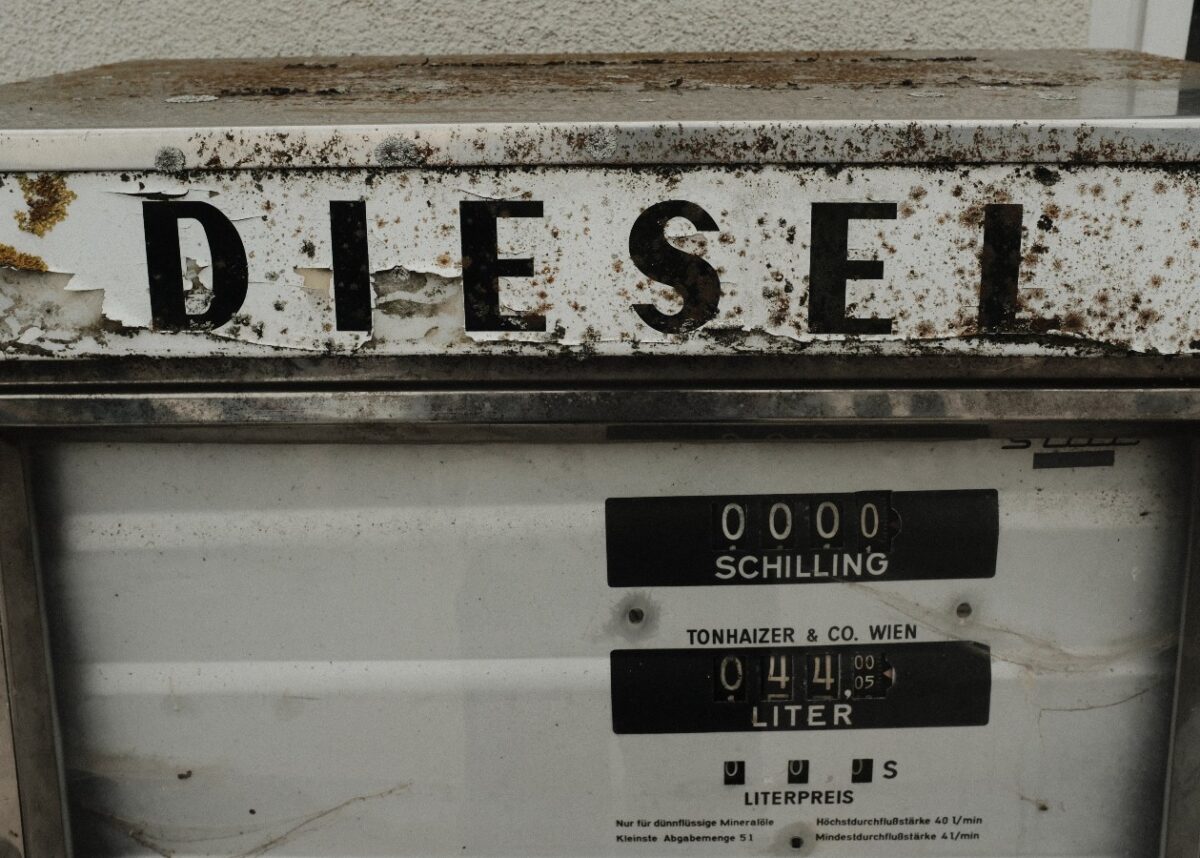
Photo by Florian Rieder on Unsplash

Photo by Florian Rieder on Unsplash

Flavio Macau, Edith Cowan University

Australia is going through another supply chain crisis. Stocks of AdBlue, an exhaust fluid used in newer diesel cars and trucks to reduce pollution, is getting dangerously low.

The culprit is a shortage of synthesised urea, an ingredient which local AdBlue makers import mostly from Russia and China. It has uses from plywood to cosmetics and fertilisers. High demand, particularly from farmers, has led to a global supply shortage.

In July, Chinese urea makers began restricting exports in response to fluctuations in the local market. International prices soared 50% between September and October, but that was not enough to stabilise supply and demand.

For Australia the alarm bells rang loudly last week when the Australian Trucking Association warned AdBlue stocks would run out in February. Some are more pessimistic, saying supplies will be gone by Christmas.

What happens if Australia runs out of AdBlue

AdBlue helps newer-model diesel vehicles meet emissions standards by breaking down harmful nitrogen oxides. If you own a diesel car with an AdBlue tank, your car’s engine is programmed to not start once you run out of it.

The good news is that a typical car can travel more than 1,000 km on 1 litre of AdBlue. Cars typically have tanks holding at least 10 litres. So one tank should keep you safe for at least six months.


AlsoRead...

Design Without Compromise: Where Gutter Protection Meets Modern Architecture

Design Without Compromise: Where Gutter Protection Meets Modern Architecture

20 March 2026
The Rise of This Lead Generation Workshop Across Australia

The Rise of This Lead Generation Workshop Across Australia

13 February 2026

For trucks it’s a different story. They typically clock up more kilometres on the road and are less efficient, using about 1 litre of AdBlue every 70 kilometres.
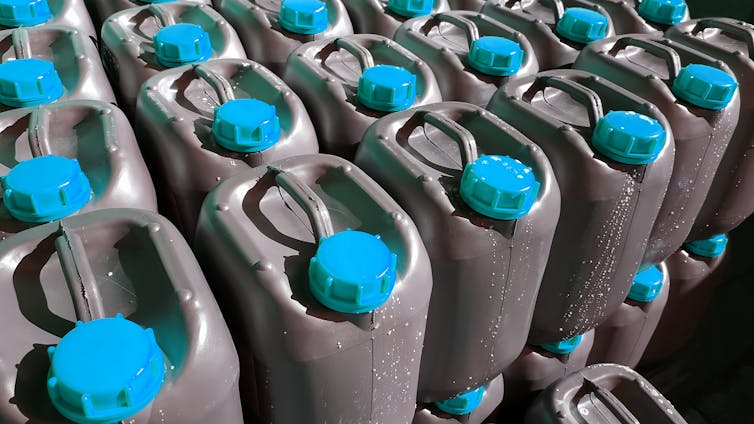
Last week the federal government said Australia has enough supplies for Adblue stock to last seven weeks.
Last week the federal government said Australia has enough supplies for Adblue stock to last seven weeks. Shutterstock

However, roughly half of Australia’s trucks don’t use AdBlue due to their age. The average age of Australia’s truck fleet is 15 years, compared with 13 years for Europe and less than 10 years for Germany. Also, emission regulation in Australia is less stringent than in the European Union.

In a worst-case scenario, where no solution is found and AdBlue supply stops, we may have to rely on these older trucks. Newer trucks could be remapped to run while polluting considerably more. But this is technically difficult, and will require temporary changes to Australian emission standards.

No one wants to go down that road. That’s why the federal government has established a taskforce to fix the problem.

How to solve the AdBlue supply crisis

Most supply chain crisis are based on hiccups in coordination.

Global AdBlue production, transportation and storage is under pressure but not disrupted. Federal energy minister Angus Taylor said last Thursday that Australia had enough AdBlue to last at least five weeks, and shipments en route would cover another two weeks. And more is yet to come.

Seven weeks will put us well into late January. By then we will be past Christmas, with less cargo and fewer parcels to move. This will bring relief to some logistic providers, who will be in a better position to stretch out their AdBlue stocks.

This should buy more time for the AdBlue taskforce to find solutions.

For example, it can recommend the Australian Competition and Consumer Commission suspend its usual anti-collusion rules that prevent competitors from talking to each other to cooperate. It did this in 2020 with the supermarkets, medical suppliers, banks and telecommunications companies to help them through the beginnings of the COVID-19 storm.

Another lesson to from past supply crises – particularly in supermarket supplies – is suppressing the chance of a self-creating crisis due to panic buying or stockpiling behaviour.

Limits on sales may be needed. If every transporter and diesel vehicle owner decides now is the time to fill their AdBlue tanks, stocks will deteriorate sooner.

The taskforce will be looking for suppliers less affected by the Chinese ban, and for ways to best distribute the stock we have. All these actions together should be enough to soon turn the corner on AdBlue shortages.

Is there a wider supply chain problem?

Whether this crisis points to a systemic problem that needs fixing depends on one’s perspective. It is a byproduct of globalisation, which expands supply chains but make them more vulnerable.

Economies of scale generally (but not always) make it more efficient and cheaper to have one big factory at one place than many small factories across the globe. The problem is when something happens to that one factory.

While there has been talk about a more strategic approach to “onshoring”, COVID-19 did not change the game much. The DHL Global Connectedness Index shows globalisation “has been much more resilient through the COVID-19 crisis than many predicted”.


Four pillars of global connectedness, 2001 – 2020
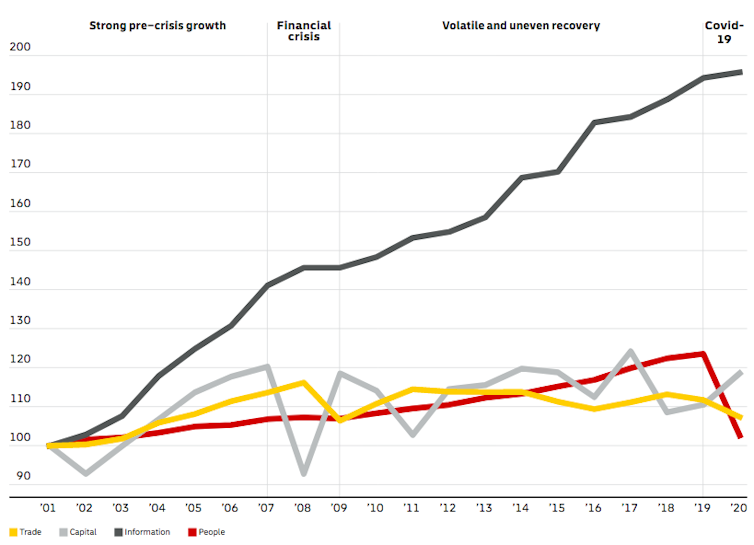
The DHL Global Connectedness Index, which tracks trade, capital, information and people flows, 2000 to 2020.
The DHL Global Connectedness Index tracks trade, capital, information and people flows. DHL Global Connectedness Index 2021 Update

A Productivity Commission report published in August was relatively relaxed about the risks to Australia. It highlighted that only a few critical products were vulnerable, though did note Australia’s over-reliance on much-needed chemicals coming from overseas (without mentioning urea or AdBlue specifically).

The call for more manufacturing in Australia faces the hard truth that once a crisis passes and cracks in supply chains mend, most of the time the local industry can’t compete with imports.

COVID has, at least, pushed businesses to embrace a “China plus one” supply strategy. They have also increased inventories – moving from “just-in-time” to “just-in-case”.

So the two morals of this story, as with many others, is not put all your eggs in one basket, and put aside for a rainy day. AdBlue included!

Flavio Macau, Associate Dean Teaching & Learning, Edith Cowan University

This article is republished from The Conversation under a Creative Commons license. Read the original article.


Tags: SB001
DMCA.com Protection Status

SUBSCRIBE to our NEWSLETTER

[mc4wp_form id=”2384248″]

Don't Miss

Design Without Compromise: Where Gutter Protection Meets Modern Architecture

by Fazila Olla-Logday
20 March 2026
Design Without Compromise: Where Gutter Protection Meets Modern Architecture
Business & Finance

Design without compromise by integrating gutter protection seamlessly into modern architecture. Discover how innovative gutter systems enhance your home’s aesthetics...

Read moreDetails

How WageSafe Secured Australia’s Most Reputable Retail Business Among Its Premium Clients

by Fazila Olla-Logday
12 March 2026
How WageSafe Secured Australia’s Most Reputable Retail Business Among Its Premium Clients
at

Learn how WageSafe helps businesses stay compliant with payroll and wage regulations through reliable monitoring, risk management, and expert support—protecting...

Read moreDetails

Zakeke AI Agent Studio Removes the E-Commerce Content Bottleneck With Outputs in Seconds

by Fazila Olla-Logday
3 March 2026
Zakeke AI Agent Studio Removes the E-Commerce Content Bottleneck With Outputs in Seconds
at

Zakeke AI Agent Studio removes the e-commerce content bottleneck by generating product content and visuals in seconds, enabling brands to...

Read moreDetails

Empire Traveller launches to give Small and Medium Businesses Enterprise-Level Travel rates

by Pauline Torongo
20 February 2026
Empire Traveller launches to give Small and Medium Businesses Enterprise-Level Travel rates
Travel

Empire Traveller suggests the travel sector may be entering a more inclusive phase — one where advantage is shaped less...

Read moreDetails

Is Feng Shui Master Xu Really A Modern Genius?

by Fazila Olla-Logday
19 February 2026
Is Feng Shui Master Xu Really A Modern Genius?
at

Is Feng Shui Master Xu truly a modern genius, or simply a master of timeless wisdom? Blending ancient Feng Shui...

Read moreDetails

The Rise of This Lead Generation Workshop Across Australia

by Pauline Torongo
13 February 2026
The Rise of This Lead Generation Workshop Across Australia
Business & Finance

“Where U?”, is a two-day in-person lead generation workshop that teaches Australian business owners how to build their own acquisition...

Read moreDetails

Lyca Mobile Australia’s Customer-First Overhaul Pays Off with Finder Award Win

by Fazila Olla-Logday
2 February 2026
Lyca Mobile Australia's Customer-First Overhaul Pays Off with Finder Award Win
Technology

Lyca Mobile Australia’s customer-first overhaul has earned a Finder Award, recognising its improved value, service, and stronger focus on Australian...

Read moreDetails
Load More

Copyright © Blue Sky Publications Ltd. All Rights Reserved.
australiantimes.co.uk is a division of Blue Sky Publications Ltd. Reproduction without permission prohibited. DMCA.com Protection Status

  • About us
  • Write for Us
  • Advertise
  • Contact us
  • T&Cs, Privacy and GDPR
No Result
View All Result
  • News
    • Weather
    • Sport
    • Technology
    • Business & Finance
      • Currency Zone
    • Lotto Results
      • The Lott
  • Lifestyle
    • Entertainment
    • Horoscopes
    • Health & Wellness
    • Recipes
  • Travel
  • Expat Life
  • Move to Australia

Copyright © Blue Sky Publications Ltd. All Rights Reserved.
australiantimes.co.uk is a division of Blue Sky Publications Ltd. Reproduction without permission prohibited. DMCA.com Protection Status

No Result
View All Result
  • News
    • Weather
    • Sport
    • Technology
    • Business & Finance
      • Currency Zone
    • Lotto Results
      • The Lott
  • Lifestyle
    • Entertainment
    • Horoscopes
    • Health & Wellness
    • Recipes
  • Travel
  • Expat Life
  • Move to Australia

Copyright © Blue Sky Publications Ltd. All Rights Reserved.
australiantimes.co.uk is a division of Blue Sky Publications Ltd. Reproduction without permission prohibited. DMCA.com Protection Status





