

• Advertise
  • About us
  • Terms and Conditions
  • Contact us
Saturday, December 6, 2025
Australian Times News
  • News
    • Weather
    • Sport
    • Technology
    • Business & Finance
      • Currency Zone
    • Lotto Results
      • The Lott
  • Lifestyle
    • Entertainment
    • Horoscopes
    • Health & Wellness
    • Recipes
  • Travel
  • Expat Life
  • Move to Australia
No Result
View All Result
  • News
    • Weather
    • Sport
    • Technology
    • Business & Finance
      • Currency Zone
    • Lotto Results
      • The Lott
  • Lifestyle
    • Entertainment
    • Horoscopes
    • Health & Wellness
    • Recipes
  • Travel
  • Expat Life
  • Move to Australia
No Result
View All Result
Australian Times News
No Result
View All Result
Home News

Asia’s energy pivot is a warning to Australia: clinging to coal is bad for the economy

The COP26 climate negotiations are just weeks away, and the tide is now turning against international finance of coal-fired power generation. The implications for Australia cannot be ignored.

The Conversation by The Conversation
14-10-2021 09:17
in News
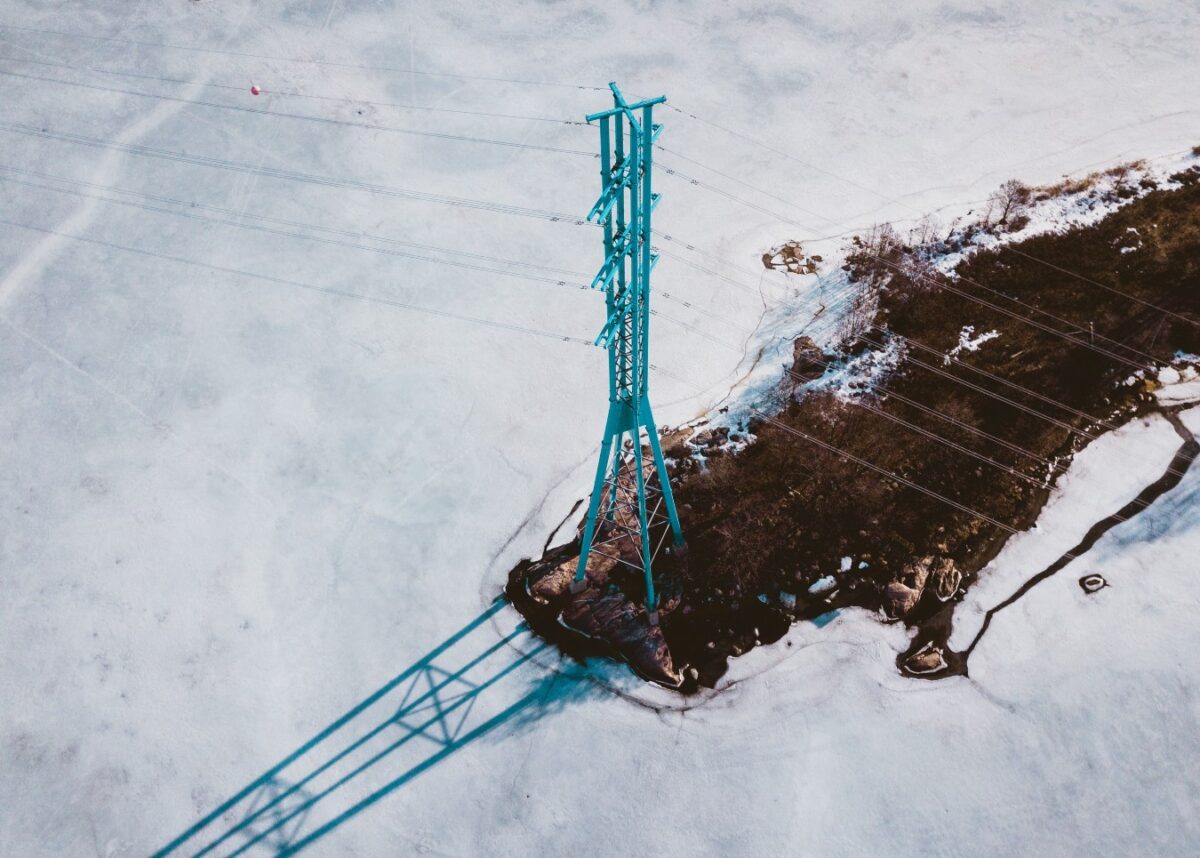
Photo by Ivan Bandura on Unsplash

Photo by Ivan Bandura on Unsplash

Christian Downie, Australian National University and Llewelyn Hughes, Crawford School of Public Policy, Australian National University

The COP26 climate negotiations are just weeks away, and the tide is now turning against international finance of coal-fired power generation. The implications for Australia cannot be ignored.

China, Japan and South Korea have been three of the largest public funders of overseas coal projects, pouring billions of dollars into new coal-fired power plants across the Asia-Pacific. This has enabled a wave of coal projects in Bangladesh, India, Indonesia and Vietnam.

But in recent months, the three funding nations have each made public statements about curtailing or ending taxpayer support for new international coal power. It follows a pledge in May this year by the G7 nations, which includes Japan, to stop financing unabated overseas coal power generation by the end of 2021.

For Australia, the writing is on the wall – the world is moving away from coal power, and we must follow suit.

Big coal funders

Between 2010 and 2019, Japan channelled around US$2.98 billion in overseas development finance to coal-fired generation in the Asia-Pacific.

For example, the Japan Bank for International Cooperation supported the development of Indonesia’s PLTU Tanjung Jati B power station, along with a consortuim of private lenders.


AlsoRead...

Ryan: Building real freedom through e-commerce

Ryan: Building real freedom through e-commerce

27 November 2025
Design Australia Group: Redefining Drafting as the engine of housing growth

Design Australia Group: Redefining Drafting as the engine of housing growth

26 November 2025

Governments that lend to overseas coal power generation projects say it helps alleviate energy poverty, or a lack of access to energy in developing nations.

Yet reaching global emissions-reduction targets partly depends on slowing the pipeline of coal power generation, including in Southeast Asia. So while investing in coal projects in developing nations might boost access to energy in the short term, the climate consequences are much worse.

What’s more, the risk these assets will become “stranded” appears not to have been systematically incorporated into project assessments in recipient countries, or by lending countries. That means the value or profitability of these assets may well plummet, especially as recipient countries implement stronger climate policies.

A second driver of overseas coal financing is to give companies from the financing country a competitive edge internationally.

State-backed financing bodies can provide direct loans, insurance and guarantees, known as export credits to foreign buyers. This can help improve the competitiveness of infrastructure exports, such as power plant technology, from companies in the financing country.

China’s aggressive use of export credits to support its companies abroad, including in the coal industry, has been one reason why countries like Japan and South Korea continued to do the same.


Leaving coal behind

But China, Japan and South Korea are now looking to move away from public support for financing new international coal projects.

China is the latest. Last month President Xi Jinping announced China would stop building coal-fired plants overseas, and will instead help developing countries to build low carbon energy projects. In part, the decision reflects growing international pressure for all nations to raise their climate ambitions.

The development also raises a tantalising possibility: countries like China, Japan, and South Korea may compete to finance large-scale renewable energy projects, such as offshore wind, in developing countries.

Such a development would be welcome, given the worrying signs that the deployment of renewable energy in developing countries is too slow to reach global climate targets. It would also help improve energy access in recipient countries.

What this means for Australia

Australia is the world’s second-largest exporter of thermal coal, and China, Japan and South Korea are its top three export markets.

These three industrial powerhouses recently announced net-zero emissions targets, and Japan and South Korea have also ratcheted up their near-term ambitions for emissions reduction. This implies their imports of coal, including from Australia, have peaked.

But the move away from overseas coal financing also sends an important signal that international support for the coal power pipeline is coming to an end. Clearly, clinging to coal is now not just bad for our climate, but bad for our economy too. As our major trading partners in the Asia-Pacific move to compete in supporting the energy transition, so should we.

Australia must seize the opportunity to become a renewable energy exporter. There will be great benefits through Australia becoming a primary exporter of clean electricity, hydrogen and critical minerals to Asia and beyond.

COP26 is a chance to show the world Australia is embracing a low-emissions future. However, this will require Australia adopting a strong emissions target for 2030 and backing it up with policies for today, not for 2050.

The longer we wait, the more we will lose as other nations gain a competitive advantage in the industries, technologies, and markets that will drive a clean energy transition.


Christian Downie, Associate Professor, Australian National University and Llewelyn Hughes, Associate Professor of Public Policy, Crawford School of Public Policy, Australian National University

This article is republished from The Conversation under a Creative Commons license. Read the original article.


Tags: SB001
DMCA.com Protection Status

SUBSCRIBE to our NEWSLETTER

[mc4wp_form id=”2384248″]

Don't Miss

The evolution of Aesthetic Surgery through the lens of Dr Kourosh Tavakoli

by Pauline Torongo
4 December 2025
The evolution of Aesthetic Surgery through the lens of Dr. Kourosh Tavakoli
Health & Wellness

As global interest in Australian cosmetic surgery continues to grow, the combination of regulation, research and emerging digital tools is...

Read moreDetails

Ryan: Building real freedom through e-commerce

by Pauline Torongo
27 November 2025
Ryan: Building real freedom through e-commerce
Business & Finance

Ryan’s greatest achievement isn’t any single business or revenue milestone — it’s the ecosystem he’s built through the Change community.

Read moreDetails

Design Australia Group: Redefining Drafting as the engine of housing growth

by Pauline Torongo
26 November 2025
Design Australia Group: Redefining Drafting as the engine of housing growth
Business & Finance

Australia is under pressure to build homes faster, but design bottlenecks slow progress. Design Australia Group is fixing this by...

Read moreDetails

Louis Guy Detata builds Global Trading Empires through autonomous systems and disciplined leadership

by Pauline Torongo
25 November 2025
Louis Guy Detata builds Global Trading Empires through autonomous systems and disciplined leadership
Business & Finance

The path from investment banking to leading a global trading platform has taught Louis Detata that sustainable success requires more...

Read moreDetails

Burning Eucalyptus Wood: Tips, Advantages, Disadvantages & Alternatives

by Fazila Olla-Logday
20 November 2025
Image Supplied
Enviroment

Learn about burning eucalyptus wood for stoves and fireplaces. Discover benefits, drawbacks, harvesting tips, and better alternative firewood options for...

Read moreDetails

Everything Parents Need to Know About Baby Soft Play and Why It’s a Game Changer

by Fazila Olla-Logday
11 November 2025
Everything Parents Need to Know About Baby Soft Play
Health & Wellness

Baby soft play is a fun, safe, and educational way for little ones to explore and grow. Discover the benefits...

Read moreDetails

WOMAD Sets Up a New Camp in Wiltshire – Australian festival fans take note!

by Kris Griffiths
11 November 2025
Kumbia Boruka brought their reggae and dancehall flavour to the Taste the World Stage at WOMAD 2024 - Credit - Mike Massaro
Entertainment

With its 2026 edition moving to Neston Park in England, WOMAD offers Aussie music lovers a chance to reconnect with global...

Read moreDetails
Load More

Copyright © Blue Sky Publications Ltd. All Rights Reserved.
australiantimes.co.uk is a division of Blue Sky Publications Ltd. Reproduction without permission prohibited. DMCA.com Protection Status

  • About us
  • Write for Us
  • Advertise
  • Contact us
  • T&Cs, Privacy and GDPR
No Result
View All Result
  • News
    • Weather
    • Sport
    • Technology
    • Business & Finance
      • Currency Zone
    • Lotto Results
      • The Lott
  • Lifestyle
    • Entertainment
    • Horoscopes
    • Health & Wellness
    • Recipes
  • Travel
  • Expat Life
  • Move to Australia

Copyright © Blue Sky Publications Ltd. All Rights Reserved.
australiantimes.co.uk is a division of Blue Sky Publications Ltd. Reproduction without permission prohibited. DMCA.com Protection Status

No Result
View All Result
  • News
    • Weather
    • Sport
    • Technology
    • Business & Finance
      • Currency Zone
    • Lotto Results
      • The Lott
  • Lifestyle
    • Entertainment
    • Horoscopes
    • Health & Wellness
    • Recipes
  • Travel
  • Expat Life
  • Move to Australia

Copyright © Blue Sky Publications Ltd. All Rights Reserved.
australiantimes.co.uk is a division of Blue Sky Publications Ltd. Reproduction without permission prohibited. DMCA.com Protection Status





