• Advertise
  • About us
  • Terms and Conditions
  • Contact us
Monday, March 23, 2026
Australian Times News
  • News
    • Weather
    • Sport
    • Technology
    • Business & Finance
      • Currency Zone
    • Lotto Results
      • The Lott
  • Lifestyle
    • Entertainment
    • Horoscopes
    • Health & Wellness
    • Recipes
  • Travel
  • Expat Life
  • Move to Australia
No Result
View All Result
  • News
    • Weather
    • Sport
    • Technology
    • Business & Finance
      • Currency Zone
    • Lotto Results
      • The Lott
  • Lifestyle
    • Entertainment
    • Horoscopes
    • Health & Wellness
    • Recipes
  • Travel
  • Expat Life
  • Move to Australia
No Result
View All Result
Australian Times News
No Result
View All Result
Home News

Are plug-in hybrid cars worse for environment than factory tests suggest? It depends how you drive them

Research from the pressure groups Transport and Environment and Greenpeace has claimed that CO₂ emissions from plug-in hybrid cars are “two and a half times” higher than tests by manufacturers suggest.

The Conversation by The Conversation
23-09-2020 06:25
in News
Are plug-in hybrid cars worse for environment

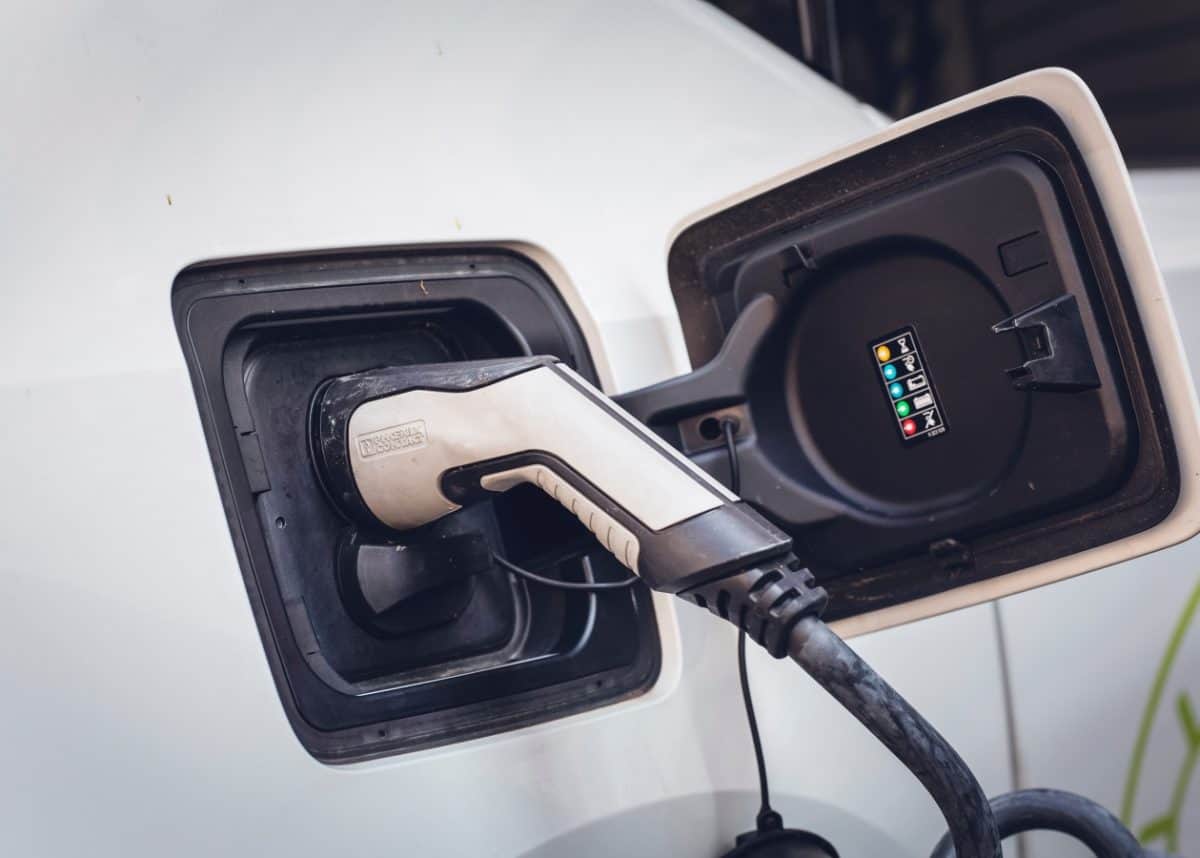
Are plug-in hybrid cars worse for environment Photo by Markus Spiske on Unsplash

Ashley Fly, Loughborough University

Currently accounting for 3% of new car sales, plug-in hybrid electric vehicles are sold as low-carbon alternatives to fossil fuel and conventional hybrid cars. But a new report threatens to shatter their green credentials.
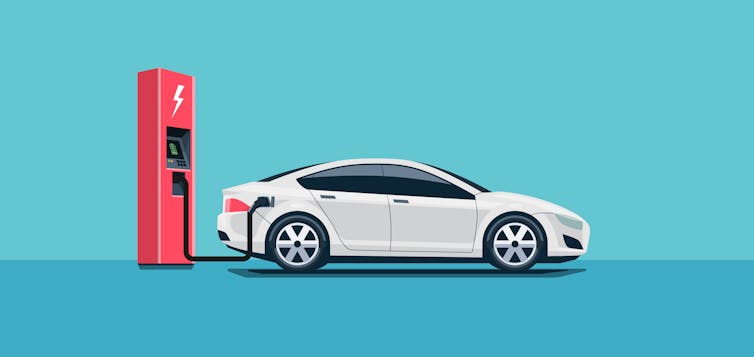
Petovarga/Shutterstock

Research from the pressure groups Transport and Environment and Greenpeace has claimed that CO₂ emissions from plug-in hybrid cars are “two and a half times” higher than tests by manufacturers suggest. While these official figures place the average emissions from plug-in hybrid vehicles at 44g of CO₂ per kilometre, the new report argues that it’s more like 120g on roads.

So why is there such a large discrepancy, and which one is correct? Are customers being misled about the environmental impact of the cars they drive?

How carmakers measure emissions

A plug-in hybrid electric vehicle has both a petrol engine and battery, either of which can power the wheels. Unlike a normal hybrid vehicle, where all the energy comes from the fuel, a plug-in hybrid has a larger battery and can be plugged into the mains to charge. Because a plug-in hybrid has two energy sources, petrol and electric, its emissions will vary widely depending on how much time is spent in full electric or petrol mode.

To find out how far a plug-in hybrid car can travel without switching the engine on (known as “the all-electric range”), car manufacturers in the UK and EU use a test called the Worldwide harmonised Light-duty vehicles Test Procedure (WLTP). For a plug-in hybrid car, the battery is fully charged and then driven on a repeated 30-minute cycle under controlled conditions on a dynamometer, which is a bit like a treadmill for cars.

During each cycle, the battery is slowly discharged as the car uses energy from both the battery and the engine. Eventually it reaches a point when the battery charge at the beginning and end of each 30-minute cycle is the same. This is referred to as charge-sustain mode and is the point at which all the energy comes from the petrol engine and the battery is essentially empty. Manufacturers calculate their official emissions figures based partly on emissions during the time when the car is using petrol and electricity, and partly when the car is running on petrol only.


AlsoRead...

Design Without Compromise: Where Gutter Protection Meets Modern Architecture

Design Without Compromise: Where Gutter Protection Meets Modern Architecture

20 March 2026
The Rise of This Lead Generation Workshop Across Australia

The Rise of This Lead Generation Workshop Across Australia

13 February 2026
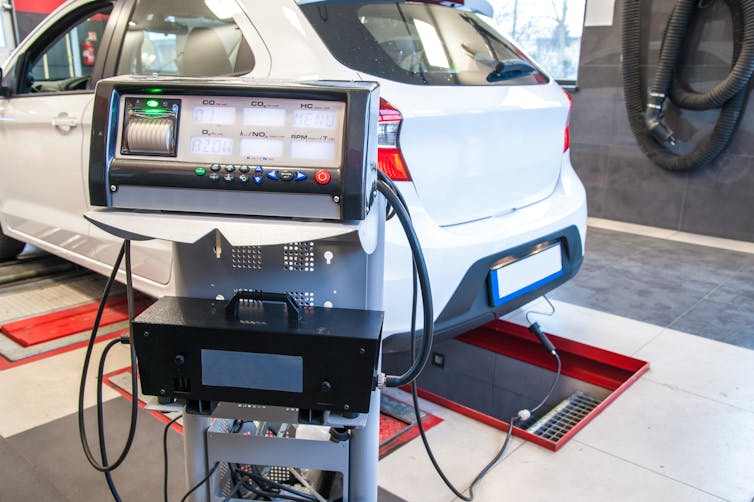
A passenger car in a testing facility with cables attached to the exhaust and a monitor displaying emissions data.
Emissions data from car manufacturers are gathered under controlled circumstances. Damiangretka/Shutterstock

While the official test considers both petrol and electric energy sources, it assumes the battery starts fully charged and ends the test almost empty and running on the fossil fuel engine. If the actual distance driven is less than the official test, then the car will spend more time using both the fuel and electricity, and the emissions will be lower than the official value, possibly zero if it is within the all-electric range where the engine does not switch on. Likewise, if the vehicle travels further, or the battery is not charged at the start, then the emissions will be higher than the official value. This is all before we consider the difference between emissions measured during official tests and real-world driving.

The recent report used real-world data from a range of sources across Europe, with directly measured emissions and data reported from drivers themselves. It also included some data that predated the 2017 change to the WLTP legislation that was intended to reduce the discrepancy between laboratory and real-world emissions data. In fact, the official value of 44g of CO₂ per kilometre is actually from an older type of test, and is lower than you would expect to get with the new test, which typically gives higher CO₂ emissions.

In the real world

So, what are the real emissions of plug-in hybrid cars? Well, technically both the manufacturer’s value and those in the new report are correct. This really highlights the issue of using a single figure to define emissions for these vehicles.

If you have a short commute operating mainly in electric mode and charge your vehicle regularly, then you will likely have emissions lower than the average manufacturer’s value of 44g of CO₂ per kilometre. If you often make long journeys and never plug the vehicle into the mains, your emissions will be comparable or worse than a non-hybrid vehicle, as the recent report highlighted.

Personally, I would like to see manufacturers report emissions during the petrol only driving mode alongside the current measurement and all-electric range. This would show customers how the car performs if the battery is not charged and provide an incentive to plug in more frequently. This data is already collected as part of the current official test procedure, so it wouldn’t require any retrospective testing.

Used properly, plug-in hybrid electric vehicles can be a great choice for people who want to reduce their emissions but are not ready or able to let go of the convenience of petrol and diesel vehicles. Before buying one though, you should consider if a full battery electric vehicle might be a better choice. The typical range of electric vehicles now regularly exceeds 200 miles, their costs are comparable to plug-in hybrids and charging infrastructure and charging speeds are continuously improving.

Ashley Fly, Lecturer in Vehicle Electrification, Loughborough University

This article is republished from The Conversation under a Creative Commons license. Read the original article.


Tags: SB001
DMCA.com Protection Status

SUBSCRIBE to our NEWSLETTER

[mc4wp_form id=”2384248″]

Don't Miss

Design Without Compromise: Where Gutter Protection Meets Modern Architecture

by Fazila Olla-Logday
20 March 2026
Design Without Compromise: Where Gutter Protection Meets Modern Architecture
Business & Finance

Design without compromise by integrating gutter protection seamlessly into modern architecture. Discover how innovative gutter systems enhance your home’s aesthetics...

Read moreDetails

How WageSafe Secured Australia’s Most Reputable Retail Business Among Its Premium Clients

by Fazila Olla-Logday
12 March 2026
How WageSafe Secured Australia’s Most Reputable Retail Business Among Its Premium Clients
at

Learn how WageSafe helps businesses stay compliant with payroll and wage regulations through reliable monitoring, risk management, and expert support—protecting...

Read moreDetails

Zakeke AI Agent Studio Removes the E-Commerce Content Bottleneck With Outputs in Seconds

by Fazila Olla-Logday
3 March 2026
Zakeke AI Agent Studio Removes the E-Commerce Content Bottleneck With Outputs in Seconds
at

Zakeke AI Agent Studio removes the e-commerce content bottleneck by generating product content and visuals in seconds, enabling brands to...

Read moreDetails

Empire Traveller launches to give Small and Medium Businesses Enterprise-Level Travel rates

by Pauline Torongo
20 February 2026
Empire Traveller launches to give Small and Medium Businesses Enterprise-Level Travel rates
Travel

Empire Traveller suggests the travel sector may be entering a more inclusive phase — one where advantage is shaped less...

Read moreDetails

Is Feng Shui Master Xu Really A Modern Genius?

by Fazila Olla-Logday
19 February 2026
Is Feng Shui Master Xu Really A Modern Genius?
at

Is Feng Shui Master Xu truly a modern genius, or simply a master of timeless wisdom? Blending ancient Feng Shui...

Read moreDetails

The Rise of This Lead Generation Workshop Across Australia

by Pauline Torongo
13 February 2026
The Rise of This Lead Generation Workshop Across Australia
Business & Finance

“Where U?”, is a two-day in-person lead generation workshop that teaches Australian business owners how to build their own acquisition...

Read moreDetails

Lyca Mobile Australia’s Customer-First Overhaul Pays Off with Finder Award Win

by Fazila Olla-Logday
2 February 2026
Lyca Mobile Australia's Customer-First Overhaul Pays Off with Finder Award Win
Technology

Lyca Mobile Australia’s customer-first overhaul has earned a Finder Award, recognising its improved value, service, and stronger focus on Australian...

Read moreDetails
Load More

Copyright © Blue Sky Publications Ltd. All Rights Reserved.
australiantimes.co.uk is a division of Blue Sky Publications Ltd. Reproduction without permission prohibited. DMCA.com Protection Status

  • About us
  • Write for Us
  • Advertise
  • Contact us
  • T&Cs, Privacy and GDPR
No Result
View All Result
  • News
    • Weather
    • Sport
    • Technology
    • Business & Finance
      • Currency Zone
    • Lotto Results
      • The Lott
  • Lifestyle
    • Entertainment
    • Horoscopes
    • Health & Wellness
    • Recipes
  • Travel
  • Expat Life
  • Move to Australia

Copyright © Blue Sky Publications Ltd. All Rights Reserved.
australiantimes.co.uk is a division of Blue Sky Publications Ltd. Reproduction without permission prohibited. DMCA.com Protection Status

No Result
View All Result
  • News
    • Weather
    • Sport
    • Technology
    • Business & Finance
      • Currency Zone
    • Lotto Results
      • The Lott
  • Lifestyle
    • Entertainment
    • Horoscopes
    • Health & Wellness
    • Recipes
  • Travel
  • Expat Life
  • Move to Australia

Copyright © Blue Sky Publications Ltd. All Rights Reserved.
australiantimes.co.uk is a division of Blue Sky Publications Ltd. Reproduction without permission prohibited. DMCA.com Protection Status