

• Advertise
  • About us
  • Terms and Conditions
  • Contact us
Saturday, December 6, 2025
Australian Times News
  • News
    • Weather
    • Sport
    • Technology
    • Business & Finance
      • Currency Zone
    • Lotto Results
      • The Lott
  • Lifestyle
    • Entertainment
    • Horoscopes
    • Health & Wellness
    • Recipes
  • Travel
  • Expat Life
  • Move to Australia
No Result
View All Result
  • News
    • Weather
    • Sport
    • Technology
    • Business & Finance
      • Currency Zone
    • Lotto Results
      • The Lott
  • Lifestyle
    • Entertainment
    • Horoscopes
    • Health & Wellness
    • Recipes
  • Travel
  • Expat Life
  • Move to Australia
No Result
View All Result
Australian Times News
No Result
View All Result
Home News

After coronavirus: how seasonal migration and empty centres might change our cities

The post-pandemic city will need to employ urban solutions that enable people to socialise, work and live without extremely high densities.

The Conversation by The Conversation
15-06-2020 21:47
in News
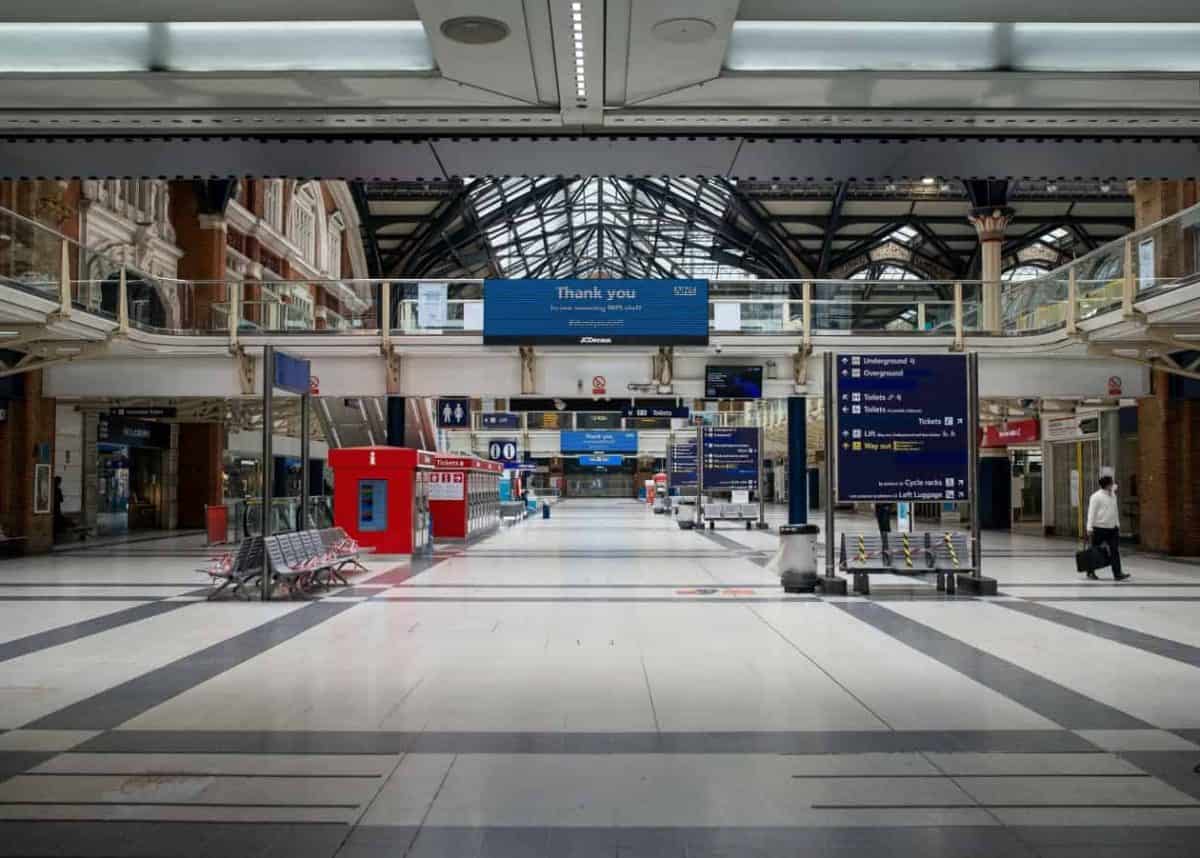
Migration and empty centres might change our cities

Migration and empty centres might change our cities Photo by Ben Garratt on Unsplash

Ashraf M. Salama, University of Strathclyde

The changes to urban space brought by the coronavirus have many people asking what the post-pandemic city might look like.

For example, as people may continue to avoid crowds for fear of becoming ill and more are able to work from home, will more people leave high-density cities for peripheral or rural areas? After all, research shows that the spread of COVID-19 has been linked to urban density.
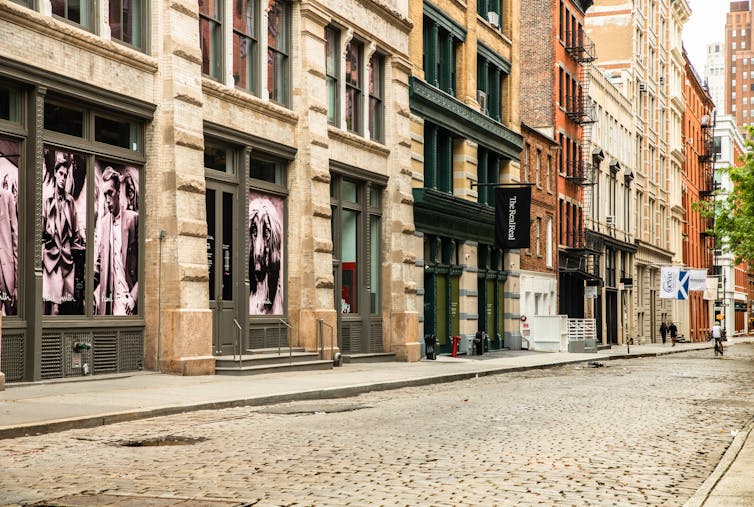
New York. littlenySTOCK/Shutterstock

On the other hand, high density may not necessarily be a public health issue. The cities of Singapore and Hong Kong have higher densities than New York and London, but have managed to control the virus spread through aggressive management actions. These include early testing and extensive tracing of cases rather than full isolation or quarantining.

The long-term pattern of increasing urbanisation, existing high urban density and the economic and cultural benefits of urban life suggests that we will not see a large-scale exodus from cities to rural areas. However, the pandemic may trigger patterns of relocation to lower density areas within the city or its peripheries.

The post-pandemic city will need to employ urban solutions that enable people to socialise, work and live without extremely high densities, while balancing urban compactness and urban sprawling.

Personal space

Current social distancing measures, which ask us to stay one-to-two metres apart, can be considered in the light of what we have learned from anthropologists and architects about the idea of personal distance. Their research suggests that we each have an invisible but protective bubble around us, an area that we consider ours alone that shrinks and expands as our activities and engagement with others change.


AlsoRead...

Ryan: Building real freedom through e-commerce

Ryan: Building real freedom through e-commerce

27 November 2025
Design Australia Group: Redefining Drafting as the engine of housing growth

Design Australia Group: Redefining Drafting as the engine of housing growth

26 November 2025

There is no doubt that the pandemic will have an impact on the way in which comfortable social distances are perceived, and that impact could be permanent. If pandemics become annual or seasonal events, personal distance might naturally become stretchy. Our personal bubble would shrink during safe periods, and expand during outbreaks.

This pandemic will stay in our memory for several generations. And as pandemics and our responses to them more generally become part of the collective psyche of society, new behavioural patterns will emerge.

If we do see a succession of safe periods and outbreaks, this might result in patterns of seasonal migration from the city to its peripheries or to rural areas where closely interacting with others is not the norm. However, this would be limited to those with the financial means to leave the city.

Another possibility is that continued social distancing, encouraging less association with others in urban settings, may lead to people permanently leaving the urban cores of cities and moving to the peripheries.

The centre of the city could then become reserved for business and economic activity only. However, this will raise questions about transportation and the impact of increased daily commuting.

A large-scale move to suburbs may increase challenges that some cities have struggled with for decades: an empty city centre after working hours, and the associated problems of crimes, anonymity, detachment, segregation, isolation, and fear.

Nature and design

Another possible outcome is a change in how we design our cities. Biophilic design, which focuses on creating healing environments and places that support health and wellbeing, had seen a surge of interest even before the pandemic. It aims to eliminate stress and anxiety from the built environment and encourage mindful engagement with nature.
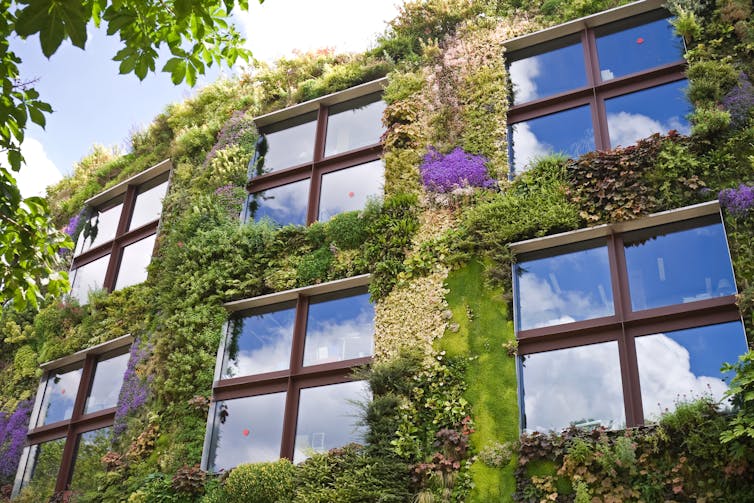
Biophilic design brings nature into the city. Evannovostro/Shutterstock

Biophilic design involves embracing a visual connection with nature through well considered interaction with the outdoors. This can range from adding planted spaces and water features, to installing green walls on building facades, to simply positioning furniture to engage with views. But architects and planners need to consider how much is enough and would have a positive impact on people.

Engaging with nature, even just visually, has a positive impact on mental health. Given that there could be a growing preference for proximity to nature, because we see it as healthier or less of a health risk, it is likely that people will tend to favour environments that integrate the natural into the built environment.

Future city living seems to have arrived at our doorsteps. Where and how we live in cities will change after coronavirus. New norms of social encounters and a growing interest in biophilic design are just a few examples of this change. A successful post-pandemic city will effectively manage urban density and the needs of the people who inhabit it.

Ashraf M. Salama, Professor of Architecture, University of Strathclyde

This article is republished from The Conversation under a Creative Commons license. Read the original article.


Tags: SB001
DMCA.com Protection Status

SUBSCRIBE to our NEWSLETTER

[mc4wp_form id=”2384248″]

Don't Miss

The evolution of Aesthetic Surgery through the lens of Dr Kourosh Tavakoli

by Pauline Torongo
4 December 2025
The evolution of Aesthetic Surgery through the lens of Dr. Kourosh Tavakoli
Health & Wellness

As global interest in Australian cosmetic surgery continues to grow, the combination of regulation, research and emerging digital tools is...

Read moreDetails

Ryan: Building real freedom through e-commerce

by Pauline Torongo
27 November 2025
Ryan: Building real freedom through e-commerce
Business & Finance

Ryan’s greatest achievement isn’t any single business or revenue milestone — it’s the ecosystem he’s built through the Change community.

Read moreDetails

Design Australia Group: Redefining Drafting as the engine of housing growth

by Pauline Torongo
26 November 2025
Design Australia Group: Redefining Drafting as the engine of housing growth
Business & Finance

Australia is under pressure to build homes faster, but design bottlenecks slow progress. Design Australia Group is fixing this by...

Read moreDetails

Louis Guy Detata builds Global Trading Empires through autonomous systems and disciplined leadership

by Pauline Torongo
25 November 2025
Louis Guy Detata builds Global Trading Empires through autonomous systems and disciplined leadership
Business & Finance

The path from investment banking to leading a global trading platform has taught Louis Detata that sustainable success requires more...

Read moreDetails

Burning Eucalyptus Wood: Tips, Advantages, Disadvantages & Alternatives

by Fazila Olla-Logday
20 November 2025
Image Supplied
Enviroment

Learn about burning eucalyptus wood for stoves and fireplaces. Discover benefits, drawbacks, harvesting tips, and better alternative firewood options for...

Read moreDetails

Everything Parents Need to Know About Baby Soft Play and Why It’s a Game Changer

by Fazila Olla-Logday
11 November 2025
Everything Parents Need to Know About Baby Soft Play
Health & Wellness

Baby soft play is a fun, safe, and educational way for little ones to explore and grow. Discover the benefits...

Read moreDetails

WOMAD Sets Up a New Camp in Wiltshire – Australian festival fans take note!

by Kris Griffiths
11 November 2025
Kumbia Boruka brought their reggae and dancehall flavour to the Taste the World Stage at WOMAD 2024 - Credit - Mike Massaro
Entertainment

With its 2026 edition moving to Neston Park in England, WOMAD offers Aussie music lovers a chance to reconnect with global...

Read moreDetails
Load More

Copyright © Blue Sky Publications Ltd. All Rights Reserved.
australiantimes.co.uk is a division of Blue Sky Publications Ltd. Reproduction without permission prohibited. DMCA.com Protection Status

  • About us
  • Write for Us
  • Advertise
  • Contact us
  • T&Cs, Privacy and GDPR
No Result
View All Result
  • News
    • Weather
    • Sport
    • Technology
    • Business & Finance
      • Currency Zone
    • Lotto Results
      • The Lott
  • Lifestyle
    • Entertainment
    • Horoscopes
    • Health & Wellness
    • Recipes
  • Travel
  • Expat Life
  • Move to Australia

Copyright © Blue Sky Publications Ltd. All Rights Reserved.
australiantimes.co.uk is a division of Blue Sky Publications Ltd. Reproduction without permission prohibited. DMCA.com Protection Status

No Result
View All Result
  • News
    • Weather
    • Sport
    • Technology
    • Business & Finance
      • Currency Zone
    • Lotto Results
      • The Lott
  • Lifestyle
    • Entertainment
    • Horoscopes
    • Health & Wellness
    • Recipes
  • Travel
  • Expat Life
  • Move to Australia

Copyright © Blue Sky Publications Ltd. All Rights Reserved.
australiantimes.co.uk is a division of Blue Sky Publications Ltd. Reproduction without permission prohibited. DMCA.com Protection Status





